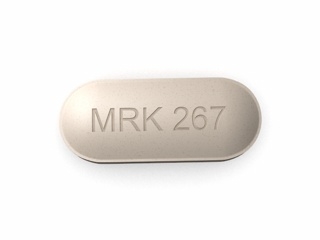

Maxalt (Rizatriptan) — Patient Guide (Australia)
Maxalt contains rizatriptan, a medicine used to treat migraine attacks. If you have migraine, knowing when and how to take your medicine can make a difference to comfort and function during an attack. This guide explains how Maxalt works, how it’s typically used, important safety information, and practical tips for getting the most from your treatment.
Note: Always follow the instructions provided by your healthcare professional and the product information for your specific formulation and dose.
1) Basic product information
- Brand name: Maxalt
- Active ingredient: Rizatriptan
- Medicine type: Triptan (serotonin receptor agonist)
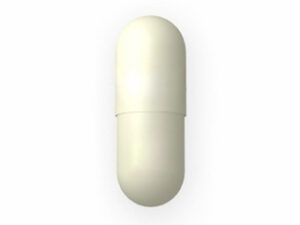
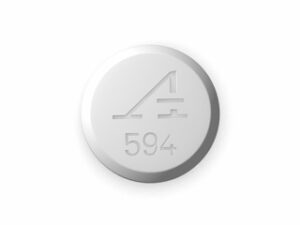
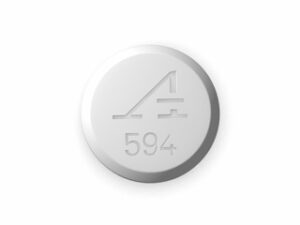
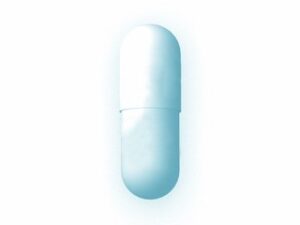
- Common formulation forms in Australia: Tablets and an orally disintegrating option (commonly referred to as “Maxalt-MLT” in some markets)
- Therapeutic use: Acute treatment of migraine attacks
Maxalt is designed to relieve migraine symptoms such as:
- Headache pain
- Nausea and/or vomiting
- Light and sound sensitivity
2) How Maxalt works (mechanism of action)
Rizatriptan belongs to the triptan class. It reduces migraine symptoms by acting on specific serotonin (5-HT) receptors—primarily 5-HT1B and 5-HT1D.
During a migraine, several processes contribute to pain, including activation of pain pathways and release of inflammatory substances around blood vessels and nerves in the head. Maxalt helps by:
- Constriction of certain blood vessels involved in migraine pathways (through 5-HT1B receptor activity)
- Reducing nerve signalling linked to migraine pain (through 5-HT1D receptor activity)
- Decreasing release of pain-related neuropeptides (which can help reduce inflammation-like signals)
In practical terms, this means Maxalt is intended to stop progression of a migraine attack when taken early during the headache phase.
3) Pharmacokinetics (how the body handles rizatriptan)
Pharmacokinetics describes how the drug is absorbed, distributed, metabolised, and eliminated.
| Feature | What to expect (generalised) |
|---|---|
| Absorption | Rizatriptan is absorbed after oral dosing; onset of effect depends on how quickly it reaches peak levels. |
| Peak concentration | Typically occurs within about 1–2 hours after taking a tablet. |
| Metabolism | Metabolised primarily by monoamine oxidase (MAO), especially the MAO-A pathway. |
| Elimination | Excreted mainly through the kidneys (urine), with metabolites removed from the body. |
| Half-life | Roughly 2–3 hours (may vary between individuals). |
Why this matters: Because the drug’s effect can wear off, some people experience headache recurrence within 24 hours. Understanding typical timing and safe maximum dosing helps manage this.
4) Typical use and indications
Maxalt (rizatriptan) is used for the acute treatment of:
- Migraine attacks with or without aura in adults
It is generally used to treat an attack when migraine symptoms start. It is not intended to prevent migraine from occurring.
Important: Triptans are specific to migraine. If your headaches are unusual, worsening, or different from your usual pattern, seek medical advice promptly.
5) When to take Maxalt (timing and expectations)
Maxalt is most useful when taken as early as possible during a migraine attack.
- For best results, take it when you feel the migraine is starting—either at the start of headache pain or as soon as the headache begins.
- If symptoms improve but then return, you may need a further dose according to the safe dosing schedule.
What to expect:
- Many people notice relief within 1–2 hours.
- If your first dose does not provide relief, you should not automatically take additional doses outside the recommended schedule. Follow your product instructions and talk with a healthcare professional for advice on next steps.
6) Dosing (typical adult guidance)
Dosing depends on the formulation (e.g., tablet vs orally disintegrating) and your personal risk factors and other medicines.
General adult dosing (commonly used):
- Initial dose: Typically 10 mg once at the start of a migraine attack.
- Second dose: May be taken if the migraine returns or doesn’t fully resolve, following the recommended interval (often at least 2 hours between doses).
- Maximum per 24 hours: Usually capped (commonly at 20 mg in 24 hours for many formulations; confirm for your product and local instructions).
Special situations: Healthcare professionals may recommend a lower maximum dose in people who take certain interacting medicines or who have specific risk factors (for example, some patients taking certain antidepressants).
Do not exceed the recommended dose. Overuse can contribute to medication-overuse headache, where headaches become more frequent due to repeated acute medicine use.
7) Food interactions
Food can influence how quickly some medicines are absorbed, but most migraine sufferers do not need to time Maxalt precisely with meals.
- General guidance: Maxalt can be taken with or without food.
- If you have nausea: Taking it when nausea is severe may delay absorption. If you can tolerate it, taking the dose early during the migraine can help.
- Orally disintegrating formulation: For the dissolving tablet option, follow the instructions in the pack for removing from the blister and taking immediately.
If you regularly find that food delays your relief, consider discussing options such as different formulations (tablet vs dissolving) with your pharmacist.
8) Alcohol interactions
Alcohol does not typically have a direct “interaction” with rizatriptan in the same way as some prescription medications, but alcohol can still be relevant for migraine management:
- Alcohol may trigger migraines in some people (even small amounts).
- Alcohol can worsen nausea and dehydration, making symptoms harder to manage.
Practical advice: If you choose to drink, avoid heavy alcohol intake during an attack. If you notice alcohol consistently triggers your migraine, reducing or avoiding alcohol may improve overall control.
9) Medicine interactions (including common categories)
Rizatriptan can interact with other medicines, especially those affecting serotonin pathways or MAO-A metabolism. Some combinations may be unsafe.
Always tell your pharmacist or healthcare professional about all medicines you use, including over-the-counter medicines and supplements.
9.1 MAO inhibitors (major concern)
- Monoamine oxidase (MAO) inhibitors can significantly affect rizatriptan metabolism.
- In general, avoid using rizatriptan with certain MAO inhibitors, unless specifically directed by a clinician with an appropriate plan.
9.2 Serotonin-related medicines (possible risk)
Using rizatriptan with other serotonin-increasing medicines may increase the risk of a serotonin-related syndrome (rare, but serious). This is most often considered when combining triptans with:
- Some antidepressants (including SSRIs/SNRIs)
- Other serotonergic medicines such as certain migraine preventives or combinations that increase serotonin signalling
Many people take triptans with antidepressants safely, but it depends on the specific medicines and your health history. Seek advice if you are unsure.
9.3 Ergot-containing medicines or other triptans
- Using another triptan or an ergot-derived medicine too close together can increase risk of blood vessel-related side effects.
- Follow spacing guidance provided with your medicines (often several hours apart, depending on the medicine).
9.4 Blood pressure and heart risk medicines
Because triptans can affect blood vessels, rizatriptan requires special caution if you have cardiovascular risk factors or known heart disease.
9.5 Enzyme inhibitors that affect metabolism
Some medicines can change rizatriptan levels by affecting metabolising enzymes (MAO-A). This may require a dose adjustment. Tell your healthcare professional about any regular medicines, including:
- Certain antibiotics/antifungals
- Some cardiovascular medicines
- Some antidepressants
10) Safety profile (what to know before you take Maxalt)
Like all medicines, Maxalt can cause side effects. Many are mild and temporary, but some require urgent medical attention.
10.1 Common side effects
- Head, neck, or throat symptoms (e.g., tightness, pressure, or aching sensations)
- Dizziness
- Flushing
- Fatigue or drowsiness
- Nausea
- Pins and needles sensations in some people
These effects often occur soon after dosing and may resolve on their own.
10.2 Serious warning signs (seek urgent help)
Stop using Maxalt and seek urgent medical care if you experience symptoms suggestive of a serious reaction or reduced blood flow to vital organs. Get urgent assistance if you have:
- Chest pain, unusual pressure, or discomfort spreading to the arm, jaw, or back
- Shortness of breath or sudden difficulty breathing
- Signs of stroke (face drooping, weakness, trouble speaking, sudden severe headache different from usual)
- Severe allergic reaction (swelling of face/lips, hives, wheezing)
- Symptoms of serotonin-related syndrome (high fever, agitation, confusion, fast heart rate, muscle stiffness, tremor)
10.3 Who should use Maxalt with extra caution?
Maxalt may not be suitable for everyone. Special caution or avoidance may be advised if you have:
- Heart disease or history of blood vessel disease
- Uncontrolled high blood pressure
- Previous stroke or transient ischaemic attack (TIA)
- Significant risk factors for coronary artery disease (e.g., strong family history, smoking, diabetes, high cholesterol)
- Severe liver or kidney impairment (dose adjustment may be required)
- Older age or specific risk profiles (doctor review important)
If you are in any of these groups, discuss with your pharmacist or doctor before using Maxalt.
10.4 Medication-overuse headache
Using acute headache medicines too often can worsen headache frequency. A common preventive threshold (varies by guideline and medicine) is:
- Triptans on more than 10 days per month may increase the risk of medication-overuse headache.
If you find you need Maxalt frequently, consider discussing migraine prevention strategies with your healthcare professional.
11) Practical use tips (making it work for you)
- Take early in the attack: The earlier you treat, the more likely you are to get relief.
- Use a consistent routine: Keep your Maxalt accessible where you treat attacks (home, workplace, travel bag).
- Hydrate when possible: Dehydration can worsen migraines and nausea.
- Create a “migraine plan”: Combine medicine with rest in a dark, quiet room and consider an anti-nausea plan if appropriate.
- Track your response: Record time taken, relief time, and side effects. This helps fine-tune treatment with your clinician.
- Consider formulation choice: If you often feel nauseated, an orally disintegrating tablet may be easier for some people.
- Avoid “stacking” doses: Don’t take extra doses sooner than recommended; recurrence can happen, but timing matters for safety.
12) Alternative options for migraine (discuss with a healthcare professional)
Depending on your migraine pattern, severity, and medical history, alternatives may include:
- Other triptans (different onset and tolerability)
- Gepants or ditans (where available) for acute migraine treatment in certain settings
- NSAIDs (e.g., ibuprofen, naproxen) for mild to moderate migraine
- Paracetamol for some patients, especially when combined appropriately (follow label directions)
- Combination therapies (some include anti-nausea medicines)
- Preventive medicines if attacks are frequent (e.g., beta blockers, certain anticonvulsants, antidepressants, or injections/other newer options depending on eligibility)
If Maxalt doesn’t give adequate relief, a clinician may adjust dose, timing, or choose another acute option. For frequent migraines, prevention can reduce the need for rescue treatment.
13) Maxalt in the Australian market: legal and guidance context
In Australia, medicines are regulated through the Therapeutic Goods Administration (TGA) and must be supplied in line with national pharmacy standards. Availability, supply conditions, and brand presentation (e.g., tablet strengths and different formulations) may vary.
In general:
- Maxalt (rizatriptan) is an established prescription medicine in Australia.
- Pharmacies must meet regulatory requirements for safe supply and counselling.
- For many patients, the key to safe use is having the right dose and understanding contraindications and interactions.
Recent guidance note: Migraine management guidance internationally and in Australia continues to emphasise:
- Early treatment during an attack
- Limiting acute medicine use to reduce medication-overuse headache risk
- Considering preventive options for frequent migraine
- Careful screening for cardiovascular risk before using triptans
Your local pharmacist or clinician can align your treatment with the most current recommendations relevant to your condition.
14) Delivery and availability (online pharmacy)
Availability may depend on stock levels and the specific Maxalt formulation/strength. When ordering online in Australia:
- Check product details carefully for strength and formulation (tablet vs dissolving option).
- Delivery timeframes vary by location and shipping method.
- Cold-chain is generally not required for this type of medicine, but storage instructions in the product pack should be followed.
Storage: Keep tablets in a cool, dry place away from direct sunlight, in the packaging provided.
15) Frequently Asked Questions (FAQ)
1) How fast does Maxalt work?
Many people feel improvement within 1–2 hours. Some may require more time, especially if nausea delays absorption. Taking it early in the attack can help.
2) Can I take Maxalt if I have aura?
Yes, Maxalt is used for migraine with or without aura. If you experience aura symptoms, follow your standard migraine action plan—many people take the dose when the headache phase begins.
3) What if Maxalt doesn’t work for my first attack?
Not every dose relieves every migraine. If the first dose is ineffective, you may still be able to treat later attacks successfully, or a clinician may recommend an alternative strategy. Do not exceed recommended dosing.
4) How many times can I take Maxalt in a day?
The safe maximum depends on the formulation and strength. Many adult regimens use a limit such as up to 20 mg in 24 hours, with doses spaced by at least 2 hours. Always confirm the maximum for your exact product and instructions.
5) Can I drink alcohol after taking Maxalt?
There is no universal rule, but alcohol can worsen migraine symptoms or trigger another attack. If you drink, keep amounts small and avoid heavy intake—especially if you are nauseated or dehydrated.
6) Are there foods I should avoid?
Maxalt can usually be taken with or without food. However, if you’re very nauseated, food may affect how well you can take the medicine. If vomiting occurs soon after taking a dose, ask your pharmacist about whether another dose may be needed.
7) What side effects are most common?
Common side effects include dizziness, flushing, fatigue, and transient sensations of tightness in the neck or chest area. Most are temporary.
8) When should I seek urgent medical help?
Seek urgent help if you develop chest pain, severe shortness of breath, signs of stroke, a severe allergic reaction, or symptoms suggestive of serotonin-related syndrome.
9) Can I use Maxalt often?
Frequent use can contribute to medication-overuse headache. If you need triptans frequently (commonly more than 10 days per month), discuss preventive options with a healthcare professional.
10) Is Maxalt suitable for everyone with headaches?
Maxalt is for migraine. It’s not intended for other types of headache. If your headaches are new, different, or worsening, get medical assessment.
16) Summary
Maxalt (rizatriptan) is a triptan medicine used to treat migraine attacks in adults. It works by activating specific serotonin receptors to reduce migraine-related pain pathways. For many people, it provides relief when taken early in an attack. Safe use requires attention to dosing limits, avoidance of certain interacting medicines (especially MAO inhibitors), and careful consideration of cardiovascular and neurological risk factors.
If you have questions about whether Maxalt is suitable for you, the best timing for your situation, or how it fits with your other medicines, speak with a pharmacist or healthcare professional.