
Meclizine Hydrochloride (Meclizine) – Patient-Friendly Guide
Meclizine is an antihistamine medicine commonly used to help manage symptoms of dizziness and motion sickness. If you’re travelling, feeling unsteady, or experiencing vertigo-like symptoms, understanding how meclizine works, when it’s taken, and how to use it safely can make a big difference.
This guide is written for people in Australia and aims to be clear, practical, and patient-friendly. It is general information and does not replace advice from a healthcare professional.
Basic product information
| Item | Details |
|---|---|
| Active ingredient | Meclizine hydrochloride |
| Medicine type | Antihistamine (often described as a first-generation H1 antihistamine) |
| Common brand examples | May vary by manufacturer and availability |
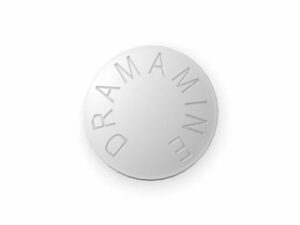
| Common strengths | Typically 25 mg tablets (strengths may vary) |
| Typical availability | Available in some markets as a non-prescription (OTC) medicine; availability in Australia may vary by product |
How meclizine works (mechanism of action)
Meclizine helps reduce symptoms related to balance and motion perception. It works mainly by blocking histamine at certain pathways in the central nervous system. This action can reduce the tendency of the inner ear and brain systems to trigger nausea, dizziness, and vertigo-like sensations.
- Decreases dizziness and unsteadiness
- Helps control nausea associated with motion sickness
- May reduce vertigo symptoms experienced in conditions such as vestibular disorders
While it can significantly improve symptoms, meclizine is symptom relief—it does not “cure” the underlying cause of balance disorders.
Pharmacokinetics (how your body handles it)
Pharmacokinetics describes what happens after you take a medicine—how it is absorbed, distributed, metabolised, and eliminated.
- Absorption: Meclizine is absorbed after oral administration.
- Onset of action: Many people feel effects within about 1–2 hours. For motion-related symptoms, taking it before exposure is often more effective.
- Duration: Effects can last several hours; how long you stay symptom-free can vary by person.
- Metabolism: Meclizine is metabolised primarily by the liver.
- Elimination: The metabolites are eliminated by the kidneys (via urine) and through other pathways.
If you have liver or kidney conditions, you may need personalised guidance regarding dosing and safety.
What it is used for (typical use & indications)
In practice, meclizine is used to help relieve symptoms such as:
- Motion sickness (e.g., travel by car, boat, or plane)
- Dizziness associated with vestibular disturbances
- Nausea and discomfort related to dizziness/vertigo
- Vertigo symptoms in some people (as symptom relief)
The exact approved indications may depend on the specific product and local regulatory listing in Australia. Always check the pack instructions for the precise indications.
When to take it (timing)
Timing matters—especially for motion sickness. General guidance:
- For motion sickness: Take meclizine about 1 hour before travel or before you expect symptoms. For longer trips, follow dosing instructions carefully to maintain symptom control.
- For dizziness or vertigo symptoms: You can take it when symptoms start. Some benefit may occur after the usual onset period (often within 1–2 hours).
- Do not “double up”: If you miss a dose or symptoms return, follow label directions or speak with a pharmacist/doctor.
Dosing (typical adult use)
Dosing can vary depending on the product, age group, and the reason you’re taking it. Below are general adult patterns commonly seen with meclizine tablets. Always follow the instructions on your specific pack.
Adults (general guidance)
- Typical dose: 25 mg
- How often: often up to three times daily (e.g., every 8 hours), depending on symptoms and product label instructions.
- Maximum daily dose: follow your product’s maximum limit exactly.
Children: Use in children depends on age, formulation, and regulatory approval for the particular product. Check the pack for age restrictions and ask a pharmacist if you’re unsure.
Missed dose
If you miss a dose, take it when you remember unless it is close to the next dose. Do not take extra doses to catch up.
Food interactions
Food can affect how quickly some medicines work. For meclizine, results may vary by individual. As a practical approach:
- With food or after meals: may be gentler on the stomach for some people.
- Before travel: if you’re taking it to prevent motion sickness, try to take it about an hour before departure, whether you’ve eaten or not, as long as your personal tolerance is good.
If your label indicates “take with food” or “take on an empty stomach,” follow the label. When in doubt, ask your pharmacist.
Alcohol and medicine interactions
Alcohol
Meclizine can cause drowsiness in many people. Combining meclizine with alcohol may increase sedation and reduce reaction time.
- Avoid alcohol while taking meclizine when possible.
- If you do drink alcohol, do so cautiously and only if you can do so without worsening drowsiness.
Common medicine interactions
Meclizine may interact with other medicines that slow the nervous system or cause drowsiness. Always check with a pharmacist if you take any of the following (examples):
- Sedatives or sleeping tablets
- Some pain medicines (particularly opioids)
- Some anxiety medicines
- Other antihistamines (including allergy medicines) that may also cause drowsiness
- Some antidepressants that can have sedating effects
This is not a complete list. If you’re taking multiple products (including cold/flu remedies), check their labels for antihistamines or sedating ingredients to avoid “stacking” drowsiness.
Safety profile (who should be careful)
Meclizine is generally well tolerated when used as directed. However, because it can cause drowsiness and other anticholinergic-type side effects, it may not suit everyone.
Common side effects
- Drowsiness or tiredness
- Dry mouth
- Headache
- Blurred vision (in some people)
- Constipation or stomach discomfort
Serious side effects (seek medical advice urgently)
Stop using the medicine and seek urgent medical help if you experience:
- Allergic reaction (swelling of face/lips, trouble breathing, rash)
- Severe confusion or unusual agitation
- Fainting, severe dizziness, or signs of a serious reaction
- Fast, irregular heartbeat or significant worsening of symptoms
When to be extra cautious
- Older adults: increased sensitivity to antihistamines can lead to greater drowsiness, falls, or confusion.
- Glaucoma (narrow-angle): anticholinergic effects may worsen symptoms in some individuals.
- Urinary retention or enlarged prostate: may make urination more difficult.
- Severe liver impairment: metabolism may be affected—ask a pharmacist or doctor.
- Respiratory conditions: caution is needed, particularly if breathing is compromised.
Practical use tips (how to get the best results)
A few practical steps can make meclizine more effective and help reduce unwanted effects:
- Test before travel: If you’ve never used it, consider trying it at home first (when safe) to understand how you respond.
- Plan for alertness: Avoid driving, cycling, or operating machinery until you know how you react.
- Stay hydrated: Dehydration can worsen dizziness and nausea.
- Use motion strategies: Sit facing forward in a car, keep your eyes on the horizon, and consider fresh air.
- Limit visual triggers: Reading or looking at screens during travel may worsen symptoms for some people.
- Don’t “stack” antihistamines: Many cold and allergy products contain sedating antihistamines.
Driving and operating machinery
Meclizine can cause drowsiness or impaired coordination. In Australia, you are responsible for ensuring you can drive safely. Avoid driving if you feel sleepy or “not quite yourself,” especially during the first dose.
If you’re unsure, ask a pharmacist when it’s safe to take and whether you should avoid driving on that day.
Alternative options for dizziness and motion sickness
Depending on the cause of your symptoms and what you’ve tried before, options may include:
Other motion sickness medicines
- Dimenhydrinate: another antihistamine used for motion sickness (often also causes drowsiness).
- Scopolamine: sometimes used for motion sickness in other countries (formulations vary; may have different side effect considerations).
Non-medicine strategies
- Behavioural measures: looking at the horizon, minimising reading/scrolling, and choosing seats with less motion.
- Acupressure: some people find wrist bands (e.g., P6/acupressure points) helpful.
- Gradual exposure: for recurring motion sensitivity, conditioning can reduce symptoms for some individuals.
If dizziness is frequent, severe, or accompanied by new neurological symptoms (e.g., weakness, speech difficulty), seek medical assessment rather than relying only on motion-sickness medicines.
Market and legal context for Australia (general)
In Australia, medicines are regulated under the Therapeutic Goods Administration (TGA) framework. Whether meclizine is available as a non-prescription or requires pharmacist involvement depends on the specific product listing, dosage form, and concentration.
When buying online, always choose products from reputable sellers that provide:
- the correct active ingredient and strength
- clear pack instructions and warnings
- Australian labeling details
- storage instructions (often “store below 25°C” unless stated otherwise)
For the most accurate and up-to-date regulatory status, you can check the product details on the TGA website or ask your pharmacist.
Recent guidance and practical updates (what to watch for)
Guidance can evolve over time. In general, the key safety themes associated with antihistamines like meclizine include:
- Risk of drowsiness: consistent emphasis on avoiding driving or machinery until you know your response.
- Older adults: ongoing caution regarding falls, confusion, and sedation.
- Combination products: reminders to avoid double-dosing antihistamines found in cold/flu and allergy medicines.
- Clear indications: use as symptom relief for motion sickness and related dizziness symptoms.
Always refer to the pack leaflet and consult a pharmacist if you have complex medical conditions or take regular medications.
Delivery and availability (Australia)
Meclizine products may be available through selected Australian online pharmacies and participating stockists. Availability can vary by brand and formulation.
- Check stock: online pharmacies typically display real-time availability.
- Delivery: delivery timeframes depend on your location and the courier service used.
- Packaging: items are usually dispatched in manufacturer-approved packaging to protect the product.
- Storage: store in a cool, dry place as directed on the label.
If you’re travelling soon, consider ordering early to ensure you receive your medication before departure.
FAQ – Frequently asked questions about meclizine
1) How long does meclizine take to work?
Many people notice effects within about 1–2 hours. For motion sickness prevention, taking it about 1 hour before travel is often recommended by product instructions and clinical practice patterns.
2) Can I take meclizine with food?
In many cases, meclizine can be taken with food or after meals if it suits your stomach. Follow the instructions on your product label. If your label provides specific guidance, that guidance should be followed.
3) Will meclizine make me sleepy?
Possibly. Drowsiness is a common concern with antihistamines like meclizine. If it affects you, avoid driving or operating machinery and consider taking it at times that suit your day.
4) Can I drink alcohol while taking meclizine?
It’s best to avoid alcohol because it may increase sedation and impair coordination. If you choose to drink, be cautious and only if you can do so safely.
5) Can I take meclizine if I already take allergy tablets?
Be careful. Many allergy medicines are antihistamines and can also cause drowsiness. Taking multiple antihistamine products at the same time can increase side effects. Ask a pharmacist to check which ingredients you’re doubling up on.
6) Is meclizine suitable for older adults?
Older adults may be more sensitive to antihistamines. This can increase the risk of drowsiness, confusion, and falls. Check with a pharmacist or doctor—especially if you have other medical conditions.
7) What if my dizziness keeps coming back?
Recurring or worsening dizziness should be assessed. Meclizine can help symptoms, but it doesn’t treat the underlying cause. Seek medical advice if dizziness persists, is severe, or is associated with other warning signs.
8) Are there situations where I should seek urgent help?
Yes. Get urgent medical attention if you have signs of a serious allergic reaction, severe confusion, fainting, or neurological symptoms such as weakness, difficulty speaking, or severe headache.
9) Can I take meclizine long-term?
Long-term use may not be appropriate without medical advice. If you need it for frequent episodes, it’s a good idea to discuss the cause of your symptoms with a healthcare professional.
10) What should I do if I accidentally take too much?
Contact Poison Information immediately (in Australia, you can call the national number 13 11 26) or seek urgent medical care if symptoms are severe.
Summary
Meclizine hydrochloride is an antihistamine used to relieve symptoms of motion sickness and dizziness/vertigo-like sensations. It can reduce nausea and unsteadiness, but it may also cause drowsiness and other side effects such as dry mouth.
For best results, take it at the right time—often about 1 hour before travel—and avoid mixing with alcohol or other sedating medicines. If symptoms are severe, persistent, or accompanied by warning signs, seek medical advice promptly.