

Mirtazapine (Mirtazapine) — Patient-Friendly Guide (Australia)
Mirtazapine is a medicine used to treat depression and, in some cases, other mental health conditions as determined by your healthcare professional. It is sometimes chosen when sleep problems, low appetite, or nausea are part of the picture, as it may help improve both mood and sleep.
This guide explains how mirtazapine works, how it is taken, what to expect, important safety information, and practical tips for everyday use. It is written for people in Australia and includes information about availability and how medicines are typically handled in the Australian market.
1) Basic product information
- Generic name: Mirtazapine
- Common brand names: Varies by manufacturer and product listing in Australia
- Medicine type: Antidepressant
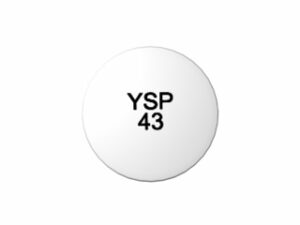
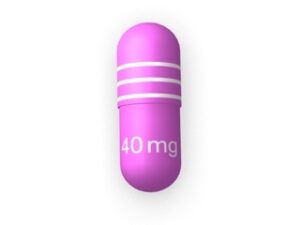
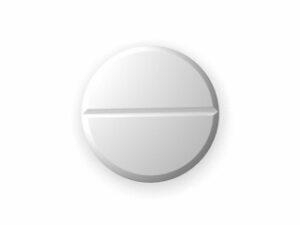
- How it comes: Usually as tablets/capsules in different strengths (e.g., 7.5 mg, 15 mg, 30 mg, 45 mg—strengths can vary by product)
- Category: Prescription medicine in Australia
Strengths and formulations can differ between products. Always check the specific pack you receive for the exact dose and instructions.
2) How mirtazapine works (mechanism of action)
Mirtazapine belongs to a class of antidepressants often described as noradrenergic and specific serotonergic antidepressants (NaSSAs). It works in the brain by affecting serotonin and noradrenaline signalling.
- Enhances noradrenaline release (through central alpha-2 receptor antagonism), which can support alertness and mood.
- Modulates serotonin activity (through specific serotonin receptor effects), which can improve mood and anxiety symptoms in some people.
- Antihistamine (H1) effects are responsible for some of the sedating properties, especially at lower doses, which may help with sleep.
Because it targets multiple receptors, mirtazapine may be helpful for people who have symptoms like insomnia or reduced appetite along with low mood.
3) Pharmacokinetics (how the body handles mirtazapine)
Pharmacokinetics describes absorption, distribution, metabolism, and elimination. While the exact numbers can vary, the general features are useful for understanding timing and interactions.
- Absorption: Mirtazapine is absorbed after oral dosing.
- Peak effects: Levels generally rise after taking a dose, with peak concentrations occurring a few hours after ingestion (varies by formulation and individual).
- Metabolism: Primarily metabolised in the liver (notably via CYP enzymes).
- Elimination: The medicine and its metabolites are cleared through the body, with an elimination half-life that supports once-daily dosing for many people.
- Steady state: Regular use leads to stable blood levels after about several days to a couple of weeks, depending on individual metabolism and dose.
If you miss a dose, do not “double up” without advice. Your prescriber or pharmacist can provide instructions tailored to your schedule.
4) Typical use: what it’s for
The most common use of mirtazapine is for major depressive disorder (depression). In clinical practice, it may be considered for other situations (such as certain anxiety disorders or sleep-related symptoms) depending on the person’s overall health and treatment plan.
It is also sometimes selected when:
- Depression is accompanied by poor sleep or insomnia
- There is reduced appetite or weight loss
- Other antidepressants have not been tolerated well
5) Timing and how to take mirtazapine
Many people take mirtazapine once daily, often in the evening due to potential sedating effects. Some dosing plans may split dosing (e.g., if instructed) but once-daily is common.
- Best time to take: Usually evening or at bedtime, especially if it makes you drowsy.
- Consistency helps: Try to take it at the same time each day.
- Give it time: Antidepressant benefits typically take 2–4 weeks (sometimes longer) to become clearly noticeable.
- Do not stop suddenly: Stopping can cause withdrawal-like symptoms; tapering is usually recommended under clinician guidance.
When to expect improvements (typical pattern):
| Symptom | When you might notice change |
|---|---|
| Sleep and restlessness | May improve earlier (days to 1–2 weeks) |
| Energy and appetite | Often improves over 1–3 weeks |
| Mood, interest, motivation | Typically 2–4+ weeks |
6) Food interactions
Food interactions with mirtazapine are generally limited. Many people can take mirtazapine with or without food.
- If you experience nausea, taking it with a light meal may help.
- Because mirtazapine may increase appetite in some people, monitor changes in eating patterns.
The most important interaction is with other medicines and substances (see below), rather than with food.
7) Alcohol and medicine interactions
Alcohol
It is generally recommended to avoid or minimise alcohol while taking mirtazapine. Alcohol can increase side effects such as:
- Drowsiness and impaired reaction time
- Dizziness
- Worsening mood or sleep quality
Other medicines
Mirtazapine can interact with other medicines. Your pharmacist can check compatibility based on your current medications, including prescription, over-the-counter products, and supplements.
Important interaction categories include:
- Other sedatives (e.g., benzodiazepines, sleep medicines, opioid pain medicines): may increase sedation.
- Medicines that affect serotonin (e.g., other antidepressants, triptans, some pain medicines like tramadol, linezolid): can increase the risk of serotonin syndrome.
- CYP metabolism modifiers: certain medicines can raise or lower mirtazapine levels, affecting effectiveness and side effects.
- Medicines that affect the blood: rarely, antidepressants can influence white blood cell counts; alert your clinician if you develop infections or mouth ulcers.
Always tell your healthcare team about any new medicines or supplements you start while taking mirtazapine.
8) Indications: when healthcare professionals consider it
Indications are clinical reasons a medicine is used. For mirtazapine, the primary indication is:
- Depression (major depressive disorder)
Sometimes, clinicians may consider it for related symptoms such as sleep disturbance and decreased appetite within a depressive picture. The exact decision depends on your history, previous treatments, and medical conditions.
If your symptoms are worsening, or you experience unusual behavioural changes, seek advice promptly.
9) Dosing information (general guidance)
Dosing varies by person. Your healthcare professional will determine the starting dose and adjustments based on your response and side effects.
General principles:
- Start low, go slow: Many people begin at a lower dose to minimise side effects.
- Titrate based on response: Dose may be adjusted after an adequate trial period.
- Once-daily dosing: Common, often in the evening/bedtime.
- Special populations: Older adults and people with liver impairment may require careful dosing.
Do not change your dose without medical advice. Even if you feel better, stopping too soon can lead to relapse.
If you have questions about the strength on your label (for example, 15 mg vs 30 mg), ask your pharmacist—this is a common point of confusion and they can help.
10) Safety profile: common and serious side effects
Like all medicines, mirtazapine can cause side effects. Many are mild and improve over time, while others require urgent medical attention.
Common side effects
- Drowsiness or sleepiness (often more noticeable early on)
- Increased appetite and weight gain
- Dizziness or light-headedness
- Dry mouth
- Constipation
- Fatigue
- Headache
Less common but important effects
- Blood count changes (rare): seek medical advice if you develop fever, sore throat, mouth ulcers, or frequent infections.
- Mania or hypomania (in people with bipolar disorder): watch for unusually elevated mood, irritability, reduced need for sleep, or risky behaviour.
- Severe skin reactions (rare): urgent care if you develop rash with blistering, facial swelling, or trouble breathing.
Seek urgent medical help if
- There are signs of serotonin syndrome: agitation, confusion, fever, sweating, tremor, diarrhoea, or severe muscle stiffness (more likely if combined with other serotonergic medicines).
- You experience thoughts of harming yourself or feel significantly worse—especially early in treatment or after dose changes.
- Uncontrolled dizziness, fainting, or severe allergic symptoms occur.
11) Practical use tips (how to get the best benefit)
- Plan for the first weeks: Initial drowsiness can affect driving or operating machinery. Avoid these activities until you know how you respond.
- Track side effects: If you notice increased appetite/weight gain, consider early lifestyle steps (balanced meals, regular movement).
- Sleep routines: Since mirtazapine may improve sleep, pair medication with consistent bedtime and wake times.
- Do not miss doses: If you miss one, follow the instructions provided with your medicine and label, or ask a pharmacist for advice.
- Be careful when changing doses: Changes can temporarily affect mood, sleep, and side effects.
- Use caution in older adults: Dizziness and falls risk can be higher. Rise slowly from sitting/lying positions.
If you feel you’re not improving, discuss timing and dose with your clinician—some people need adjustments or a longer trial.
12) Stopping mirtazapine safely
Stopping mirtazapine suddenly can lead to symptoms such as dizziness, nausea, irritability, anxiety, or flu-like feelings. A gradual taper is usually recommended.
- Do not stop without medical advice.
- Ask your pharmacist how to manage missed doses and tapering schedules.
- If you experience withdrawal-like symptoms, contact your healthcare team for a revised taper plan.
13) Alternative options (if mirtazapine isn’t suitable)
There are several antidepressant options. The best choice depends on your symptoms, side effect preferences, other health conditions, and past treatment history.
Common alternatives include:
- SSRIs (e.g., sertraline, fluoxetine, escitalopram): often first-line for depression and anxiety.
- SNRIs (e.g., venlafaxine, duloxetine): can help with mood and certain pain conditions.
- Other antidepressants such as bupropion (availability varies), tricyclic antidepressants (special cases), or agomelatine (where available).
- Non-medicine supports: psychotherapy (e.g., CBT), structured exercise, sleep and routine plans, and social support can complement medication.
Your clinician can explain why one option may suit you better, for example if sleep, weight, sexual side effects, or nausea are important considerations.
14) Mirtazapine in Australia: market and legal context
In Australia, many antidepressants including mirtazapine are regulated prescription medicines. This means supply is typically arranged through a pharmacist based on appropriate documentation and clinical assessment.
Health services in Australia also emphasise safe use of mental health medicines, including:
- Patient counselling on side effects and when to seek help
- Monitoring progress and managing dose changes carefully
- Awareness of risks such as increased suicidal thoughts in some people early in treatment (especially younger age groups)
Australian clinical guidance generally supports careful initiation, follow-up, and monitoring of antidepressant therapy, as well as integrating psychological support where appropriate.
15) Recent guidance and monitoring (what to keep in mind)
Mental health medication guidance evolves as new evidence becomes available. Common themes in contemporary guidance for antidepressants include:
- Follow-up early: checking in after starting or changing doses, especially in the first few weeks.
- Monitor suicidality: watching for worsening mood, agitation, or new suicidal thoughts during early treatment or dose changes.
- Assess comorbidities: bipolar disorder risk, substance use, anxiety severity, sleep disorders, and other medical conditions.
- Review side effects: appetite/weight, sedation, and any unusual symptoms (e.g., infections).
Your healthcare team may schedule review appointments and can help you adjust treatment if symptoms improve only partially or side effects are troublesome.
16) Delivery and availability (online pharmacy considerations in Australia)
Availability can vary based on product strength, formulation, and manufacturer stock. Many online pharmacies can supply common strengths, but delivery times may differ depending on location (metro vs regional) and stock status.
When ordering online, expect:
- Verification steps: online pharmacies typically confirm details and prescription documentation required for supply of prescription-only medicines.
- Packaging and labelling: products are supplied in original packaging with clear dosing instructions.
- Delivery options: dispatch times and delivery estimates vary; some services offer tracking.
To avoid delays, ensure your delivery address details are accurate and that you are available to receive the parcel.
17) FAQ
How long does mirtazapine take to work?
Some effects may be noticeable within the first 1–2 weeks, particularly sleep. Mood improvements typically take 2–4 weeks, and sometimes longer depending on the dose and individual response.
Should I take mirtazapine at night or in the morning?
Many people take it at night/bedtime because it can cause drowsiness. If you feel too sedated, your clinician may adjust timing. Follow your label instructions.
Can I take mirtazapine with food?
Yes. You can generally take mirtazapine with or without food. If nausea occurs, taking it with a meal may help.
Will mirtazapine make me gain weight?
Weight gain can occur in some people due to increased appetite. Not everyone gains weight, and changes can be managed with nutrition and activity. Report significant changes to your clinician.
Is it safe to drink alcohol while on mirtazapine?
It is usually best to avoid or minimise alcohol. Alcohol can increase drowsiness, impair coordination, and worsen mood or sleep.
Can I drive after taking mirtazapine?
Avoid driving or operating machinery until you know how mirtazapine affects you. In early days, sedation can impair reaction time for some people.
What should I do if I miss a dose?
Take the missed dose only if it is close to your scheduled time. If it’s near the next dose, skip the missed dose—do not double up. For personalised advice, ask your pharmacist.
What are warning signs that mean I should seek help urgently?
Seek urgent medical help for signs of severe allergic reaction, serotonin syndrome, significant worsening mood or suicidal thoughts, or symptoms suggesting infection with fever or mouth ulcers (rare blood count changes).
Can I stop mirtazapine suddenly?
Usually not. Stopping suddenly can cause unpleasant withdrawal-like symptoms. Tapering is typically recommended with support from your healthcare professional.
Summary
Mirtazapine is an antidepressant used to treat depression. It works by influencing serotonin and noradrenaline pathways, and it can also be sedating due to antihistamine effects—often making it useful for people with insomnia or appetite loss. Benefits often emerge over weeks, while some improvements in sleep may come earlier. Like all medicines, it has a safety profile, including possible drowsiness, weight/appetite changes, and rare but serious side effects. Regular follow-up, careful dosing, and attention to interactions—especially with alcohol and other sedating or serotonergic medicines—help ensure safer and more effective use in Australia.