Mobic (Meloxicam) – Patient-Friendly Guide (Australia)
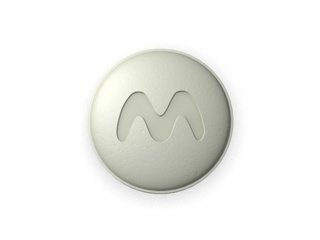
Mobic is a brand of meloxicam, a medicine from the non-steroidal anti-inflammatory drug (NSAID) family. It is commonly used to reduce pain and inflammation in conditions affecting the joints and muscles. This page explains how Mobic works, how it behaves in the body, when it’s typically taken, and the key safety considerations for Australian patients.
| Category | NSAID (anti-inflammatory pain relief) |
|---|---|
| Active ingredient | Meloxicam |
| Common strengths | Available in tablet strengths such as 7.5 mg and 15 mg (varies by product/region) |
| How it helps | Reduces inflammation, pain, and stiffness |
| Typical dosing style | Once daily for many indications (doctor/pharmacist directions apply) |
| Common timing | Often taken with food or after meals to reduce stomach discomfort |
Basic product information
Mobic contains meloxicam, an NSAID designed to provide pain relief and reduce inflammation. Many people use it for conditions such as osteoarthritis and rheumatoid arthritis. Because NSAIDs affect certain body chemicals involved in pain and inflammation, they can be effective—but they also carry important risks for some people.
How Mobic (meloxicam) works (mechanism of action)
Meloxicam works by blocking cyclo-oxygenase (COX) enzymes, which are involved in making prostaglandins. Prostaglandins contribute to:
- Pain sensitivity
- Inflammation and swelling
- Fever pathways
By reducing prostaglandin production, meloxicam can help relieve joint pain, stiffness, and inflammation. Like other NSAIDs, its effects depend on dose and duration, and the safety profile varies with individual risk factors (for example, stomach ulcers or heart/kidney disease).
Pharmacokinetics: what happens to Mobic in the body
Pharmacokinetics describes absorption, distribution, metabolism, and elimination. Understanding these helps explain dosing timing and why certain interactions matter.
Absorption
Meloxicam is generally well absorbed after oral dosing. It can reach peak levels in the bloodstream within a number of hours (commonly around a few hours). Food may slow absorption slightly but usually does not reduce overall effectiveness.
Distribution
Meloxicam is substantially bound to plasma proteins, meaning it largely travels in the blood attached to proteins.
Metabolism (breakdown)
The medicine is metabolised mainly in the liver. Metabolic pathways involve drug-metabolising enzymes, which explains why some medicines can interact by changing meloxicam levels.
Elimination
Meloxicam is eliminated primarily through urine and bile/faeces as metabolites. The drug has a relatively long terminal elimination phase, which is one reason why once-daily dosing is often used.
Typical uses and indications
Mobic is used for inflammatory and painful conditions affecting joints and soft tissues. Common indications include:
- Osteoarthritis (OA): helps manage pain and stiffness in joints.
- Rheumatoid arthritis (RA): helps reduce pain, swelling, and inflammation.
- Other musculoskeletal inflammatory conditions as advised by healthcare professionals.
Whether Mobic is suitable depends on the specific diagnosis, severity of symptoms, age, medical history, and risk factors (for example, previous stomach ulcers, kidney issues, or cardiovascular disease).
How to take Mobic: dosing, timing, and duration
General dosing approach
Dosing depends on the condition and patient factors. Many adults take meloxicam once daily, commonly starting at a lower dose and adjusting based on response and tolerability.
For the safest outcome, follow the dosing instructions on your label or those provided by a healthcare professional. Do not increase the dose to “catch up” if you miss a tablet.
When to take it
- With food or after meals to reduce the chance of stomach upset.
- Try to take it at the same time each day for consistent relief.
If you miss a dose
Take the missed dose when you remember if it is still within a reasonable time. If it is close to the next scheduled dose, skip the missed dose and continue as usual. Avoid doubling up.
How long to use it
NSAIDs are often used for short-term symptom control or for ongoing management of chronic inflammatory conditions. Your duration should reflect how well it works and your safety risk profile (stomach, kidney, and cardiovascular risks).
Timing with other medicines
Some medicines interact with NSAIDs or affect stomach/kidney function. The best timing depends on the interacting medicine. When possible:
- Keep a medicines list updated and share it with your pharmacist.
- Ask whether a gap in dosing is needed for medicines that affect acidity, such as some antacids, or for medicines that protect the stomach.
- Do not combine multiple NSAIDs unless specifically advised.
Food interactions: what to know
Food can influence stomach tolerance and may affect absorption slightly. In practice, meloxicam is often taken with meals to improve comfort. Key points include:
- With food: may reduce risk of indigestion or stomach irritation.
- Empty stomach: may increase the likelihood of nausea, stomach pain, or heartburn.
There are no widely recognised “forbidden” foods, but maintaining hydration and taking with food is generally helpful, especially for older adults and those at higher risk of stomach problems.
Alcohol interactions and safety
Combining NSAIDs with alcohol can increase the risk of stomach irritation and gastrointestinal bleeding. Alcohol can also worsen dizziness or increase the risk of dehydration, which can be hard on the kidneys.
- Avoid heavy or regular alcohol intake while taking meloxicam.
- If you drink alcohol, consider taking Mobic with food and keep alcohol to low amounts.
- Seek advice promptly if you experience black/tarry stools, vomiting blood, or severe stomach pain.
Medicine interactions: important combinations to discuss
Meloxicam interacts with several medicine groups. Always check your full list (including over-the-counter medicines and supplements) with a pharmacist.
NSAIDs and pain relievers
- Avoid combining with other NSAIDs such as ibuprofen, naproxen, diclofenac, or aspirin for pain relief, unless directed. Using multiple NSAIDs increases the risk of ulcers and bleeding.
Blood-thinning medicines
- Warfarin and similar medicines: increased bleeding risk.
- Antiplatelet medicines (e.g., clopidogrel): may increase bleeding risk when combined with NSAIDs.
- DOACs (such as apixaban, rivaroxaban, dabigatran): bleeding risk may increase.
Blood pressure and kidney-related medicines
- ACE inhibitors (e.g., perindopril), ARBs (e.g., losartan) and diuretics (water tablets): NSAIDs can affect kidney function, especially in older adults or those who are dehydrated.
Diabetes medicines and others
- Some medicines may be affected by changes in kidney function or bleeding risk. Always verify combinations if you take multiple chronic medications.
Medicines affecting the stomach lining
- Some stomach-protecting medicines (such as proton pump inhibitors) may be used if you are at higher GI risk; a pharmacist can advise based on your history.
Herbal supplements
- Some supplements (for example, those associated with bleeding risk) may need review.
Safety profile: who should be careful and warning signs
Like all NSAIDs, meloxicam can cause side effects. Most are mild to moderate, but serious complications can occur—particularly for people with certain risk factors.
Common side effects
- Indigestion, heartburn, nausea
- Stomach pain or discomfort
- Headache
- Dizziness
Serious risks (seek urgent help if symptoms occur)
Contact urgent medical services immediately or seek emergency care if you experience:
- Signs of stomach or bowel bleeding: black/tarry stools, vomiting blood, unusual severe stomach pain, dizziness/fainting
- Signs of allergic reaction: swelling of face/lips, difficulty breathing, wheezing, severe rash
- Chest pain, shortness of breath, weakness on one side: possible cardiovascular event
- Reduced urination, swelling in legs/feet: possible kidney problems
Who may have higher risk
- People with a history of stomach ulcers or gastrointestinal bleeding
- Older adults (risk increases with age)
- People with heart disease or significant cardiovascular risk factors
- People with kidney impairment or dehydration
- Those taking blood-thinners or multiple medicines that affect bleeding
Practical use tips for safer, more comfortable treatment
- Take with food if you get stomach upset.
- Use the lowest effective dose for the shortest time that achieves good symptom control (a general NSAID principle).
- Stay hydrated, particularly if you’re unwell, sweating a lot, or have diarrhoea/vomiting.
- Avoid alcohol or keep it minimal while using Mobic.
- Don’t combine NSAIDs (e.g., ibuprofen + meloxicam) unless your healthcare professional tells you to.
- Monitor symptoms—if pain improves but stomach symptoms worsen, reassess with a pharmacist or doctor.
- Be cautious if you drive or operate machinery: dizziness can occur in some people.
Alternative options for pain and inflammation
Depending on your condition, alternatives may include medicines and non-medicine strategies. Options your healthcare professional may consider include:
Other medicine options
- Paracetamol (acetaminophen): for pain relief, though it is not an anti-inflammatory medicine.
- Topical NSAIDs (e.g., gels for localised joint pain): may reduce systemic exposure compared with tablets.
- Other NSAIDs: different NSAIDs may be tried if appropriate and safe for you.
- For inflammatory arthritis: disease-modifying treatments may be relevant for long-term control in conditions like rheumatoid arthritis (your clinician will advise).
Non-medicine strategies
- Physiotherapy and exercise to maintain joint function
- Weight management (for osteoarthritis) to reduce joint load
- Heat/cold therapy and ergonomic changes
- Assistive supports where helpful
If you’re unsure which alternative is most suitable, a pharmacist can help compare options based on your symptoms and medical history.
Mobic in the Australian market: regulatory and legal context
In Australia, NSAIDs and prescription-only medicines are regulated through the Therapeutic Goods Administration (TGA) and governed by relevant state and federal legislation. In general, the availability of specific products can vary by whether a medicine is classified as prescription-only or pharmacist-only and the specific product formulation/strength.
Product availability and purchasing processes also depend on the online pharmacy’s compliance requirements and the medicine’s regulatory status. If a medicine is not classified for general sale, access may require additional professional assessment or documentation according to Australian rules.
Recent guidance and practical safety reminders (general)
Australian and international safety guidance for NSAIDs consistently highlights the importance of:
- Assessing risk for gastrointestinal bleeding, cardiovascular events, and kidney impairment.
- Using the lowest effective dose and reviewing ongoing need.
- Avoiding NSAID stacking (taking multiple NSAIDs together).
- Reviewing interacting medicines, especially anticoagulants, antiplatelets, and medicines affecting kidney function.
- Stopping and seeking medical advice if serious side effects occur.
Because individual risk varies, the “best” NSAID plan is personalised. If you have questions, consult a pharmacist who can help interpret your medication list and risk factors.
Delivery and availability (online pharmacy)
Mobic (meloxicam) is commonly available through pharmacies in Australia depending on regulatory classification, stock levels, and formulation. When ordering online, availability may vary by strength and pack size.
- Delivery: Many online pharmacies provide home delivery within metropolitan and regional areas. Delivery times and fees vary by provider.
- Packaging: Medicines are typically dispatched in tamper-evident packaging with clear labelling.
- Storage: Store tablets as directed on the product label, generally in a cool, dry place away from moisture and heat.
If you need the exact product strength or pack size, check the listing details before purchase.
FAQ: Mobic (meloxicam)
1) What is Mobic used for?
Mobic is used to relieve pain and inflammation in conditions such as osteoarthritis and rheumatoid arthritis (and other inflammatory musculoskeletal conditions, depending on the individual and product approval).
2) How quickly does Mobic work?
Many people notice pain relief within the first day, though the full benefit may take several days. The exact timing varies with the condition, dose, and personal response.
3) Should I take Mobic with food?
For many people, taking Mobic with food or after meals helps reduce stomach irritation. If you’re prone to indigestion, this is especially helpful.
4) Can I take ibuprofen or naproxen with Mobic?
It’s generally recommended to avoid combining NSAIDs unless a healthcare professional specifically directs it, because the risk of stomach bleeding and kidney problems can increase.
5) Can I drink alcohol while using Mobic?
It’s best to avoid or limit alcohol. Alcohol can increase the risk of stomach irritation and bleeding when combined with NSAIDs.
6) What should I do if I miss a dose?
Take it when you remember if it’s not close to the next dose. Otherwise, skip the missed dose and continue as normal. Don’t double up.
7) Who should be extra cautious with meloxicam?
Extra caution is advised for people with a history of stomach ulcers or bleeding, heart disease, kidney impairment, older age, dehydration, and those taking blood thinners or other medicines that increase bleeding risk.
8) What are warning signs that mean I should stop and seek help?
Seek urgent medical attention if you have black/tarry stools, vomiting blood, severe stomach pain, trouble breathing, facial swelling, chest pain, sudden weakness, or reduced urination/swelling.
9) Are there safer alternatives?
Alternatives may include paracetamol for pain, topical treatments for localised symptoms, physical therapy, and other arthritis treatments depending on the underlying condition. A pharmacist can help you compare options safely.
10) How should I store Mobic?
Store tablets according to the instructions on the pack—typically in a cool, dry place, and keep them out of reach of children.
Important: This guide provides general information about Mobic (meloxicam). If you have questions about suitability, dose, or interactions with your other medicines, speak with a pharmacist.