
Nortriptyline (Nortriptyline Hydrochloride) – Patient Information (Australia)
Nortriptyline is a well-established medicine from the group known as tricyclic antidepressants (TCAs). It is used in Australia for a range of conditions, most commonly to treat depression and to help reduce nerve-related pain and certain other chronic pain syndromes.
This page provides patient-friendly information on how nortriptyline works, how it behaves in the body, how it is typically taken, and important safety considerations—especially interactions with alcohol and other medicines.
Basic product information
| Feature | Details |
|---|---|
| Generic name | Nortriptyline (as Nortriptyline Hydrochloride) |
| Medicine type | Tricyclic antidepressant (TCA) |
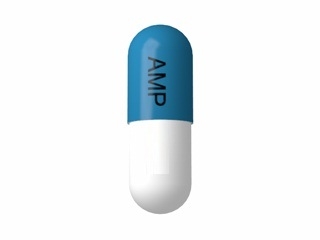
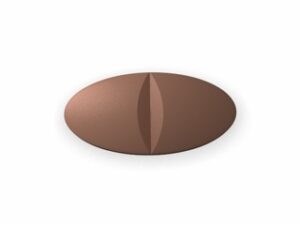
| Common formulations | Tablets or capsules (strengths vary by product) |
| How it is usually taken | By mouth, typically once or twice daily depending on the prescribed regimen |
| Typical onset | Some symptom improvement may be noticed in days for pain/sleep; full benefit for mood may take several weeks |
| Availability in Australia | Available through Australian pharmacies; patient access depends on local availability and prescriber guidance |
How nortriptyline works (mechanism of action)
Nortriptyline helps relieve symptoms mainly by affecting chemicals in the brain involved in mood and pain signalling. It primarily:
- Increases noradrenaline activity (it inhibits reuptake of noradrenaline).
- May also increase serotonin activity (less strongly than some other TCAs).
- Has actions on certain receptors that can influence pain perception, sleep, and anxiety.
In many chronic pain conditions, nortriptyline’s benefit is thought to come from its ability to modulate nerve signalling in the central nervous system.
Pharmacokinetics (what the body does to nortriptyline)
Pharmacokinetics describes absorption, distribution, metabolism, and elimination. While individual results vary, the following features are generally relevant for understanding how nortriptyline behaves:
- Absorption: Nortriptyline is absorbed after oral dosing. Peak blood levels usually occur within a few hours (commonly around 6–8 hours, though this can vary).
- Distribution: It distributes throughout body tissues, including the brain. It is highly protein bound.
- Metabolism: Nortriptyline is primarily metabolised in the liver by enzymes in the CYP system (notably CYP2D6).
- Elimination: Metabolites are excreted mainly in urine. The medicine has a relatively long half-life, meaning it can stay in the body for many hours (often around 18–44 hours depending on the person).
- Steady state: With regular dosing, it typically takes about one to two weeks to reach steady blood levels.
Because nortriptyline is metabolised and cleared over time, it’s important to take it consistently and to allow adequate time for effect. Missing doses or changing doses abruptly can cause symptoms to return or increase side effects.
Typical use in Australia
Nortriptyline is used for conditions including:
- Depression (major depressive episodes) when a TCA is appropriate.
- Neuropathic pain, such as nerve pain (for example, pain associated with diabetic neuropathy, post-herpetic neuralgia, or other chronic neuropathic conditions).
- Chronic pain conditions where nerve pain modulation may be helpful.
- Other off-label uses may occur depending on clinical judgment and local practice for specific symptoms (your healthcare professional can confirm the intended purpose for your situation).
If it is being used for pain or sleep-related symptoms, improvement may be noticed earlier than mood improvement—however this is individual.
Indications (when it’s commonly considered)
Clinicians consider nortriptyline for:
- Depressive illness in adults.
- Chronic nerve pain that may not respond fully to simple pain medicines.
- Situations where other medicines are not suitable due to effectiveness, tolerability, or medical history.
How to take nortriptyline (timing and practical guidance)
Your dosing plan should be individualised. The sections below describe common approaches used in clinical practice. Always follow the directions on your medicine label and the advice provided by your healthcare professional.
Timing
- Once-daily dosing: Many people take nortriptyline once daily, often in the evening, especially if it causes sleepiness or drowsiness.
- Twice-daily dosing: Some regimens split the dose to maintain steadier effects across the day.
- Consistency matters: Try to take it at the same time each day.
Starting and dose changes
Nortriptyline is commonly started at a low dose and gradually increased if needed, to improve tolerability and reduce side effects. Increasing dose too quickly can raise the risk of adverse effects.
What to do if you miss a dose
- If you remember soon after, you can take it if it doesn’t make the timing too close to the next dose.
- If it is near the next scheduled dose, skip the missed dose and continue as normal.
- Do not double up to make up for a missed dose.
Dosing (general information)
Dosing depends on the condition being treated, age, other medicines, liver function, and side effects. Typical ranges used in practice may vary widely.
- Adults: Doses are usually started low and adjusted gradually.
- Elderly: Lower starting doses are often used due to increased sensitivity to side effects (such as dizziness, constipation, and falls risk).
- Liver impairment: Dose adjustments may be needed.
- CYP2D6 interactions: Medicines that affect CYP2D6 can change nortriptyline levels and increase side effects.
If you are unsure about your dose or dosing schedule, check your medicine label or ask your pharmacist for clarification.
Food interactions
Food may influence how quickly nortriptyline is absorbed, but it generally does not require strict restrictions. Many people take it with or without food, depending on stomach comfort.
- If nortriptyline upsets your stomach, taking it after food may help.
- Avoid sudden, large dietary changes if you notice side effects—especially if you also use other medications that may interact.
Alcohol interactions
Combining nortriptyline with alcohol can increase sedation and impair coordination. This may raise the risk of falls, accidents, and slowed reaction times.
- Avoid or limit alcohol while taking nortriptyline.
- Be cautious with activities requiring alertness (such as driving) until you know how the medicine affects you.
If you drink alcohol regularly, discuss this with your healthcare professional to receive safe, personalised advice.
Medicine interactions (important)
Nortriptyline can interact with several medicines, sometimes in ways that increase side effects or affect heart rhythm. Always provide your pharmacist with a complete list of medicines and supplements you take.
Key interaction areas
- Other antidepressants: Combining with certain antidepressants can increase the risk of serotonin-related effects or other adverse reactions.
- MAO inhibitors: This combination is generally not used due to serious interaction risk.
- Medicines affecting heart rhythm: Some medications that prolong the QT interval may increase risk of rhythm problems when combined with TCAs.
- Strong enzyme inhibitors: Drugs that strongly inhibit CYP2D6 can raise nortriptyline levels, increasing side effects.
- Anticholinergic medicines: Combining with other anticholinergic drugs can worsen side effects like constipation, blurred vision, and dry mouth.
- Sedatives: Combining with benzodiazepines, opioids, sleeping tablets, or some antihistamines can increase drowsiness and breathing suppression risk (especially with opioids).
Examples of medicines commonly discussed (not exhaustive)
Your pharmacist can check specific interactions for your situation. Examples that are often reviewed include:
- Some antidepressants (including SSRIs and other TCAs)
- Antipsychotics
- Tramadol and other pain medicines that affect serotonin/noradrenaline pathways
- Antiarrhythmics and other heart rhythm medicines
- Anticonvulsants that change liver enzyme activity
- Certain antihistamines that can cause sedation or anticholinergic effects
If you start a new medicine while taking nortriptyline, ask whether it is safe to combine.
Safety profile and side effects
Like all medicines, nortriptyline can cause side effects. Many people experience mild or temporary effects when starting treatment, and these can improve as your body adjusts. However, some symptoms require urgent attention.
Common side effects
- Drowsiness or fatigue (often more noticeable early on)
- Dizziness, especially when standing up quickly
- Dry mouth
- Constipation
- Blurred vision
- Increased sweating
- Weight change (in some people)
- Sleep disturbances (either sleepiness or insomnia may occur)
- Nausea
Less common but important risks
- Heart rhythm effects: TCAs can affect electrical conduction in the heart. Risk is higher with overdose, underlying heart disease, electrolyte abnormalities, or interacting medicines.
- Orthostatic hypotension: feeling faint on standing due to lowered blood pressure.
- Confusion or delirium (more likely in older adults or with higher doses).
- Sexual side effects (can occur with antidepressants).
- Worsening mood or unusual behaviour: rare but important—monitor changes in mood and wellbeing, especially when starting or adjusting dose.
When to seek urgent medical help
Contact urgent care or emergency services immediately if you or someone else has symptoms such as:
- Fainting, severe dizziness, or signs of serious heart problems (e.g., chest pain, severe palpitations)
- Seizures
- Severe confusion or inability to stay awake
- Signs of an overdose (including severe sleepiness, vomiting, abnormal heart rate)
If you believe an overdose may have occurred, seek emergency help right away.
Practical use tips (making treatment easier)
- Start low and go slow: Follow titration instructions to improve tolerability.
- Be careful with driving: Until you know how you respond, avoid driving or operating machinery if you feel drowsy.
- Manage dry mouth: Sip water regularly; consider sugar-free lozenges. Good oral hygiene helps prevent dental problems.
- Prevent constipation: Increase dietary fibre and fluids if appropriate; consider discussing stool softeners with your pharmacist.
- Rise slowly: If you feel lightheaded, get up slowly from sitting or lying positions.
- Track symptoms: Keep a brief daily note of pain, mood, sleep, and side effects to support dose discussions with your clinician.
- Don’t stop suddenly: Stopping abruptly can lead to withdrawal-like symptoms. Reducing gradually is usually recommended.
Stopping nortriptyline (withdrawal and tapering)
Nortriptyline should not be discontinued abruptly without advice. Gradual dose reduction helps reduce the likelihood of discontinuation symptoms such as:
- Return or worsening of depression or pain symptoms
- Sleep disturbances
- Nausea, headache, or flu-like feelings
- Irritability or anxiety
If you want to stop, ask your healthcare professional for a safe tapering plan.
Alternative options
Depending on the condition being treated, other medicines may be considered. Your healthcare professional may choose alternatives based on your medical history, side effect risk, and interaction profile.
Alternatives for depression
- SSRIs (commonly used antidepressants)
- SNRIs (affecting serotonin and noradrenaline)
- Other antidepressants including mirtazapine or others, depending on individual circumstances
Alternatives for neuropathic pain
- Gabapentinoids (e.g., pregabalin or gabapentin)
- Other pain modulators (your clinician may consider combinations or different classes)
- Topical options for selected pain conditions
Non-medicine approaches (such as physiotherapy, sleep management, and nerve pain education) may also be helpful as part of a broader plan.
Market and legal context in Australia (general overview)
In Australia, medicines are regulated through the Australian Register of Therapeutic Goods (ARTG) and supplied according to national medicines scheduling and pharmacy requirements. Tricyclic antidepressants like nortriptyline are generally supplied under medicines access rules that may involve pharmacist and prescriber oversight.
Availability and product strength can vary between brands and wholesalers. If you need help finding a specific strength or brand, your pharmacist can advise on substitution options that remain clinically appropriate.
Please note: medicine requirements, access pathways, and guidance may change over time. Always rely on current information from your pharmacy or healthcare professional.
Recent guidance and monitoring (what to expect)
Ongoing clinical practice focuses on safe use of antidepressants and TCAs, including:
- Monitoring response and side effects after starting and following dose changes.
- Reviewing interactions at each medicine update.
- Assessing risk factors for heart rhythm issues (especially in people with heart disease or those taking interacting medicines).
- Considering mental health safety and monitoring for unusual changes in mood, agitation, or suicidal thinking—particularly at the start of treatment or when doses change.
- Checking for anticholinergic burden in older adults (constipation, urinary retention, dry mouth, confusion).
If you have existing heart disease, glaucoma, prostate/urinary problems, liver disease, or are taking multiple medicines, your pharmacist may recommend additional checks and careful dose planning.
Delivery and availability (online pharmacy information)
Nortriptyline products may be available through Australian pharmacies depending on stock and supply arrangements. Delivery options typically include express and standard shipping, with dispatch times varying by location and supplier.
- Check stock availability: Product strengths and brands can affect delivery timelines.
- Packaging: Medicines are usually delivered in protective packaging and sealed containers.
- Cold-chain: Nortriptyline tablets/capsules typically do not require refrigeration, but always follow storage instructions on your label.
- Lost or damaged deliveries: Contact the pharmacy promptly for resolution.
If you need the medicine urgently, select the fastest shipping option available or contact customer support for guidance.
FAQ – Frequently asked questions
1. How long does it take for nortriptyline to work?
For pain or sleep-related symptoms, some people notice improvement within days to one or two weeks. For depression, noticeable benefit often takes several weeks. Your prescriber may adjust dose gradually to improve response.
2. Should I take nortriptyline in the morning or at night?
Many people take it in the evening if it causes drowsiness. Others may tolerate morning dosing better. Follow your dose instructions and let your pharmacist know if drowsiness or insomnia becomes a problem.
3. Can I take it with food?
Yes, usually. If it upsets your stomach, taking it after food may help. Try to take it consistently in relation to meals.
4. Is nortriptyline safe with alcohol?
Alcohol can increase drowsiness and impair coordination when combined with nortriptyline. It is best to avoid or minimise alcohol and discuss your alcohol intake with your healthcare professional.
5. What are the biggest medicine interaction risks?
The main concerns include interactions with other antidepressants, sedatives, medicines affecting heart rhythm, and drugs that alter liver enzymes (especially CYP2D6). Always review your full medication list with your pharmacist before starting any new product.
6. What should I do if I feel very sleepy?
If drowsiness is severe, avoid driving and dangerous tasks. Contact your pharmacist or prescriber promptly—dose adjustment or timing changes may be necessary.
7. Can I stop taking it suddenly?
Generally, do not stop abruptly. Gradual reduction is usually recommended to reduce withdrawal-like symptoms and prevent return of symptoms.
8. Who should take extra care?
Extra caution is needed if you have heart disease, a history of fainting, seizures, glaucoma, urinary retention/prostate issues, liver impairment, or if you are older or taking multiple medicines.
9. Does nortriptyline cause weight gain?
Weight change can occur. Some people gain weight over time, while others do not. Monitoring weight and discussing diet and activity changes with your healthcare professional can help.
10. What should I store the medicine like?
Store it as directed on the label (typically at room temperature, protected from moisture and heat). Keep it out of reach of children.
Key takeaways
- Nortriptyline is a tricyclic antidepressant used for depression and certain chronic nerve pain conditions.
- It works by influencing brain chemicals involved in mood and pain.
- It has a relatively long half-life, so consistent daily dosing matters.
- Be cautious with alcohol and other sedating medicines.
- Because of possible effects on heart rhythm and other side effects, review interactions and safety concerns with your pharmacist.
If you have questions about your specific condition, dose timing, or side effects, your local pharmacist is a great first contact.