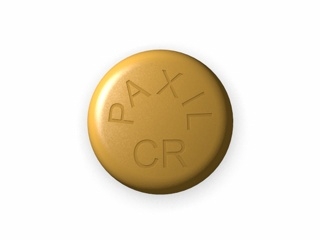


Paxil (Paroxetine) — Patient Information (Australia)
Paxil is a brand of paroxetine, a medicine from the antidepressant class known as Selective Serotonin Reuptake Inhibitors (SSRIs). It is used to treat a range of mental health conditions and related symptoms. This guide is designed to be easy to read and helpful for patients and carers. It does not replace advice from a healthcare professional.
1. Basic product information
| Category | Details |
|---|---|
| Medicine | Paxil (paroxetine) |
| Class | SSRI antidepressant |
| Common uses | Depression, anxiety disorders, and related conditions |
| How it works | Increases serotonin activity in the brain |
| Availability (AU) | Typically dispensed through pharmacies; availability depends on formulation and supply |
| How to take | Usually once daily; swallow whole as directed |
Important: Brand names and formulations vary. In Australia, paroxetine may be available in different strengths and presentations depending on manufacturer and local supply.
2. How Paxil (Paroxetine) works (mechanism of action)
Paroxetine primarily works by affecting a chemical messenger in the brain called serotonin.
- SSRIs mechanism: Paroxetine inhibits the serotonin transporter, reducing the reuptake of serotonin into nerve cells.
- Result: More serotonin remains available in the synaptic space, supporting improved communication between brain cells.
- Therapeutic effect timing: While serotonin changes may occur within hours, mood and anxiety symptoms usually take weeks to improve as brain pathways adapt.
3. Pharmacokinetics (how the body processes paroxetine)
Pharmacokinetics describes how the medicine is absorbed, distributed, metabolised, and eliminated.
- Absorption: Paroxetine is absorbed after oral dosing. Food can influence the speed of absorption for some formulations, but overall effects on total absorption are generally manageable with consistent use.
- Distribution: Paroxetine distributes into body tissues, including the brain.
- Metabolism: It is metabolised mainly in the liver via enzyme systems including CYP2D6. Genetic differences in CYP2D6 can affect blood levels in some people.
- Elimination: Metabolites are excreted primarily through the kidneys. Paroxetine is generally cleared more slowly than some other SSRIs, which can contribute to particular considerations when stopping.
- Half-life (general concept): Paroxetine tends to have a moderate-to-long half-life compared with some other SSRIs, but individual response varies.
Why this matters: Because paroxetine can have discontinuation symptoms in some people, changes to dose should be managed carefully and gradually under professional guidance.
4. Typical use and timing
Paxil is used for several mental health conditions. Treatment is usually started at a low dose and adjusted based on response and tolerability.
When can you expect improvement?
- Anxiety symptoms: Some improvement may begin in the first 1–2 weeks, but full benefit commonly takes several weeks.
- Depression: Typical onset of benefit is often around 2–4 weeks, with continued improvement over time.
- Other conditions: Improvement generally occurs gradually, with a similar multi-week pattern.
How to take Paxil
- Once daily: Often taken in the morning or evening depending on individual effects (e.g., sleepiness vs. activation).
- Consistency: Take at the same time each day to maintain stable levels.
- Swallowing: Follow instructions on the pack for your specific formulation.
If you miss a dose: If you remember soon after the scheduled time, take it. If it is close to the next dose, skip the missed dose. Do not double up.
5. Indications (what Paxil is used to treat)
Paxil (paroxetine) may be used in Australia for conditions such as:
- Depressive illness (including major depressive disorder)
- Obsessive-compulsive disorder (OCD)
- Generalised anxiety disorder (GAD)
- Panic disorder (with or without agoraphobia)
- Social anxiety disorder (social phobia)
- Post-traumatic stress disorder (PTSD) (in some cases, depending on clinical assessment)
- Other anxiety-related conditions as determined by your clinician
Use is guided by an individual assessment of symptoms, medical history, and risk factors.
6. Dosing (general guidance)
Dosing must be individualised. The information below is a general guide to help you understand how treatment is typically started. Always follow your dosing instructions from your healthcare professional and the product information for your specific formulation.
Starting and adjusting dose
- Doctors often start low and adjust gradually.
- Dose changes are usually made at intervals (for example, weekly or every few weeks), based on symptom response and side effects.
- Do not stop suddenly—paroxetine can cause discontinuation symptoms in some people.
Typical dosing pattern
Paroxetine dosing commonly ranges from low daily doses for initial treatment to higher doses for some anxiety disorders or OCD, depending on age and clinical situation.
- Adults: Dose range depends on the condition being treated.
- Older adults: May require lower doses and closer monitoring.
- Children and adolescents: Use is more restricted and depends on indication, local guidance, and careful monitoring.
Key practical point: If you experience side effects, your clinician may lower the dose, slow the titration, or switch to a different treatment.
7. Food interactions
For many people, paroxetine can be taken with or without food. Food mainly affects how quickly the medicine is absorbed rather than whether it is absorbed.
- If you find it upsets your stomach, taking it with food may help.
- Try to take the dose the same way each day to avoid fluctuations.
If your specific product instructions differ (e.g., particular formulations), follow the guidance on the pack.
8. Alcohol and medicine interactions
Alcohol
It is generally recommended to avoid or limit alcohol while taking paroxetine.
- Alcohol may worsen mood and anxiety symptoms.
- It can increase risks like dizziness, drowsiness, and impaired coordination.
- Combining alcohol with other medicines (including those that affect the brain) can raise the risk of serious side effects.
Other medicines (important interactions)
Paroxetine can interact with several medicine types due to effects on liver enzymes and serotonin pathways.
- Other antidepressants: Combining with certain antidepressants may increase risk of serotonin syndrome.
- MAO inhibitors: This combination is generally contraindicated due to serious interaction risk.
- Triptans (migraine medicines): May increase serotonin-related risk.
- Linezolid or methylene blue: Can increase serotonin syndrome risk.
- Tramadol or certain strong pain medicines: Can increase serotonin syndrome risk and other side effects.
- Anti-migraine and anti-nausea medicines: Some can add to serotonin effects.
- Blood thinners (e.g., warfarin): SSRIs including paroxetine may increase bleeding risk; monitor closely if used together.
- Non-steroidal anti-inflammatory drugs (NSAIDs) and aspirin: May also increase bleeding tendency.
- Medications affecting heart rhythm: Some medicines may affect electrical activity of the heart; your clinician may consider this.
- Enzyme interactions (CYP2D6): Some medicines can change paroxetine levels, affecting side effects or effectiveness.
Action to take: Before starting Paxil, tell your healthcare professional about all medicines, vitamins, and herbal products you take, including:
- St John’s wort (Hypericum perforatum)
- Cough and cold medicines
- Sleep aids and sedatives
- Migraine medicines
- Medications for nausea, pain, or mood
If you start or stop any medicine while on Paxil, check with your pharmacist or prescriber about interaction risks.
9. Safety profile (what to watch for)
Like all medicines, Paxil can cause side effects. Many are mild to moderate and improve with time, but some require prompt medical attention.
Common side effects
- Nausea, stomach upset
- Headache
- Sleep changes (sleepiness or insomnia)
- Dry mouth
- Increased sweating
- Fatigue or feeling restless
- Sexual side effects (reduced libido, delayed orgasm)
- Changes in appetite and, in some people, weight change
Serious but less common risks
Seek urgent medical advice if you experience any of the following:
- Suicidal thoughts or worsening depression—especially early in treatment or after dose changes. If you feel at risk of harming yourself, seek emergency help immediately.
- Serotonin syndrome symptoms, which may include:
- confusion
- fever
- shivering
- severe agitation
- fast heart rate
- muscle stiffness or tremor
- diarrhoea
- Mania or hypomania (elevated mood, unusually high energy, decreased need for sleep, impulsive behaviour).
- Abnormal bleeding (e.g., unusual bruising, black stools, vomiting blood), particularly if taking anticoagulants or NSAIDs.
- Hyponatraemia (low sodium): symptoms may include headache, confusion, weakness, or seizures—more likely in older adults or those taking diuretics.
- Allergic reactions: rash, swelling, breathing difficulties.
Discontinuation (stopping) symptoms
Stopping paroxetine abruptly can cause discontinuation syndrome in some people. Symptoms may include dizziness, nausea, headache, irritability, anxiety, “electric shock” sensations, and sleep disturbance.
- To reduce this risk, your clinician may suggest gradual dose reduction.
- Let your healthcare professional know if you have trouble tapering so they can adjust the plan.
Note: Not every person experiences discontinuation symptoms, and severity varies.
10. Practical use tips (making treatment easier)
Take it the same way every day
- Use a pill organiser if helpful.
- Choose a time that fits your routine and side-effect pattern.
- Keep a short checklist for the first few weeks (sleep, anxiety, appetite, nausea).
Managing early side effects
- Nausea: Taking with food or in the evening may help.
- Sleep changes: If it makes you sleepy, try evening; if it makes you wired, try morning—confirm with your clinician.
- Restlessness: Report it early; dose changes may be needed.
Safety planning and support
- If you feel at risk or your symptoms worsen, contact your doctor promptly.
- Consider involving a trusted person during the early weeks of treatment.
Driving and operating machinery
Paroxetine may cause drowsiness or dizziness in some people, especially when starting or after dose changes. Use caution until you know how it affects you.
11. Alternative options (if Paxil isn’t suitable)
If Paxil isn’t effective or is poorly tolerated, there may be other treatment options. Alternatives can include other SSRIs, different antidepressant classes, or non-medicine strategies.
Medication alternatives (examples)
- Other SSRIs such as sertraline or escitalopram
- SNRI antidepressants such as venlafaxine or duloxetine (for some anxiety and mood conditions)
- Other classes depending on diagnosis and patient factors
Non-medicine options
- Psychological therapy (e.g., CBT for anxiety and depression)
- Lifestyle measures such as sleep regularity, exercise, stress management, and social support
Discuss options with your clinician to find the safest and most effective plan for you.
12. Market and legal context for Australia
In Australia, medicines containing paroxetine are regulated under the Australian Therapeutic Goods Administration (TGA) framework. Availability in pharmacies and the way Paxil is supplied to patients follow Australian rules for prescription medicines and dispensing procedures.
- Pharmacy supply: Paxil is typically provided through licensed pharmacies with appropriate patient information and safety checks.
- Patient information: You should receive clear instructions on dosing, monitoring, and what to watch for.
- Monitoring: Clinicians may review your progress, side effects, and mental health status regularly, especially early in treatment or after dose changes.
Note: Local product availability can vary by strength, formulation, and supply. Your pharmacy can advise what is currently in stock or available via standard supply channels.
13. Recent guidance and clinical considerations
Clinical guidance for SSRIs in Australia and internationally commonly emphasises:
- Starting low and going slow for tolerability.
- Close monitoring in the initial weeks, particularly for worsening symptoms or changes in behaviour.
- Careful tapering when stopping, due to discontinuation risk with paroxetine.
- Serotonin syndrome awareness when combining serotonergic medicines.
- Bleeding risk consideration when SSRIs are used with NSAIDs/aspirin or anticoagulants.
- Awareness of hyponatraemia risk, especially in older adults or those on diuretics.
For the most up-to-date information, your doctor or pharmacist can reference the current product information and relevant local guidance documents.
14. Delivery and availability (online pharmacy overview)
Availability and delivery options can depend on stock levels, formulation strength, and your location within Australia. When ordering online:
- Stock checks: Many online pharmacies update availability frequently; if an item is temporarily out of stock, you may be offered alternatives or delivery timing updates.
- Packaging: Products are typically supplied in manufacturer packaging with patient information.
- Delivery timeframes: Delivery times vary by provider and location; you’ll usually see estimated timeframes at checkout.
- Confidential service: Discreet packaging is commonly used for prescription medicines.
If you need urgent supply, contact the pharmacy before placing the order so they can advise the best delivery option.
15. FAQ (Frequently asked questions)
How long does Paxil (paroxetine) take to work?
Many people notice some improvement in anxiety symptoms within the first 1–2 weeks, but full benefit often takes several weeks. Depression commonly improves over 2–4 weeks, with continued improvement thereafter.
Can I take Paxil with food?
Usually yes. Taking it with food may help if you experience nausea. Keep your routine consistent and follow the instructions on your specific product pack.
Is it safe to drink alcohol while taking Paxil?
It’s best to avoid or limit alcohol. Alcohol can worsen mood/anxiety and increase side effects such as dizziness or drowsiness.
What should I do if I miss a dose?
Take it when you remember unless it’s close to the next scheduled dose. If it is nearly time for the next dose, skip the missed dose. Do not take two doses at once.
Why shouldn’t I stop Paxil suddenly?
Paroxetine can cause discontinuation symptoms if stopped abruptly. A gradual taper under clinician guidance is usually recommended to reduce the risk and severity of symptoms.
What side effects are most common?
Common effects include nausea, headache, sleep changes, dry mouth, sweating, tiredness or restlessness, sexual side effects, and sometimes appetite or weight changes.
When should I seek urgent help?
Seek urgent medical attention for severe symptoms such as signs of serotonin syndrome, allergic reactions, significant bleeding, mania/hypomania, seizures, or any immediate concerns about safety.
Can Paxil interact with other medicines?
Yes. Tell your pharmacist or doctor about all medicines you take, especially antidepressants, migraine medicines, pain medicines (including tramadol), blood thinners, NSAIDs/aspirin, and herbal products like St John’s wort.
Are there alternatives if Paxil doesn’t suit me?
Yes. Options may include other SSRIs, other antidepressant classes, or psychological therapies such as CBT. Your clinician can recommend the best alternative based on your diagnosis and response.
How should I store Paxil?
Store according to the product pack instructions, usually at room temperature, protected from moisture and out of reach of children.
16. When to speak to your healthcare professional
Contact your doctor or pharmacist promptly if you:
- Have concerns about side effects or effectiveness
- Need to adjust or stop the medicine
- Are planning to start new medicines or herbal products
- Experience symptoms that could suggest a serious reaction
- Notice worsening mood, agitation, or unusual behaviour, especially during early treatment or after dose changes
Paxil (paroxetine) can help many people manage depression and anxiety-related conditions. With careful dosing, monitoring, and gradual changes when needed, treatment can be made safer and more comfortable.