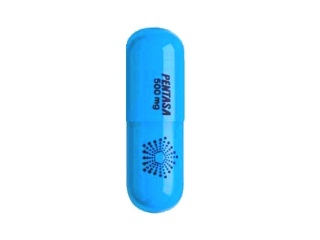

Pentasa (Mesalamine) – Patient Information (Australia)
Pentasa is a brand of mesalamine (also called 5-aminosalicylic acid, 5-ASA). It is an anti-inflammatory medicine used to treat certain conditions that affect the bowel, particularly inflammatory bowel disease (IBD).
This guide is designed to be patient-friendly and practical. It explains how Pentasa works, how it is used, what to watch for, and important interactions and safety information.
Key product information
- Medicinal ingredient: Mesalamine (5-ASA)
- Brand name: Pentasa
- Common forms: Typically oral prolonged/controlled-release granules or tablets (the exact presentation may vary by product strength)
- Used for: Ulcerative colitis and other selected inflammatory bowel conditions
- Main benefit: Reducing inflammation in the bowel and helping maintain remission
Note: Product strengths and dosage regimens can differ. Always follow your healthcare professional’s instructions and the packaging label for your exact product.
How Pentasa works (mechanism of action)
Mesalamine is a locally acting anti-inflammatory medicine. After you swallow it, the medication travels through the digestive tract and releases mesalamine directly in the bowel lining. The precise mechanism is complex, but key actions include:
- Reducing inflammatory signals within the intestinal wall
- Modulating immune activity in the gut
- Acting on inflammatory pathways (including oxidative stress and mediator production)
- Helping maintain a calmer bowel environment so symptoms are controlled and flare-ups are reduced
Important: Pentasa primarily targets the bowel rather than the whole body. This is why symptoms often improve over days to weeks, depending on the condition being treated and the individual response.
Pharmacokinetics (what the body does with it)
Pharmacokinetics describes how the medicine is absorbed, distributed, metabolised, and eliminated. For mesalamine preparations like Pentasa, the “local action” in the intestine is a major feature.
Absorption and release in the gut
- Mesalamine is formulated so it can release through the intestinal tract.
- Absorption is generally limited compared with the amount that acts in the bowel.
Metabolism
- When mesalamine is absorbed, it is largely metabolised to N-acetyl-5-aminosalicylic acid (N-Ac-5-ASA).
Excretion
- Metabolites and a portion of drug-related compounds are removed from the body mainly through the kidneys and urine.
Clinical implication
Because kidney elimination is involved, kidney health is an important consideration. People with kidney impairment may need closer monitoring (your clinician will advise what applies to you).
What Pentasa is used for (indications)
Pentasa is used to treat and manage inflammatory bowel conditions, most commonly:
- Ulcerative colitis (UC):
- Inducing remission (helping symptoms settle during a flare)
- Maintaining remission (helping prevent relapse)
- Other bowel inflammation scenarios: Depending on local clinical practice and product specifics, mesalamine formulations may be used in selected cases where 5-ASA therapy is appropriate.
Ask your pharmacist or clinician if you are unsure whether Pentasa is intended for UC maintenance, flare treatment, or another IBD-related indication in your situation.
Typical dosing and timing
Dosing depends on the condition, severity, and the specific product formulation (e.g., granules vs tablets, strength per unit). A common approach in IBD is that mesalamine is taken consistently to maintain bowel anti-inflammatory effect.
Always follow your prescribed direction and the dosing instructions on your product packaging.
How to take it (general guidance)
- Take the medicine regularly at the times directed by your healthcare professional.
- Many mesalamine regimens are taken once or multiple times daily depending on your dose and formulation.
- Swallow whole if your product is designed as such (do not crush unless the product instructions say it is safe).
- If using granules, do not alter them unless advised. Follow the leaflet for your exact Pentasa product.
When it starts working
- Some people notice symptom improvement within days.
- For others, it can take several weeks to reach full benefit.
- Maintenance benefit generally requires ongoing use as advised.
Table: Typical dosing patterns (illustrative)
| Purpose | Common daily approach | Notes |
|---|---|---|
| Ulcerative colitis flare (induction) | Higher total daily dose may be used | Your exact regimen depends on severity and formulation |
| Ulcerative colitis maintenance | Lower total daily dose may be used than induction | Consistency is important to reduce relapse |
This table provides general patterns only. Your actual dosing should be checked against your medication label and clinical plan.
Food interactions and what to eat
Mesalamine formulations such as Pentasa are generally taken with attention to how the product is designed to release in the intestine. Many patients can take Pentasa with food or after food if it suits their stomach, but follow the directions on your specific product packaging.
Practical food tips
- If Pentasa upsets your stomach, consider taking it with a meal (unless your leaflet advises otherwise).
- Maintain regular meal timing to help you remember doses.
- Do not skip meals to “force” timing—consistency is usually more important.
Alcohol and bowel health
While alcohol does not directly “neutralise” mesalamine in the way some medicines do, alcohol can affect the gut and may trigger or worsen GI symptoms in some people with IBD.
Alcohol interactions
There is no universal requirement that you avoid alcohol completely while taking Pentasa. However, because ulcerative colitis and other IBD conditions can be sensitive to triggers, alcohol may:
- Increase the risk of gut irritation
- Worsen diarrhoea or cramping in some individuals
- Make it harder to judge whether symptoms are due to your IBD or other causes
Patient-friendly advice: If you choose to drink alcohol, consider small amounts first and observe how your symptoms respond. If your IBD is currently flaring, it is often wise to avoid alcohol until you are stable.
Medicine interactions (what to tell your pharmacist)
Interactions depend on your personal medicines, kidney function, and medical history. The most relevant considerations for mesalamine include medicines that affect the kidneys and blood thinning/bleeding risk.
Common interaction themes
- Kidney-related medicines: Medicines that can stress kidney function may increase risk of kidney side effects. Examples can include some anti-inflammatory medicines and other nephrotoxic agents.
- Blood thinning medicines: Some anti-inflammatory medicines (including certain NSAIDs) and other agents may affect bleeding risk. Mesalamine does not necessarily behave like a blood thinner, but clinicians may still monitor closely.
What to do
- Provide your pharmacist a full list of your medicines, including over-the-counter products and supplements.
- If you are taking NSAIDs (for pain/arthritis) or other medications that might affect kidneys, ask whether they are safe for you to use alongside Pentasa.
- If you start any new medicine, check with your pharmacist if it is compatible with your mesalamine therapy.
Do not stop any medicine to start Pentasa—seek advice for a safe transition plan if your regimen is changing.
Safety profile: side effects and when to get help
Many people tolerate Pentasa well. However, like all medicines, it can cause side effects. Some are common and mild; others are rare but important.
Common side effects
- Nausea or mild stomach upset
- Headache
- Diarrhoea or abdominal discomfort (can be hard to distinguish from IBD symptoms)
- Gas or indigestion
Less common but serious reactions (seek advice promptly)
- Allergic-type reactions (rash, itching, swelling, breathing difficulty)
- Worsening colitis symptoms after starting (significant increase in diarrhoea, severe cramping, fever)
- Kidney problems (e.g., decreased urination, unusual swelling, persistent flank/back pain, or abnormal blood/urine tests)
- Liver problems (yellowing of skin/eyes, dark urine, persistent unusual fatigue)
- Blood count changes (unexplained bruising, persistent sore throat/fever)
Emergency advice: Seek urgent medical help if you develop signs of a serious allergic reaction (trouble breathing, swelling of face/lips/tongue) or severe worsening of symptoms.
Monitoring in the real world
Clinicians commonly recommend periodic monitoring while on mesalamine, particularly:
- Kidney function (blood tests such as creatinine/eGFR)
- Urine tests when appropriate
- Full blood count (when clinically indicated)
- Liver tests (when clinically indicated)
Your pharmacist or doctor will advise your monitoring schedule based on your health status.
Practical use tips for best results
- Take it at the same times daily to maintain steady bowel anti-inflammatory effects.
- Don’t stop suddenly just because symptoms improve. Maintenance often requires continued treatment.
- Track symptoms (bowel frequency, urgency, blood in stool, abdominal pain) to spot trends early.
- Plan for refills so you don’t run out—missed doses can increase flare risk.
- Check expiry dates on your packaging, and store as directed (usually away from moisture and heat).
- Use a reminder (phone alarm, calendar) for your next dose.
How long should you use Pentasa?
Duration depends on your diagnosis and whether the aim is to induce remission or maintain it. Many people with ulcerative colitis benefit from longer-term 5-ASA therapy under clinician guidance.
If you feel symptoms have improved, it is still important to discuss whether to continue, reduce, or change therapy—stopping without advice may increase relapse risk.
Alternative options
There are several treatments available for ulcerative colitis and other IBD conditions. Your clinician will choose options based on severity, location of disease, previous response, and safety considerations.
Mesalamine alternatives (similar goals)
- Other 5-ASA formulations (e.g., different brands or dosing schedules, such as delayed-release or rectal formulations, depending on the condition)
- Rectal therapies for distal disease (e.g., suppositories/enemas) may be added if symptoms are more localised
Non-5-ASA options (depending on severity)
- Corticosteroids for flare control in some cases (generally not for long-term maintenance)
- Immunomodulators for people who do not respond adequately
- Biologic medicines and other targeted therapies
- Supportive care such as diet optimisation, hydration, and symptom-focused treatments
Your pharmacist can explain which options are available in Australia and how they differ in purpose, speed of effect, and safety profile.
Market and legal context in Australia
In Australia, medicines are regulated through the Therapeutic Goods Administration (TGA). Mesalamine products such as Pentasa are supplied according to Australian product approval, labelling, and pharmacy requirements.
Depending on the formulation and strength, products may be available via licensed pharmacies and may be subject to specific supply pathways (including pharmacist counselling requirements). For online pharmacy purchasing, you should ensure the product is supplied by a reputable, licensed provider and that the medicine matches the approved Australian product.
Always check:
- That the product name and strength are correct
- That the instructions on the label match your dosing plan
- That you understand storage and administration directions
Recent guidance and clinical considerations
Clinical guidance for ulcerative colitis and mesalamine use can evolve as new evidence emerges. In recent years, key themes in IBD care have included:
- Early, consistent treatment to achieve and maintain remission
- Treat-to-target strategies (symptom control plus markers of inflammation as appropriate)
- Ongoing monitoring for safety, particularly kidney health with 5-ASA therapy
- Individualised therapy based on disease extent and severity
Your treating clinician and pharmacist can share the most current, guideline-aligned approach for your condition and your health history.
Delivery and availability (Australia)
Pentasa is typically available through Australian pharmacies and selected online pharmacy services. Availability may vary by:
- Strength and formulation (granules vs tablets)
- Package size (number of doses per pack)
- Current pharmacy stock and distribution schedules
Delivery considerations:
- Most oral medicines are shipped at ambient conditions (unless the product label states otherwise).
- Delivery times depend on your location and the courier provider.
- Some pharmacies may provide tracking and delivery updates via email or SMS.
When ordering, double-check the brand name, strength, and form match what you need, and keep your packaging for the dose instructions.
FAQ
1) Is Pentasa the same as mesalamine?
Yes. Pentasa is a brand name of mesalamine. Mesalamine is also known as 5-aminosalicylic acid (5-ASA).
2) How long does Pentasa take to work?
Some people notice improvement within days, but for many, it takes several weeks to achieve full benefit. Maintenance benefits require continued use as advised.
3) Can I take Pentasa with food?
In many cases, it can be taken with food if it helps tolerability. Follow the specific instructions for your Pentasa product on the packaging leaflet, as formulations may differ.
4) What if I miss a dose?
If you miss a dose, take it when you remember unless it is close to the time of your next dose. Avoid doubling up. If you are unsure, ask your pharmacist for guidance.
5) Should I avoid alcohol completely?
There is no single rule that you must avoid all alcohol. However, alcohol may worsen gut symptoms in some people with IBD. If you choose to drink, start with small amounts and monitor your symptoms.
6) Does Pentasa treat Crohn’s disease?
Pentasa is primarily used for ulcerative colitis. Some mesalamine use may be considered in other inflammatory bowel settings, but effectiveness and recommended use can vary by diagnosis and clinical evidence. Ask your clinician about the most appropriate treatment for your specific condition.
7) What should I do if I think I’m having an allergic reaction?
Stop and seek medical help promptly for symptoms like swelling of the face/lips/tongue, rash with breathing difficulty, or severe worsening after starting. For mild skin changes, contact your healthcare provider for advice.
8) How will my kidney function be monitored?
Your doctor may arrange periodic blood tests (e.g., creatinine/eGFR) and sometimes urine tests. The frequency depends on your risk factors and duration of therapy.
9) Are there alternatives if I don’t tolerate Pentasa?
Yes. Options include other 5-ASA formulations (different release patterns or dosing schedules) or different IBD therapies depending on disease severity and response. Your pharmacist can discuss what alternatives are available.
10) Where can I find dosing instructions?
Dosing instructions are on your medication label and in the product consumer medicine information (CMI). If you are unsure, contact your pharmacist—small differences in formulation can change how the medicine should be taken.
Summary
Pentasa (mesalamine) is a bowel-targeted anti-inflammatory medicine commonly used to treat ulcerative colitis. It helps reduce inflammation in the intestinal lining and can support both flare control and long-term remission when taken consistently. Because mesalamine can affect kidneys in some people, monitoring and safety awareness are important.
If you have questions about how to take Pentasa, potential interactions with other medicines, or what side effects to watch for, speak with your pharmacist or healthcare professional for personalised advice.