
Phenazopyridine
Phenazopyridine is a urinary pain-relieving medicine used to ease symptoms such as burning, stinging, irritation, and discomfort when passing urine. It is designed to provide temporary symptom relief while the underlying cause of urinary discomfort (often a urinary tract infection) is assessed and treated.
This guide explains what phenazopyridine does, how it works, how to take it safely, common interactions, and what to expect. It is written for people in Australia and includes general market and safety context.
Basic product information
- Active ingredient: Phenazopyridine
- Common use: Symptomatic relief of urinary tract discomfort
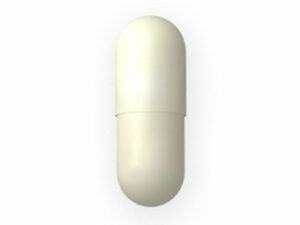
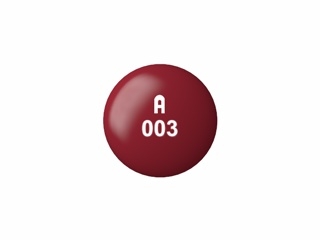
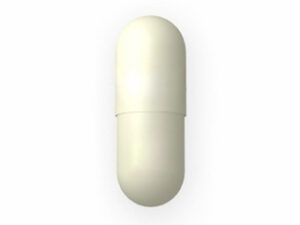
- Form(s): Usually tablets/capsules (brand formulations may differ)
- When it works: Typically soon after taking, with short-term use
- Important note: It treats pain, not the cause of infection.
Phenazopyridine is widely used as a urinary analgesic. Your symptoms may improve quickly, but you should still seek appropriate medical care if you suspect an infection or if symptoms persist.
How phenazopyridine works (mechanism of action)
Phenazopyridine acts mainly as a topical urinary tract analgesic. After absorption, it is excreted into the urine, where it helps soothe irritation of the urinary lining (urothelium). This reduces the sensation of burning and pain associated with urinary tract inflammation or irritation.
In practical terms, phenazopyridine can make urination feel less painful and reduce urgency discomfort, but it does not eradicate bacteria or directly treat infection.
Pharmacokinetics (what the body does to the medicine)
The exact timing can vary by person and formulation, but key pharmacokinetic features include:
- Absorption: Taken by mouth; absorbed into the bloodstream.
- Distribution: Reaches tissues and is eventually cleared.
- Excretion: Mainly excreted by the kidneys into urine, which is why it can relieve urinary symptoms.
- Urine colour change: It commonly turns urine orange/red. This is an expected effect and helps confirm it is working for symptom relief.
- Metabolism: Phenazopyridine is metabolised in the body; metabolism and elimination may be affected by kidney function.
Because clearance depends on kidney function, people with reduced renal function may be at higher risk of adverse effects and should avoid unnecessary or prolonged use.
Typical use and timing
Phenazopyridine is used for short-term relief of urinary symptoms such as:
- Burning or stinging when passing urine
- Urinary urgency and irritation
- Pain associated with bladder irritation
It is often taken for symptom control while waiting to be assessed for the underlying cause (e.g., urinary tract infection, bladder irritation, or other conditions).
When should you take it?
- Often taken after meals to improve tolerability (see “Food interactions” below).
- Start after symptoms begin and follow the recommended maximum duration on the pack and/or clinician instructions.
- Do not continue longer than intended for symptom relief, especially if symptoms persist.
Indications (what it’s used for)
Phenazopyridine is indicated for the temporary relief of symptoms of irritation of the urinary tract, including pain, burning, and discomfort during urination.
It may be used when symptoms are consistent with urinary tract irritation while further evaluation is arranged. If you suspect infection, you should not rely on pain relief alone.
Common situations
- Suspected urinary tract infection (UTI): Helps the burning/irritation while the cause is addressed.
- Bladder irritation: Symptom control may be helpful for short durations.
- After medical procedures: Sometimes used as short-term symptom relief as advised by a healthcare professional.
Dosing (general guidance)
Dosing can vary depending on the strength of the product, age, and kidney function. Always follow the instructions on the pack or the directions provided by your healthcare professional.
General dosing patterns you may see:
- Adults: Common regimens are taken up to three times daily, typically after meals.
- Children: Use only if advised by an appropriate healthcare professional; dosing must be age/weight-specific.
- Maximum duration: Phenazopyridine is generally intended for short-term use. Avoid prolonged use without medical review.
Kidney or liver impairment: If you have kidney disease, reduced kidney function, or significant liver problems, ask a clinician before use. Reduced clearance increases the risk of unwanted effects.
If you miss a dose: Take it when you remember unless it’s close to the next dose. Do not double up.
Food interactions
Phenazopyridine is often better tolerated when taken with or after food. Food may reduce stomach upset.
Practical advice
- Take with a meal or snack if you experience nausea.
- Stay hydrated, especially during urinary symptoms.
- Avoid taking on an empty stomach if it causes irritation or discomfort.
There are no widely recognised “must avoid” foods, but individual tolerability varies. If you notice stomach side effects, switch to taking after meals.
Alcohol and medicine interactions
Because phenazopyridine can cause side effects (including dizziness in some people), it is generally wise to limit or avoid alcohol while taking it. Alcohol may worsen dehydration and can increase irritation during urinary symptoms.
Alcohol
- Recommendation: Avoid or minimise alcohol while using phenazopyridine, particularly if you feel unwell.
- Reason: Alcohol can contribute to dehydration and may increase dizziness or nausea.
Medicines
Phenazopyridine has the potential to interact with certain tests and to be affected by kidney function. Specific drug–drug interactions depend on your medication list and product strength.
- Kidney-affecting medicines: If you take medicines that affect kidney function, discuss with a clinician.
- Urine test interference: Phenazopyridine may colour urine orange/red and can interfere with interpretation of some urine tests.
- Other medicines for infection or pain: Generally phenazopyridine can be used alongside appropriate treatments for infection, but follow professional advice and product instructions.
If you are taking other medicines, keep a list and ask your pharmacist to confirm safe use.
Safety profile (important precautions)
Most people tolerate phenazopyridine well when used for the short term as directed. However, like all medicines, it can cause side effects and may be unsafe for certain groups.
Common side effects
- Orange/red urine: Expected; can stain clothes and contact lens cases.
- Stomach upset: Nausea or mild gastrointestinal discomfort (often reduced by taking after meals).
- Headache
- Dizziness (some people)
Serious side effects (seek urgent medical advice)
Stop use and seek urgent help if you experience:
- Signs of allergy: rash, swelling (face/lips), severe itching, wheezing, or trouble breathing
- Severe or persistent nausea/vomiting
- Confusion, extreme fatigue, or unusual weakness
- Breathing difficulty or chest discomfort
- Yellowing of the skin/eyes (jaundice) or dark urine beyond the expected orange/red
- Blood disorders symptoms: unusual bruising, persistent sore throat, or fever
Serious reactions are uncommon but can occur, particularly with higher doses, prolonged use, or in people with impaired kidney function.
Who should be cautious or avoid
- Kidney impairment: Higher risk of medicine accumulation and toxicity.
- People with G6PD deficiency: May be at increased risk of certain blood-related side effects.
- Pregnancy and breastfeeding: Discuss with a clinician before use.
- Children: Use only under proper guidance.
If you have any history of adverse reactions to phenazopyridine or similar medicines, do not self-treat—seek advice.
Practical use tips
These tips can help you use phenazopyridine safely and comfortably:
- Expect urine colour change: Orange/red urine is normal. It can stain bathroom fixtures or underwear.
- Check test timing: If you have a urine test planned, inform the clinician or lab that you’ve taken phenazopyridine, as it may affect results.
- Hydrate: Drink water regularly (unless you have a fluid restriction from a clinician).
- Don’t mask serious symptoms: If you have fever, flank/back pain, or feel very unwell, seek medical assessment.
- Short-term only: Use for symptom relief as directed; persistent symptoms need proper evaluation.
- Keep away from excess heat and moisture: Store as per pack instructions.
When to seek medical help
Pain relief doesn’t treat infection or other underlying causes. Consider prompt medical review if you have:
- Fever or chills
- Back/flank pain (pain in the side or lower back)
- Vomiting or significant feeling of being unwell
- Blood in urine (beyond expected dye-related effects)
- Symptoms that last longer than expected or keep recurring
- Pregnancy, kidney disease, diabetes, immune suppression, or recurrent UTIs
- In men: urinary symptoms warrant earlier review because causes may differ.
If you’re unsure, a pharmacist can help triage whether home symptom management is appropriate.
Alternative options for urinary symptom relief
Depending on the suspected cause, alternatives may include:
Non-medicine supportive measures
- Hydration: Regular water intake can help flush the urinary tract.
- Warmth: A warm compress can ease lower abdominal discomfort.
- Avoid bladder irritants: Reduce caffeine, alcohol, and very acidic fluids if they worsen burning.
Medication alternatives (symptom-focused)
- Analgesics: Pain relief medicines such as paracetamol may help general discomfort (follow product directions).
- Other urinary analgesics: Some countries have other urinary pain-relieving agents; availability varies.
If infection is suspected, the most important “alternative” is addressing the underlying condition rather than relying on symptom relief alone.
Market and legal context for Australia
In Australia, the ability to purchase and supply medicines depends on their classification and the rules that apply to that category. Availability can vary by:
- State/territory supply arrangements and pharmacy policies
- Strength/formulation
- Whether a product is over-the-counter or supply-limited under Australian arrangements
For urinary symptom relief products, consumers may encounter combinations or different formulations. Always check the active ingredient on the label before use.
Branding and strength: Phenazopyridine products may differ in strength (mg per tablet) and in dosing instructions based on local product design. Follow the instructions specific to the pack you receive.
Recent guidance and safety updates (general)
Healthcare guidance internationally and in Australia commonly emphasises:
- Short-term use for symptom control rather than treating the underlying cause.
- Avoiding use with significant kidney impairment unless advised.
- Not delaying assessment in the presence of fever, flank pain, or severe illness.
- Informing clinicians about urine colour changes to prevent misinterpretation of test results.
If you want the most up-to-date local guidance for urinary symptoms, consult your pharmacist or a GP, especially for recurrent symptoms or complex health conditions.
Delivery and availability
Phenazopyridine availability may vary depending on the specific product strength and local supply rules. When offered through an online pharmacy, you can typically expect:
- Product listing that states the active ingredient, strength, and pack size
- Clear dosing instructions in the product description or on-pack directions
- Dispatch timelines and standard shipping options within Australia
Delivery timeframes depend on stock and location. You should receive tracking or dispatch updates if available for your order.
Storage on arrival: Keep tablets/capsules in the original packaging, stored as directed (often below 30°C, away from moisture), and out of reach of children.
FAQ
1) Does phenazopyridine cure a UTI?
No. Phenazopyridine provides temporary relief of pain and burning. It does not remove bacteria or treat the cause of a urinary tract infection. If you suspect infection, arrange proper assessment and follow recommended treatment.
2) Why is my urine orange/red?
That is a common expected effect of phenazopyridine. It confirms the medicine is being excreted into urine. It may stain clothing or bathroom surfaces.
3) Can phenazopyridine affect urine test results?
Yes. It can colour urine and may affect interpretation of some urine tests. Tell your clinician or the testing service if you’ve taken phenazopyridine so they can interpret results appropriately.
4) How quickly does it work?
Many people notice symptom relief relatively soon after taking it. If you’re not improving within the expected short time frame, seek medical advice—persistent symptoms may indicate a condition that needs specific treatment.
5) Can I drink alcohol while taking it?
It’s best to avoid or minimise alcohol while using phenazopyridine. Alcohol can worsen dehydration and may increase dizziness or nausea.
6) What if my symptoms come back after finishing phenazopyridine?
Symptom recurrence can mean the underlying issue wasn’t addressed. Get medical assessment, especially if symptoms keep returning, if you’re male, pregnant, or have risk factors.
7) Is it safe if I have kidney problems?
Caution is needed. Because phenazopyridine is cleared by the kidneys, reduced kidney function may increase risk. Ask a pharmacist or clinician before use if you have kidney disease or reduced kidney function.
8) Should I take it on an empty stomach?
Many people find it more comfortable after meals. If you experience nausea or stomach upset, take it with food or after a snack.
9) Can phenazopyridine be used in pregnancy or breastfeeding?
Safety can vary depending on individual circumstances. Speak with a healthcare professional before use if you are pregnant or breastfeeding.
10) What are the warning signs that mean “don’t just self-treat”?
Seek prompt medical advice if you develop fever, chills, back/flank pain, vomiting, significant worsening symptoms, or if symptoms persist beyond a short period.
Summary table
| Topic | What to know |
|---|---|
| Purpose | Temporary relief of burning, stinging, and urinary pain |
| Does it treat infection? | No—phenazopyridine relieves symptoms but does not cure UTIs |
| How it works | Topical urinary analgesic effect after excretion into urine |
| Onset | Often relatively soon after taking (varies by person) |
| Urine colour | Orange/red urine is expected; may stain |
| Food | Often better tolerated after meals |
| Alcohol | Avoid or minimise; may worsen dehydration/dizziness |
| Key safety concern | Risk increases with prolonged use or kidney impairment |
| When to seek help | Fever, flank pain, vomiting, worsening symptoms, persistent symptoms |
Final reminder: Phenazopyridine can make urinary symptoms more bearable, but it is important to address the underlying cause. If you’re unsure what’s causing your symptoms, or if they don’t improve quickly, speak with a pharmacist or GP for personalised advice.