

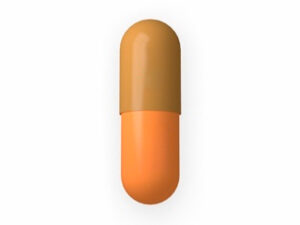
Poxet (Dapoxetine) – Patient-Friendly Guide (Australia)
Poxet is a medicine containing dapoxetine, used to treat premature ejaculation. This guide explains how it works, how to take it, what to expect, and important safety information. It is written for patients in Australia and uses general educational information to help you discuss the option with a healthcare professional.
| Product | Poxet |
|---|---|
| Active ingredient | Dapoxetine |
| Common use | Premature ejaculation |
| How it’s taken | By mouth, taken as needed before sex (on-demand dosing) |
| Typical dosing frequency | Often up to once daily, based on individual response and safety |
| Key timing | Taken shortly before sexual activity (commonly 1–3 hours prior) |
Key points to know
- On-demand treatment: Poxet is designed to help you control ejaculation during sexual activity when taken before sex.
- Not for everyone: Certain heart rhythm conditions, liver problems, and medicine interactions can make it unsafe.
- Common side effects: Nausea, dizziness, headache, diarrhoea, and fatigue may occur, especially in the first few doses.
- Avoid alcohol and interacting medicines: Alcohol may worsen dizziness and faintness. Some medicines (especially certain antidepressants and heart rhythm medicines) can be dangerous together.
What is premature ejaculation and how does Poxet help?
Premature ejaculation is commonly described as ejaculation that occurs sooner than desired, often with difficulty delaying ejaculation. It can cause distress for you and your partner.
Poxet (dapoxetine) helps some men delay ejaculation by acting on specific brain pathways involved in ejaculation timing.
Basic product information
- Medicine name: Poxet
- Active ingredient: Dapoxetine
- ATC/Drug class (general): Selective serotonin reuptake inhibitor (SSRI) used specifically for premature ejaculation
- Form: Tablets (strengths vary by market; check the pack for your exact dose)
Mechanism of action (how it works)
Dapoxetine increases the level and activity of serotonin (5-HT) in the brain by blocking the serotonin transporter (SERT). This supports serotonin signalling that is involved in sexual function and ejaculation control.
In clinical terms, this can help:
- Increase intravaginal ejaculatory latency time (IELT) in many users
- Improve perceived control over ejaculation
- Reduce distress associated with premature ejaculation
Pharmacokinetics (how the body handles Poxet)
Pharmacokinetics describes absorption, distribution, metabolism, and elimination.
Absorption
- After oral dosing, dapoxetine is absorbed from the gastrointestinal tract.
- Peak blood levels typically occur within a few hours (time to peak can vary).
Distribution
- Dapoxetine is widely distributed throughout the body, and protein binding occurs.
- The exact extent depends on patient factors and dose.
Metabolism
- Dapoxetine is primarily metabolised in the liver (notably via CYP enzyme pathways).
- This is one reason liver impairment can increase risk of side effects.
Elimination
- Metabolites are cleared mainly via the kidneys (urine) and other routes.
- The overall clearance supports on-demand use, but safety still depends on avoiding interacting medicines.
Typical use and expected results
Poxet is used for on-demand treatment of premature ejaculation. Many people notice benefit after a few attempts, while others may need dose adjustments or a plan to minimise side effects.
It is usually used as part of an overall approach that may also include communication with your partner and behavioural strategies.
Indications (who Poxet is for)
Poxet is indicated for the treatment of premature ejaculation in adult men, according to local product information and clinical assessment.
Dosing: how to take Poxet
Always follow the dosage instructions provided with your product and the advice of a healthcare professional. The information below is general.
Starting dose and adjustments
- Commonly, treatment starts with a lower dose to test tolerance.
- If tolerated, dose adjustments may be considered based on effectiveness and side effects.
- Do not exceed the maximum daily dose stated for your product.
On-demand timing
Typical guidance is to take Poxet about 1–3 hours before sexual activity, depending on how you respond and what is stated on the pack or by your clinician.
- If you feel side effects are bothersome, talk to a healthcare professional about dose/timing adjustments.
- Consistency in timing may help you predict tolerability and benefit.
How to take it
- Swallow the tablet with water.
- Avoid crushing or altering the tablet unless your pack instructs otherwise.
- Keep track of when you take each dose and how you feel (particularly dizziness or nausea).
Missed dose
Poxet is not usually taken as a daily missed-dose medication. If you miss a planned dose, take it only when you next plan sexual activity, following timing guidance and your safety limits.
Food interactions: what to know
Food can affect how quickly dapoxetine is absorbed. Many patients find it still works when taken with or without food, but timing may influence peak levels and side effects.
- For some people, taking on an empty stomach may lead to faster onset (which can be helpful but may increase nausea or dizziness).
- Taking with a light meal may reduce stomach upset for some users, but may delay onset.
Practical tip: Once you find a tolerable pattern (for example, with a light snack or with empty stomach), try to keep it consistent.
Alcohol interactions (important)
Combining Poxet with alcohol can increase risk of:
- Dizziness
- Fainting or feeling light-headed
- Falls and injuries
- Potential worsening of nausea
Recommendation: To reduce risk, it’s generally advised to avoid alcohol or keep alcohol to a minimum when taking Poxet, especially during the first attempts.
Medicine interactions: be careful
Dapoxetine has clinically important interactions, mainly related to liver metabolism and serotonin effects.
High-risk interaction groups
Seek medical advice before using Poxet with any other medicines, particularly:
- Other serotonergic medicines (for example, certain antidepressants such as SSRIs/SNRIs, MAO inhibitors, and other serotonin-increasing therapies)
- Medicines that affect heart rhythm (some drugs can affect electrical activity of the heart)
- Strong CYP inhibitors (medicines that can increase dapoxetine levels, raising side effect risk)
- Liver-affecting medicines or those that suggest liver impairment
Examples of interaction categories (not exhaustive)
- Depression/anxiety medicines: Some antidepressants and other psychiatric medications may increase serotonin-related side effects.
- Antibiotics/antifungals: Some can inhibit metabolism pathways and raise dapoxetine levels.
- HIV medicines: Some anti-HIV drugs can strongly affect metabolism.
- Heart medications: Particularly those influencing QT/proarrhythmic risk (medical guidance is essential).
How to reduce interaction risk
- Tell a healthcare professional or pharmacist about all medicines you take, including occasional and “as needed” drugs.
- Include supplements (for example, herbal products) and recreational substances.
- Do not start or stop antidepressants or other major medicines without professional advice.
Safety profile: side effects and who should avoid Poxet
Common side effects
Side effects are often dose-related and may improve as you adapt.
- Nausea
- Dizziness or feeling light-headed
- Headache
- Diarrhoea
- Fatigue
Less common but serious risks
Report any concerning symptoms urgently. Seek medical attention if you experience:
- Fainting or near-fainting
- Severe dizziness, chest pain, or palpitations
- Allergic reaction (swelling of face/lips, breathing difficulty, rash)
- Signs of serotonin syndrome (rare but serious): agitation, fever, sweating, tremor, diarrhoea, confusion, or muscle stiffness—especially when combined with serotonergic medicines
Who may be at higher risk / possible contraindications
Do not self-determine suitability. Many patients must be screened for conditions such as:
- Significant heart rhythm problems or certain cardiac history
- Moderate to severe liver impairment
- History of fainting or conditions predisposing to fainting
- Use of certain medicines that strongly interact with dapoxetine
Your healthcare professional can assess your personal risks based on your medical history and medication list.
Practical use tips (to improve safety and comfort)
- Start carefully: The first few doses may be when side effects are most noticeable. Take when you can be in a comfortable environment.
- Hydration matters: Dehydration can worsen dizziness. Drink water as appropriate.
- Move slowly: If you feel light-headed, sit or lie down until the feeling passes.
- Avoid alcohol: Keep alcohol to a minimum or avoid on dosing days.
- Track your response: Note the time you took it, whether you ate, and any side effects. This helps refine timing.
- Don’t “double up”: If a planned attempt is delayed, avoid taking extra doses—ask a clinician if timing changes are needed.
How to know if it’s working
Clinically, effectiveness is often judged by:
- Improved ability to delay ejaculation
- Reduced distress about timing
- Increased time to ejaculation during intercourse
However, individual experiences vary. If you’re not noticing benefit, review dose/timing and medication suitability with a healthcare professional.
Alternative options for premature ejaculation (Australia)
Poxet is one option. Depending on your situation, your clinician may consider other approaches:
Behavioural and psychological strategies
- Communication and behavioural techniques
- Stop-start techniques
- Pelvic floor exercises (often alongside professional guidance)
Other medications
- Some men may be offered medicines used off-label or according to local clinical practice where appropriate (this depends on Australian guidance and individual assessment).
- Selection depends on side effect profiles, existing conditions, and current medication use.
When to seek more help
- If premature ejaculation is new or associated with pain, erectile difficulties, or mood changes, a medical review is important.
- For persistent concerns, a structured plan with a GP or sexual health specialist can help.
Market and legal context in Australia
In Australia, medicines are regulated through the national regulatory framework overseen by the Therapeutic Goods Administration (TGA). Whether a medicine is listed on the Australian Register of Therapeutic Goods and under what conditions (including prescribing requirements) depends on product registration and classification.
As safety and availability can vary by product strength and brand, always check the exact packaging details and the information on the TGA website or via a pharmacist if you’re unsure.
Recent guidance and safety awareness
Safety updates for medicines can occur over time, including changes to warnings about interacting medicines, precautions for specific populations, and product information updates.
- Always check the latest product information included with your pack.
- Review new medication changes (especially antidepressants, antibiotics, antifungals, or heart medicines) before taking Poxet.
- If you’ve started any new medicine since your last dose, speak with a healthcare professional or pharmacist before continuing.
Delivery and availability (online pharmacy)
Availability and supply can vary. A reputable online pharmacy in Australia should provide:
- Clear product identification (brand, active ingredient, strength)
- Current stock status and estimated delivery times
- Secure payment and privacy protections
- Transparent delivery costs and return/refund policies (where applicable)
Delivery tip: If you travel or have unpredictable schedules, plan delivery so your medication is stored correctly and available when needed.
Frequently Asked Questions (FAQ)
1) How long before sex should I take Poxet?
Typical on-demand timing is about 1–3 hours before sexual activity. Your product instructions and healthcare advice should be followed for your specific dose and situation.
2) Can I take Poxet every day?
Poxet is commonly used as needed. Some guidance may allow use up to a certain maximum frequency (often not exceeding once per day). Follow the maximum dose limits on your pack and the plan from a healthcare professional.
3) What if I ate before taking Poxet?
Food may change absorption speed. Many people still benefit regardless of meals, but for some, timing affects side effects like nausea or dizziness. If you notice a pattern, try consistent timing (for example, always with a light meal).
4) Can I drink alcohol?
Alcohol can increase dizziness and fainting risk. To improve safety, it’s generally advised to avoid alcohol or keep it to a minimum when taking Poxet.
5) What medicines should I avoid?
Some interactions can be serious, particularly with certain antidepressants, other serotonergic medicines, strong enzyme inhibitors, and some heart rhythm medicines. Always check your full medication list with a pharmacist.
6) What should I do if I feel dizzy?
If you feel light-headed, sit or lie down immediately. Do not drive or do risky activities until you feel well. If dizziness is severe, persistent, or leads to fainting, seek medical advice urgently.
7) Is Poxet the same as an SSRI for depression?
Dapoxetine is an SSRI-like medicine and shares a serotonin mechanism, but it is specifically used for premature ejaculation on an on-demand schedule. Its use and risk considerations differ from depression treatments.
8) Can Poxet treat erectile dysfunction (ED)?
Poxet targets ejaculation timing and control rather than erectile function. If you have ED symptoms, discuss them with a healthcare professional for appropriate evaluation and treatment.
9) When should I stop and get medical help?
Stop using Poxet and seek medical attention if you experience fainting, chest pain, severe or persistent dizziness, signs of an allergic reaction, or symptoms suggestive of serotonin syndrome—especially if you are taking other serotonergic medicines.
10) Does it work right away?
Many users are taking it before a sexual attempt when onset is expected. Individual response can vary; some may notice improvement early, while others may require dose/timing refinement under professional guidance.
Summary
Poxet (dapoxetine) is an on-demand treatment for premature ejaculation that works by increasing serotonin signalling in the brain. It is taken before sex (commonly 1–3 hours prior) and can improve ejaculation control for many men. Because side effects such as dizziness and nausea can occur—and because interactions (including with alcohol and certain medicines) may be serious—safe use depends on careful screening, appropriate timing, and a complete medication review with a pharmacist or healthcare professional.
Always refer to the product pack instructions and seek professional advice for personalised guidance, especially if you have heart problems, liver conditions, a history of fainting, or you take other medicines.