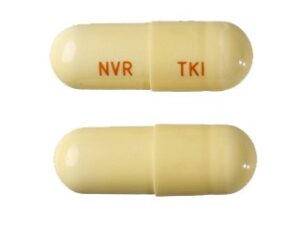



Rheumatrex (Methotrexate) — Patient Guide (Australia)
Rheumatrex is a brand of methotrexate, a medicine used to treat several inflammatory and autoimmune conditions. It works by reducing overactivity of the immune system and controlling inflammation. This page explains how methotrexate works, how it is commonly used, what to expect, key safety information, and practical tips for everyday use in Australia.
Important: Methotrexate requires careful monitoring. Always follow your healthcare professional’s instructions and the medicine label. Do not start, stop, or change your dose without advice.
Quick facts
- Medicine: Methotrexate
- Brand: Rheumatrex (Rheumatrex)
- Common forms: Tablets (commonly) and sometimes other formulations depending on the product
- How it’s taken: Usually once weekly for inflammatory conditions (a key safety point)
- Best known for: Rheumatoid arthritis, psoriatic arthritis, and certain skin diseases and inflammatory conditions
- Monitoring: Regular blood tests (e.g., blood counts, liver function, kidney function)
Basic product information
Rheumatrex contains methotrexate, an anti-metabolite that alters immune and inflammation pathways. Methotrexate may be used alone or in combination with other treatments depending on your condition.
| Category | Information |
|---|---|
| Active ingredient | Methotrexate |
| Typical dosing schedule | Often once weekly for inflammatory/autoimmune diseases |
| Primary effect | Reduces inflammatory activity and abnormal immune responses |
| Key safety focus | Blood counts, liver effects, lung effects, and kidney function |
| Monitoring | Regular lab tests and clinical review are usually required |
How Rheumatrex works (mechanism of action)
Methotrexate is a folate analogue that affects the way cells use folate. In inflammatory diseases, it helps reduce immune-driven inflammation through multiple mechanisms, including:
- Inhibiting enzymes
- Reducing inflammatory mediator production and dampening immune activation
- Promoting anti-inflammatory signalling pathways (including effects linked to adenosine, a molecule involved in calming inflammation)
The result is decreased swelling, pain, stiffness, and disease activity over time.
Pharmacokinetics (how the body handles methotrexate)
“Pharmacokinetics” describes absorption, distribution, metabolism, and elimination. While exact values vary by dose, formulation, and individual factors, the overall pattern is:
- Absorption: Methotrexate is absorbed from the gastrointestinal tract. Food can affect absorption in some people.
- Distribution: It distributes into body tissues and can accumulate in areas relevant to inflammatory activity.
- Metabolism: Methotrexate is metabolised mainly in the liver to active/inactive metabolites (and polyglutamate forms). These can influence how long it works.
- Elimination: Methotrexate and metabolites are eliminated largely via the kidneys. Kidney function strongly affects clearance.
- Half-life: The effective “time course” may be longer than expected because of intracellular retention of metabolites, which supports the weekly dosing schedule.
Because methotrexate relies partly on kidney clearance and is processed through the liver, changes in kidney function, liver health, alcohol use, and certain interacting medicines can increase risk.
Typical use in Australia (indications)
Methotrexate is commonly used for autoimmune and inflammatory conditions. Depending on the person and the formulation, it may be prescribed for:
- Rheumatoid arthritis (including active disease in adults)
- Psoriatic arthritis
- Severe psoriasis (particularly where other approaches are unsuitable)
- Other inflammatory conditions (including certain vasculitis and inflammatory disorders) as guided by a specialist
Your clinician will consider factors such as disease severity, prior treatments, your other health conditions, pregnancy plans, and test results when deciding if methotrexate is appropriate.
When to take Rheumatrex (timing and schedule)
A major safety point with methotrexate is that it is usually taken on a once-weekly schedule for many inflammatory indications.
- Choose one day of the week (e.g., Monday) that fits your routine.
- Take it the same day each week unless your healthcare professional instructs otherwise.
- Do not take daily to “make up” a missed dose.
If you miss a dose: Contact your healthcare professional or pharmacist promptly for advice. Do not double up unless specifically told. Because methotrexate is commonly weekly, taking it on the wrong schedule can be dangerous.
How long until it works? Many people notice improvement within several weeks, but it may take longer (often 8–12 weeks or sometimes more) to achieve the best effect. During this period, you may also need other symptom relief medicines.
Food interactions (and practical eating tips)
Food can influence methotrexate absorption for some people, though the clinical impact varies between formulations and individuals. To reduce variability:
- Follow your medicine instructions exactly (some people are advised to take with water and consistently in relation to meals).
- If the medicine label or your pharmacist advised a particular approach, stick to that routine.
- If you experience stomach upset, you can ask your pharmacist whether taking it with food is appropriate for your formulation.
Also consider overall nutrition:
- Maintain adequate fluid intake.
- Discuss folate supplementation (often prescribed to reduce certain side effects). Do not start folate supplements on your own unless advised.
Alcohol and medicine interactions
Alcohol
Alcohol can increase the risk of liver injury when combined with methotrexate. Many clinicians recommend minimising or avoiding alcohol during treatment, especially if you have other liver risk factors.
- Discuss your alcohol intake with your doctor.
- If liver blood tests rise, your clinician may advise stricter avoidance.
Common medicine interactions
Methotrexate can interact with other medicines through kidney clearance, liver metabolism, or effects on blood cells. Always tell your healthcare professional about all medicines and supplements, including over-the-counter products.
Examples of medicines that may interact (not exhaustive):
- NSAIDs (e.g., ibuprofen, naproxen) — can affect kidney function and methotrexate levels in some settings
- Proton pump inhibitors (e.g., omeprazole) — may affect methotrexate elimination in certain circumstances
- Antibiotics such as trimethoprim/sulfamethoxazole — may increase risk of blood count suppression
- Other immunosuppressants (when combined) — may increase infection risk
- Vaccines — live vaccines may not be recommended during immunosuppression; ask your doctor
- Medications affecting kidneys (e.g., some diuretics or certain blood pressure/heart medicines) — may change methotrexate clearance
Herbal and “natural” products: Some supplements may affect liver enzymes or immune function. Check with your pharmacist before using new products.
Dosing (general guidance)
Methotrexate dosing depends on the condition, your body size, age, kidney function, and results from baseline and follow-up blood tests. Doses may also be adjusted over time. Therefore, use the dosing schedule provided by your healthcare professional.
General pattern: For many inflammatory/autoimmune conditions, methotrexate is taken once weekly, often starting at a lower dose and increasing gradually if needed and tolerated.
What “once weekly” really means
- Methotrexate is not taken every day for these indications.
- The weekly dose should be taken on the agreed day.
- Using a weekly calendar reminder can reduce errors.
Typical escalation and monitoring (example, not personal dosing)
- Start at an initial dose (commonly low-to-moderate for many conditions)
- Assess response and side effects over several weeks
- Adjust dose if appropriate
- Conduct regular blood tests as directed
Your clinician may also prescribe folic acid/folate to reduce certain side effects such as mouth sores or gastrointestinal symptoms. If folate is part of your plan, take it exactly as instructed.
Safety profile and side effects
Like all medicines, methotrexate can cause side effects. Many people tolerate it well when the dose is appropriate and monitoring is performed. However, certain adverse effects require urgent medical attention.
Common side effects
- Nausea or indigestion
- Fatigue
- Headache
- Mouth ulcers or sore gums
- Hair thinning (less common)
- Temporary changes in liver blood tests
Serious risks (seek medical help urgently)
Contact a healthcare professional immediately (or seek urgent care) if you develop:
- Signs of infection: fever, chills, persistent sore throat, or unusual infections
- Shortness of breath, dry cough, or breathing difficulty (possible lung inflammation)
- Severe or unusual bruising/bleeding (low blood counts)
- Severe vomiting, inability to keep fluids down, or signs of dehydration
- Yellowing of the skin/eyes or dark urine (possible liver problem)
- Rash with swelling or trouble breathing (possible allergic reaction)
Monitoring and why it matters
Methotrexate can affect blood cell production and liver function, and can rarely affect the lungs. Monitoring usually includes:
- Full blood count (FBC) to check for anaemia, low white cells, or low platelets
- Liver function tests (e.g., ALT/AST and others)
- Kidney function tests (e.g., creatinine)
Your clinician may also assess risk factors such as obesity, diabetes, hepatitis status, and existing liver disease.
Pregnancy, fertility, and breastfeeding considerations
Methotrexate can harm an unborn baby. If you are pregnant, planning pregnancy, or could become pregnant, discuss urgent next steps with your healthcare professional. Similarly, men should discuss family planning, as methotrexate may affect fertility.
- Do not use during pregnancy unless specifically advised under specialist direction.
- Breastfeeding: discuss with your clinician before using methotrexate.
- Use reliable contraception as advised.
Practical use tips (to get the best outcomes and reduce mistakes)
- Use a weekly calendar reminder for your methotrexate day. This is one of the most important safety steps.
- Store safely out of reach of children and follow label storage instructions (often at controlled room temperature).
- Keep consistent routines (same time of day, same approach to meals) unless advised otherwise.
- Hydrate and manage nausea early if it appears. Tell your pharmacist or clinician—there are often strategies to help.
- Attend blood tests on schedule. Missing monitoring can lead to preventable complications.
- Inform all healthcare providers (including dentists and urgent care) that you are taking methotrexate.
- Plan vaccinations in advance. Avoid live vaccines unless your clinician says otherwise.
Alternative options (if methotrexate is not suitable)
Treatment for inflammatory and autoimmune conditions is individualised. If methotrexate is not effective or not tolerated, clinicians may consider other options depending on the diagnosis and severity.
Common alternatives
- Other conventional DMARDs (disease-modifying anti-rheumatic drugs) such as:
- Sulfasalazine
- Hydroxychloroquine
- Leflunomide
- Biologic medicines (target specific immune pathways), sometimes used if conventional therapy is insufficient
- Targeted synthetic DMARDs (small molecule medicines for selected conditions)
- Symptom control medicines such as anti-inflammatory pain relief or steroids for short-term flare management (as guided by your clinician)
Your clinician will consider the risks, monitoring requirements, and your overall health (including infections, liver function, and kidney function) when choosing an alternative.
Australia market and legal context (overview)
In Australia, methotrexate products are regulated as medicines and are supplied under applicable Therapeutic Goods Administration (TGA) and state/territory requirements. Availability may vary by formulation and brand.
- Quality and safety: Medicines in Australia must meet regulatory standards for quality, safety, and effectiveness.
- Supply considerations: Availability can be influenced by stock levels and logistics, including import or manufacturing schedules.
- Clinical governance: Because methotrexate has important safety monitoring requirements, prescribers and pharmacists typically emphasise regular blood tests and correct dosing schedules.
Always check the packaging and product information for your specific Rheumatrex tablet strength and instructions.
Recent guidance and best-practice monitoring (high-level)
Medical practice evolves. Guidance for methotrexate commonly emphasises:
- Correct weekly dosing (to prevent accidental daily ingestion)
- Baseline assessment before starting (including blood tests and evaluation of liver/kidney status)
- Regular blood monitoring during treatment
- Vaccination planning and infection risk awareness
- Prompt evaluation of respiratory symptoms due to rare but serious lung effects
Your healthcare professional may tailor monitoring frequency to your dose, your test results, and your individual risk factors.
Delivery and availability
Availability of Rheumatrex (methotrexate) can vary depending on tablet strength and local supply. When ordering online, delivery timelines may depend on:
- Stock availability at the time of dispatch
- Your location within Australia
- Standard transport and peak shipping periods
To avoid running out, consider ordering ahead of time and plan around scheduled blood tests or medication review appointments. If you need an urgent supply, check with the pharmacy team before placing the order.
FAQ
1) Why is methotrexate taken once weekly?
For many inflammatory and autoimmune conditions, the dosing schedule is once weekly because of how methotrexate and its metabolites behave in the body and because daily dosing greatly increases the risk of toxicity. Always follow the exact schedule on your label.
2) If I feel better, should I stop Rheumatrex?
Often, methotrexate is used to keep disease under control. Even if symptoms improve, stopping suddenly can lead to flare-ups. Discuss any changes with your clinician before stopping.
3) What blood tests will I need?
Common monitoring includes a full blood count (FBC), liver function tests, and kidney function tests. The frequency depends on your dose, stability, and risk factors.
4) Can I take folic acid with methotrexate?
Many treatment plans include folic acid/folate to reduce side effects. Use only the amount and timing your healthcare professional recommends.
5) Is it safe to drink coffee or tea?
Generally, moderate consumption of coffee and tea is acceptable. If you experience stomach upset, consider adjusting your intake. Always prioritise medical advice for your personal situation.
6) What should I do if I miss a weekly dose?
Contact your pharmacist or healthcare professional for guidance. Do not take an extra dose to compensate unless explicitly instructed.
7) What side effects mean I should seek urgent help?
Seek urgent medical attention for signs such as fever or infection, shortness of breath or persistent dry cough, severe bruising/bleeding, severe vomiting or dehydration, or symptoms suggesting liver problems (e.g., yellow skin/eyes).
8) Can I take pain relievers like ibuprofen?
Some pain relievers (including NSAIDs) may interact with methotrexate or affect kidney function in certain circumstances. Ask your pharmacist or clinician which options are safest for you.
9) Are vaccinations safe?
Vaccination advice depends on your treatment and immune status. Live vaccines may not be recommended. Discuss with your healthcare professional for personalised advice.
10) What are the most important safety tips?
- Remember it is usually weekly—never daily.
- Attend regular blood tests.
- Limit or avoid alcohol as advised.
- Tell all providers you take methotrexate.
- Report warning signs early (infection, breathing symptoms, unusual bruising/bleeding).
Disclaimer
This information is intended as general guidance for patients and does not replace advice from a healthcare professional. Always read the Consumer Medicine Information (CMI) included with your product for the most accurate instructions for your specific Rheumatrex formulation.