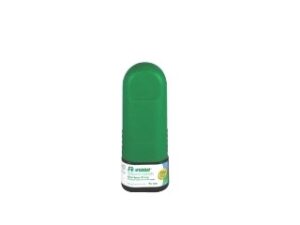
Rhinocort (Budesonide) Nasal Spray — Patient Information (Australia)
Rhinocort is a brand of budesonide, a corticosteroid medicine used to treat nasal inflammation. It helps reduce symptoms such as a blocked or runny nose, sneezing and itching associated with allergic rhinitis and other inflammatory nasal conditions.
This page provides patient-friendly information to help you understand how Rhinocort works, how to use it effectively, what to expect, and what to discuss with your healthcare professional.
Quick facts
- Active ingredient: Budesonide
- Type: Intranasal corticosteroid (spray)
- Common uses: Allergic rhinitis (hay fever) and nasal inflammation
- How it works: Reduces inflammation in the nasal lining
- Onset: Some relief may begin within 24 hours; best effect often takes several days
- Availability (Australia): Widely stocked in pharmacies; some presentations may require pharmacist/over-the-counter access depending on formulation
What is Rhinocort?
Rhinocort is an intranasal corticosteroid delivered as a fine mist into the nose. The medicine targets inflammation directly in the nasal passages, which is important because many symptoms of rhinitis are driven by swelling and irritation of the nasal lining.
Rhinocort is commonly used for:
- Allergic rhinitis (seasonal or year-round), including hay fever
- Other inflammatory nasal symptoms where a corticosteroid nasal spray is appropriate
How Rhinocort works (mechanism of action)
Budesonide is a corticosteroid that works mainly locally in the nose. It helps control inflammation by:
- Reducing inflammatory chemicals released during allergic or non-allergic nasal irritation
- Decreasing swelling of the nasal lining
- Reducing mucus production and improving nasal airflow
- Suppressing overactive immune responses in the nasal tissues
Because Rhinocort treats the underlying inflammation rather than just relieving symptoms temporarily, it is often more effective when used regularly, especially during allergy seasons.
Pharmacokinetics (how the body handles it)
Intranasal budesonide is designed for local action. After spraying, only a portion is absorbed systemically (through the nasal lining and swallowed to some extent).
- Absorption: A small amount may be absorbed into the bloodstream; some medicine may be swallowed and absorbed through the gut.
- Metabolism: Budesonide is extensively metabolised in the liver (primarily via CYP3A4), reducing the amount of active drug circulating in the body.
- Elimination: Metabolites are cleared mainly via the kidneys.
The overall systemic exposure is generally lower than with oral steroid therapy, which is why intranasal use is widely preferred for long-term nasal inflammation.
Typical uses and indications
In Australia, Rhinocort is commonly used for:
- Allergic rhinitis (seasonal hay fever or year-round allergic symptoms)
- Relief of symptoms such as nasal congestion, runny nose, sneezing, and nasal itching
- Management of nasal inflammation when a steroid nasal spray is indicated
If you have uncertain symptoms (for example, persistent blocked nose on one side, bleeding, severe pain, or symptoms lasting beyond what typical allergies explain), seek medical advice promptly.
When to start and timing for best results
Rhinocort works gradually. While some people notice improvement earlier, the full benefit typically takes several days of consistent use.
- Allergy season (seasonal hay fever): Consider starting before the peak season if you know when symptoms usually begin.
- Ongoing (year-round) symptoms: Use daily as directed to maintain control.
- Missed dose: Use it when you remember, unless it is close to the next dose—then resume your regular routine.
Do not stop once symptoms improve unless your healthcare professional advises—some conditions rebound if treatment is discontinued too early.
Dose guidance (general information)
Dosing depends on the product strength and the person’s age and symptom pattern. Always follow the directions on the pack and the advice of your pharmacist or healthcare professional.
As a general reference for intranasal budesonide sprays, typical dosing patterns may include:
- Adults and adolescents: Often starts at a once-daily regimen, sometimes adjusted based on symptom response.
- Children: Dosing is age-specific and should be discussed with a pharmacist to ensure the correct formulation and technique.
If you are using Rhinocort as part of a broader treatment plan, tell your pharmacist about other nasal products (such as decongestant sprays or saline rinses) to help coordinate timing.
Food interactions
Food is unlikely to directly affect budesonide in the nose because the main action is local. However, a small portion may be swallowed after spraying.
- Generally: You can take Rhinocort with or without food.
- Practical tip: If you find swallowing the taste unpleasant, drink water after spraying (avoid eating immediately if it helps you stay comfortable).
If you are taking medicines that strongly affect liver enzymes (particularly certain antifungals or some antibiotics), discuss with your pharmacist, as these can interact with budesonide metabolism.
Alcohol interactions
There is no well-known direct alcohol interaction with intranasal budesonide in typical doses. Still, it is sensible to consider general corticosteroid cautions:
- Avoid excessive alcohol if you’re unwell, as infections may be more likely.
- If you notice unusual side effects after combining alcohol with your medication, stop alcohol and seek advice.
Medicine interactions (important)
Budesonide is metabolised mainly through CYP3A4 in the liver. Medicines that inhibit this pathway may increase budesonide exposure.
Potential interaction examples
- Some antifungals (e.g., ketoconazole or similar agents) may increase budesonide levels.
- Some antibiotics (e.g., clarithromycin or similar macrolides) may increase levels.
- Other strong CYP3A4 inhibitors may require review of the budesonide dose and monitoring.
What to do
- Provide a full list of your medicines (including “natural” products) to your pharmacist.
- Do not assume nasal sprays have no interactions; systemic effects can occur with strong inhibitors.
- If you use another steroid medicine (inhalers, tablets, or creams), discuss the combined steroid exposure.
Safety profile and side effects
Rhinocort is generally well tolerated when used correctly. Because it is a steroid, it can cause local effects in the nose, and rarely systemic effects if used at high doses or with interacting medicines.
Common side effects
- Nasal irritation (burning or stinging)
- Dryness in the nose
- Sneezing after spraying
- Unpleasant taste (from medicine drainage/swallowing)
- Mild nosebleeds (epistaxis), particularly if the spray is not directed correctly or if the nasal lining is fragile
Less common but important to monitor
- Persistent nosebleeds or significant irritation
- Throat irritation if spray drains backward
- Signs of infection if symptoms worsen unexpectedly (for example, high fever, severe facial pain)
- Systemic steroid effects are uncommon with nasal use, but risk increases with higher dosing, long-term high exposure, or interacting medications.
Seek prompt medical advice if
- You experience severe or worsening bleeding from the nose
- You have symptoms suggesting significant allergic reaction (swelling of face/lips, difficulty breathing)
- You have severe headache, vision changes, or other unusual systemic symptoms
Use with caution
- If you have recent nasal surgery or frequent nosebleeds
- If you have active infection in the nose or sinuses (a pharmacist may advise whether to treat infection first)
- If you’re using other steroid medicines (inhalers, tablets, creams)—the total steroid exposure matters
Practical tips for best results
Correct technique
Proper spraying technique helps the medicine reach the nasal lining and reduces side effects like nosebleeds or dripping into the throat.
- Gently blow your nose before use (unless your pharmacist says otherwise).
- Shake the bottle if the product instructions indicate.
- Insert the nozzle into one nostril while keeping the head upright.
- Aim slightly outward (towards the ear on the same side), not straight up the nose.
- Breathe in gently through your nose while pressing the pump.
- Repeat for the other nostril, if directed.
- Avoid sniffing hard—it can drive the spray deeper into the throat rather than staying in the nose.
- Wipe the nozzle after use and keep the cap clean.
How to use alongside other nasal treatments
- Saline rinses: You can usually use saline first to clear mucus, then wait before applying Rhinocort (commonly 10–15 minutes, or as instructed).
- Decongestant sprays: Avoid using short-term decongestant sprays for longer than recommended due to rebound congestion. Ask a pharmacist for a safe plan.
Preventing nosebleeds
- Use the correct aim (towards the outside of the nostril).
- Consider applying after nasal saline if your nose is very dry or congested.
- Use a humidifier if your home is dry.
- If bleeding persists, stop and seek advice before continuing.
Alternative options
Depending on your symptoms and medical history, a pharmacist may suggest alternative approaches. Options may include:
- Other intranasal corticosteroids (different brands of budesonide, fluticasone, mometasone, etc.)
- Non-steroid nasal sprays such as antihistamine sprays (for some people)
- Oral antihistamines for allergy symptoms (especially sneezing/itching)
- Saline irrigation to clear allergens and mucus
- Allergen avoidance strategies (e.g., pollen control, indoor filtration, showering after exposure)
The “best” option depends on symptom type (congestion vs runny nose), severity, triggers, and how consistently you’re able to use treatment.
Delivery, availability, and what to check in-store
In Australia, Rhinocort is typically available through pharmacies and selected retailers. Stock may vary by strength and pack size.
- Check the label for the correct strength and formulation (some intranasal products vary).
- Keep the bottle upright and store as directed on the pack (commonly at room temperature).
- Check expiry date before use.
For online pharmacy delivery:
- Delivery times vary by location and courier service.
- Products should arrive sealed; if packaging is damaged, contact customer support.
Market and legal context in Australia (overview)
In Australia, medicines are regulated under the Therapeutic Goods Act 1989 and administered through the TGA (Therapeutic Goods Administration). Products must meet quality, safety, and regulatory requirements before being listed or registered.
The accessibility of a medicine (whether it is generally available without prescription or requires pharmacist involvement) can depend on the specific product presentation, strength and scheduling. Your pharmacist can confirm the correct category for the exact Rhinocort product you intend to buy.
Advice from a pharmacist is particularly useful when:
- You are treating children
- You have frequent nosebleeds or recent nasal procedures
- You use other steroid medicines or take medicines that may affect budesonide metabolism
Recent guidance and current best practice (Australia-focused)
Current best practice for allergic rhinitis generally emphasises:
- Using intranasal corticosteroids regularly for persistent symptoms, especially nasal congestion.
- Checking technique and adherence, as incorrect use can reduce effectiveness and increase local irritation.
- Coordinating with other treatments such as saline and oral antihistamines when symptoms are severe or multi-trigger.
- Reassessing if symptoms don’t improve after a reasonable trial, to ensure correct diagnosis and treatment plan.
Because guidelines and local recommendations may evolve, it’s a good idea to ask your pharmacist what approach is currently recommended for your particular symptoms.
Frequently Asked Questions (FAQ)
1) How long does Rhinocort take to work?
Some improvement may be noticed within 24 hours, but the best effect often takes several days of regular use. If you have not improved after about a week, speak with a pharmacist for review.
2) Can I use Rhinocort every day?
Many people with year-round symptoms use intranasal corticosteroids daily. Use it according to the directions on the pack and the advice you received. If you’re planning long-term use, check in periodically with your healthcare professional.
3) Will Rhinocort make my nose sore or bleed?
Mild dryness or irritation can happen, and some people experience nosebleeds—often related to technique, dryness, or fragile nasal lining. Aim slightly outward, avoid hard sniffing, and consider nasal saline before Rhinocort if your nose is very dry. If nosebleeds are significant or persistent, seek advice.
4) Is Rhinocort safe for children?
There are paediatric dosing considerations. Always use the correct product and strength for a child’s age and follow pharmacist or pack instructions. If symptoms persist or worsen, ask for professional review.
5) Can I use Rhinocort during pregnancy or breastfeeding?
Intranasal budesonide is commonly considered when needed because the systemic exposure is generally low, but suitability depends on individual circumstances. If you are pregnant or breastfeeding, discuss risks and benefits with a pharmacist or healthcare professional.
6) Can I take Rhinocort with other allergy medicines?
Often yes. Some people combine intranasal steroids with oral antihistamines for better symptom control. If you also use other steroid-containing inhalers or creams, mention this to your pharmacist so they can guide safe use.
7) What if I miss a dose?
Use it when you remember unless it’s near your next scheduled dose. Don’t double up. Resume your regular routine.
8) What should I do if the spray tastes bad or I get mucus in my throat?
This is usually due to drainage backward. Use gentle inhalation through the nose, keep your head upright, and avoid sniffing hard. If it continues, check your technique and ask your pharmacist.
9) Can I use Rhinocort with decongestant nasal sprays?
You can sometimes, but decongestant sprays are usually limited to short use due to rebound congestion. Ask a pharmacist for a tailored plan—especially if you’ve already used a decongestant for several days.
10) When should I stop and get help urgently?
Seek urgent medical advice if you experience severe nosebleeds, symptoms of serious allergy, or signs of infection that rapidly worsen.
Summary
Rhinocort (budesonide) is an intranasal corticosteroid used to control nasal inflammation, particularly in allergic rhinitis. By targeting inflammation directly in the nose, it helps reduce congestion, runny nose, sneezing and itching. With correct technique and consistent use, many people achieve strong symptom control. If you have ongoing symptoms, side effects, or complex medication interactions, a pharmacist can help you choose the safest and most effective approach.
| Topic | What to know |
|---|---|
| Best timing | Use regularly as directed. Some relief may start within 24 hours; full effect often takes several days. |
| Technique | Aim slightly outward (toward the ear), keep head upright, inhale gently, avoid hard sniffing. |
| Food | Generally no food interaction expected. A small portion may be swallowed. |
| Alcohol | No well-established direct interaction; avoid excessive alcohol and seek advice if you feel unwell. |
| Medicines to consider | Medicines that strongly inhibit CYP3A4 (e.g., certain antifungals/macrolide antibiotics) may increase budesonide exposure. |
| Common side effects | Nasal irritation, dryness, sneezing, unpleasant taste, and sometimes mild nosebleeds. |