
Rogaine (Minoxidil) – Patient-Friendly Guide (Australia)
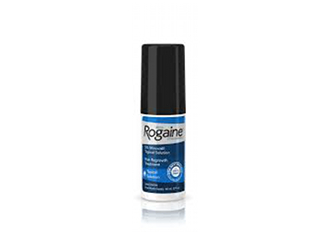
Rogaine® is a brand of minoxidil, a medicine used to help with certain types of hair loss. This guide explains how minoxidil works, how to use it, what to expect, and important safety considerations for adults in Australia. (Always read the product label and follow the directions for the specific Rogaine strength you’re using.)
Key Product Information
- Active ingredient: Minoxidil
- Brand: Rogaine®
- Common strengths (varies by product): 2% and 5% topical solutions or foams
- How it’s used: Applied to the scalp as a topical treatment
- Main goal: To slow hair loss and support regrowth in androgenetic alopecia
Rogaine products are widely available in Australia. Some versions may be sold as pharmacy-supplied or pharmacy range products depending on formulation and retailer. Availability can vary by location and supplier.
What Is Hair Loss (Androgenetic Alopecia)?
Androgenetic alopecia (also called male-pattern or female-pattern hair loss) is the most common cause of progressive thinning. It is influenced by genetics and hormones (particularly the effect of androgens on hair follicles).
Minoxidil is not a cure, but it can help many people by improving the growth phase of hair follicles and increasing the chance of thicker regrowth over time.
Mechanism of Action (How Rogaine Works)
Minoxidil is a vasodilator (it helps widen blood vessels). When used on the scalp, it is believed to act locally on hair follicles. The precise way minoxidil promotes hair growth is not fully explained, but key proposed mechanisms include:
- Increasing follicle size and growth activity: Helps hair follicles shift more efficiently into the growth (anagen) phase.
- Improving blood flow: Vasodilation may support healthier follicle function.
- Modulating follicle signalling: Several biochemical pathways are thought to be involved, influencing hair cycling.
- Prolonging the anagen phase: Can lead to longer periods of active growth.
Importantly, minoxidil typically helps some people more than others. Results also depend on the cause, extent, and duration of hair loss.
Pharmacokinetics (What the Body Does to Minoxidil)
When applied to the scalp, minoxidil is absorbed through the skin. Absorption can vary depending on:
- How much product is applied
- Skin condition (e.g., irritation or broken skin may increase absorption)
- Whether it’s applied to an area with inflammation or sweating
- Use of occlusive coverings (covering the treated area)
After absorption, minoxidil distributes in the body and is metabolised in part. It is then eliminated primarily through the kidneys. Because systemic absorption is usually low with correct topical use, many users experience minimal whole-body effects. However, it’s still important to follow dosing and safety advice carefully.
If you have concerns such as heart disease, blood pressure problems, or you take medications that affect circulation, discuss them with a healthcare professional before starting.
Typical Indications (When Rogaine Is Used)
Rogaine (minoxidil) topical is used for hair thinning related to androgenetic alopecia, including:
- Male-pattern hair loss: Thinning on the scalp (commonly crown and/or frontal areas depending on severity).
- Female-pattern hair loss: Diffuse thinning over the scalp (often with preserved frontal hairline).
It is generally not intended for non-pattern hair loss causes (for example, sudden hair shedding due to stress, illness, nutritional deficiencies, or autoimmune hair loss conditions), where the underlying cause should be evaluated.
How to Use Rogaine: Dosing and Timing
Follow the instructions provided with your specific Rogaine product (2% vs 5%, solution vs foam, and whether it’s designed for men or women). Dosing may vary between products.
Common dosing patterns (typical use)
- Often used twice daily: Some regimens apply minoxidil in the morning and evening.
- Some products may be once daily: Certain formulations are designed for once-daily application (commonly for 5% strength in some markets).
The most important points are to apply the correct amount, to use it at the recommended frequency, and to continue consistently.
Practical application steps
- Start with dry hair and scalp: Apply to a clean, dry scalp area before hair styling.
- Measure the dose: Use the supplied dropper/measure/dispensing system (do not “eyeball” the amount).
- Apply to the thinning areas: Section hair so the product contacts the scalp.
- Let it dry: Allow the treated area to fully dry before exposing to sweat, sunlight, or bedding.
- Wash hands after use: This helps avoid accidental transfer to eyes, face, or other body areas.
Avoid applying more than directed. More is not better and may increase the risk of side effects.
How long until you see results?
- Early changes: Some people notice reduced shedding or early signs of regrowth after a few months.
- Typical timeline: Visible improvements often take 3–6 months.
- Best assessment: Evaluate after 6–12 months of consistent use.
If you stop using minoxidil, any benefits usually diminish over time, and hair shedding may return.
Initial Shedding (The “Minoxidil Shedding” Phenomenon)
In some people, minoxidil can cause a temporary increase in shedding during the first weeks to months. This may happen because hairs that were going to shed soon enter the cycle. For many, this shedding settles and regrowth follows.
- If shedding is mild and expected, continue as directed.
- If shedding is severe, persists, or you develop scalp pain, swelling, or significant irritation, stop and seek advice.
Food Interactions
Rogaine is applied to the scalp and is not intended to have meaningful interactions with food. However, because a small amount can be absorbed through the skin, follow normal safe use.
There are no known clinically significant food–minoxidil interactions for typical topical use. If you are concerned due to other medical conditions or medications, check with a healthcare professional.
Alcohol and Medicine Interactions
Alcohol
Topical minoxidil does not have a direct, common interaction with alcohol. However, because minoxidil may affect circulation in susceptible individuals, it’s wise to be cautious with alcohol intake—especially if you notice dizziness, palpitations, or light-headedness.
Also note: some Rogaine formulations contain alcohol as part of the vehicle (commonly in solutions). If you find this irritating, foam formulations may feel more comfortable for some users.
Other medicines
Although systemic absorption is typically low when used correctly, minoxidil’s vasodilating effect means interactions may matter in certain cases. Talk to a healthcare professional if you take medicines that can influence blood pressure or circulation, especially:
- Blood pressure medicines (antihypertensives)
- Medicines affecting heart rhythm (antiarrhythmics)
- Other vasodilators
- Diuretics (“water tablets”)
If you experience symptoms such as dizziness, fainting, chest pain, unusual shortness of breath, or rapid heartbeat, seek urgent medical attention.
Safety Profile: Who Should Be Careful?
Minoxidil is generally well tolerated when used as directed, but side effects can occur—most commonly affecting the scalp. Whole-body effects are less common but can happen, particularly with excessive use or increased absorption.
Common side effects (often scalp-related)
- Scalp irritation (itching, burning, redness)
- Dryness or flaking
- Contact dermatitis (sensitivity/allergic-type reactions)
- Headache (sometimes)
Less common but important systemic side effects
Stop using and seek urgent medical help if you experience signs of significant cardiovascular effects, such as:
- Fast heartbeat (palpitations)
- Chest pain
- Fainting or severe dizziness
- Swelling of hands/feet (oedema)
- Unexpected shortness of breath
When to avoid use or get medical advice first
- History of heart disease or uncontrolled high/low blood pressure
- Pregnancy or breastfeeding (discuss with a healthcare professional before using)
- Children and teenagers: use may not be appropriate depending on product and evidence—seek medical guidance
- Scalp conditions such as severe psoriasis, infection, or open sores
If you wear a scalp hair system, use extensions, or have a tattooed or recently treated scalp, check compatibility and avoid applying product to irritated or compromised skin.
Practical Use Tips for Better Results
- Consistency matters: Use at the same times daily as directed.
- Apply to the scalp: Spread the product to reach the skin, not just the hair.
- Don’t wash too soon: Follow product instructions. Let it dry before washing or styling.
- Be patient: Regrowth takes time; give it at least several months.
- Manage irritation: If your scalp becomes very irritated, you may need to stop and consult advice, or consider a different formulation.
- Check for contact transfer: Avoid touching your face/eyes after application; wash hands thoroughly.
- Consider hair styling products carefully: Heavy gels/creams applied immediately may reduce scalp contact.
If you’re using other hair loss treatments (for example, oral or topical therapies), ask a professional about the best plan to avoid irritation or excessive layering on the scalp.
Alternative Options for Hair Thinning
If minoxidil isn’t suitable or if you need additional strategies, there are other evidence-based approaches for androgenetic alopecia. Your best option depends on your pattern of loss, goals, tolerance, and medical history.
Common alternatives
- Other minoxidil formulations: Switching between solution and foam, or between strengths, may improve tolerability.
- Other topical treatments: Some people use adjunct topical agents, depending on product availability and suitability.
- Procedures: Hair transplant or low-level light therapy may help some individuals (availability varies).
- Supportive measures: Gentle hair care, addressing nutrition, and treating scalp conditions can improve overall hair health.
If your hair loss is sudden, patchy, or associated with scalp symptoms (pain, redness, scaling), consider medical assessment to rule out other causes such as telogen effluvium, alopecia areata, or inflammatory scalp disease.
Market and Legal Context in Australia (General Overview)
In Australia, hair loss products including topical minoxidil are commonly sold through pharmacies and regulated retail channels. Availability can differ depending on:
- Product strength (e.g., 2% vs 5%)
- Formulation (solution vs foam)
- Retail and storage requirements
- Current regulatory classification and supply arrangements
Pharmacy supply helps ensure customers receive appropriate guidance on correct use and safety. Always ensure you’re purchasing from a reputable supplier and that the product packaging is sealed and within expiry date.
Recent guidance
While guidance can be updated over time, the general long-standing approach is: consistent use for several months, correct dosing, scalp tolerability management, and stopping if significant adverse reactions occur. For personalised advice, especially if you have cardiovascular conditions or use multiple medicines, consult a healthcare professional.
Delivery and Availability (Australia)
Online pharmacies typically deliver Rogaine products across Australia, subject to local delivery networks and carrier rules. Availability depends on stock levels, strength, and whether you choose solution or foam.
- Shipping: Delivery timeframes vary by location and order cutoff times.
- Cold chain: Typically not required for topical minoxidil products, but follow the storage instructions on the pack.
- Packaging: Products should arrive in original retail packaging.
- Returns: Return policies may differ based on health product regulations and whether the item has been opened.
If you need help choosing the right strength or formulation, check the product listing details or contact customer support.
Comparison Table (Quick Reference)
| Feature | Rogaine (Minoxidil) – Topical |
|---|---|
| Form | Topical solution or foam (varies by product) |
| Main use | Androgenetic alopecia (male- and female-pattern thinning) |
| How to apply | To the scalp in the thinning area; dose and frequency depend on strength/product |
| Time to results | Often 3–6 months for early changes; 6–12 months for best assessment |
| Common side effects | Scalp irritation, itching, dryness, flaking |
| Stop and seek help | Chest pain, fainting, severe dizziness, significant swelling or shortness of breath |
FAQ (Frequently Asked Questions)
1. Is Rogaine suitable for both men and women?
Many Rogaine minoxidil products are marketed for either men or women, often with different strengths or instructions. Choose the product labelled for your situation, and follow the directions on the pack.
2. How much should I apply?
Use the measured dose from the product package (dropper/measure/nozzle) and apply to the thinning scalp areas only. Do not exceed the recommended amount or frequency.
3. Can I wear hair products after applying minoxidil?
Minoxidil needs time to dry. Let it dry fully before applying hair styling products. Avoid heavy coatings immediately after application, as they can reduce scalp contact.
4. Will it work immediately?
Hair growth is slow. You may notice shedding early, but regrowth and thickness improvements usually take months. Consistent use is required for ongoing benefit.
5. What if I miss a dose?
If you miss an application, apply it when you remember unless it’s close to the next dose. Do not double the amount.
6. Can I use Rogaine with other hair loss treatments?
Some people use complementary approaches, but combining therapies can increase scalp irritation. If you plan to combine treatments, it’s best to check with a healthcare professional or pharmacist for a safe schedule.
7. Is it normal to have more hair fall at first?
Yes, some people experience temporary shedding during early treatment. If shedding becomes severe or you develop marked irritation, stop and get advice.
8. How long do I need to use it?
If it helps, you generally need ongoing use to maintain results. Stopping usually leads to gradual loss of the benefit over time.
9. What should I do if my scalp is irritated?
Mild dryness or mild itch can occur. If irritation is significant (burning, swelling, rash, or persistent discomfort), discontinue use and seek advice. A different formulation (for example, switching from solution to foam) may be considered in some cases.
10. Can minoxidil be absorbed into the bloodstream?
Small amounts can be absorbed through the skin. Correct use and recommended dosing help reduce the risk of systemic effects. If you experience symptoms like dizziness, palpitations, or faintness, stop and seek medical care urgently.
Important Reminder
Rogaine (minoxidil) is a long-term scalp treatment for pattern hair loss. Results require consistency and patience. If you’re unsure whether your hair loss is androgenetic alopecia or you have medical conditions (especially cardiovascular issues), consider professional advice before starting.