
Rybelsus (Semaglutide) – Patient-Friendly Guide (Australia)
Rybelsus is an oral medicine containing semaglutide, used for the management of type 2 diabetes and, in some people, to help reduce cardiovascular risk. Unlike many diabetes medicines, Rybelsus is taken by mouth once daily.
This guide explains what Rybelsus is, how it works, how to take it safely and effectively, common side effects and key precautions, and practical information relevant to people in Australia.
1) Basic product information
| Feature | Details |
|---|---|
| Brand name | Rybelsus |
| Active ingredient | Semaglutide |
| Medicine type | Glucagon-like peptide-1 (GLP-1) receptor agonist (oral) |
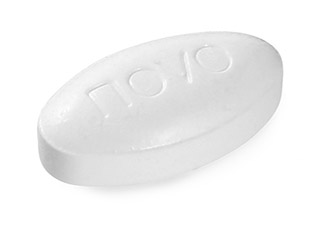
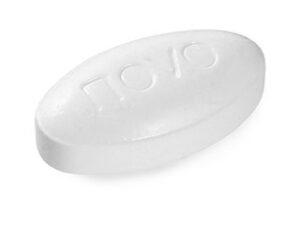
| Formulation | Tablets (oral) |
| Typical schedule | Once daily |
| Available strengths (commonly) | Rybelsus is commonly available in multiple strengths (e.g., 3 mg, 7 mg, 14 mg). Availability may vary by pharmacy. |
Note: Strengths and availability can vary depending on local supply.
2) What Rybelsus is used for
Rybelsus is used to treat type 2 diabetes in adults to improve blood sugar control.
Depending on your personal risk factors and your clinician’s assessment, Rybelsus may also be considered in the wider context of lowering cardiovascular risk for some people with type 2 diabetes and established cardiovascular disease (or those at high risk).
Indications (who it’s for)
- Adults with type 2 diabetes to improve glycaemic control.
- May be used in adults with additional cardiovascular risk factors where appropriate management aims include cardiovascular risk reduction.
Rybelsus is not a treatment for type 1 diabetes, and it is not a substitute for insulin in people who require insulin.
3) How it works (mechanism of action)
Semaglutide belongs to the GLP-1 receptor agonist class. GLP-1 is a natural hormone in the body that helps regulate appetite and blood sugar after meals.
Rybelsus works mainly by:
- Increasing insulin secretion in response to glucose (so insulin release is more active when blood sugar is elevated).
- Decreasing glucagon secretion (glucagon raises blood sugar).
- Slowing gastric emptying, which can reduce the speed of glucose absorption after eating.
- Supporting appetite reduction in many people, which can contribute to weight loss.
Because its effects depend largely on blood glucose, it generally has a lower intrinsic risk of hypoglycaemia than some other diabetes medications—though risk can increase when used with other glucose-lowering therapies.
4) Pharmacokinetics (how the body handles it)
Pharmacokinetics describes what the body does to a medicine—how quickly it is absorbed, distributed, metabolised, and eliminated.
- Absorption: Rybelsus is taken by mouth. Absorption can be significantly affected by food and timing, which is why specific instructions about taking it on an empty stomach are important.
- Time to peak concentration (Tmax): The medicine reaches peak levels at roughly around 1–2 hours after taking it under proper fasting conditions.
- Half-life: Semaglutide has a long half-life (often around ~1 week), which supports once-daily dosing with stable exposure over time.
- Metabolism and elimination: Semaglutide is broken down by normal protein metabolic pathways (not primarily by kidney or liver excretion of the intact drug). Excretion is largely via metabolites.
Why this matters: Because of the way Rybelsus is absorbed and its long half-life, consistent daily timing and correct fasting instructions are key for reliable effect and tolerability.
5) Typical use and timing
Rybelsus is designed to be taken once daily, typically as part of a diabetes management plan that may also include diet, physical activity, and other medicines.
How to take it (timing and fasting)
To get the best absorption, Rybelsus tablets are taken with water while fasting and before the first meal of the day.
- Take on an empty stomach.
- Take with a small amount of water (follow the package directions).
- Wait at least 30 minutes before eating or drinking anything other than water.
- Do not take it with coffee, tea, milk, juice, or alcohol.
- If you miss a dose, refer to the “FAQ – Missed dose” section for practical guidance.
Daily routine tip: Many people set an alarm and take their dose immediately after waking, then plan breakfast 30 minutes later.
6) Food interactions and meal guidance
Food has a strong impact on how much semaglutide is absorbed. This can affect blood glucose control and the consistency of daily effect.
Key food-related points
- Take before food: Always take Rybelsus before meals.
- Avoid food around dosing: Do not eat or take other beverages before the minimum waiting time has passed.
- Maintain routine: If your schedule changes (shift work, travelling), try to keep the “empty stomach + water + wait before eating” approach consistent.
After the waiting period, you can eat and drink normally as advised for diabetes management.
7) Alcohol interactions
Rybelsus itself is not well-known for specific “direct” reactions with alcohol, but alcohol can still create risks—especially for people with diabetes.
Considerations
- Blood sugar effects: Alcohol can lower blood glucose or cause fluctuations, particularly with fasting, reduced appetite, or when combined with other diabetes medicines.
- Stomach side effects: Both alcohol and GLP-1 medicines can irritate the stomach for some people; nausea and indigestion may be worsened.
- Dehydration: If you experience vomiting or diarrhoea, alcohol can further worsen dehydration risk.
If you choose to drink alcohol, consider limiting amount and ensuring you’re eating appropriately. Avoid heavy drinking, particularly in the early weeks of therapy when nausea and appetite changes may occur.
8) Medicine interactions
Rybelsus can affect digestion (it slows gastric emptying), which may influence the timing and absorption of other oral medicines.
Common interaction themes
- Diabetes medicines: When combined with other glucose-lowering treatments (especially insulin or sulfonylureas), the risk of hypoglycaemia may increase. Your care team may adjust doses.
- Oral medicines needing fast absorption: Because gastric emptying may be slowed, some medicines may absorb more slowly or unpredictably in the early adjustment period.
- Oral contraceptives: In some GLP-1 situations, reduced absorption can be a consideration if significant gastrointestinal symptoms occur (vomiting/diarrhoea). If you rely on oral contraception, discuss this with your clinician, particularly if you have severe GI side effects.
Practical approach
- Tell your pharmacist or clinician about all medicines you take, including over-the-counter products and supplements.
- If you vomit shortly after taking another oral medicine, ask whether you should repeat the dose.
- In the first weeks, monitor how you feel and how your blood glucose responds, especially if you’re using other diabetes therapies.
9) Dosing (typical titration and how to increase)
Rybelsus dosing often follows a titration schedule to improve tolerability. Your exact regimen depends on your starting strength, response, and side effects.
Typical titration pattern (common approach)
- Starting dose is often 3 mg once daily to help your body adjust.
- After a period (commonly around 30 days), the dose may be increased to 7 mg once daily.
- If needed for further glycaemic control and if tolerated, it may be increased to 14 mg once daily.
Important: Do not change your dose without guidance from your healthcare professional. Taking too much too soon can increase the likelihood of nausea, vomiting, constipation, and diarrhoea.
When to consider a dose change
- When blood glucose goals are not being met.
- When side effects are manageable and you can tolerate the medicine.
- When you have adhered to the correct fasting instructions.
10) Safety profile and side effects
Like all medicines, Rybelsus can cause side effects. Many people experience mild to moderate gastrointestinal effects, especially during dose increases. Most improve over time.
Common side effects
- Nausea
- Diarrhoea or constipation
- Vomiting
- Indigestion or abdominal discomfort
- Reduced appetite
Less common but important risks
- Hypoglycaemia: More likely if used with insulin or sulfonylureas.
- Dehydration: Particularly if you have ongoing vomiting or diarrhoea.
- Gallbladder issues: Some GLP-1 medicines have been associated with gallbladder-related events.
- Pancreatitis: Rare, but seek medical attention if severe abdominal pain occurs.
- Kidney problems: Rarely, dehydration from GI illness can worsen kidney function.
Seek urgent help if you experience
- Severe, persistent abdominal pain (especially if it radiates to the back)
- Signs of severe dehydration (fainting, severe dizziness, very dark urine)
- Symptoms of allergic reaction (swelling of face/lips, trouble breathing, rash)
- Repeated vomiting preventing fluid intake
Who should discuss extra precautions with a clinician
- People with a history of pancreatitis or significant gallbladder disease
- People with severe gastrointestinal disease or delayed gastric emptying
- People who have had significant hypoglycaemia with other diabetes medicines
11) Practical use tips for everyday success
Good results with Rybelsus often depend on correct use and proactive management of side effects.
Tips to reduce nausea and GI discomfort
- Eat smaller, simpler meals at first; avoid very large or very fatty meals.
- Stay hydrated. If nausea occurs, take sips of water regularly.
- Go slow with dose increases and report persistent side effects early.
- Track timing: keep the “empty stomach + water + wait before food” routine consistent.
Blood glucose monitoring
- If you use glucose monitoring, watch for trends, especially during dose changes.
- If you experience symptoms of low blood sugar (e.g., sweating, shakiness, confusion), test if possible and treat according to your diabetes plan.
Missed dose guidance (general practical approach)
If you miss a dose, the safest approach is to follow the instructions in the product information. In general:
- If you remember soon and it’s close to the usual time, you may take it as directed.
- If it’s almost time for your next dose, skip the missed dose and continue with your regular schedule.
- Do not take two doses on the same day to make up for a missed tablet.
Your pharmacist can advise based on your specific schedule.
12) Alternative options (if Rybelsus isn’t suitable)
There are several other treatments for type 2 diabetes that may be appropriate depending on your needs, medical history, and preferences. Alternatives can include:
Other GLP-1 receptor agonists
- Injectable GLP-1 receptor agonists (some people prefer injections, particularly if oral dosing isn’t suitable).
- Different dosing frequencies depending on the specific product.
Other diabetes medicine classes
- Metformin (often first-line in many cases)
- SGLT2 inhibitors (help the body eliminate glucose through urine)
- DPP-4 inhibitors (another incretin-related approach)
- Sulfonylureas or insulin (commonly used when needed, but hypoglycaemia risk can be higher with some options)
Your clinician can help determine the most suitable alternative based on blood glucose targets, cardiovascular risk, kidney function, tolerance, and side effect profile.
13) Market and legal context in Australia (overview)
In Australia, diabetes medicines—including semaglutide-based treatments—are supplied through regulated healthcare systems. Availability and requirements may vary depending on:
- Local prescribing and dispensing frameworks
- Safety monitoring needs
- Product listing status and supply
- Specific eligibility criteria for different indications
Online pharmacies typically provide medicines in line with Australian regulatory expectations, including appropriate verification processes. Product availability can also be influenced by manufacturing schedules and national demand.
Recommendation: If you are using an online pharmacy, ensure you purchase from a reputable provider that complies with Australian requirements and provides genuine stock with correct packaging and labelling.
14) Recent guidance and evolving best practice (what to watch)
Diabetes care recommendations may be updated as more evidence becomes available and as regulatory bodies and professional groups publish revised guidance. While specific recommendations can change over time, common themes for GLP-1 medicines include:
- Careful titration to improve tolerability.
- Monitoring for GI effects and managing dehydration risk.
- Assessment of hypoglycaemia risk when combined with insulin or sulfonylureas.
- Consideration of cardiovascular and kidney outcomes in treatment selection.
If you have started Rybelsus recently or are adjusting dose, it’s good practice to review your plan with your pharmacist or clinician, particularly if you have other conditions such as kidney disease, prior pancreatitis, or gallbladder problems.
15) Delivery, availability, and how online pharmacy supply may work
Availability of Rybelsus can fluctuate. Factors include supply chain timing and the number of people using semaglutide-based therapies.
What you can do to help ensure timely delivery
- Check current stock status for the specific strength you need.
- Allow time for processing and dispatch (delivery timeframes vary by provider and location).
- Keep your medication routine consistent; consider planning refills early.
Storage
- Store tablets as directed on the packaging (generally in a cool, dry place, away from moisture and heat).
- Keep out of reach of children.
If you receive your order and notice packaging damage or missing information, contact the pharmacy promptly.
16) Rybelsus FAQ
What is Rybelsus used for?
Rybelsus is used to improve blood glucose control in adults with type 2 diabetes. In some people it may also be part of strategies to reduce cardiovascular risk depending on overall health and risk profile.
How do I take Rybelsus?
Take it once daily on an empty stomach with water. Wait at least 30 minutes before eating or drinking anything other than water.
Can I take Rybelsus with food?
No—food can reduce absorption significantly. For best results, take it before your first meal and follow the required waiting time.
What if I forget a dose?
Follow the product directions for missed doses. In general, do not take two doses to make up for a missed one; continue your regular daily schedule. Ask your pharmacist if you’re unsure.
Will Rybelsus cause weight loss?
Many people experience reduced appetite and weight loss while taking GLP-1 medicines like semaglutide. Weight changes vary widely; focus on overall diabetes management and health rather than rapid weight loss.
Does Rybelsus cause low blood sugar?
Rybelsus alone has a lower risk of hypoglycaemia, but the risk increases when combined with insulin or sulfonylureas. Your doctor or pharmacist may adjust other medicines and advise on monitoring.
What side effects are common?
Common effects include nausea, diarrhoea, constipation, vomiting, indigestion, and reduced appetite—especially during the first weeks or when doses increase.
How long until it works?
Some people notice improved glucose control within days to weeks, but the full effect and the best tolerability usually develop over several weeks, particularly as the dose is gradually increased.
Can I drink alcohol while taking Rybelsus?
Alcohol isn’t typically contraindicated by a direct drug reaction, but it can worsen nausea, dehydration risk, and blood sugar stability. If you choose to drink, do so cautiously and consider food intake and your diabetes plan.
Are there medicines I should avoid or be careful with?
Be cautious with other diabetes medicines due to hypoglycaemia risk. Also inform your healthcare team about all oral medicines, as delayed stomach emptying may affect absorption in some cases.
Is Rybelsus safe for everyone?
Not always. People with certain conditions (such as a history of pancreatitis or significant gallbladder disease) may need extra caution. Discuss your medical history with a healthcare professional.
What should I do if I’m vomiting or can’t keep fluids down?
Contact your healthcare provider promptly. Persistent vomiting can lead to dehydration and can affect kidney function, especially in vulnerable individuals. Seek urgent help if you’re unable to drink fluids or if symptoms are severe.
Disclaimer: This page provides general information about Rybelsus (semaglutide) for educational purposes. Individual suitability, dosing schedules, and monitoring should be determined by your healthcare professional based on your medical history and treatment goals.