Testosterone Topical (Skin) — Patient Information (Australia)
Testosterone topical is a medicine used to replace or supplement testosterone, a natural male sex hormone. It is applied to the skin to help treat conditions related to low testosterone (low “T”). This page explains how it works, typical use, timing, safety, interactions, and practical tips for using testosterone applied to the skin.
Note: Brand names and exact strengths vary. Always check the label and the consumer medicines information (CMI) provided with your product. If you are unsure which product you have, ask your pharmacist.
Basic product information
Active ingredient: Testosterone (topical application)
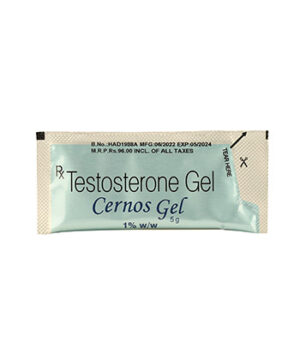
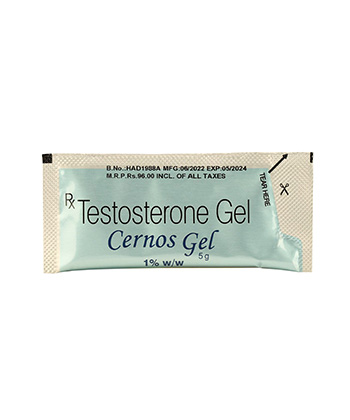
Dosage forms (examples): gels, solutions, creams, or other skin-applied testosterone products depending on the brand available in Australia.
How it is taken: Applied to clean, dry skin and left to dry before covering with clothing.
Typical daily use: Once daily for many topical products; follow your specific product directions.
| Category | What to know |
|---|---|
| Medicine type | Hormone replacement therapy (androgen) |
| Route | Transdermal (through the skin) |
| Goal | Increase testosterone levels and reduce symptoms of deficiency |
| Monitoring | Blood testosterone levels; additional monitoring may include full blood count, liver health, and PSA as advised |
| Key safety topic | Skin transfer to others (especially women and children) if the application area is not covered and not washed appropriately |
How testosterone works (mechanism of action)
Testosterone is an androgen hormone. When applied through the skin, it is absorbed into the bloodstream and tissues. In the body, testosterone:
- Supports male secondary sexual characteristics (for example, normal libido and function, muscle maintenance, and hair growth patterns).
- Helps maintain muscle mass and supports strength and physical performance in many men.
- Supports bone health by maintaining normal bone density over time.
- Improves symptoms associated with low testosterone, such as reduced sexual desire, fatigue, and reduced wellbeing (although symptom response varies between individuals).
In testosterone deficiency, restoring more normal levels may improve quality of life and related hormone-related functions. The medicine does not “create” testosterone instantly; improvement generally depends on building stable levels with consistent use.
Pharmacokinetics (how the body handles topical testosterone)
Topical testosterone products are designed to deliver hormone through the skin at a relatively steady rate.
- Absorption: Testosterone is absorbed across the skin into the bloodstream after application to the prescribed area.
- Onset: Testosterone levels may begin rising after application, but noticeable symptom improvement often takes longer.
- Distribution & metabolism: Once in the bloodstream, testosterone is distributed into tissues and is metabolised in the liver and other tissues.
- Elimination: Metabolites are mainly excreted via urine (and, depending on the metabolite, other pathways).
Important: Skin conditions, application technique, and site choice can affect absorption. Following instructions (including timing, amount, and drying/covering) helps ensure more consistent levels.
Typical use (what it’s for)
Topical testosterone is used for testosterone replacement in people with hypogonadism (low testosterone due to impaired testicular function or other causes), when confirmed by appropriate medical assessment and blood tests.
It may be used to help treat symptoms including:
- Reduced libido and sexual function
- Low energy and fatigue
- Decreased muscle mass or strength
- In some cases, reduced bone density over time
- Changes in mood or wellbeing related to low testosterone
Clinical note: Not all symptoms are due to low testosterone. Evaluation of other causes is important (for example, thyroid problems, sleep apnoea, depression, medication effects, and chronic illnesses).
Indications (when doctors may recommend it)
In Australia, testosterone topical products are used as part of testosterone replacement therapy for appropriately selected individuals with confirmed testosterone deficiency. Indications generally align with treatment of male hypogonadism due to persistent low testosterone levels and compatible symptoms.
Not for:
- Using to enhance athletic performance or bodybuilding
- Self-treatment without assessment of low testosterone and possible underlying causes
- Use in women or children unless specifically directed by a specialist for a rare, appropriate indication
Dosing and how to use it (timing and application)
Dosing varies by product strength and formulation. Always use the exact prescribed dose for your testosterone topical product.
General principles for dosing
- Apply at the same time each day to maintain consistent levels.
- Use the recommended amount (measured dose).
- Apply to the correct skin area stated for your product (commonly shoulders/upper arms, upper thighs, abdomen, or specific sites depending on brand).
- Do not apply to irritated, broken, or infected skin.
- Allow the product to dry before getting dressed.
- Wash your hands after application unless your hands are part of the treatment area (follow product instructions).
Timing: when to apply and how fast to expect effects
Many topical testosterone regimens are once daily. Some products have timing considerations to align with typical testosterone rhythms. Follow your product’s directions or your pharmacist’s guidance.
Practical timing tips:
- Apply in the morning or at the time advised by your clinician/pharmacist.
- Plan application so that you can avoid skin-to-skin contact with others during the period when transfer risk is highest.
- If you shower, wash, or swim, follow the product guidance about when it is safe to do so after application.
Missed dose
If you miss an application, apply it when you remember unless it is close to the next dose. In that case, skip the missed dose. Do not apply extra to make up for a missed dose. If unsure, contact your pharmacist.
Mechanism-linked precautions: skin transfer and contact with others
A unique safety aspect of testosterone topical products is transfer of testosterone through skin contact. To reduce transfer risk:
- Cover the application site with clothing after it has dried, as instructed by your product.
- Avoid skin-to-skin contact with others (especially women and children) on the treated areas.
- If contact occurs, wash the exposed area with soap and water as soon as possible.
- Keep the medicine away from others during application (for example, do not allow someone else to apply it unless they have been instructed and precautions are in place).
Transfer risk is generally highest while the product is wet and for some time after application. Always follow the specific time guidance for your brand.
Food interactions
Food interactions: Testosterone topical is absorbed through the skin and is not typically affected by food in the same way as oral testosterone. However, overall hormone levels and symptom response can be influenced by general health.
- There are usually no specific food restrictions for topical testosterone.
- Maintain a balanced diet to support body composition, bone health, and energy levels.
- If you have diabetes, cardiovascular disease, or high cholesterol, continue to follow your existing diet and medication plan.
Alcohol and overall liver health: While alcohol is not a direct food interaction for transdermal absorption, it can affect health parameters that may be monitored during testosterone therapy (such as lipids, mood, sleep, and liver health if there are other risk factors).
Alcohol and medicine interactions
Alcohol
There is no universal “direct” interaction between alcohol and topical testosterone, but alcohol can worsen side effects and health risks:
- Mood changes and sleep disruption: Alcohol can worsen fatigue or mood-related symptoms.
- Cardiovascular and metabolic effects: Regular heavy alcohol intake may affect blood pressure, triglycerides, and weight—factors relevant to androgen therapy monitoring.
- Liver considerations: Although topical testosterone is not the same as oral testosterone, if you have liver disease or elevated liver enzymes, limiting alcohol is generally advisable.
Practical advice: If you choose to drink alcohol, do so in moderation and seek medical advice if you have a history of liver disease or other risk factors.
Other medicines (medicine interactions)
Tell your pharmacist about all medicines you take, including prescription medicines, over-the-counter products, vitamins, and supplements.
Potential interaction types include:
- Blood thinning medicines (anticoagulants): Androgens may affect bleeding risk in some people, potentially requiring closer monitoring (e.g., for INR in patients taking warfarin).
- Insulin and diabetes medicines: Testosterone may affect glucose control in some individuals, so monitoring blood sugar may be needed.
- Corticosteroids: Concurrent use can influence fluid balance and other effects; your clinician may adjust therapy.
- Other hormone therapies or anabolic steroids: Combining hormones can increase the risk of adverse effects.
- Medicines affecting testosterone metabolism: Some drugs can influence hormone levels via liver enzyme effects; this may alter effectiveness or safety.
Because interaction risk depends on the individual and the exact product, your pharmacist can check your medicines for compatibility.
Safety profile: who should be cautious, and common side effects
Testosterone is generally effective when used appropriately, but it can cause side effects. Safety is especially important in people with prostate or breast conditions, high red blood cell counts, or significant cardiovascular risk.
Common side effects
- Acne or oily skin
- Hair changes (pattern hair thinning or hair growth in some areas)
- Skin reactions at the application site (redness, itchiness, irritation)
- Headache or dizziness (varies by person)
- Changes in mood or increased irritability
- Swelling (fluid retention) in some individuals
- Increased libido or, occasionally, changes in erections
Serious risks (seek urgent medical attention if necessary)
Seek medical advice promptly if you experience:
- Signs of breathing problems during sleep (worsening sleep apnoea or new loud snoring)
- Yellowing of the skin/eyes, severe abdominal pain, or persistent nausea (possible liver issue)
- Chest pain, shortness of breath, or signs of stroke (sudden weakness, facial droop, speech difficulty)
- Severe leg pain/swelling (possible clot)
- Persistent or painful erection lasting more than the expected duration
- Breast tenderness or enlargement
- Marked increase in irritability or agitation, especially if accompanied by other concerning symptoms
Monitoring: why blood tests matter
Your clinician may monitor:
- Testosterone levels to ensure the dose achieves appropriate levels
- Full blood count (because testosterone can increase red blood cell production, potentially increasing blood thickness)
- Lipids (cholesterol and triglycerides)
- Liver function when relevant
- Prostate health markers such as PSA, especially in age-appropriate patients
- Blood pressure and weight
Do not skip scheduled monitoring. It supports both effectiveness and safety.
Practical use tips (get the best results safely)
- Choose the correct skin area and rotate only if the product instructions allow it. Avoid areas likely to be repeatedly washed or rubbed.
- Clean and dry the skin before application. Let sweat fully dry.
- Use the correct dose: measure carefully. If your product uses a pump or metered dose applicator, press the correct number of times.
- Let it dry fully before putting on clothing to reduce transfer and staining.
- Wash hands thoroughly after applying (unless hands are part of the treated area).
- Cover the area after it dries. Clothing acts as a barrier and reduces transfer risk.
- Avoid showering/swimming during the time window recommended by your product label.
- Store properly away from heat and out of reach of children.
- Track symptoms (libido, energy, mood, sleep) so you can discuss progress at follow-up appointments.
Skin care and application hygiene
- If you develop significant rash, pain, or persistent irritation, stop and contact your pharmacist or clinician for advice.
- Avoid applying to broken skin, eczema flare-ups, or areas with active infection.
- Do not use occlusive dressings over the application site unless instructed.
Alternative options
Depending on your needs, a clinician may consider other ways to deliver testosterone or address the underlying cause of low testosterone. Alternatives include:
- Other testosterone formulations: injections, longer-acting depot injections, buccal forms (where available), or other transdermal products.
- Addressing underlying causes: treatment of sleep apnoea, weight management, correction of reversible factors (for example, medication effects), and management of chronic illness.
- Fertility-preserving options: For some people trying to conceive, testosterone replacement may not be ideal because exogenous testosterone can suppress sperm production. Fertility-focused approaches should be discussed with a specialist.
- Non-hormonal management: For some symptoms (such as mood, fatigue, and sexual dysfunction), targeted approaches may be considered alongside evaluation of testosterone.
Your pharmacist can explain what alternatives are commonly available and discuss how each option differs in dosing schedule, transfer risk, and monitoring.
Australia market and legal context (overview)
In Australia, testosterone products are regulated medicines. Availability depends on the formulation and strength, and supply is typically managed through licensed pharmacies and medicines distribution channels. Restrictions may apply for certain forms and pack sizes.
Key points for consumers:
- Use only products supplied by reputable Australian pharmacies or healthcare providers.
- Avoid non-legitimate or unlabelled testosterone products, which may carry higher risks of incorrect dosing or contamination.
- Follow local prescribing and medicine supply rules applicable to the specific product.
Recent guidance (general trend): Australian clinical practice commonly emphasises confirming low testosterone with appropriate blood testing and assessing symptoms, along with ongoing monitoring for safety (including cardiovascular risk and blood count/prostate-related monitoring). Policies and clinical pathways may evolve; your clinician can advise based on the latest local recommendations.
Recent guidance (what to expect with monitoring)
Across many settings, recent emphasis has been on:
- Confirming diagnosis: Testing testosterone levels appropriately (often with repeat morning samples if indicated) before starting therapy.
- Reassessing after initiation: Reviewing symptom response and side effects after a period of treatment.
- Ongoing safety checks: Monitoring for raised red blood cell counts, prostate health considerations where applicable, and metabolic parameters.
- Clear patient education: Particularly around skin transfer and safe handling in households.
Your follow-up schedule may differ depending on your age, risk factors, and the product used.
Delivery and availability (online pharmacy information)
Online pharmacy services can vary. When ordering testosterone topical products in Australia, consider:
- Product availability: Stock may depend on brand and strength; check the product page for current availability.
- Packaging and labelling: Ensure the product arrives sealed with correct Australian labelling.
- Delivery times: Delivery timeframes depend on your location (metro vs regional) and the pharmacy’s dispatch schedule.
- Discreet packaging: Many Australian pharmacies offer discrete delivery packaging.
Cold or heat exposure: Store the medicine as directed once it arrives. Heat can degrade some formulations.
If you have questions about delivery options, shipping costs, or expected timeframes, contact the online pharmacy’s support team.
FAQ
1) How long does it take for testosterone topical to work?
Some changes may be noticed within days to weeks, but for many people symptom improvement (libido, energy, wellbeing, and muscle/strength) takes several weeks to a few months. Your clinician may schedule blood tests after starting to check whether levels are in a suitable range.
2) What should I do if I accidentally wash the area soon after applying?
It depends on how quickly the product was washed off. Follow your product label. If you’re unsure, contact your pharmacist for advice. Generally, do not apply extra doses without guidance.
3) Can women or children touch the treated skin?
They should avoid contact with areas where the product has been applied until it has fully dried and is covered as instructed. If skin contact occurs, wash the area with soap and water. Keep the treated area covered with clothing after application and practise careful hygiene.
4) Will testosterone topical affect my fertility?
Exogenous testosterone can suppress the body’s natural hormone signalling needed for sperm production in some men. If fertility is important, discuss options with a clinician before starting. Fertility-preserving strategies may be available depending on the underlying cause of low testosterone.
5) Can I exercise while using testosterone?
Yes. Exercise can complement treatment by supporting muscle and overall health. However, avoid using testosterone for athletic enhancement beyond medically indicated replacement. If you have cardiovascular risk factors, discuss safe exercise and monitoring.
6) Are there dietary restrictions?
Typically, there are no specific dietary restrictions for topical testosterone. Maintain a healthy diet, especially if you have conditions such as diabetes, high cholesterol, or cardiovascular disease.
7) Is it safe to drink alcohol?
Moderate alcohol intake is often tolerated, but alcohol can worsen sleep and mood and may affect overall health parameters. If you have liver disease or other risk factors, limit alcohol and seek advice from your pharmacist or clinician.
8) What if I get skin irritation where I apply it?
Mild irritation can occur. If irritation is persistent, severe, or comes with rash, pain, or blistering, stop using and seek advice. Switching application sites (if allowed) or correcting technique may help, but professional guidance is recommended.
9) Do I need blood tests?
In most cases, yes. Monitoring helps confirm that testosterone levels are appropriate and supports safety checks such as blood count and other parameters, which may vary by age and risk profile.
10) What happens if I stop using testosterone?
If testosterone deficiency is untreated, testosterone levels may drop again and symptoms may return. Do not stop suddenly without discussing with a clinician, especially if you have been on therapy for an extended period.
When to seek help urgently
Contact urgent care or seek immediate medical attention if you experience symptoms such as chest pain, shortness of breath, signs of stroke, severe leg swelling/pain, or other severe reactions. If you notice severe allergic-type reactions (e.g., facial swelling, difficulty breathing, widespread rash), seek emergency help.
Disclaimer: This information is designed to help you understand testosterone topical medicines. It does not replace advice from a healthcare professional. Always refer to your product label and follow local guidance and monitoring recommendations.