
Toprol XL (Metoprolol) – Patient-Friendly Information
Toprol XL is a brand of metoprolol made in an extended-release form (often referred to as “once-daily” dosing). It belongs to a group of medicines called beta-blockers. Toprol XL is used to help control heart rhythm, reduce strain on the heart, and lower the risk of some cardiovascular events in appropriate patients.
This page explains how Toprol XL works, how it is usually taken, key safety information, and practical tips for everyday use. It is written for people in Australia and includes general information about availability and legal context.
Quick overview
| Feature | What you should know |
|---|---|
| Active ingredient | Metoprolol (extended-release / sustained-release) |
| Brand | Toprol XL |
| Medicine type | Beta-blocker (cardiovascular) |
| Common dosing | Often once daily due to extended-release formulation |
| Common uses | High blood pressure, certain heart rhythm issues, angina (chest pain), and some heart failure regimens |
| How it helps | Slows heart rate and reduces the effect of stress hormones on the heart and blood vessels |
Basic product information
Toprol XL (metoprolol) is formulated to release metoprolol gradually over time. This is why it is commonly taken once daily, helping maintain more stable levels in the body throughout the day. Different strengths may be available; your local pharmacy or treating clinician can confirm the exact formulation and strength you are using.
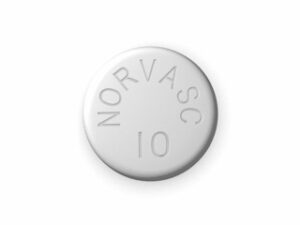
What it looks like: As tablet appearances can vary by strength and manufacturing, check the product packaging or label for confirmation.
How Toprol XL works (mechanism of action)
Metoprolol is a selective beta-1 adrenergic receptor blocker (often described as “beta-1 selective”), which primarily affects the heart. By blocking beta-1 receptors, metoprolol can:
- Slow the heart rate, reducing how hard the heart has to work.
- Reduce the force of contraction, which lowers overall cardiac workload.
- Lower blood pressure by reducing cardiac output and affecting sympathetic drive.
- Help stabilise certain rhythm problems by slowing electrical conduction through parts of the heart.
- Improve symptoms and outcomes in some heart conditions when used as part of an appropriate treatment plan.
The extended-release formulation helps provide consistent effect over 24 hours, which can support smoother symptom control and heart-rate regulation.
Pharmacokinetics: how the body handles Toprol XL
“Pharmacokinetics” describes what the body does with a medicine. For extended-release metoprolol (Toprol XL), key concepts include:
- Absorption: Extended-release technology helps spread drug release over time.
- Onset of effect: Many people notice benefit after starting treatment; however, dose changes may take several days to fully reflect in blood pressure and heart rate control.
- Peak levels: The concentration in the blood typically rises more gradually compared with immediate-release forms.
- Half-life: Metoprolol is metabolised by the liver; the half-life supports once-daily dosing for the XL formulation in many patients.
- Metabolism: Primarily hepatic (liver) metabolism; other medicines that affect liver enzymes can influence metoprolol levels.
- Excretion: Breakdown products are mainly eliminated via the kidneys.
Individual response varies depending on age, liver function, other medicines, and the specific condition being treated.
What Toprol XL is typically used for (indications)
Toprol XL is commonly used for cardiovascular conditions. Depending on your health history, it may be recommended for:
- High blood pressure (hypertension): to lower blood pressure and reduce cardiovascular risk.
- Angina (chest pain): to help reduce frequency and severity of episodes in some patients.
- Heart rhythm problems: to help control ventricular rate in conditions such as certain types of supraventricular tachycardia or atrial fibrillation (as directed by a clinician).
- Heart failure: in selected patients, often as part of guideline-based therapy (exact eligibility and dosing approach matter).
- Other heart-related indications: where a beta-blocker is considered beneficial by your treating team.
Use for any specific condition should be guided by a clinician who can match the medicine to your diagnosis and risk factors.
When and how to take Toprol XL (timing & dosing)
Typical timing
Toprol XL is usually taken once daily. Many people take it at the same time each day, which helps maintain steady effect. Some prefer morning dosing; others prefer evening dosing—your label and clinician’s instructions should guide you.
How to take it
- Swallow whole: Do not crush or chew extended-release tablets unless advised otherwise by your pharmacist or clinician.
- Consistency: Taking it around the same time each day supports stable heart-rate and blood-pressure control.
- Missed dose: If you miss a dose, take it when you remember unless it is close to the next dose. Do not double up.
- Stopping: Do not stop suddenly without medical advice; beta-blockers should typically be tapered to avoid rebound symptoms.
Dosing (general guidance)
Dosing of metoprolol is individualised based on your condition, heart rate, blood pressure, and tolerance. For safety, below is general information rather than exact personal dosing. Always follow the directions on your medicine label.
Common clinical approach:
- Start low, go slow: Clinicians often begin at a lower dose and increase gradually.
- Monitor response: Heart rate, blood pressure, and symptoms guide titration.
- Special caution: People who are older, have lower baseline heart rates, or have certain conduction problems may require more careful adjustment.
If you are taking other heart medications (for example, other rate-controlling or blood-pressure-lowering drugs), your clinician may adjust the overall regimen to minimise side effects.
Food interactions: can you take Toprol XL with meals?
Food can influence how medicines are absorbed for some people. For metoprolol extended-release, many patients can take it with or without food. However, the most important rule is: take it the same way each day (for example, always with meals or always on an empty stomach), unless your pharmacist advised otherwise.
If you notice stomach discomfort, dizziness, or changes in blood pressure when taking it at a particular time relative to meals, speak with your pharmacist or clinician for advice.
Alcohol interactions
Alcohol may increase the chance of dizziness and light-headedness, particularly when combined with blood-pressure-lowering medicines. It can also worsen fatigue and reduce your awareness of low blood pressure symptoms.
- If you drink alcohol, consider moderation and avoid “trial-and-error” amounts when you first start treatment or after dose changes.
- Be cautious when standing up (especially if you feel woozy).
- Seek advice if you develop frequent fainting, severe dizziness, or confusion.
Medicine interactions (important)
Metoprolol can interact with other medicines. Some interactions can change metoprolol levels (increasing side effects) or can change heart rate and blood pressure effects (increasing risks of bradycardia or low blood pressure). Always tell your pharmacist or clinician about all medicines you use, including non-prescription items and herbal products.
Common interaction categories to discuss
- Other medicines that slow the heart: such as certain calcium channel blockers (verapamil/diltiazem), digoxin, and other rate-controlling agents. Combination may be effective in selected cases but can increase risk of slow heart rate.
- Blood pressure medicines: using multiple blood-pressure-lowering drugs may increase the risk of hypotension (low blood pressure).
- Antiarrhythmics (rhythm medicines): may affect heart conduction and rhythm; monitoring may be needed.
- Enzyme inhibitors: some medicines can inhibit liver enzymes involved in drug metabolism, potentially raising metoprolol concentrations.
- Enzyme inducers: some medicines may reduce metoprolol levels, leading to less effect.
- Nitroglycerin and similar therapies: used for angina; can lower blood pressure further.
- Non-steroidal anti-inflammatory drugs (NSAIDs): for some people, NSAIDs can affect blood pressure control and kidney function; discuss if you use them regularly.
Herbal and supplement interactions
Herbal remedies and supplements can also affect heart rate or blood pressure. Examples include products with caffeine-like stimulants or those used for heart/“stress” support. Because ingredients vary, it’s best to discuss any supplements with your pharmacist.
Safety profile: side effects and when to seek help
Like all medicines, Toprol XL can cause side effects. Many are mild and improve as your body adjusts, especially after starting or dose increases. However, some symptoms require prompt medical attention.
Common side effects
- Fatigue or tiredness
- Dizziness or light-headedness
- Slow heart rate (bradycardia)
- Low blood pressure, especially when standing
- Headache
- Cold hands or feet
- Sleep disturbances or vivid dreams in some people
- Shortness of breath on exertion in sensitive individuals (not everyone experiences this)
- Gastrointestinal effects such as nausea
Serious warning signs (seek urgent care)
Contact urgent medical services or seek emergency care if you experience:
- Fainting or severe dizziness
- Very slow heartbeat with weakness, chest discomfort, or collapse
- Breathing difficulty that is severe or worsening
- Chest pain that does not improve or is getting worse
- Signs of an allergic reaction such as swelling of the face/lips, rash with breathing trouble
Precautions and special populations
- Asthma or chronic lung disease: While metoprolol is beta-1 selective, higher doses or individual sensitivity can still affect airways. Inform your clinician if you have asthma or wheezing.
- Diabetes: Beta-blockers can mask some warning signs of low blood sugar (for example, tremor and palpitations). Blood glucose monitoring remains important.
- Peripheral circulation problems: Cold extremities can worsen in some people.
- Heart block or conduction disorders: Use may require careful monitoring.
- Thyroid disease: Beta-blockers can mask signs of hyperthyroidism (such as fast heart rate).
- Pregnancy and breastfeeding: Discuss risks and benefits with your clinician if relevant.
- Older adults: May be more sensitive to dizziness, falls, and low blood pressure. Dose adjustments are often more cautious.
Do not stop suddenly
Stopping beta-blockers abruptly can lead to worsening chest pain, increased heart rate, or other “rebound” effects. If stopping is needed, it’s usually done gradually under clinician guidance.
Practical use tips for everyday success
- Track your pulse: If you have been advised to monitor your heart rate, do so and record results for your clinician.
- Check blood pressure if instructed: Home monitoring can help identify low blood pressure symptoms.
- Rise slowly: If you feel light-headed, stand up gradually from sitting or lying positions.
- Keep appointments: Ongoing follow-up supports safe titration and assessment of benefit.
- Be consistent with timing: Once-daily dosing works best when taken regularly.
- Carry a list of medicines: Especially if you visit other doctors or need urgent care.
- Recognise symptoms: Know the difference between expected mild fatigue versus concerning symptoms like fainting or worsening breathlessness.
Alternative options to consider
If Toprol XL is not suitable due to side effects, availability, or a change in your clinical needs, doctors may consider other medicines. Alternatives depend on the condition being treated. Discuss options with your pharmacist or clinician rather than switching on your own.
Possible alternatives (examples)
- Other beta-blockers: such as bisoprolol, atenolol, carvedilol, nebivolol (choice depends on condition and patient factors).
- Non–beta-blocker options: for blood pressure or rhythm control, alternatives may include ACE inhibitors, ARBs, diuretics, calcium channel blockers, or antiarrhythmics—selected based on your diagnosis.
Your clinician will consider comorbidities (for example, asthma, diabetes, heart failure type), interaction risks, and how well the medicine controls symptoms and measurements.
Australia: market and legal context (general information)
In Australia, cardiovascular medicines like metoprolol are subject to regulatory controls, typically falling under prescription medicine requirements in most cases. Pharmacy dispensing and safety checks are designed to ensure the right medicine is supplied for the right person and that potential interactions are considered.
Online pharmacies should provide clear product details and support safe ordering, including verifying eligibility and matching the correct strength and formulation. Availability can vary by supplier and strength; if Toprol XL is temporarily unavailable, a pharmacy may discuss alternative strengths or formulations with you (subject to clinical suitability).
Note: For the most accurate, current information for your situation, always refer to local regulations, the product packaging, and advice from qualified healthcare professionals.
Recent guidance & monitoring considerations
Clinical practice emphasises safe use of beta-blockers through:
- Individualised titration: starting at a lower dose and increasing gradually based on symptoms, heart rate, and blood pressure.
- Reviewing interactions regularly: especially after starting new medicines or experiencing changes in liver-related health.
- Focusing on patient-centred outcomes: symptom improvement, prevention of cardiovascular events, and reduced hospitalisation risk in appropriate conditions.
- Vigilance for bradycardia and hypotension: particularly in older adults, those with dehydration, or those on multiple rate- or blood-pressure-lowering medicines.
If you have experienced recent changes in dose, symptoms, or concurrent medications, it’s a good idea to schedule medication review with your pharmacist or treating clinician.
Delivery and availability (online pharmacy)
Availability of Toprol XL depends on manufacturer supply and pharmacy stock levels. Online pharmacies in Australia generally offer:
- Multiple strength options: based on what is in stock.
- Compatibility checks: ensuring the correct product and instructions match your needs.
- Delivery tracking: most services provide tracking information for orders.
- Discreet packaging: typical for private medication delivery.
If your selected strength is out of stock, you may be offered:
- a substitute within the same medicine class only if clinically appropriate and permitted, or
- an option to wait for restock, with an alternative plan for treatment continuity.
For timelines, refer to the delivery information shown at checkout. Delivery timeframes vary by location and service provider.
FAQ: Toprol XL (Metoprolol)
1) Is Toprol XL the same as regular metoprolol?
No. Toprol XL is extended-release metoprolol, designed for once-daily dosing in many people. Regular metoprolol may be immediate-release and may require different dosing frequency. Always use the formulation your clinician prescribed.
2) How long does it take to work?
Some benefits may be noticed within days, especially for heart-rate control and symptoms. Blood pressure improvements can also take time after starting or adjusting the dose. Your clinician may allow a period for stabilisation before making further changes.
3) What should I do if I feel dizzy after taking Toprol XL?
Sit or lie down right away and avoid driving. Dizziness may reflect low blood pressure or a slow heart rate. If symptoms are severe, persistent, or associated with fainting, chest pain, or breathing trouble, seek urgent medical attention. Inform your pharmacist or clinician promptly.
4) Can I take Toprol XL with food?
Many people can take it with or without food. Choose a routine that suits you and take it consistently. If you experience nausea or stomach upset, taking it with food may help—discuss options with your pharmacist.
5) Can I drink alcohol while taking Toprol XL?
Alcohol can increase dizziness and may worsen low blood pressure. If you drink, consider moderation and be extra cautious after starting or changing your dose. If you experience faintness or severe dizziness, avoid alcohol and seek medical advice.
6) Does Toprol XL affect asthma?
Metoprolol is beta-1 selective, but in some people it may still affect breathing, especially at higher doses or with sensitivity. If you have asthma or wheezing, discuss this with your clinician and monitor symptoms closely.
7) Will Toprol XL mask low blood sugar symptoms?
Beta-blockers can reduce some warning signs of hypoglycaemia, such as palpitations and tremor. If you have diabetes, follow your blood glucose monitoring plan closely and inform your clinician that you are taking a beta-blocker.
8) Should I stop Toprol XL suddenly if I feel better?
No. Do not stop beta-blockers abruptly. Stopping suddenly can lead to worsening symptoms, such as increased heart rate or chest pain. If you want to discontinue, your clinician will usually advise a gradual taper.
9) What medicines should I be careful with?
Caution is needed with medicines that slow the heart, lower blood pressure, or interact through liver metabolism. Examples may include certain calcium channel blockers, antiarrhythmics, digoxin, and some antidepressants/antifungals/anti-viral medicines. Always ask your pharmacist if you’re unsure.
10) How should I store Toprol XL?
Store tablets according to the label instructions (commonly at controlled room temperature and away from moisture). Keep out of reach of children. Do not use after the expiry date.
Key takeaways
- Toprol XL is an extended-release metoprolol beta-blocker, usually taken once daily.
- It works by slowing the heart rate and reducing the heart’s workload, supporting blood pressure and rhythm control.
- Consistency matters: take it at the same time each day and don’t stop suddenly.
- Be alert for dizziness, fainting, breathing difficulty, or very slow heart rate and seek urgent care if they occur.
- Alcohol and interacting medicines can increase risks—discuss your full medication list with a pharmacist.