Torsemide (Oral) — Patient Guide
Torsemide is a medicine used to treat fluid retention (oedema) and high blood pressure in certain people. It belongs to a class called “loop diuretics,” which help your kidneys remove extra salt and water from the body. This page explains what torsemide does, how it works, when to take it, common side effects, and important safety information for people in Australia.
Basic product information
- Medicine name: Torsemide
- Group: Loop diuretic (“water tablet”)
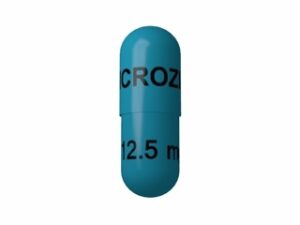
- Typical forms: Tablets
- Common strengths (varies by product): 5 mg, 10 mg, 20 mg, 50 mg
- Who manufactures/packs: Depends on brand
- How it’s used: Usually once or twice daily, depending on the condition and dose
Brand names vary. Your pharmacist or doctor can confirm the exact brand and strength you have. The information below applies to torsemide in general.
What torsemide does (mechanism of action)
Torsemide works in the kidney by blocking the Na-K-2Cl transporter in the thick ascending limb of the loop of Henle. This leads to:
- Increased loss of salt (sodium) and water through urine
- Reduced fluid build-up in the body
- Lowering of blood pressure in some people
By reducing fluid overload, torsemide can relieve symptoms such as swelling in legs/ankles and shortness of breath related to fluid retention. It may also help the heart work more efficiently in some conditions.
Pharmacokinetics (how the body handles torsemide)
Pharmacokinetics describes what happens after you take a dose—absorption, distribution, metabolism, and excretion. While exact values can vary, torsemide generally shows:
- Absorption: Orally administered torsemide is absorbed in the gastrointestinal tract.
- Onset of action: Many people notice increased urination within the first few hours after a dose.
- Peak effect: Drug levels typically peak within a few hours, depending on the individual.
- Duration: The urine-promoting effect typically lasts several hours, which is why dosing is commonly once or twice daily.
- Elimination: Torsemide is cleared from the body mainly via the kidneys and also involves metabolism/other pathways.
Kidney function matters. Your clinician may adjust dosing based on your kidney health, symptoms, and blood test results (such as electrolytes and kidney markers).
Typical uses and indications
Torsemide is commonly used for:
- Oedema (fluid retention) due to:
- Congestive heart failure
- Chronic kidney disease with fluid overload
- Liver disease with fluid retention (ascites/oedema), depending on the overall treatment plan
- Other causes of oedema where a loop diuretic is appropriate
- Hypertension (high blood pressure) in certain cases, often when other options are not suitable or as part of combination therapy
Treatment is usually guided by symptoms and monitored with blood tests and/or weight checks to keep fluid balance safe.
How to take torsemide: timing and daily routine
Many people take torsemide in the morning to reduce night-time urination. However, your exact timing should follow your clinician’s instructions.
Timing tips
- Morning dosing: If taken once daily, morning is often preferred.
- Twice-daily dosing: If prescribed twice daily, the second dose is often scheduled earlier in the afternoon (not late evening) to minimise sleep disruption.
- Use consistent timing: Taking it at similar times each day can improve symptom control.
- Monitor fluid symptoms: Track swelling, breathing comfort, and body weight as advised.
If you miss a dose, do not “double up” unless your healthcare professional advises it. For practical guidance, see the FAQ below.
Food interactions and absorption considerations
Torsemide can generally be taken with or without food. Food interactions are not usually a major concern, but individual products and health circumstances can affect tolerability.
- General advice: Take your tablet the same way each day (with or without food), if possible.
- Hydration: Because torsemide increases urine output, ensure you are drinking enough fluids unless your clinician has placed you on a fluid restriction.
- High-salt diets: Very salty foods may worsen fluid retention, counteracting diuretic efforts.
If you have liver disease, heart failure, or kidney impairment, fluid and salt intake may be more tightly managed—follow the plan your clinician provides.
Alcohol and medicine interactions
Alcohol
Alcohol can affect blood pressure, hydration, and electrolyte balance. With diuretics, drinking alcohol may increase the risk of dizziness, dehydration, or low blood pressure. If you choose to drink alcohol, do so cautiously and consider limiting intake—especially at times when your diuretic effect is strongest.
Important medicine interactions
Torsemide can interact with other medicines, which may increase risk of side effects such as electrolyte changes or kidney injury. Tell your pharmacist or clinician about all medicines you use, including over-the-counter products and supplements.
Common interaction categories include:
- Other blood pressure medicines: Combined effects may lower blood pressure too much in some people.
- NSAIDs (e.g., ibuprofen, naproxen): NSAIDs may reduce diuretic effect and can increase kidney risk—especially in older adults or those with kidney disease.
- Lithium: Diuretics can increase lithium levels, potentially causing toxicity.
- Digoxin: Low potassium may increase the risk of digoxin-related effects.
- Diabetes medicines: Fluid changes and electrolyte shifts can affect glucose control. Monitoring may be needed.
- Electrolyte-affecting medicines:
- Corticosteroids (e.g., prednisone) can increase potassium loss
- Laxatives used frequently can worsen electrolyte imbalance
- Other potassium-lowering medicines may amplify low potassium risk
- Medications that affect potassium or magnesium: Your clinician may check blood levels and advise supplements if needed.
- Renal (kidney) stress medicines: Some antibiotics or contrast agents can affect kidney function; torsemide may complicate this in vulnerable patients.
If you are taking any medicine that can influence kidney function or electrolytes, additional blood tests may be required.
Dosing: what to know
Torsemide dosing varies depending on the condition being treated, severity of fluid retention, kidney function, and your response. Doses are individualised.
Typical starting and adjustment approach
- Oedema/heart failure: Dosing often starts low and is adjusted based on symptoms, urine response, and blood tests (electrolytes and kidney function).
- Hypertension: Lower doses are often used, and blood pressure is monitored to guide changes.
- Renal impairment: Dosing may require adjustment and closer monitoring.
How clinicians commonly monitor effectiveness
- Weight: Daily weight or routine weight checks can show whether fluid is improving.
- Symptoms: Swelling and breathing comfort.
- Blood tests: Potassium, sodium, creatinine/eGFR and sometimes magnesium.
Do not change your dose without medical advice. If your swelling or breathing worsens, contact your healthcare team promptly rather than adjusting the dose yourself.
Safety profile: side effects and when to seek help
Torsemide is generally effective and widely used. Like all medicines, it can cause side effects. Many are related to its effect on fluid and electrolyte balance.
Common side effects
- Increased urination (expected)
- Thirst
- Dizziness, especially when standing up quickly
- Headache
- Low blood pressure symptoms (light-headedness)
- Electrolyte changes such as:
- Low potassium (may cause weakness, cramps, abnormal heart rhythms)
- Low sodium
- Low magnesium
Less common but important risks
- Dehydration if fluid intake is insufficient or dosing is too strong
- Kidney function changes, especially in people with dehydration, kidney disease, or those taking interacting medicines
- Ringing in ears (tinnitus) or hearing changes (rare; risk may be higher with high doses)
- Gout flare due to increased uric acid in some people
- Abnormal heart rhythm if potassium or magnesium become too low
Seek urgent medical advice if
- You faint or have severe dizziness
- You have palpitations, chest pain, or feel your heart is “racing” or irregular
- You are confused, very weak, or unable to keep fluids down
- You have signs of severe dehydration (very dry mouth, minimal urination, marked weakness)
- You develop signs of a serious allergic reaction (swelling of face/lips, difficulty breathing, rash with hives)
Practical use tips for best results
1) Track your body and symptoms
- Consider weighing yourself at the same time each day (if advised).
- Notice changes in swelling and breathing comfort.
- Report sudden changes to your healthcare team.
2) Protect electrolytes and hydration
- Your clinician may recommend blood tests at intervals.
- Do not start potassium supplements on your own—potassium balance should be guided by your results and overall condition.
- If you’re on a fluid restriction, follow it carefully.
3) Manage dizziness safely
- Get up slowly from sitting or lying positions.
- Be cautious driving or operating machinery if you feel light-headed.
4) Keep a medication record
- Maintain a list of all medicines and supplements you take.
- Update your pharmacist during each medication review, especially if you start antibiotics, anti-inflammatory medicines (NSAIDs), or new blood pressure drugs.
5) Diet considerations
- Reduce excessive salt (sodium) to support fluid control.
- If you have diabetes, monitor glucose closely during periods of dietary or fluid changes.
- If you have gout, discuss your gout prevention strategy with your clinician.
Alternative options (if torsemide isn’t suitable)
If torsemide isn’t appropriate—due to side effects, interactions, availability, or specific clinical needs—your clinician may consider other diuretics or strategies. Options depend on the reason torsemide is being used.
Other loop diuretics
- Furosemide (also used for fluid retention; different dosing patterns)
- Bumetanide (another loop diuretic in some cases)
Other diuretic classes (selected situations)
- Thiazide-like diuretics (often for hypertension; sometimes combined)
- Aldosterone antagonists (may be used in certain heart failure plans)
Your clinician will choose the alternative that best matches your condition, kidney function, and electrolyte targets.
Market and legal context for Australia
In Australia, torsemide is regulated through the medicines framework under the Therapeutic Goods Administration (TGA). Access to torsemide is determined by its schedule status and the dispensing arrangements in place at pharmacies.
Online pharmacies typically provide medicines in line with Australian health regulations, including appropriate identification/verification steps and supply restrictions where required. Always ensure you order from a reputable, legally operating Australian pharmacy and that your supply aligns with your healthcare needs.
If you have questions about eligibility, delivery restrictions, or documentation requirements, contact the pharmacy’s customer service before ordering.
Recent guidance and monitoring themes (Australia)
While individual advice depends on your diagnosis and risk factors, recent clinical practice in Australia commonly emphasises:
- Regular electrolyte monitoring (potassium, sodium, magnesium) for people on loop diuretics
- Kidney function checks (creatinine/eGFR), particularly in older adults, those with chronic kidney disease, or after dose changes
- Attention to interactions (especially NSAIDs and certain other medicines that affect kidneys or lithium levels)
- Patient education on recognising dehydration and low blood pressure symptoms
- Individualised dosing based on symptoms and laboratory results rather than fixed “one-size-fits-all” use
If you’ve recently started torsemide or had a dose change, your clinician may schedule blood tests and follow-up within a short time frame.
Delivery and availability
Availability can vary by brand and strength. Many online pharmacies in Australia offer delivery across metropolitan and regional areas. Delivery timelines depend on location, stock status, and shipping method.
- Stock availability: Some torsemide strengths may be kept on hand; others may be sourced from suppliers.
- Delivery timeframes: Commonly range from next business day to several business days depending on your address.
- Cold chain: Torsemide tablets typically do not require refrigeration.
- Packaging: Medicines are usually supplied in manufacturer packaging where possible.
Check the pharmacy’s website for estimated delivery times and any cut-off times for dispatch. If you need torsemide urgently (e.g., you are running out), contact customer service early.
FAQ: Torsemide for people in Australia
1) What is torsemide used for?
Torsemide is used to reduce fluid retention (oedema) such as swelling from heart failure and other causes. It may also be used to help manage high blood pressure in certain situations.
2) When should I take torsemide?
Most people take it in the morning to reduce night-time urination. If taken twice daily, the second dose is usually earlier in the afternoon. Follow your clinician’s directions for your specific schedule.
3) Can I take torsemide with food?
Torsemide can often be taken with or without food. If food helps you tolerate it, you can take it that way consistently. Keep your routine steady.
4) What if I miss a dose?
If you miss a dose, take it when you remember unless it is close to the time for your next dose. If it’s near your next dose, skip the missed dose and continue with your usual schedule. Do not take a double dose.
5) Will torsemide make me pee more?
Yes. Increased urination is expected, especially after the dose. Plan around bathroom access, particularly in the first day or after dose changes.
6) What side effects should I watch for?
Watch for dizziness, symptoms of low blood pressure, signs of dehydration (very thirsty, weak, reduced urination), and symptoms that could suggest low potassium (muscle cramps or weakness) or abnormal heart rhythm (palpitations). Seek urgent advice if symptoms are severe.
7) Does torsemide affect potassium?
It can lower potassium in some people. Your clinician may monitor blood tests and advise supplements if needed. Do not take extra potassium without guidance.
8) Are there medicines I should avoid?
Some medicines can interact with torsemide, including NSAIDs (like ibuprofen), lithium, and certain drugs that affect kidney function or electrolyte balance. Always tell your pharmacist about your full medicine list.
9) Can I drink alcohol while taking torsemide?
Alcohol may increase dizziness and dehydration risk. If you drink, do so cautiously and stay hydrated—unless your clinician has restricted fluids.
10) Is torsemide safe for long-term use?
Many people take torsemide long-term when clinically needed. Safety depends on regular monitoring of kidney function and electrolytes, along with attention to symptoms and interactions.
Summary
Torsemide is a loop diuretic used to treat fluid retention and, in some cases, high blood pressure. It works by helping your kidneys remove excess salt and water. Effective use usually involves the right timing (often morning), hydration awareness, and periodic blood tests to monitor electrolytes and kidney function. If you experience severe dizziness, palpitations, dehydration, or other concerning symptoms, seek medical help promptly.