Triamcinolone (Triamcinolone acetonide) – Patient Information (Australia)
Triamcinolone is a corticosteroid medicine used to reduce inflammation and calm an overactive immune response. It is available in different forms, including inhaled (for some breathing conditions), topical/skin preparations (for skin inflammation), and injection (for selected inflammatory conditions). The exact product strength and how it is used depend on the form prescribed and your condition.
This page explains how triamcinolone works, how it behaves in the body, typical uses, and practical safety considerations. Always follow the specific directions on your product label and any advice from your healthcare professional.
Quick product overview
| Feature | What to know |
|---|---|
| Medicine name | Triamcinolone (often “triamcinolone acetonide”) |
| Medicine type | Corticosteroid (anti-inflammatory, immunosuppressive) |
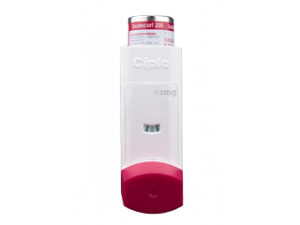
| Common forms | Inhaled; topical/cream/ointment; oral dental paste (for some mouth ulcers); injection (clinical use) |
| Main benefit | Reduces swelling, redness, itching, and inflammatory symptoms |
| Typical time to feel effects | Often within hours to days (varies by condition and form) |
| Key safety themes | Infection risk, skin thinning with topical use, blood sugar changes, eye effects with prolonged use |
How triamcinolone works (mechanism of action)
Triamcinolone belongs to the group of medicines called corticosteroids. It helps control inflammation by influencing the body’s inflammatory pathways. In simple terms, it:
- Reduces inflammatory chemicals released by the immune system.
- Decreases swelling and mucus production in affected tissues (important for some breathing and allergic conditions).
- Suppresses overactive immune responses that contribute to symptoms like redness, itch, and pain.
- Stabilises immune activity so that flare-ups are less intense and may occur less often.
Importantly, triamcinolone treats the inflammation driving symptoms. It does not “cure” the underlying condition, but it can provide strong symptom control when used appropriately.
Pharmacokinetics: how the medicine moves through the body
“Pharmacokinetics” describes what the body does to a medicine—absorption, distribution, metabolism, and elimination. These details can vary substantially depending on the route (inhaled, topical, oral, or injected) and the formulation.
Absorption
- Inhaled forms: absorbed through the lungs and also swallowed to some extent, depending on inhalation technique.
- Topical forms: absorbed through the skin in smaller or larger amounts depending on the thickness of the skin, the area treated, and whether skin is damaged.
- Injection: absorbed into the bloodstream from the injection site (rate depends on the specific product and site).
- Oral dental paste (if applicable): acts locally in the mouth with limited systemic exposure.
Distribution
After absorption, corticosteroids can distribute into body tissues. The degree of systemic exposure is typically lowest with well-targeted topical or local preparations, but can increase with higher doses, larger treatment areas, occlusive dressings, or prolonged use.
Metabolism
Triamcinolone is metabolised primarily by the liver. Metabolic clearance can be influenced by other medicines and by liver function.
Elimination
Metabolites are excreted mainly via the kidneys. The duration of effect often depends on the formulation and route. For example, inhaled or injected forms may have a longer anti-inflammatory effect than their measured blood levels might suggest.
Typical uses and indications
Triamcinolone is used for inflammatory and immune-related conditions. The exact indication depends on the formulation. Common therapeutic areas include:
- Allergic and inflammatory airway conditions (for some inhaled corticosteroid regimens)
- Skin inflammation such as eczema, dermatitis, and other steroid-responsive inflammatory skin conditions
- Inflammation in the mouth (for some steroid dental paste products, used for painful inflammatory lesions)
- Joint and soft-tissue inflammation (with injection in selected cases)
Your healthcare professional will match the form and strength to your condition. If you are unsure which triamcinolone product you have, check the brand name and “active ingredient” listing on the label.
Timing: when to take and when to expect benefit
Timing depends on how you use triamcinolone:
- Inhaled: use at the times directed (often once or twice daily). Consistency matters more than “catching up” after missed doses.
- Topical/skin: apply a thin layer to the affected area as directed. Follow a schedule (e.g., once or twice daily) and avoid frequent over-application.
- Dental paste (if applicable): usually applied to the affected mouth area at set times. Avoid eating or drinking immediately after application if instructed.
- Injection: given in a clinical setting; timing is based on the treatment plan.
How soon it works: many people notice symptom improvement within 24–72 hours for some inflammatory conditions, especially topical or mouth-related issues. For chronic airway conditions, benefits may build over days to weeks.
Do not stop suddenly if you are using higher-dose treatments for an extended time—stopping corticosteroids abruptly may be unsafe. Discuss tapering with your healthcare professional.
Food interactions
Food interactions depend on the route:
- Inhaled triamcinolone: generally no specific food restriction, but rinsing your mouth after use (if instructed) helps reduce local side effects.
- Topical triamcinolone: food does not directly affect skin absorption.
- Oral forms: if the product is taken by mouth, take with food if your healthcare professional advises it to reduce stomach irritation (follow the label directions).
- Injection: typically not affected by meal timing.
If your product is specifically formulated for oral use, check the patient information leaflet provided with that product. When in doubt, ask your pharmacist.
Alcohol and medicine interactions
Alcohol
Alcohol is not usually listed as a direct interaction with triamcinolone for typical dosing, but caution is recommended because corticosteroids can affect:
- Mood and sleep: steroids may sometimes affect mood, energy, or insomnia.
- Stomach irritation: heavy alcohol intake may increase irritation and worsen gastritis in some people.
- Blood sugar: corticosteroids can raise blood glucose, which alcohol may further complicate—particularly for people with diabetes.
If you choose to drink alcohol, do so in moderation and avoid excessive intake. If you have diabetes, a history of ulcers, liver disease, or frequent steroid courses, speak to a healthcare professional for tailored advice.
Medicine interactions
Triamcinolone can interact with other medicines, especially those affecting liver enzymes or immune function. Examples include:
- Liver enzyme inducers (e.g., some anti-epileptic medicines such as carbamazepine; some tuberculosis medicines): may reduce steroid effect.
- Strong CYP3A inhibitors (e.g., some antifungals, certain HIV medicines): may increase steroid exposure and risk of side effects.
- Other corticosteroids (including tablets, injections, or high-dose topical use): can increase overall steroid burden.
- Immunosuppressants: may increase infection risk.
- Vaccines: live vaccines may be less suitable during significant immunosuppression—discuss with your healthcare provider.
- Diabetes medicines (insulin, metformin, sulfonylureas): steroid-related rises in blood glucose may require monitoring or adjustment.
- Anticoagulants (e.g., warfarin): effects may change in either direction depending on context—monitoring is important when starting/stopping steroids.
Always provide your pharmacist or doctor with a complete list of medicines, including supplements and herbal products. If you are using multiple steroid products (for example, inhaled and topical), mention all of them.
Dosing: how much triamcinolone is used
Dosing must be individualised to the condition, severity, and the formulation (inhaled vs topical vs injected). The same medicine can have very different dosing schedules in different products.
General dosing principles:
- Use the lowest effective dose for the shortest necessary duration.
- Tapering may be required if you have been on higher doses for a while.
- Follow technique guidance for inhaled products (to reduce side effects and improve effectiveness).
- Topical use: apply sparingly to affected areas. Avoid large areas, prolonged use, and occlusive dressings unless specifically instructed.
Because dosing differs greatly, the table below provides example patterns only. Your label and the product-specific instructions are the final authority.
| Form | Typical dosing approach (example) | What to watch |
|---|---|---|
| Inhaled triamcinolone | Usually once or twice daily, depending on the regimen | Rinse mouth if advised; monitor breath symptoms and side effects |
| Topical triamcinolone | Thin layer to affected skin once or twice daily | Skin thinning, burning, or worsening rash |
| Dental paste (local use) | Applied to the affected area at scheduled times | Do not overuse; follow meal guidance if provided |
| Injection | Given at intervals determined by specialist | Temporary flare, blood sugar/glucose changes, infection risk |
If you miss a dose: The correct approach depends on your product. In many cases, if it’s close to the next dose, skip the missed one—do not double up. Check the product leaflet or ask your pharmacist for the safest guidance.
Safety profile: important precautions
Triamcinolone can be very effective, but like all corticosteroids it has potential side effects—especially with higher doses, frequent use, long-term use, or when more steroid enters the body (for example, large topical areas).
Common side effects (vary by formulation)
- Topical: mild burning or stinging, acne-like bumps, or skin irritation
- Inhaled: hoarseness or throat irritation; risk of oral thrush (reduced by proper technique and mouth rinsing)
- General: sleep disturbance, mood changes, increased appetite (more likely with systemic exposure)
Serious side effects – seek urgent medical advice
- Signs of serious infection (fever, severe sore throat, rapidly worsening symptoms)
- Allergic reaction (swelling of face/lips, difficulty breathing, widespread rash)
- Vision problems (blurred vision, eye pain) particularly with prolonged use
- Severe abdominal pain or black/tarry stools if using oral steroid products and you have risk factors
Key precautions
- Infection risk: corticosteroids can reduce the body’s ability to fight infections. Avoid use without advice if you have an active infection (including fungal or viral infections).
- Eye health: long-term corticosteroid exposure can increase risk of cataracts and glaucoma. Eye checks may be needed for prolonged use.
- Bone and muscle effects: prolonged high-dose therapy can affect bone density and muscle strength.
- Blood sugar changes: may raise glucose levels, especially in people with diabetes or pre-diabetes.
- Blood pressure and fluid retention: some people experience increased blood pressure or swelling.
- Skin changes (topical): prolonged use can thin skin, cause stretch marks, and worsen certain skin conditions.
Tell your healthcare professional if you have or have had diabetes, glaucoma, cataracts, peptic ulcer disease, osteoporosis, tuberculosis, or frequent infections.
Practical use tips (to get the best results and reduce side effects)
Inhaled triamcinolone tips
- Check your inhaler technique regularly. Incorrect technique is a common cause of reduced benefit and more side effects.
- Rinse and spit after use if your product instructions say to do so. This helps reduce mouth irritation and thrush risk.
- Use a spacer if recommended for your device type—this can improve delivery to the lungs.
- Do not stop suddenly if your symptoms are controlled only while using it.
Topical triamcinolone tips
- Apply a thin layer to the affected area.
- Avoid applying to infected skin unless your clinician specifically advises (steroid can mask or worsen infections).
- Do not cover with tight occlusive dressings unless instructed.
- Wash hands after application (unless treating your hands).
Dental paste (if applicable) tips
- Apply carefully to the affected area as directed.
- Avoid eating or drinking immediately after application if your product guidance suggests it.
- Contact your healthcare professional if ulcers persist beyond the expected timeframe.
Alternative options
Depending on the condition and the required form (skin, mouth, airways, or joint), alternatives to triamcinolone may include:
- Other corticosteroids (different potencies or molecules)
- Non-steroidal anti-inflammatory medicines (for pain/inflammation in selected settings, noting they don’t replace steroids for immune-driven inflammation)
- Topical non-steroid treatments such as calcineurin inhibitors for certain dermatitis cases (specialist guidance may be needed)
- For airway conditions: bronchodilators and other controller medicines (your clinician will decide the best combination)
- Supportive measures like moisturisers, trigger reduction, and skin care plans (especially for eczema)
Your best alternative depends on your diagnosis, severity, and previous response to medicines. Discuss options with a healthcare professional rather than switching between steroid products on your own.
Market and legal context for Australia
In Australia, corticosteroids including triamcinolone are regulated medicines. The availability depends on the exact product and strength, which may determine whether it is:
- listed for pharmacist supply,
- available under restricted supply, or
- provided via authorised pathways used in clinical care (especially for injection products).
Online pharmacy supply should follow Australian regulations and pharmacy standards. Product availability, pack sizes, and brand names can vary between sellers. For accurate sourcing and suitability, always confirm that the medicine matches the active ingredient and form listed on your intended treatment plan.
If you have questions about whether a specific triamcinolone product is suitable for you, a pharmacist can advise based on your health history and the product details.
Recent guidance and clinical considerations
Clinical practice commonly emphasises a “right medicine, right dose, right duration” approach for corticosteroids. Key themes in ongoing medical guidance include:
- Use the minimum effective dose and review regularly to reduce side-effect risk.
- Optimise inhaler technique for inhaled steroids and encourage mouth rinsing to reduce oral side effects.
- Assess infection risk before starting or increasing steroid treatment, especially if symptoms suggest infection.
- Monitor metabolic effects (such as blood glucose) in people with diabetes or at higher risk.
- Be alert to ocular effects with prolonged use and ensure appropriate follow-up if indicated.
If you have recently changed dose or formulation, it’s helpful to review your action plan with your healthcare professional—particularly for asthma, chronic inflammatory skin conditions, or recurrent mouth ulcer problems.
Delivery and availability (Australia)
Availability of triamcinolone products may differ by form and manufacturer. When ordering through an online pharmacy, you may see options such as:
- different strengths or pack sizes
- brand variations with the same active ingredient
- local delivery timeframes and shipping conditions
Delivery tips:
- Check the product’s active ingredient (triamcinolone) and form (inhaled, topical, dental paste, injection).
- Confirm any storage requirements listed on the label (most topical and inhaled products have standard room-temperature storage, but always follow the specific instructions).
- If your order is time-sensitive, choose the fastest available shipping option and ensure your delivery address is correct.
If the medicine you want is temporarily unavailable, an online pharmacy may offer alternatives with the same active ingredient and comparable strength—subject to regulatory and clinical suitability.
FAQ: Frequently asked questions about Triamcinolone
1) Is triamcinolone a steroid?
Yes. Triamcinolone is a corticosteroid. It reduces inflammation and alters immune activity to control symptoms. The effects are beneficial for steroid-responsive inflammatory conditions when used correctly.
2) Will triamcinolone cause weight gain?
Some people notice increased appetite or fluid retention, particularly with higher-dose or systemic exposure (for example, injections or higher-dose regimens). If you experience concerning weight changes, swelling, or rapid shifts in mood or sleep, speak to your healthcare professional.
3) Can I use triamcinolone on infected skin?
Generally, you should avoid using topical corticosteroids on skin that may be infected (bacterial, viral, or fungal) unless a clinician has assessed it and provided a plan. Steroids can mask symptoms and potentially worsen some infections.
4) How do I reduce the risk of thrush with inhaled steroids?
Use correct inhaler technique and rinse your mouth (and spit) if your product instructions recommend it. Seek medical advice if you develop white patches in the mouth, painful swallowing, or persistent throat irritation.
5) What should I do if symptoms get worse after starting triamcinolone?
Some conditions can flare initially, but worsening symptoms may also signal infection or incorrect diagnosis/formulation. Stop and seek advice promptly if you have fever, severe pain, spreading redness, or rapidly worsening breathing or skin symptoms.
6) Can I stop triamcinolone suddenly?
Do not stop suddenly without advice if you’ve been using it for a prolonged period or at higher doses. Abrupt stopping may be unsafe. Discuss a step-down plan with your healthcare professional if you need to discontinue.
7) Does alcohol interact with triamcinolone?
There is typically no specific “hard” interaction for most people, but alcohol can increase risks such as stomach irritation and may complicate blood sugar control. If you have diabetes, ulcers, liver disease, or frequent steroid use, seek personalised guidance.
8) Is triamcinolone safe for children?
Corticosteroid use in children requires careful dosing and monitoring. Topical absorption can be greater in children due to skin characteristics and body surface area. Use only under healthcare guidance and follow product directions closely.
9) What monitoring might I need?
Monitoring depends on the formulation and duration. For prolonged systemic exposure, clinicians may monitor blood pressure, blood glucose, eye health, weight changes, and overall infection risk. Inhaled or topical products may require less intensive monitoring but still benefit from periodic review.
10) What should I tell my pharmacist or doctor before using triamcinolone?
Tell them about your medical history and medicines, including:
- diabetes or pre-diabetes
- glaucoma or cataracts
- frequent infections or past tuberculosis
- current infections (skin, chest, mouth)
- all other steroid medicines (inhaled, topical, tablets, injections)
- any vaccines you recently received or plan to receive
Need help choosing the right product form? If you share your condition and the triamcinolone form you’re considering (inhaled, topical, dental paste, or injection), a pharmacist can help confirm suitability and explain how to use it safely.