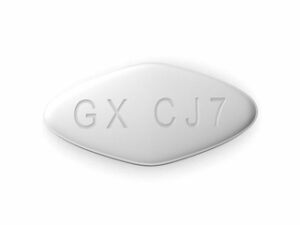


Trimetazidine (Trimetazidine) — Patient-Friendly Guide (Australia)
Trimetazidine is a medicine used to help protect heart muscle cells during periods of reduced blood flow (ischemia) and may also support symptoms related to stable angina. In Australia, Trimetazidine may be supplied under brand names that vary by manufacturer and category, and availability can differ across pharmacies.
This guide explains how Trimetazidine works, how it behaves in the body, what it is used for, typical dosing and timing, key safety points, and practical tips for everyday use—written in a clear, patient-friendly way.
Basic Product Information
| Item | Details |
|---|---|
| Generic name | Trimetazidine |
| Common uses | Support for stable angina symptoms; helps protect heart muscle during reduced oxygen supply |
| Typical formulation | Oral tablets (often modified-release formulations exist—follow your exact product instructions) |
| How it’s taken | Usually by mouth, with timing based on the formulation and your prescriber’s instructions |
| Onset | Some people notice symptom benefits over time; consistent daily use is usually important |
| Common side effects | Headache, dizziness, stomach upset; less commonly movement-related symptoms (see Safety Profile) |
How Trimetazidine Works (Mechanism of Action)
Trimetazidine is designed to improve how cells use energy when oxygen supply is reduced. Heart muscle (and other tissues) need energy to function properly. When oxygen is limited, the body’s usual energy processes can become less efficient.
Trimetazidine helps shift heart cell metabolism toward more efficient pathways. Specifically, it is associated with:
- Reduced reliance on fatty acid oxidation and a tendency toward more efficient glucose metabolism.
- Better preservation of cellular energy in stress conditions.
- Improved cardiac tolerance during episodes of reduced blood flow.
The result is often improved exercise tolerance and reduced frequency/severity of angina symptoms in people with stable angina.
Pharmacokinetics (What Happens to the Medicine in the Body)
“Pharmacokinetics” describes absorption, distribution, metabolism, and elimination. While exact figures may vary by formulation (immediate-release vs modified-release) and individual factors, the general pattern for oral Trimetazidine is:
- Absorption: After oral dosing, Trimetazidine is absorbed through the gastrointestinal tract.
- Peak levels (Tmax): Peak blood levels generally occur within a few hours for many formulations; modified-release products can delay peak concentrations.
- Distribution: It distributes into body tissues, including the cardiovascular system.
- Metabolism: Trimetazidine is processed by the body to metabolites (details can vary between individuals).
- Elimination: The medicine is primarily eliminated via the kidneys. Kidney function therefore matters for safe use.
If you have reduced kidney function, your dose and monitoring may need adjustment. Always follow the dosing schedule on your product label or the instructions given by your healthcare professional.
Typical Use and Indications
Trimetazidine is commonly used for conditions where heart muscle benefits from metabolic support. The most typical indication is:
- Stable angina: to help reduce symptoms and improve exercise tolerance in people with stable angina.
It is generally used as part of a broader cardiovascular symptom management plan. It is not meant to replace urgent treatments for sudden chest pain.
When to Take Trimetazidine (Timing and Routine)
The correct timing depends on whether your product is immediate-release or modified-release. Because formulations can differ, it’s important to:
- Follow your exact product instructions (label/pack directions).
- Take it regularly to maintain steady benefit.
- Use the same times each day if you take it more than once daily.
A practical approach for many people is to build it into daily routines:
- With morning and evening meals (if your dosing schedule is twice daily).
- With breakfast only (if it’s once daily and your product directions indicate morning use).
If you are unsure whether your tablets are modified-release, check your pack and/or ask a pharmacist.
Food Interactions (Can You Take it with Meals?)
Many patients tolerate Trimetazidine well with or without food. However, food can influence absorption and reduce stomach discomfort.
- Taking with food may improve stomach comfort (e.g., reducing nausea or indigestion).
- For modified-release products, do not crush or break tablets unless specifically instructed by your product/doctor—this can affect how the medicine releases.
If your pack indicates “take with food” or provides specific timing (morning/evening), follow those instructions.
Alcohol and Medicine Interactions
Alcohol can affect your cardiovascular system and may worsen symptoms such as dizziness or heart-related discomfort in some people. While alcohol is not always a direct biochemical interaction with Trimetazidine, combining alcohol with any heart medicine can increase the chance of side effects.
- Avoid heavy drinking and stay within safe limits.
- Be cautious if you feel dizzy or light-headed—alcohol can increase that risk.
- Alcohol may worsen dehydration, which can affect tolerance of cardiovascular symptoms.
Regarding other medicines, Trimetazidine is not typically known for major direct interactions with large numbers of common cardiovascular drugs. Still, medication interactions can occur based on your specific health conditions and kidney function.
Tell your pharmacist/doctor about:
- Other heart medicines (e.g., nitrates, beta-blockers, calcium channel blockers)
- Medicines for blood pressure
- Any medicines that affect kidney function
- Over-the-counter drugs and supplements
Dosing (How Much and How Often)
Trimetazidine dosing depends on:
- Your diagnosed condition (e.g., stable angina)
- Your age
- Your kidney function
- The specific tablet strength and whether it is immediate-release or modified-release
Important: Always use the dose written on your prescription/medicine label and the instructions on your product pack.
General guidance (illustrative)
Many Trimetazidine regimens in stable angina are taken 1–2 times daily, depending on formulation. Some people use twice-daily schedules for immediate-release preparations, while once-daily schedules are often associated with modified-release tablets.
- Do not double up if you miss a dose.
- If you miss a dose, take it when you remember unless it’s close to the next dose—then skip the missed dose.
If you have kidney impairment, your healthcare professional may choose a lower dose or a different schedule. Because Trimetazidine is largely eliminated by the kidneys, this adjustment is an important safety step.
Safety Profile (Side Effects and Precautions)
Like all medicines, Trimetazidine can cause side effects. Not everyone gets them, and many are mild or temporary. However, some effects require prompt medical attention.
Common or possible side effects
- Headache
- Dizziness
- Gastrointestinal discomfort (e.g., nausea, indigestion)
- Fatigue
Less common but important: movement-related symptoms
In some cases, medicines like Trimetazidine have been associated with movement-related side effects, particularly in people who develop or have risk factors for Parkinsonism. Symptoms can include:
- Tremor
- Bradykinesia (slowness of movement)
- Rigidity
- Unsteady gait or difficulty walking
If you notice new or worsening movement symptoms, contact a healthcare professional promptly for advice.
Allergic reactions (seek urgent advice)
- Rash, itching, swelling (especially face/lips)
- Severe dizziness or breathing difficulty
Kidney function and older adults
Because the medicine is cleared mainly through the kidneys, risk can increase when kidney function is reduced. Older adults may also have age-related kidney changes. Your doctor/pharmacist may require monitoring or dose adjustment.
Driving and operating machinery
If you experience dizziness or light-headedness, avoid driving or operating machinery until you know how the medicine affects you.
Practical Use Tips (Getting the Best Results)
- Be consistent: take Trimetazidine at the same times daily to support stable symptom control.
- Don’t crush modified-release tablets: unless your product instructions explicitly allow it.
- Keep a symptom diary: note angina episodes, triggers, and severity—this can help your clinician adjust therapy.
- Track kidney symptoms: report reduced urine output, swelling, or unusual fatigue.
- Stay hydrated: dehydration may worsen cardiovascular tolerance.
- Adopt supportive lifestyle measures: follow advice on smoking cessation, diet, exercise, and stress management for angina.
What to Do If You Miss a Dose
- Take it as soon as you remember if it’s not close to the next dose.
- If the next dose is near, skip the missed dose.
- Do not double to make up for a missed dose.
Alternative Options
Depending on your angina plan and overall health, your healthcare professional may consider other medicines. Alternatives can include:
- Antianginal medicines such as:
- Nitrates (e.g., short-acting or long-acting)
- Beta-blockers
- Calcium channel blockers
- Other metabolic or anti-ischemic options where appropriate
- Risk reduction therapies (e.g., statins, antiplatelet therapy) to support cardiovascular health—these are individualized.
- Lifestyle and rehabilitation approaches tailored to angina, including supervised exercise programs.
If you’re considering stopping or switching Trimetazidine, discuss your options first. Sudden changes without a plan can affect symptom control.
Market and Legal Context in Australia
In Australia, medicines are regulated under national frameworks. Trimetazidine availability can be influenced by:
- Whether the product is included in the Australian Register of Therapeutic Goods (ARTG) for quality, safety, and efficacy requirements.
- Product category status (some medicines may be prescription-only or available under specific arrangements).
- State/territory supply arrangements and pharmacy stock levels.
A reputable pharmacy will provide accurate product information, including the correct formulation and dosing instructions. Availability may vary by brand and pack size.
Recent guidance (general)
Over recent years, regulators and clinical guidance worldwide have focused on:
- Individual safety screening, especially around movement-related side effects.
- Consideration of renal function for appropriate dosing.
- Clear patient counselling about when to seek medical help.
Local Australian supply and professional practice may align with broader international safety signals and prescribing standards. For the most accurate advice, rely on the information provided with your specific Australian product and the guidance of your healthcare professional.
Delivery and Availability
Availability of Trimetazidine in Australia can depend on the brand and formulation. Many online pharmacies provide:
- Stock confirmation before dispatch
- Secure packaging for tablet integrity
- Delivery tracking options (where available)
Delivery timeframes vary by location and courier partner. When ordering, check:
- Your suburb/postcode for estimated delivery windows
- Whether the product is in-stock or requires sourcing
- Shipping cut-off times for dispatch
If you require a specific strength or modified-release version, ensure your order matches the exact product instructions on the pack.
FAQ (Frequently Asked Questions)
1) What is Trimetazidine used for?
Trimetazidine is commonly used to help manage symptoms related to stable angina by supporting heart muscle energy metabolism during reduced blood flow.
2) How long does it take to work?
Some people may notice symptom improvement after starting, while others benefit more gradually. Consistent daily use is typically important for best results. If you don’t notice improvement or symptoms worsen, speak with a healthcare professional.
3) Should I take Trimetazidine with food?
Food may improve comfort for some people. Follow your product label. If your pack advises taking with meals, do so. For modified-release tablets, avoid crushing or breaking unless instructed.
4) Can I drink alcohol while taking it?
Moderate alcohol may be compatible for some people, but alcohol can increase dizziness and may worsen cardiovascular stability in certain individuals. Avoid heavy drinking and seek advice if you feel unwell after alcohol.
5) Are there any interactions with other medicines?
Major interactions are not always expected, but your overall medication list matters—especially if you have reduced kidney function or take multiple heart medicines. Tell your pharmacist about all medicines and supplements you use.
6) What should I do if I miss a dose?
Take it when you remember unless it’s nearly time for your next dose. Do not double. If you’re unsure, ask a pharmacist.
7) What side effects should I watch for?
Watch for common effects like headache or dizziness. Seek prompt medical advice if you develop a rash or breathing difficulty, or if you notice new movement symptoms such as tremor, stiffness, slowed movement, or gait changes.
8) Does kidney disease affect Trimetazidine?
Yes. Trimetazidine is primarily cleared by the kidneys, so dosing may need adjustment in kidney impairment. If you have known kidney disease, discuss this with your healthcare professional.
9) Is Trimetazidine safe for older adults?
Many older adults can use it safely when appropriately dosed, but kidney function often changes with age. Dose adjustments and careful monitoring may be needed.
10) What are the best practical tips for taking it?
Take it at consistent times, follow food/timing instructions, don’t crush modified-release tablets, and keep track of symptoms. Report any concerning side effects promptly.
Key Takeaways
- Trimetazidine supports heart cell energy metabolism when oxygen supply is limited.
- It is commonly used for stable angina to help improve symptom control.
- Follow dosing instructions carefully for your exact tablet strength and formulation.
- Kidney function is important because the medicine is largely eliminated via the kidneys.
- Seek medical advice for allergic reactions or movement-related symptoms.
Always read the product label and consider professional advice for personalized use, especially if you have kidney impairment, are taking multiple medicines, or have a history of neurological movement disorders.