
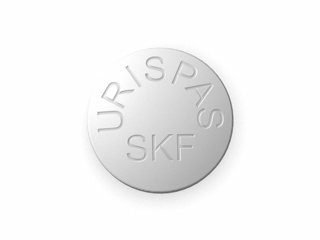

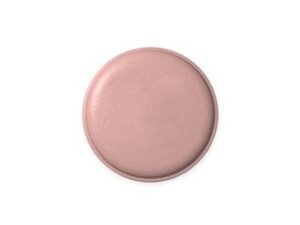
Urispas (Flavoxate Hydrochloride) – Patient Information (Australia)
Urispas is a medicine containing flavoxate hydrochloride used to help relieve certain bladder-related symptoms. It’s commonly used for temporary relief of discomfort associated with urinary urgency and irritable bladder—for example, when you feel the need to pass urine frequently, urgently, or with discomfort.
This page is written to help you understand how Urispas works, when it’s used, and how to take it safely. Always follow the instructions provided with your specific product and consult a healthcare professional if you’re unsure.
Quick Product Overview
- Brand name: Urispas
- Active ingredient: Flavoxate hydrochloride
- Medicinal use: Helps relieve symptoms of bladder irritation (e.g., urinary frequency/urgency)
- Common form: Oral tablets/capsules (exact presentation may vary by product)
- Who it’s for: Adults with symptoms linked to irritable bladder/urinary spasm
- Key cautions: Do not use for suspected infection without medical advice; seek care for red-flag symptoms
How Urispas Works (Mechanism of Action)
Flavoxate is an antispasmodic/antimuscarinic-like agent that helps calm unwanted muscle activity associated with bladder irritability.
In practical terms, Urispas may help:
- Reduce bladder muscle spasms that contribute to urgency and discomfort
- Decrease abnormal contractions that can make you feel you need to urinate frequently
- Improve symptoms such as urgency, frequency, and bladder discomfort
Important: Urispas is intended to relieve symptoms related to bladder irritation. It does not treat the causes of urinary tract infection (UTI) such as bacteria.
Pharmacokinetics (What the Body Does to the Medicine)
Pharmacokinetics describes how the body absorbs, distributes, metabolises, and eliminates a medicine.
- Absorption: Flavoxate is absorbed from the gastrointestinal tract after oral dosing.
- Distribution: It distributes throughout the body and acts on bladder-related pathways.
- Metabolism: Flavoxate is metabolised (broken down) in the body.
- Excretion: Metabolites and drug residues are eliminated, largely via the kidneys (urine).
Because kidney function can influence medicine handling, people with significant renal impairment should discuss use with a clinician or pharmacist.
What Urispas Is Used For (Indications)
Urispas is typically used for conditions where bladder spasms or irritable bladder symptoms occur, including:
- Irritable bladder (overactive bladder-type symptoms without infection)
- Urinary urgency
- Urinary frequency
- Bladder discomfort or discomfort associated with urinary spasms
- Symptoms due to functional bladder irritation (not caused by a proven infection)
Not a UTI treatment: If you have symptoms suggesting a urinary tract infection (e.g., burning on urination, fever, back/flank pain, cloudy or smelly urine), you should seek medical advice promptly. Urispas may mask symptoms while an infection needs assessment and treatment.
When to Take Urispas (Typical Timing)
Follow the dosing schedule on the package or as directed by a healthcare professional.
General guidance:
- Take Urispas at the times spaced evenly across the day to maintain symptom relief.
- If you miss a dose, take it when you remember unless it’s close to the next dose. Do not double up.
- If symptoms persist or worsen, seek advice rather than continuing indefinitely.
Onset: Some people notice symptom improvement within the first day, while others may require a couple of days for full effect. Individual response varies.
Dosing – Adults (General Information)
Dose recommendations can vary by product strength and local labelling. Check your specific pack for the exact strength and schedule.
| Patient group | Typical dose (general) | Frequency | Notes |
|---|---|---|---|
| Adults | Commonly 200 mg per day total (varies by formulation/strength) | Often divided into multiple doses | Use the exact regimen stated on your pack; do not exceed the labelled maximum. |
Children/adolescents: Urispas is generally considered for adult use. If a younger person is affected, ask a pharmacist or clinician for age-appropriate guidance.
Kidney or liver impairment: Discuss dosing with a clinician or pharmacist if you have reduced kidney function or significant liver disease.
Food Interactions
Urispas can generally be taken with or without food, depending on your pack instructions. However, to minimise stomach upset:
- Consider taking it with a light meal or after food if you experience nausea.
- Avoid taking it on an empty stomach if it causes discomfort.
No major food interactions are commonly highlighted, but individual products may have specific guidance.
Alcohol and Medicine Interactions
Alcohol
It’s best to be cautious with alcohol while taking medicines for bladder symptoms, especially if you feel lightheaded or sleepy. Alcohol can also worsen urinary symptoms by irritating the bladder and affecting hydration patterns.
- Recommendation: Limit alcohol and monitor how you feel.
- Seek advice: If you experience dizziness, blurred vision, or unusual drowsiness.
Other medicines (possible interactions)
Flavoxate may interact with other medications that affect the nervous system or bladder function. Tell your pharmacist or doctor about all medicines you take, including:
- Anticholinergic medicines (used for overactive bladder, allergies, motion sickness, or some depression/anxiety treatments)
- Medicines that cause drowsiness (sedatives, some antihistamines, some pain medicines)
- Other urinary symptom treatments
- Any over-the-counter products and herbal supplements
If you are currently taking medications for overactive bladder (such as antimuscarinic or beta-3 agonist therapies), discuss whether Urispas is appropriate to combine.
Safety Profile – Who Should Use Caution
Most people tolerate Urispas reasonably well when used as directed. However, like all medicines, it can cause side effects.
Common side effects
- Dizziness
- Dry mouth
- Headache
- Stomach upset or mild nausea
- Blurred vision in some people (rare)
Less common but important effects
- Urinary retention (difficulty passing urine) in susceptible individuals
- Allergic reactions (rash, itching, swelling, breathing difficulty)
Seek urgent help if
- You develop signs of an allergic reaction (e.g., face/lip swelling, wheezing, severe rash)
- You experience severe dizziness, fainting, or confusion
- You cannot pass urine or symptoms rapidly worsen
Special caution groups
Discuss use with a clinician or pharmacist if you have:
- Glaucoma
- Prostate enlargement or difficulty starting urination
- Significant kidney disease
- Liver disease
- Dry eye problems or conditions worsened by dry mouth
Practical Tips for Using Urispas Effectively
Medication can help, but bladder symptoms often respond best to a combined approach.
Helpful self-care strategies
- Hydration: Maintain steady fluid intake—avoid both dehydration and excessive fluid.
- Bladder training: If appropriate, gradually increase the time between bathroom visits.
- Reduce bladder irritants: Consider limiting caffeine (coffee/tea/energy drinks), alcohol, and fizzy drinks.
- Timed toileting: Use scheduled trips to reduce urgency episodes.
- Track symptoms: Note triggers (e.g., certain foods, stress, night-time symptoms) to discuss with a clinician.
When to stop and get advice
Stop and seek advice if:
- Symptoms suggest a UTI (burning, fever, flank/back pain, blood in urine)
- You don’t feel improvement after a short trial as directed on the pack
- You develop new or worsening side effects
Alternatives to Urispas
Depending on the cause of symptoms (irritation vs infection vs overactive bladder), different treatments may be considered.
Non-medicine options
- Bladder training and pelvic floor exercises
- Reducing bladder irritants (caffeine, alcohol, spicy foods for some people)
- Scheduled voiding
Medicine options (varies by cause and eligibility)
- Antimuscarinic medicines for overactive bladder symptoms
- Beta-3 agonist medicines for overactive bladder
- Topical vaginal oestrogen for some post-menopausal bladder symptoms (if suitable)
- Antibiotics only if a clinician confirms bacterial UTI
Your pharmacist can help explain which options may be appropriate based on your symptoms, age, and medical history.
Market and Legal Context in Australia (What to Expect)
Medicine availability and classification in Australia can change over time. Urispas (flavoxate hydrochloride) may be supplied depending on current listing status, formulation availability, and pharmacy regulations. Some packs may be sourced from specific manufacturers or overseas supply chains.
In Australia, community pharmacies follow regulatory requirements for:
- Product identification (correct active ingredient and strength)
- Consumer medicine information and safe dispensing practices
- Assessment of interactions and contraindications where appropriate
- Advice for red-flag symptoms requiring medical attention
Note: Always check the specific product on your order for exact active ingredient strength, dosage instructions, and warnings.
Recent Guidance and Clinical Considerations
Clinical guidance for urinary symptoms emphasises the importance of correct diagnosis. Many urinary symptoms overlap between conditions such as:
- Urinary tract infections
- Irritable bladder/overactive bladder
- Bladder or kidney issues requiring assessment
- Prostate-related urinary symptoms in some men
Healthcare professionals often recommend:
- Checking for signs of infection before relying on symptom-relief medicines.
- Reviewing persistent or recurrent symptoms, especially in older adults.
- Using symptom-relief medicines short-term while arranging appropriate assessment if symptoms continue.
If your symptoms recur frequently or are affecting quality of life, consider discussing a longer-term management plan with a clinician.
Delivery and Availability (Online Pharmacy)
Availability can vary due to supply schedules. To help you plan ahead:
- Order processing: Most orders are processed within standard business hours.
- Delivery times: Delivery depends on your location and selected shipping method.
- Substitutions: If a brand/form is temporarily unavailable, we may offer an appropriate alternative if permitted by policy and stock—always based on active ingredient and strength matching.
Tip: Before ordering, confirm the pack contains flavoxate hydrochloride and matches the strength/dosage instructions you intend to use.
FAQ – Urispas (Flavoxate HCl)
1) Is Urispas the same as a treatment for urinary tract infection?
No. Urispas helps relieve bladder spasm/irritability symptoms. It does not treat the bacterial infection that causes many UTIs. If you suspect a UTI, seek medical advice promptly.
2) How quickly should I feel better?
Some people notice improvement within the first day. For others, it may take a few days. If there is no improvement after a short trial as per pack directions, consult a pharmacist or doctor.
3) Can I take Urispas with food?
Often, yes. Taking it with food may help reduce stomach upset. Always follow your pack’s specific instructions.
4) Can I drink alcohol while taking Urispas?
It’s best to limit alcohol. Alcohol may worsen bladder symptoms and can increase unwanted effects like dizziness in some people.
5) What side effects are most common?
Common side effects may include dizziness, dry mouth, headache, and mild stomach upset. Stop and seek advice if you have severe reactions.
6) Who should avoid Urispas or use it with extra caution?
People with certain conditions (such as glaucoma or prostate-related urinary retention risk) should use caution. Discuss your medical history with a pharmacist if you’re unsure.
7) What if I miss a dose?
Take it when you remember unless it’s close to the next dose. Do not take extra doses to make up for a missed one.
8) How long should I keep taking it?
Use it for the duration stated on the pack or as advised by a healthcare professional. If symptoms persist, recurrent symptoms should be assessed rather than continued indefinitely.
9) Can Urispas be used alongside other bladder medications?
It depends on the specific medicine. Some combinations may increase side effects. Talk to your pharmacist about your current medicines and bladder therapies.
10) When should I seek urgent medical help?
Seek urgent help if you have signs of a severe allergic reaction, severe dizziness/fainting, fever, back/flank pain, blood in urine, or inability to pass urine.
Disclaimer: This information is intended to help you understand Urispas (flavoxate hydrochloride). It is not a substitute for medical advice. If you have concerns about your symptoms, medical history, or interactions with other medicines, speak to a pharmacist or doctor.