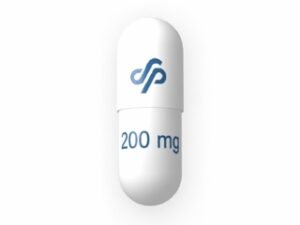

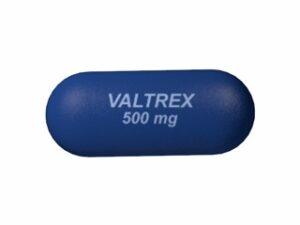
Valacyclovir (Antiviral Medicine) – Patient Guide for Australia
Valacyclovir is an antiviral medicine used to treat and, in some situations, prevent viral infections caused by herpes viruses. It works by slowing the growth of the virus in the body, helping reduce symptoms and shorten outbreaks.
This guide is written for patients in Australia and uses plain language. It covers how valacyclovir works, typical uses, how it’s taken, key safety information, and practical tips for the best results.
Basic Product Information
| Category | Details |
|---|---|
| Medicine name | Valacyclovir |
| Active ingredient | Valacyclovir hydrochloride |
| Medicine type | Antiviral (anti-herpes virus) |
| Common strengths | Often available as 250 mg, 500 mg, or 1 g tablets (brand/product strength varies) |
| How it’s taken | By mouth (tablets) |
| Typical onset | Symptoms may start improving within a few days; complete healing varies by infection |
| Storage | Store below 30°C in a dry place; follow the pack instructions |
How Valacyclovir Works (Mechanism of Action)
Valacyclovir is a prodrug. That means it is converted in your body into the active antiviral form: acyclovir. Acyclovir works by interfering with how herpes viruses replicate.
- Inside infected cells, valacyclovir is converted to acyclovir.
- Acyclovir is then activated further to a form that blocks viral DNA synthesis.
- This prevents the virus from multiplying, allowing the immune system to gain control.
Because valacyclovir targets virus replication, it is most effective when started early in an outbreak or soon after symptoms begin.
Pharmacokinetics (Absorption, Distribution, Metabolism, Excretion)
Understanding what happens to the medicine in your body can help you take it correctly.
- Absorption: Valacyclovir is absorbed from the gut and converted to acyclovir in the body.
- Bioavailability: Compared with acyclovir, valacyclovir generally provides better absorption, which helps achieve therapeutic levels.
- Distribution: Acyclovir distributes into tissues and body fluids where herpes viruses may be present.
- Metabolism: The key conversion is to acyclovir; it is not extensively metabolised into many inactive products.
- Excretion: Acyclovir is mainly removed by the kidneys. Your kidney function is an important factor for dosing.
Kidney health matters: If you have reduced kidney function, you may need a lower dose or a longer interval between doses to reduce the risk of side effects.
Typical Uses in Adults and Adolescents
Valacyclovir is used for herpes virus infections, including:
- Genital herpes (treatment of outbreaks and sometimes suppression to reduce recurrence)
- Cold sores (herpes labialis)
- Shingles (herpes zoster)
- Prevention of herpes outbreaks in certain people who experience frequent recurrences
Some patients with weakened immune systems may be prescribed valacyclovir as part of their management plan for specific herpes-related conditions. Your clinician will decide what’s appropriate for your situation.
Timing: When to Start and How Often to Take It
Timing can significantly affect how well an antiviral works.
- For outbreaks (e.g., cold sores, genital herpes, shingles): Start as early as possible—ideally at the first signs of symptoms (such as tingling, itching, burning, or the start of a rash).
- For prevention/suppression: Take it regularly as directed. It helps reduce the frequency and severity of recurrences but does not “cure” herpes.
Don’t miss doses: If you forget a dose, take it when you remember unless it’s close to your next dose. Avoid doubling up.
Food Interactions and What to Expect
Valacyclovir tablets can generally be taken with or without food.
- With food: Some people find it easier on the stomach.
- Without food: It may still be well tolerated for most people.
If you experience nausea or stomach upset, consider taking it with food (unless your specific product instructions advise otherwise).
Alcohol and Medicine Interactions
Alcohol: Moderate alcohol use may not directly interact with valacyclovir in a clinically significant way for most people. However, alcohol can sometimes worsen dehydration, sleep quality, and overall recovery—especially during outbreaks.
General advice: If you feel unwell or have shingles/genital symptoms, consider limiting alcohol to support recovery and reduce the risk of side effects such as dizziness or nausea.
Other medicines: Valacyclovir interacts most importantly with medicines that affect kidney function or compete for kidney elimination pathways (because acyclovir is cleared by the kidneys). Examples may include:
- Other antivirals
- Nephrotoxic medicines (medicines that can harm kidneys)
- Some medicines affecting kidney blood flow
- High doses of certain drugs that require dose adjustment in kidney impairment
Always check your complete medicine list with a pharmacist or clinician, especially if you are taking treatments for kidney disease, immune conditions, or frequent medication combinations.
Indications (What It’s Used To Treat)
In practical terms, valacyclovir is commonly used for:
- Herpes zoster (shingles): Reducing duration and severity of symptoms when started promptly.
- Herpes simplex virus (HSV):
- Cold sores (herpes labialis)
- Genital herpes (treatment of episodes)
- Genital herpes suppression to reduce recurrence for appropriate patients
Note: Valacyclovir is for viral infections caused by herpes viruses. It does not treat bacterial infections, such as some types of skin infections or sore throats caused by bacteria.
Dosing: Typical Regimens and How Doses Are Chosen
Doses depend on the condition being treated, the person’s age, kidney function, and whether the goal is treatment or prevention.
Important: This section is descriptive. Always follow the dosing instructions on your medicine label and any instructions provided by your healthcare professional.
Common dosing patterns (examples)
- Cold sores: Often a shorter course started early at the first symptoms.
- Genital herpes: Two main approaches:
- Outbreak treatment (episodic therapy)
- Suppression (daily therapy to reduce recurrences)
- Shingles: Typically taken several times per day for about a week, started as soon as possible after rash onset.
Kidney function adjustments
Because valacyclovir/acyclovir is cleared by the kidneys, reduced kidney function may require:
- a lower dose, and/or
- a less frequent dosing schedule
Age considerations
Dosing for children and adolescents depends on the condition, weight, and age. If valacyclovir is being used for a younger person, ensure the correct dosing instructions are followed exactly.
Safety Profile: Common and Serious Side Effects
Valacyclovir is generally well tolerated. Side effects are usually mild to moderate, especially when taken correctly and with dose adjustment for kidney impairment.
Common side effects
- Nausea
- Headache
- Dizziness
- Stomach discomfort
Less common or important side effects
- Kidney-related effects: Urine changes, reduced urination, or severe back/flank pain require urgent assessment.
- Neurological symptoms: Confusion, unusual drowsiness, agitation, or hallucinations (rare, but important—especially in those with kidney impairment).
- Allergic reaction: Swelling of the face/lips, rash with breathing difficulty, or widespread hives.
When to seek urgent help
Contact emergency services or seek urgent medical attention if you develop:
- Difficulty breathing
- Swelling of the face, lips, tongue, or throat
- Severe rash or blistering
- Severe confusion or fainting
- Signs of significant dehydration or significantly reduced urination
Practical Use Tips for Better Outcomes
- Start early: Begin at the first signs of an outbreak.
- Stay hydrated: Drink water regularly, especially if you are at risk of kidney problems.
- Take at evenly spaced times: If the schedule is multiple times daily, try to keep dosing intervals consistent.
- Use reminders: Phone alarms or a medication chart can reduce missed doses.
- Don’t stop early: Complete the prescribed course, even if you feel better.
- Pair with symptom care: For shingles, keep the area clean and follow local advice for pain relief if needed; for cold sores, consider supportive skin care as recommended.
In genital herpes: Antiviral therapy helps, but outbreaks can still be contagious. Safer-sex practices (such as condoms and avoiding sex during symptoms) are important.
Alternative Options
If valacyclovir isn’t suitable, options may include other antiviral medicines or different treatment strategies depending on the condition.
Common alternative antivirals
- Acyclovir (another anti-herpes antiviral; often more frequent dosing)
- Famciclovir (another antiviral option for herpes virus infections)
Supportive approaches
- Topical treatments may help for certain cold sore situations, though they may be less effective than oral antivirals for many people.
- Pain management and skin care for shingles may be needed in addition to antiviral therapy.
The best choice depends on your symptoms, recurrence pattern, kidney function, and other medicines. A pharmacist can help discuss options and ensure safe use.
Market and Legal Context (Australia)
In Australia, medicines are regulated by the TGA (Therapeutic Goods Administration). Antiviral medicines such as valacyclovir are available in different arrangements depending on the specific product and local regulations.
Availability through an online pharmacy typically involves standard checks to support safe supply, including:
- verification of the correct medicine and strength
- assessment of suitability based on patient details
- advice on safe use, storage, and dosing instructions
Always purchase medicines from reputable Australian pharmacy providers. Counterfeit or incorrectly stored products may be unsafe or ineffective.
Recent Guidance and Clinical Considerations
Guidelines for herpes virus management commonly emphasise:
- Early antiviral treatment to maximise benefit during outbreaks (especially shingles).
- Individualised regimens based on severity, recurrence frequency, and patient risk factors.
- Kidney-aware dosing and attention to hydration.
- Ongoing education about contagiousness, especially for genital herpes.
Recommendations may vary by local clinical protocols and individual circumstances. If you’re unsure about the best plan for your situation, speak to a healthcare professional or pharmacist.
Delivery and Availability
Online pharmacies in Australia may deliver valacyclovir to eligible locations. Delivery times depend on:
- your postcode/area
- stock availability
- processing and dispatch schedules
- courier service performance
What to expect:
- Once your order is processed, you’ll receive confirmation details.
- Medicines should be stored correctly upon arrival.
- If your parcel needs signature, ensure someone is available to receive it.
Availability: Stock can vary by brand and strength. If a specific strength is temporarily unavailable, customer support can often help with alternative options or restock timelines.
FAQ – Valacyclovir
1) Can valacyclovir cure herpes?
Valacyclovir helps control symptoms and reduce the severity and duration of outbreaks. However, herpes viruses remain in the body. Long-term suppression can reduce recurrences for some people.
2) How soon will it work?
Many people notice improvement within a few days. Starting treatment early (at the first signs) improves the chance of symptom reduction.
3) Should I take valacyclovir with food?
Usually it can be taken with or without food. If it upsets your stomach, taking it with food may help.
4) What if I miss a dose?
Take it when you remember unless it’s close to the next scheduled dose. Don’t double doses to make up for a missed one.
5) Can I drink alcohol while taking valacyclovir?
There is no widely expected direct interaction for most people, but alcohol may worsen dehydration and recovery. If you drink, keep it moderate and prioritise hydration. If you have kidney problems, it’s best to discuss with a pharmacist.
6) Are there important drug interactions?
Valacyclovir is cleared by the kidneys, so caution may be needed if you take medicines that affect kidney function or compete for kidney clearance. Tell your pharmacist about all medicines and supplements you use.
7) Is valacyclovir safe for people with kidney disease?
It can be safe when dosed appropriately, but kidney function must be considered. You may need a different dose or schedule. If you have kidney problems, seek advice before starting.
8) Can it be used in pregnancy or breastfeeding?
Use in pregnancy or breastfeeding should be discussed with a healthcare professional to weigh benefits and risks for you and your baby. Don’t start or change treatment without advice.
9) Does valacyclovir reduce contagiousness?
Antiviral treatment can reduce viral shedding and outbreaks, which may reduce the risk of transmission. However, transmission can still occur—especially when you have symptoms. Use safer-sex practices and avoid sex during active outbreaks as advised.
10) What should I do if my symptoms worsen?
If you experience worsening rash, severe pain, fever, confusion, reduced urination, or signs of an allergic reaction, seek medical help promptly.
Summary
Valacyclovir is an antiviral medicine used for herpes virus infections such as shingles, cold sores, and genital herpes. It works by interfering with viral replication after conversion to acyclovir in the body. For best results, start treatment early during an outbreak and follow the dosing schedule carefully.
If you have kidney disease, take multiple medicines, or are unsure about your dosing, speak with a pharmacist to ensure safe use. Proper timing, hydration, and adherence can help you get the most benefit from treatment.