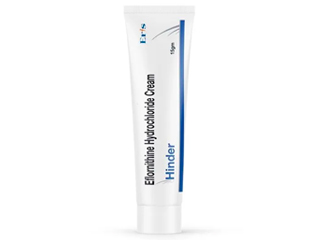
Vaniqa (Eflornithine) Cream — Patient Guide (Australia)
Vaniqa is a prescription medicine used to reduce the growth of unwanted facial hair in certain adults. This guide explains how it works, how to use it effectively, what to expect, and key safety and interaction information. It is written for patients and is suitable for reading online.
| Product | Vaniqa (Eflornithine) |
|---|---|
| Medicine type | Topical anti–hair growth agent |
| Common form | Cream for topical use |
| Where it is used | Facial hair (typically upper lip, chin, cheeks and jaw areas) |
| Main benefit | Slows regrowth of unwanted facial hair |
| How fast it works | Improvements often begin after several weeks; best results may take ~2 months |
| How often to apply | Usually twice daily, evenly applied to the affected areas |
Basic product information
Vaniqa contains the active ingredient eflornithine. It is designed for use on the skin to help reduce unwanted hair growth. It does not remove hair immediately like shaving or waxing; rather, it helps make hair grow more slowly and with a finer appearance over time.
In Australia, availability is typically through licensed channels. Your pharmacist can provide current brand availability and packaging details. Always check the product label for concentration and usage instructions.
How Vaniqa works (mechanism of action)
Eflornithine works by interfering with a key biochemical pathway involved in hair growth.
- Targets hair follicle growth processes: Eflornithine inhibits the activity of an enzyme called ornithine decarboxylase.
- Reduces production of polyamines: Polyamines are important for rapid cell division. Hair follicles rely on these processes to maintain active growth.
- Slows down regrowth: By reducing this growth signalling within hair follicles, the rate of new hair formation decreases.
Important: Because it affects the rate of regrowth rather than instantly removing existing hair, you should expect gradual improvement. Hair that is already present will not be removed by the cream.
Pharmacokinetics (how the body handles eflornithine)
Because Vaniqa is applied to the skin, only small amounts are expected to be absorbed compared with oral medicines.
- Absorption: Eflornithine is absorbed through the skin to a limited extent.
- Distribution: Absorbed drug can circulate systemically, but overall exposure from topical use is generally low.
- Metabolism & elimination: Any absorbed eflornithine is processed and eliminated by the body (primarily through normal metabolic and excretion pathways).
- Effect on dosing: This low systemic absorption helps make topical use suitable for many patients, but local skin reactions remain the most relevant side effect.
If you have kidney or liver conditions or you are using other interacting medicines, it is sensible to discuss your overall plan with your pharmacist or prescriber.
What Vaniqa is typically used for (indications)
Vaniqa is used to reduce unwanted facial hair growth in adult patients. It is most often considered for the management of persistent, coarse unwanted facial hair in people who do not achieve satisfactory results with routine hair removal methods alone.
- Common area of use: Facial areas such as upper lip, chin, cheeks and jawline.
- Not intended for: General body hair use, eyelids, or sensitive mucosal areas. Avoid eyes and inside the nose/mouth.
If you are unsure whether your situation fits the intended use, ask your pharmacist about suitability.
Who may benefit and realistic expectations
Vaniqa may be suitable if you want to reduce the speed and thickness of facial hair regrowth while maintaining your grooming routine (for example shaving between applications).
- Best results: Usually achieved with consistent use.
- Time to see change: Many people notice less regrowth after 4–8 weeks; maximal benefit may require about 8 weeks or longer.
- Maintenance: Hair growth reduction is not permanent; stopping treatment usually allows facial hair to gradually return toward baseline over time.
How to use Vaniqa: timing, dosing and practical steps
Typical dosing
The usual regimen for adults is:
- Apply a thin layer to the affected facial hair areas
- Twice daily (for example, morning and evening), spaced about 12 hours apart
- Wash hands after applying
Example schedule: 8:00 am and 8:00 pm. Choose times you can maintain consistently.
Application instructions (step-by-step)
- Clean and dry skin: Apply to dry, clean skin. If you have just washed your face, pat dry fully.
- Use only a thin layer: Spread evenly over the hair-bearing areas. Avoid over-application.
- Avoid sensitive areas: Do not apply to eyelids or around eyes; avoid mucous membranes (inside nose/mouth); do not apply to broken or irritated skin.
- Allow to absorb: Wait until the cream is absorbed before applying other facial products (unless your pharmacist advises otherwise).
- Hand hygiene: Wash hands after applying to prevent accidental transfer to eyes or other body parts.
When to shave or remove hair
Many patients combine Vaniqa with grooming practices. You may continue to shave or use hair removal methods you normally use, but consider the timing to reduce irritation.
- If you shave, do so gently and avoid shaving immediately after applying the cream.
- For many people, shaving before the morning or evening dose works well, followed by applying Vaniqa to the regrowth area once the skin is calm.
If you experience redness or burning, adjust your grooming timing and discuss options with a pharmacist.
Missed dose
If you miss an application, apply it as soon as you remember. If it is close to the time for the next dose, skip the missed dose and continue your schedule.
Food interactions
Vaniqa is a topical cream. Food interactions are not expected to be clinically significant because the medicine is applied to the skin, with minimal systemic exposure.
However, general skin health may be influenced by overall nutrition and hydration. If you have dietary triggers for skin irritation (for example, certain cosmetics or cleansing products), focus on skincare factors rather than food.
Alcohol interactions
Because Vaniqa is topical, direct alcohol interactions are not expected. Still, alcohol-containing products (such as some aftershaves, toners or astringents) may irritate skin and worsen redness, particularly if your skin is already sensitive.
- Avoid using alcohol-based facial products directly on areas where Vaniqa is applied unless you know your skin tolerates them well.
- If you use an aftershave, choose one that is alcohol-free if you are prone to irritation.
Interactions with other medicines
Since Vaniqa is applied topically, systemic drug interactions are less likely than with oral medicines. The most common interaction type is skin irritation from combining multiple topical products.
- Other topical irritants: Products with strong exfoliants, retinoids, or acids may increase burning or dryness when used on the same area.
- Barrier disruption: Avoid applying Vaniqa to areas that are actively irritated, blistered or damaged by other treatments.
- Concurrent acne/skin regimens: If you use prescription or cosmetic skincare (e.g., benzoyl peroxide, tretinoin, glycolic acid), consider spacing the products apart and discuss a routine with your pharmacist.
Tell your pharmacist about all medicines and skincare products you use, including non-prescription items.
Safety profile: common and serious side effects
Most patients tolerate Vaniqa well. The main side effects involve the application site (skin).
Common side effects
- Skin irritation (stinging, burning, or tingling)
- Redness
- Dryness or scaling
- Itching
- Acne-like eruptions or follicle-related reactions
Less common or severe reactions (seek advice promptly)
- Severe rash or swelling
- Blistering or intense pain
- Signs of allergy such as hives, widespread itching, or difficulty breathing (call emergency services if severe)
Contact your healthcare professional if you develop severe or persistent reactions, especially if they spread beyond the treated area.
Practical use tips for best results
- Be consistent: Use twice daily regularly; results depend on ongoing inhibition of hair follicle growth.
- Use the correct amount: A thin, even layer is effective. Too much can increase irritation.
- Apply to the right area: Only to the hair-bearing region you are treating.
- Let it dry: Avoid immediately rubbing the treated skin.
- Moisturise wisely: If you are dry, you may use a gentle moisturiser on surrounding areas if your pharmacist approves and timing is appropriate.
- Avoid eye exposure: Accidental transfer to eyes can be particularly uncomfortable—wash hands carefully.
- Take photos: For many patients, tracking changes weekly with photos helps measure improvement objectively.
Alternative options to consider
Unwanted facial hair can be managed in different ways. Alternatives vary depending on your hair colour, skin type, hormonal background, and tolerance for maintenance.
Non-medicine options
- Shaving: Fast but may require frequent repetition.
- Depilatory creams: Can irritate sensitive skin; patch testing is important.
- Waxing/Threading: Can cause irritation and ingrown hairs in some people.
- Laser hair reduction: May provide longer-term reduction but needs multiple sessions; effectiveness varies by hair and skin type.
Other medical approaches
- Hormonal evaluation: If hair growth is new, rapidly worsening, or associated with other symptoms, clinicians may investigate underlying causes.
- Other topical agents: Some products are marketed for hair reduction, but efficacy varies widely and may not provide the same follicle-growth inhibition.
- Oral options (special circumstances): Some people may be considered for systemic therapy depending on the cause of hair growth—this requires clinician assessment.
Your pharmacist can explain what is available in Australia and help you compare options based on your preferences and skin sensitivity.
Market and legal context for Australia
In Australia, access to medicines is governed by the Australian regulatory framework, including requirements for listing, quality, and safe distribution. Products like Vaniqa are supplied through appropriate health channels and require compliance with prescribing and dispensing rules as applicable.
For online pharmacies, legitimate suppliers operate within Australian laws and typically ensure:
- Verification processes where required
- Clear product information and correct handling of cold/room temperature requirements if relevant
- Customer support to answer questions about use and safety
Always ensure you buy from a reputable Australian-licensed pharmacy. Avoid unofficial sellers that may not meet quality and safety standards.
Recent guidance and updates
Recommendations for topical hair growth reduction generally emphasise consistent use, careful application to avoid irritation, and monitoring for local skin reactions. Guidance may be updated over time based on ongoing evidence, consumer medicine information, and safety monitoring.
Because guidance can change, it is helpful to:
- Check the product leaflet for the most current instructions
- Ask your pharmacist about any recent alerts or handling updates
- Report any unexpected side effects
Delivery and availability (Australia)
Online pharmacies in Australia may deliver Vaniqa to eligible addresses within set delivery regions and timeframes.
- Availability: Stock levels can vary. If temporarily unavailable, some pharmacies offer restock notifications.
- Packaging: Products are generally supplied in their original manufacturer packaging.
- Shipping time: Delivery times depend on location and carrier service.
- Cold-chain: Check the label; topical creams are typically stored at controlled room temperature unless stated otherwise.
When ordering, confirm that the product strength and form match what you need (cream) and ensure your address details are correct to avoid delays.
When to seek medical advice
Seek advice promptly if:
- You experience severe or worsening skin irritation
- You develop rash beyond the treated area
- You suspect an allergic reaction
- Your hair growth pattern changes dramatically or is associated with other symptoms (for example, acne that worsens suddenly, irregular periods, or other signs that may suggest a hormonal cause)
FAQ — Frequently asked questions
1) Does Vaniqa remove hair immediately?
No. Vaniqa reduces the rate of facial hair regrowth. You may still need shaving or other hair removal methods as hair gradually becomes finer or grows more slowly over time.
2) How long does it take to see results?
Some improvement may be noticed within 4–8 weeks. Many people require about 8 weeks or longer for best results. Consistent twice-daily use is important.
3) Can I use Vaniqa on other body areas?
Vaniqa is intended for facial hair use. Avoid using it on areas not recommended by the product instructions. If you are considering use elsewhere, ask your pharmacist first.
4) What should I do if my skin burns or stings?
Mild stinging or tingling can occur early. If irritation is significant, stop applying and contact your pharmacist or healthcare professional. Ensure you are using only a thin layer, on dry skin, and avoiding overlap with other harsh skincare products.
5) Can I apply moisturiser or sunscreen?
Usually yes, but timing matters. Allow Vaniqa to absorb fully before applying other products. If you use sunscreen, apply it after the cream has dried.
6) Is it safe to use with other acne or exfoliating treatments?
It may be possible, but many acne treatments are irritating. Combining them can increase redness or dryness. Discuss your skincare routine with a pharmacist and consider spacing products apart.
7) Does Vaniqa affect hormones?
Vaniqa is a local topical treatment designed to inhibit hair follicle growth processes. It is not intended for systemic hormone effects. If you suspect a hormonal cause for hair growth, seek advice.
8) What happens if I stop using Vaniqa?
Hair growth reduction may gradually decline. Stopping treatment usually leads to regrowth over time back toward your previous pattern.
9) Can I drink alcohol while using Vaniqa?
Direct alcohol interaction with the topical cream is not expected. However, alcohol-based facial products may irritate skin, so consider avoiding them on treated areas.
10) Can children or adolescents use Vaniqa?
Vaniqa is intended for adults. If you are considering it for a younger age group, consult a healthcare professional for suitability and safety.
11) How do I avoid getting it in my eyes?
Wash your hands thoroughly after application and apply carefully with clean hands. If accidental contact occurs, rinse the eyes with water and seek medical advice if irritation persists.
Summary
Vaniqa (eflornithine) cream helps reduce unwanted facial hair growth by slowing regrowth at the hair follicle level. It is typically applied twice daily to clean, dry skin. Improvements are often gradual, with many people seeing meaningful change after several weeks. The most common issues are local skin irritation; applying a thin layer and avoiding harsh skincare products can help minimise side effects.
If you have questions about how to use Vaniqa alongside your grooming routine or other skincare, speak with your pharmacist for tailored advice in the context of your skin type and current products.