

Varenicline (Varenicline tartrate) – Patient-Friendly Guide (Australia)
Varenicline, provided as varenicline tartrate, is a medicine used to help adults quit smoking. It reduces cravings and withdrawal symptoms and helps lessen the rewarding effects of cigarettes. This guide explains how it works, how it’s typically taken, what to expect, and key safety considerations for use in Australia.
1) Basic product information
| Item | Details |
|---|---|
| Generic name | Varenicline (as varenicline tartrate) |
| Common use | Smoking cessation (adult smokers who want to stop) |
| How it works | Partial agonist at nicotinic acetylcholine receptors (mainly α4β2) |
| Typical format | Oral tablets |
| Key benefits | Craving and withdrawal reduction; reduced reinforcement from smoking |
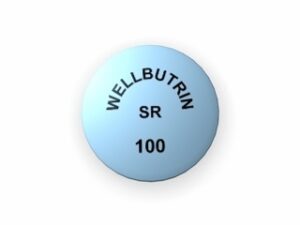
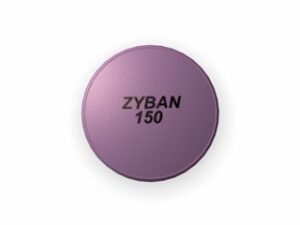
Product strength and brand appearance may vary by manufacturer. Always confirm the tablet strength on your pack (for example, common regimens use step-up dosing).
2) How varenicline works (mechanism of action)
Nicotine in tobacco products stimulates nicotinic acetylcholine receptors in the brain, particularly the α4β2 receptor subtype. When these receptors are activated, nicotine releases dopamine and reinforces smoking behaviour.
Varenicline acts as a partial agonist at these receptors. This means:
- It partially stimulates nicotine receptors, which can help ease withdrawal symptoms and cravings.
- It blocks nicotine from cigarettes from fully activating the same receptors, which can reduce the pleasurable/rewarding effects if you smoke while taking it.
Together, these effects can improve your ability to stop and stay stopped.
3) Pharmacokinetics (how the body handles it)
Understanding basic pharmacokinetics can help you understand timing and consistency of dosing.
- Absorption: Varenicline is absorbed after oral dosing and is generally well absorbed.
- Peak levels: Peak blood levels typically occur within a few hours after taking a dose (commonly around 3–4 hours).
- Distribution: It distributes into tissues including the central nervous system.
- Metabolism: Varenicline undergoes limited metabolism.
- Excretion: Primarily cleared by the kidneys (urine). This is why kidney function matters for safe dosing.
- Half-life: Varenicline has a relatively long elimination half-life, supporting twice-daily dosing in many regimens.
If you have impaired kidney function, your clinician may adjust dosing to reduce risk of side effects.
4) Typical use and what it’s for
Varenicline is used to support smoking cessation in adults. Many people benefit from combining medication with behavioural support such as counselling, quitline coaching, or structured quit plans.
It can be used in two common ways:
- Quit date approach: Start varenicline before your chosen quit date and set a date to stop smoking.
- Flexible approach: Some people choose to reduce and stop within a short timeframe after starting, guided by a healthcare professional’s plan.
5) Timing: when to start and when doses are due
The standard quit-plan regimen usually involves:
- Start dosing: Begin varenicline with a gradual “step-up” schedule.
- Set a quit date: Many plans set the quit date around day 8 of treatment.
- Continue treatment: Continue dosing for the recommended duration (commonly 12 weeks for a full course).
How to take doses: Take tablets at the times prescribed (often morning and evening). Consistency matters. If you miss a dose, take it when you remember unless it is close to your next scheduled dose—then skip the missed dose and continue your usual schedule.
Practical tip: Pair doses with daily routines (e.g., after breakfast and after dinner) to reduce missed doses.
6) Food interactions
Varenicline can generally be taken with or without food. This makes it easier to fit into daily life.
- If you experience mild nausea, some people find taking varenicline after food helps.
- Stay well hydrated, especially during the first days of treatment.
Always follow the instructions on your specific product pack and your healthcare professional’s advice.
7) Alcohol and medicine interactions
People often ask whether alcohol is safe while using varenicline. The main points are:
- Alcohol: Varenicline does not have a known direct “disulfiram-like” reaction with alcohol. However, alcohol may worsen side effects such as sleep disturbance, concentration problems, or mood changes in some people. If you drink, keep it moderate and monitor how you feel.
- Smoking changes: Stopping smoking can alter how your body processes certain medicines (because cigarette smoke contains substances that affect liver enzymes). If you take other medicines regularly, your doctor may review doses after quitting.
In terms of drug interactions:
- Metabolism: Varenicline has limited metabolism, which can reduce the likelihood of complex metabolic interactions.
- Kidney function: Medicines that affect kidney function or compete for renal clearance may be relevant, especially in people with kidney impairment.
- Tell your pharmacist/doctor about all medicines you use, including prescription medicines, over-the-counter products, vitamins, herbal supplements, and nicotine replacement products.
If you’re using nicotine replacement therapy (e.g., patch, gum, lozenges) alongside varenicline, discuss the plan with a healthcare professional to ensure you use the safest approach.
8) Indications (who it is used for)
Varenicline is indicated for helping adults to quit smoking. It is intended for individuals who are motivated to stop and who are seeking structured support for cessation.
It may be considered when you want help with:
- Reducing cravings
- Reducing withdrawal symptoms (irritability, restlessness, urge to smoke)
- Improving the chance of abstinence during and after the quit attempt
Not all patients are suitable for varenicline. Your healthcare professional will consider your medical history, particularly kidney function and mental health history.
9) Dosing: common regimens and step-up schedule
Dose regimens can vary. Below is a commonly used step-up schedule for adult smoking cessation. Confirm your exact dose and course from the product packaging or the instructions provided to you.
Typical adult step-up schedule (example)
This is an example of the commonly used schedule; your prescriber may modify it.
| Days of treatment | Morning dose | Evening dose |
|---|---|---|
| Days 1–3 | 0.5 mg | 0.5 mg |
| Days 4–7 | 0.5 mg | 1.0 mg |
| Day 8 onward | 1.0 mg | 1.0 mg |
Many plans continue at this dose level to complete the recommended course length (commonly 12 weeks). Some patients may be offered additional treatment to help prevent relapse, depending on clinical judgement and local guidance.
Missed doses
- If you miss a dose, take it when you remember.
- If it is nearly time for the next dose, skip the missed dose.
- Do not take two doses at once to make up for the missed one.
Kidney impairment
Because varenicline is mainly cleared by the kidneys, clinicians often use lower doses or a different regimen in people with reduced kidney function. Do not change dosing yourself—seek advice.
10) Safety profile: common side effects and when to get help
Like all medicines, varenicline can cause side effects. Many are mild to moderate and improve with time, especially after the step-up period.
Common side effects
- Nausea (one of the most common)
- Sleep disturbance (including insomnia or unusual dreams)
- Headache
- Constipation or indigestion
- Vivid dreams / unusual dreaming patterns
- Changes in appetite
Less common but important risks
- Mood changes (including depression), anxiety, or agitation in some individuals
- Behavioural changes or feeling “out of character”
- Serious allergic reactions (rare): swelling of face/lips, difficulty breathing, or rash
Seek urgent medical help if
- You develop signs of a severe allergic reaction (swelling, breathing difficulty, severe rash).
- You experience severe or worsening depression, suicidal thoughts, or significant behavioural changes.
If you notice new or troubling symptoms, contact a healthcare professional promptly. Early advice can make quitting safer and more comfortable.
11) Practical use tips for quitting successfully
Medication can help, but the best results often come from pairing it with practical strategies. Consider the following:
- Plan your quit day: Remove cigarettes, lighters, and ashtrays. Tell friends or family you’re quitting.
- Expect cravings: Cravings usually peak and then fade. Use coping strategies like deep breathing, a short walk, or drinking water.
- Manage nausea: Taking doses after food and drinking water may help. If nausea is persistent, ask a pharmacist about options.
- Address sleep disturbance: Avoid caffeine late in the day. Take the evening dose at the time your plan recommends; don’t shift it earlier without advice.
- Keep busy: Identify “trigger times” (after meals, during breaks, driving). Replace rituals with healthier routines.
- Use support: Counselling or quitline support can double quit success rates for many people.
If you slip and smoke, don’t automatically stop varenicline. Contact your healthcare professional to discuss next steps and continue with your plan.
12) Alternative options for smoking cessation
Varenicline is one option. Depending on your needs, you may consider:
- Nicotine Replacement Therapy (NRT): Patches, gum, lozenges, inhalators, or nasal spray. NRT helps manage withdrawal by providing controlled nicotine.
- Other prescription medicines: Some people use medicines such as bupropion (depending on eligibility and local availability).
- Counselling and quit programs: Behavioural support, coaching, and structured plans are strongly recommended across all approaches.
Your best choice depends on your medical history, past quit attempts, side effect tolerance, and preferences.
13) Market and legal context for Australia
In Australia, medicines used for quitting smoking are regulated under the Australian regulatory framework. Availability of specific brands, pack sizes, and dosing strengths may vary. Healthcare professionals may prescribe or supply cessation medicines depending on eligibility and local rules.
Quit support is widely available in Australia through:
- Quitline services (telephone and online support)
- General practitioners and smoking cessation clinics
- Pharmacists providing guidance on safer use and side effect management
Always check that you’re using a product consistent with Australian supply channels and that packaging includes required information.
14) Recent guidance and practical updates
While specific recommendations can evolve, current cessation practice commonly includes:
- Structured support alongside medication
- Monitoring for side effects early in treatment
- Individualised plans based on comorbidities (particularly mental health and kidney function)
- Relapse-prevention planning (what to do if you slip)
For the most current advice, consider checking:
- Updates from Australian health authorities and smoking cessation organisations
- Advice from your doctor or pharmacist tailored to your situation
15) Delivery and availability (online pharmacy information)
Varenicline may be available through approved online pharmacy services in Australia. Availability can depend on stock levels, pack size, and local supply arrangements.
- Delivery times: Vary by location and courier partner; check the estimated delivery window at checkout.
- Packaging: Medicines should arrive in manufacturer packaging with clear labelling.
- Storage: Store tablets according to the instructions on the pack (commonly at room temperature, away from moisture and heat).
- Tracking: Many services provide dispatch confirmation and tracking details.
If you have questions about stock, substitution of equivalent packs, or shipping, contact the pharmacy’s support team.
16) Frequently Asked Questions (FAQ)
Is varenicline suitable for everyone?
Not necessarily. Suitability depends on factors such as kidney function, mental health history, and other medicines you may be taking. A pharmacist or doctor can help confirm if it’s appropriate for you.
How long does it take to start working?
Many people notice changes in cravings and withdrawal within the first week. Because the dosing often starts at a lower level and increases, the full effects may build over the step-up period.
Should I stop smoking immediately?
Many plans involve setting a quit date around the second week of treatment (often about day 8). Some people choose a flexible approach. Follow the plan provided with your course.
Can I smoke while taking varenicline?
Ideally, you should stop by your quit date. If you smoke during treatment, varenicline may reduce the reinforcing effects of nicotine, but it does not guarantee you can keep smoking without consequences. If you slip, continue varenicline and seek advice on how to resume your quit attempt.
What can I do about nausea?
Taking doses after food and drinking water may help. If nausea persists, contact a pharmacist—there may be strategies to improve comfort.
Will I be able to drink alcohol while quitting?
Moderate alcohol is not known to have a direct specific interaction with varenicline, but alcohol can worsen sleep and mood in some people. If you drink, monitor how you feel and avoid heavy use.
Do I need to use nicotine patches or gum with varenicline?
Some people use nicotine replacement therapy as an additional support, but the approach should be discussed with a healthcare professional because it depends on your cravings, previous experience, and side-effect tolerance.
Can I take varenicline with my other medicines?
You should check all medicines with your pharmacist or doctor—especially if you take medicines affecting the kidneys, medicines for mental health, or medicines that require careful monitoring.
What if I miss a dose?
Take it when you remember unless it’s close to the next dose. Don’t double up.
How do I increase my chance of staying quit?
Combine the medicine with support. Create a plan for triggers, avoid smoking cues where possible, and seek coaching or quitline advice. If you relapse, it doesn’t mean failure—use it to refine your plan.
17) Summary
Varenicline (varenicline tartrate) is an effective smoking cessation medicine that helps reduce cravings and withdrawal by partially activating nicotine receptors while blocking nicotine’s full effects. Taken as part of a structured quit attempt, it can improve the likelihood of quitting and staying smoke-free.
For safe use, follow the dosing schedule provided, watch for common side effects such as nausea and sleep disturbance, and seek medical advice if you experience severe symptoms or mood changes. Combined with counselling and practical coping strategies, varenicline can be a valuable tool in your quit journey in Australia.