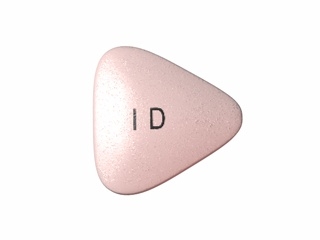

Voveran (Diclofenac) – Patient Information
Voveran is a brand of diclofenac, a medicine used to reduce pain, inflammation, and swelling. It belongs to the group of medicines known as non-steroidal anti-inflammatory drugs (NSAIDs). This guide is designed to help you understand how Voveran works, how it’s typically used, what to watch for, and how to manage common interactions and precautions.
Note: Products and strengths can vary by formulation (for example, tablets, enteric-coated products, or other forms). Always check your specific pack for exact instructions and directions.
Quick Overview
- Active ingredient: Diclofenac
- Medicine type: NSAID (non-steroidal anti-inflammatory drug)
- Helps with: Pain and inflammation (such as arthritis, sprains, dental pain, period pain)
- Common side effects: Stomach upset, nausea, heartburn, dizziness
- Important risks: Stomach bleeding/ulcers; kidney effects; increased cardiovascular risk in some people
- Best practice: Use the lowest effective dose for the shortest time
What is Voveran?
Voveran contains diclofenac, an NSAID used to treat conditions where inflammation contributes to pain. You may be familiar with diclofenac being prescribed for:
- Musculoskeletal pain (e.g., back pain, joint pain, sprains)
- Inflammatory arthritis (e.g., osteoarthritis, rheumatoid arthritis, ankylosing spondylitis)
- Gout attacks (in some situations)
- Period (menstrual) pain
- Dental and post-procedural pain
Voveran may come in different strengths and forms. The way diclofenac is released (for example, immediate vs modified/enteric coating) can affect how often it’s taken and how it behaves in your stomach.
How Voveran Works (Mechanism of Action)
Diclofenac reduces pain and inflammation primarily by blocking enzymes called cyclooxygenase (COX-1 and COX-2). These enzymes help make prostaglandins, chemical messengers that promote:
- Inflammation (swelling, redness, heat)
- Pain sensitisation (increased sensitivity to pain)
- Fever (though fever is not the primary use for Voveran)
By lowering prostaglandins, Voveran can relieve pain and reduce inflammatory effects. NSAIDs like diclofenac can also reduce protective prostaglandins in the stomach and intestines, which is why stomach irritation, ulcers, or bleeding are important safety considerations.
Pharmacokinetics (How the Body Handles Diclofenac)
Pharmacokinetics describes what happens to a medicine after you take it.
- Absorption: Diclofenac is absorbed from the gastrointestinal tract. The speed and extent of absorption can vary with formulation (for example, enteric-coated products).
- Distribution: It spreads into body tissues, including sites of pain and inflammation. It binds to plasma proteins.
- Metabolism: The liver metabolises diclofenac through enzyme pathways (primarily CYP-mediated). This influences how quickly the medicine is cleared.
- Elimination: Metabolites are mainly excreted through the kidneys, with some elimination via bile and stool.
- Half-life: The effective duration varies by product type; many diclofenac preparations are designed for repeated dosing over the day.
Practical meaning for patients: Your body clears diclofenac over time, so taking it too frequently can increase the risk of side effects. Formulation differences can affect how long the medicine lasts.
Typical Uses for Voveran
Voveran is typically used for:
- Osteoarthritis and other joint disorders
- Rheumatoid arthritis and other inflammatory arthritides
- Back pain and musculoskeletal injuries where inflammation contributes to pain
- Sprains and strains
- Dental pain (where an anti-inflammatory analgesic is appropriate)
- Period pain (dysmenorrhoea)
- Other short-term pain with inflammatory features, as directed by the prescriber or product instructions
NSAIDs may not be suitable for everyone. If you have a history of stomach ulcers, kidney disease, significant heart disease, or you take medicines that interact with NSAIDs, it’s important to consider safety carefully.
How and When to Take It (Timing)
Correct timing depends on your exact Voveran formulation. As a general guide:
- Follow your pack instructions for dosing frequency.
- Take with food or milk if it upsets your stomach. This can reduce gastric discomfort.
- Avoid taking multiple NSAIDs together (e.g., do not combine with ibuprofen or naproxen).
- Allow time between doses based on the product schedule.
If you’re using Voveran for short-term pain: Consider using it only for the period needed to control symptoms. If pain persists beyond a few days (or returns repeatedly), discuss options with a healthcare professional.
For period pain: Many people find taking NSAIDs early in the pain cycle helps. Taking it soon after symptoms begin may improve relief, but always adhere to the product’s dosing instructions.
Food and Voveran: Interactions with Meals
Can you take Voveran with food? In many cases, yes—and food can help minimise stomach upset.
- With food: Taking diclofenac with meals can reduce irritation and nausea for many people.
- Fasting/empty stomach: Some people experience more heartburn, nausea, or pain when taken without food.
- Enteric-coated or modified-release formulations: Do not crush or break unless your specific product instructions state otherwise.
Gastrointestinal protection is not guaranteed: Even with food, NSAIDs can still increase the risk of ulcers or bleeding. If you have risk factors (past ulcer, older age, concurrent blood thinners, corticosteroids, etc.), discuss safer strategies with a pharmacist or doctor.
Alcohol and Medicine Interactions
Alcohol may increase the risk of stomach irritation and bleeding when taken with NSAIDs.
- It’s best to limit alcohol while using Voveran.
- If you regularly drink large amounts of alcohol, risk may be higher.
- Seek medical advice promptly if you develop signs of gastrointestinal bleeding (see “Safety Profile”).
General interaction caution: Avoid combining diclofenac with other NSAIDs. Combining NSAIDs can increase side-effect risk without improving safety.
Medicine Interactions (Important)
Interactions depend on your health conditions and the medicines you use. Below are key interactions to be aware of.
| Medicine / Category | Why the interaction matters | What to do |
|---|---|---|
| Other NSAIDs (e.g., ibuprofen, naproxen, aspirin for pain) | Greater risk of stomach irritation, bleeding, and kidney effects | Avoid using together unless specifically advised |
| Blood thinners (e.g., warfarin, apixaban, rivaroxaban) | Higher risk of bleeding | Seek advice before use and monitor for bleeding symptoms |
| Antiplatelet agents (e.g., clopidogrel, some doses of aspirin) | Higher risk of gastrointestinal and other bleeding | Discuss risk with a pharmacist/doctor |
| Diuretics (“water tablets”) and blood pressure medicines (e.g., ACE inhibitors, ARBs) | Can affect kidney function and reduce blood pressure control in some cases | Be cautious, ensure hydration, and monitor symptoms |
| Lithium | NSAIDs can increase lithium levels (toxicity risk) | Avoid unless monitored; consult a pharmacist |
| Methotrexate | NSAIDs can raise methotrexate levels and increase toxicity | Extra caution and medical guidance recommended |
| Corticosteroids (e.g., prednisone) | Increased risk of stomach irritation/ulcers | Use with caution; consider gastro-protective strategies |
| Selective serotonin reuptake inhibitors (SSRIs) / SNRIs | Higher risk of bleeding, including gastrointestinal bleeding | Seek advice if you’re using these medicines regularly |
| Kidney-stressing medicines (some antivirals, certain antibiotics, etc.) | May increase kidney risk when combined | Discuss all medicines with a pharmacist |
Tip: Bring a list of your medicines (including vitamins, herbal products, and “over-the-counter” pain medicines) when seeking advice. This can prevent avoidable interactions.
Indications: When Voveran May Be Used
Indications are the conditions a medicine is used to treat. Diclofenac is used to relieve pain and inflammation in conditions such as:
- Inflammatory joint conditions
- Osteoarthritis-related pain
- Musculoskeletal injuries
- Dental pain (as appropriate)
- Dysmenorrhoea (period pain)
In many cases, diclofenac is most helpful when pain has an inflammatory component. For purely non-inflammatory pain, other options may be more suitable.
Dosing (General Guidance for Adult Use)
Dosing must be individualised based on your condition, formulation, age, and risk factors. This section provides general educational guidance.
- Use the lowest effective dose.
- Use the shortest duration needed to control symptoms.
- Doses differ for different diclofenac preparations (including different strengths and release profiles).
Important: Always follow the dosing instructions on your specific Voveran product packaging or as advised by your healthcare professional. If you are unsure about the dose interval, ask a pharmacist.
Common dosing schedules (illustrative)
Many diclofenac regimens in adults are taken 1–3 times daily depending on the product type and dose strength. Some formulations are designed to be taken less frequently (e.g., modified-release forms).
- Immediate-release products: may require more frequent dosing
- Modified/extended release products: usually less frequent dosing to maintain effect
- Enteric-coated products: may be easier on the stomach for some people, but can still cause side effects
Maximum dose: Do not exceed the maximum daily amount stated on your product label. Taking extra doses increases risk of serious side effects, including stomach bleeding and kidney injury.
Safety Profile: What to Watch For
Like all NSAIDs, diclofenac can cause side effects. Most people tolerate it, but some risks are serious—especially with higher doses, longer use, older age, or existing medical conditions.
Common side effects
- Indigestion, heartburn
- Nausea or stomach discomfort
- Headache
- Dizziness
- Fluid retention (in some people)
Serious risks (seek urgent help if they occur)
- Signs of stomach or bowel bleeding: black/tarry stools, vomiting blood or material that looks like coffee grounds, persistent severe stomach pain
- Allergic reaction: swelling of face/lips, wheezing, rash, difficulty breathing
- Signs of kidney problems: reduced urination, sudden weight gain from fluid retention, severe fatigue
- Cardiovascular warning signs: chest pain, sudden shortness of breath, weakness on one side, sudden trouble speaking
- Severe skin reactions: blistering rash, peeling skin, mouth ulcers
Who should take extra caution?
Discuss suitability before using diclofenac if you have:
- A history of stomach ulcers or gastrointestinal bleeding
- Kidney disease or dehydration
- Heart disease, stroke history, or significant cardiovascular risk
- Uncontrolled high blood pressure
- Asthma that worsens with NSAIDs
- Liver disease
- You are pregnant or planning pregnancy (especially later pregnancy)
Practical Use Tips
- Stay within the label dose: Do not “double up” if pain persists—use other safe measures or speak with a pharmacist.
- Use non-medicine measures alongside: Rest, ice/heat (depending on the injury), gentle stretching, and supportive footwear can improve outcomes.
- Consider timing for side effects: If you get indigestion, take with food.
- Hydration matters: Dehydration increases kidney risk with NSAIDs.
- Avoid combining NSAIDs: Choose one NSAID at a time. If you need additional pain relief, talk to a pharmacist about safer pairing options (for example, paracetamol may sometimes be used—depending on your circumstances).
- Stop and seek advice if symptoms worsen: Severe abdominal pain, black stools, rash, or breathing difficulties require prompt attention.
Alternative Options
Depending on the cause of your pain and your health profile, alternatives may include:
Other analgesics
- Paracetamol (acetaminophen): Often a good option for pain and fever, with a different side-effect profile than NSAIDs.
- Topical NSAIDs (e.g., diclofenac gel): May help some localised joint or muscle pains with lower whole-body exposure.
Other anti-inflammatories
- Different NSAIDs may be used in some situations, but they can share similar risks. Switching should be done with guidance.
Non-medicine and supportive strategies
- Physiotherapy or structured exercise programs
- Heat therapy for stiffness, ice for acute injuries
- Compression/supportive bracing
- When appropriate, addressing contributors like posture, ergonomics, and sleep
If you’re using Voveran frequently (for example, most days), it’s worth discussing a longer-term plan with a clinician to address the underlying cause of pain and reduce NSAID exposure.
Voveran in Australia: Market and Legal Context
In Australia, availability of medicines depends on their classification and formulation. Diclofenac products may be available in different strengths and forms, including some accessible through pharmacies and others that may require professional assessment depending on the product type and local regulations.
Always check the packaging and the product category at the point of purchase. Australian pharmacy regulations aim to ensure medicines are supplied safely, particularly when there is potential for serious adverse effects or drug interactions.
Recent guidance (general trends)
- Healthcare providers continue to emphasise lowest effective dose and shortest possible duration for NSAIDs.
- Increased awareness of cardiovascular risk and gastrointestinal safety has driven more careful screening (especially for people with heart disease or ulcer history).
- There is ongoing focus on avoiding multiple NSAIDs together and reviewing medicines for interactions (blood thinners, corticosteroids, SSRIs, kidney-affecting drugs, etc.).
Guidance may be updated over time. For the most current advice, consult a pharmacist or check trusted Australian health resources.
Delivery and Availability (Online Pharmacy)
When purchasing Voveran online in Australia, availability can vary by strength and formulation. Many online pharmacies may offer:
- Home delivery to eligible locations (subject to couriers and any state-specific requirements)
- Pack tracking once dispatched
- Discreet packaging
Before delivery: Double-check your order details, including strength and form. If you’re unsure which Voveran product is appropriate, a pharmacist can help you choose.
Storage: Store at room temperature in a dry place, away from direct sunlight. Keep out of reach of children. Check the expiry date on the pack.
FAQ: Common Questions About Voveran (Diclofenac)
1) What is Voveran used for?
Voveran (diclofenac) is used to relieve pain and inflammation. Common uses include arthritis pain, musculoskeletal injuries, dental pain, and period pain, depending on the product and individual circumstances.
2) How quickly does Voveran work?
Many people notice pain relief within a short time after taking a dose, but timing depends on the specific formulation and your condition. If you don’t notice improvement within the expected timeframe, seek advice rather than increasing the dose.
3) Can I take Voveran with food?
Yes. Taking it with food may reduce stomach upset. If your product instructions are specific, follow those instructions.
4) Can I drink alcohol while taking Voveran?
It’s best to limit alcohol. Alcohol can increase the risk of stomach irritation and bleeding when combined with NSAIDs.
5) What should I avoid while using Voveran?
Avoid:
- Other NSAIDs (e.g., ibuprofen, naproxen) unless directed
- Taking extra doses to “catch up”
- Excessive alcohol
- Using it longer than needed without review
6) What if I accidentally take too much?
Seek urgent medical advice or contact a poison information service. Symptoms of overdose may include nausea, stomach pain, dizziness, drowsiness, or more serious effects.
7) Who should not use diclofenac?
People with certain conditions may be at higher risk, including those with a history of NSAID-related asthma, recent stomach ulcers/bleeding, significant kidney disease, or particular cardiovascular risks. Always check suitability with a pharmacist.
8) Can I use Voveran for long-term arthritis?
Some people with chronic conditions may use NSAIDs intermittently or regularly under medical supervision. For safer long-term use, clinicians may consider alternative therapies, dosing adjustments, and protective strategies for the stomach and cardiovascular risk.
9) Are there alternatives if I can’t tolerate diclofenac?
Yes. Options may include paracetamol, topical NSAIDs, or other anti-inflammatory approaches depending on the pain cause and your risk factors. A pharmacist can help compare alternatives.
10) When should I stop and get help urgently?
Stop use and seek urgent assistance if you experience signs of allergic reaction, black/tarry stools or vomiting blood, severe stomach pain, breathing trouble, chest pain, or signs of severe skin reaction.
Summary
Voveran (diclofenac) is an NSAID used to treat pain and inflammation, especially for conditions such as arthritis, musculoskeletal injuries, and period pain. It works by reducing prostaglandins, which helps calm pain and swelling—but it can also affect the stomach, kidneys, and cardiovascular system. To use Voveran more safely, take the lowest effective dose, use it for the shortest time, consider taking it with food, avoid combining NSAIDs, and be cautious with alcohol and interacting medicines.