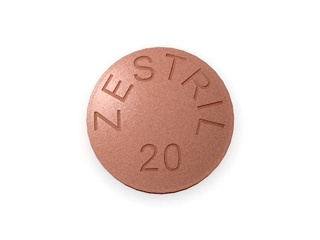


Zestril (Lisinopril) — Patient-Friendly Medicine Information (Australia)
Zestril is the brand name for lisinopril, a medicine used to treat high blood pressure and certain heart and kidney conditions. It belongs to a group of medicines called ACE inhibitors (angiotensin-converting enzyme inhibitors). This page explains how Zestril works, how it’s used, what to expect, and important safety information.
1) Basic product information
| Category | Details |
|---|---|
| Active ingredient | Lisinopril |
| Brand | Zestril |
| Medicine class | ACE inhibitor |
| Common dosage forms | Tablets in multiple strengths (strengths may vary by local supply) |
| Typical dosing frequency | Usually once daily |
| Key effects | Helps lower blood pressure; reduces strain on the heart; protects kidneys in certain conditions |
2) How Zestril (lisinopril) works (mechanism of action)
Zestril blocks an enzyme in the body called ACE (angiotensin-converting enzyme). Normally, ACE helps convert angiotensin I into angiotensin II, a substance that narrows blood vessels and increases blood pressure. It also contributes to the breakdown of bradykinin.
- Wider blood vessels: By reducing angiotensin II, blood vessels relax and widen, lowering blood pressure.
- Less workload on the heart: With lower resistance in the blood vessels, the heart can pump more efficiently.
- Kidney protection (in selected people): Changes in blood flow within the kidney can reduce stress on kidney tissues, especially in people with diabetes and albumin in the urine (as determined by your clinician).
- Bradykinin effects: Higher bradykinin levels can contribute to the medicine’s beneficial effects, but they may also explain side effects such as dry cough and the rare risk of angioedema.
3) Pharmacokinetics: how the body handles lisinopril
Pharmacokinetics describes absorption, distribution, metabolism, and elimination. Lisinopril has properties that make it generally suitable for once-daily use.
- Absorption: After taking a tablet by mouth, lisinopril is absorbed in the gut. Food does not usually prevent absorption, but it may slightly affect how quickly the medicine takes effect.
- Peak effect (Tmax): Blood levels typically peak within a few hours after a dose.
- Distribution: It circulates in the bloodstream and acts on the renin–angiotensin system.
- Metabolism: Lisinopril is not significantly metabolised by the liver.
- Elimination: It is primarily cleared by the kidneys (urinary excretion).
- Half-life: The elimination half-life is long enough to support once-daily dosing for many patients.
Because lisinopril is cleared by the kidneys, your prescriber may adjust the starting dose and monitor kidney function more closely in people with impaired renal function.
4) Typical use in Australia: what Zestril is prescribed for
Zestril is commonly used to manage the following conditions (depending on individual circumstances and clinical assessment):
- Hypertension (high blood pressure): Helps reduce blood pressure and cardiovascular risk.
- Heart failure: To improve symptoms and reduce hospitalisations in appropriate patients.
- After a heart attack (myocardial infarction): In certain patients, to support long-term outcomes.
- Diabetic kidney disease: For selected people with diabetes and evidence of kidney involvement, to help slow progression (as assessed by urine tests such as albumin/creatinine ratio).
- Other cardiovascular or kidney indications: Based on local clinical guidelines and patient factors.
Not everyone needs or is suitable for an ACE inhibitor. Your healthcare professional will consider your health history, blood pressure, kidney function, potassium levels, and other medicines you take.
5) When and how to take Zestril (timing)
Zestril is typically taken once daily. The exact timing and dose depend on the condition being treated and your response to treatment.
Practical timing tips
- Choose a consistent time: Many people find it easiest to take it at the same time each day (e.g., morning or evening).
- With or without food: You can usually take Zestril with or without food. Take it the way your clinician advises.
- If you feel dizzy: Some people are more sensitive at the start of therapy. Consider taking it at night (only if suitable for you) and discuss any side effects with your clinician.
- Follow dose changes: Starting doses are often smaller and may be adjusted based on blood pressure, kidney function, and potassium.
What to do if you miss a dose
If you miss a dose, take it when you remember unless it is close to the next dose. Do not take a double dose to make up for the missed one. If you’re unsure, ask your pharmacist or clinician for advice.
6) Food interactions
For most patients, food does not have a major interaction with lisinopril. You can usually take Zestril with meals or on an empty stomach. If you notice stomach upset or symptoms after meals, consider taking it consistently with or without food and discuss with a healthcare professional if problems continue.
The more important dietary considerations are usually related to potassium (see safety interactions below).
7) Alcohol interactions and guidance
Alcohol can lower blood pressure and may increase the risk of side effects such as dizziness or light-headedness, especially when starting Zestril or after a dose increase.
- Use caution: Limit alcohol and avoid heavy drinking.
- Be careful when standing up: If you feel faint, rise slowly from sitting or lying positions.
- Hydration matters: Dehydration from alcohol may affect kidney function and blood pressure control.
8) Medicine interactions: what to watch for
Zestril can interact with other medicines—especially those affecting kidneys, potassium levels, or blood pressure. Always tell your healthcare team about all medicines and supplements you use.
Common interaction categories
- Potassium supplements and salt substitutes: Avoid using potassium supplements or “low sodium” salt substitutes unless advised, because ACE inhibitors can raise potassium levels.
- Diuretics (“water tablets”): Some diuretics can increase the chance of low blood pressure or dehydration at the start. Your clinician may monitor kidney function and electrolytes more closely.
- NSAIDs (anti-inflammatory painkillers): Examples include ibuprofen, naproxen, and other NSAIDs. Regular or high-dose NSAID use together with ACE inhibitors can increase the risk of kidney problems and reduce blood pressure control. Occasional use may be safer, but discuss your specific situation.
- Other blood pressure medicines: Combining blood pressure-lowering medicines can increase effectiveness but may also raise the risk of dizziness or fainting.
- Medicines that affect potassium: Some medicines can raise potassium (e.g., certain heart medications). Your clinician may check blood tests to keep potassium in a safe range.
- Lithium: ACE inhibitors can increase lithium levels, which may be dangerous. This combination usually requires close monitoring and may be avoided.
- Immunosuppressants and other high-risk medicines: In some combinations, infection risk and blood count changes may need monitoring.
This is not a complete list. If you’re unsure whether a product is compatible with Zestril, speak with your pharmacist.
9) Indications and suitability: who may benefit
Zestril is intended for specific medical situations where an ACE inhibitor is appropriate. Suitability depends on your blood pressure, heart function, kidney function, and lab results.
Common reasons your clinician may consider an ACE inhibitor
- Persistently elevated blood pressure
- Heart failure where ACE inhibitors may improve outcomes
- Certain post-heart-attack management plans
- Diabetes-related kidney disease with evidence of albuminuria
Who needs extra caution
- People with kidney disease
- People with high potassium levels or conditions that predispose to high potassium
- People at risk of dehydration (e.g., vomiting/diarrhoea, fever, poor fluid intake)
- Older adults, who may be more sensitive to blood pressure changes
10) Dosing: typical starting and maintenance approach
Dosing varies significantly by indication and individual factors such as kidney function and blood pressure. The following is a general guide to how ACE inhibitors are commonly started and adjusted; your exact dose should follow your healthcare plan.
General dosing principles
- Start low and go slow: Many people begin with a lower dose, then increase gradually.
- Monitor blood tests: Clinicians often check kidney function (creatinine/eGFR) and electrolytes (especially potassium) before starting and after dose changes.
- Assess response: Blood pressure and symptom improvement guide further adjustments.
Examples of dosing patterns (illustrative)
In clinical practice, lisinopril is commonly used in once-daily regimens with dose titration. Your clinician may adjust the strength based on your needs.
| Condition | Typical approach | Monitoring |
|---|---|---|
| Hypertension | Often started at a lower daily dose, then adjusted to reach target blood pressure | Blood pressure; kidney function and potassium after starting and when changing dose |
| Heart failure | May start at a low dose; titrate carefully to minimise dizziness and kidney-related side effects | Blood pressure, symptoms; frequent kidney/electrolyte checks early on |
| Post–heart attack | Initiated based on clinical stability and existing treatment plan | Kidney function and potassium; blood pressure and tolerance |
| Diabetic kidney disease (albuminuria) | Dosage adjusted to achieve kidney and cardiovascular benefits while maintaining safe electrolytes | Kidney function and potassium; urine tests as part of ongoing care |
If you have reduced kidney function, your clinician may prescribe a lower dose and may monitor your labs more frequently.
11) Safety profile: side effects and when to get help
Like all medicines, Zestril can cause side effects. Many are mild and improve as your body adjusts, especially in the first weeks. However, some side effects require urgent medical attention.
Common side effects
- Dry, persistent cough (a classic ACE inhibitor side effect)
- Dizziness or light-headedness, particularly after the first dose or dose increases
- Headache
- Fatigue
- Low blood pressure (may cause feeling faint)
Less common but important side effects
- Increased potassium (hyperkalaemia), which may show no symptoms but can be detected by blood tests
- Changes in kidney function (usually monitored with blood tests)
- Rash or taste changes (reported in some patients)
- GI symptoms such as nausea, diarrhoea, or stomach discomfort
Rare but serious warnings
- Angioedema (swelling) — Seek urgent medical help if you have: swelling of the face, lips, tongue, throat, or trouble breathing or swallowing. This can occur early in treatment or after longer use.
- Severe allergic reaction — Emergency attention may be needed.
- Fainting or severe dizziness — Especially if associated with vomiting, dehydration, or very low blood pressure.
- Signs of high potassium (sometimes palpitations, muscle weakness) — require prompt assessment and blood tests.
When to contact a clinician promptly
- You develop a cough that is persistent and bothersome
- You experience ongoing dizziness, especially after standing
- Your blood tests show significant changes in kidney function or potassium
- You have symptoms of dehydration (e.g., vomiting/diarrhoea) or fever with poor fluid intake
Do not stop or change your medicine dose without professional guidance, as this may affect blood pressure, heart function, or kidney protection.
12) Practical use tips for best results
The following strategies can improve comfort and help your treatment work effectively:
- Take at the same time each day: Helps maintain steady medicine levels.
- Stay hydrated (unless restricted): Particularly during hot weather or illness. Follow your clinician’s advice if you have fluid restrictions (e.g., some heart failure patients).
- Get scheduled blood tests: Common checks include kidney function and potassium, especially after starting or dose changes.
- Stand up slowly: This can reduce dizziness caused by blood pressure changes.
- Monitor your blood pressure: If your clinician advised home monitoring, record readings and share them.
- Be cautious with “natural” supplements: Some supplements may contain potassium or affect kidney function. Ask your pharmacist.
- Report a cough early: A dry cough is common with ACE inhibitors and may require discussion about whether another medicine class is needed.
13) Alternative options to consider
If Zestril isn’t suitable due to side effects or other medical factors, there are alternative medicines in related classes. Your clinician will choose the most appropriate option for your condition.
Common alternatives
- ARBs (angiotensin receptor blockers): Examples may include losartan or valsartan. ARBs can be used when ACE inhibitors cause intolerable cough for some patients.
- Other blood pressure medicines: Depending on your condition, other classes may be used such as calcium channel blockers, thiazide-like diuretics, beta-blockers, or other targeted therapies.
- Diuretics: Sometimes used alone or with ACE inhibitors to improve blood pressure control, with careful monitoring.
Switching medicines should be done under medical guidance, especially for heart failure or kidney disease management plans.
14) Market and legal context in Australia (overview)
In Australia, medicines are supplied under the regulatory framework of the Therapeutic Goods Administration (TGA). Access to medicines depends on their classification and intended use.
Many ACE inhibitors, including lisinopril brand products, are used widely in primary care and are prescribed/managed through Australian healthcare services. Pharmacy supply and counselling requirements help ensure safe use and appropriate monitoring.
On an online pharmacy website, your order experience should include appropriate information, safety checks, and delivery options designed to comply with local regulations.
15) Recent guidance and monitoring considerations
Ongoing clinical guidance generally emphasises:
- Early and follow-up blood tests after starting or increasing ACE inhibitor therapy to monitor kidney function and potassium.
- Careful “sick day” management during vomiting or diarrhoea to reduce dehydration-related kidney risks (your clinician may provide specific instructions).
- Medication review to avoid common interaction problems (especially NSAIDs, potassium supplements, and certain other drugs).
- Attention to ACE inhibitor cough and prompt reassessment if it affects quality of life or persists.
- Higher vigilance for angioedema risk and urgent response if symptoms occur.
Local protocols may vary between practices and hospitals, but monitoring and interaction checks are consistently important for safe ACE inhibitor use.
16) Delivery and availability (online pharmacy information)
Availability can vary depending on brand supply and tablet strengths. When ordering online in Australia, delivery timelines typically depend on:
- Stock levels for the selected strength
- Your location and chosen delivery option
- Packaging and cold-chain requirements (usually not needed for lisinopril tablets)
For the most accurate information, check the product page for the current in-stock status, delivery estimates, and any availability notes. If a specific strength is temporarily unavailable, the pharmacy may offer an alternative strength or equivalent option after consultation.
17) FAQ — Questions patients commonly ask about Zestril (lisinopril)
1. How quickly does Zestril lower blood pressure?
Many people notice blood pressure improvement within the first few days, while the full effect of dose changes may take longer. Your clinician may schedule follow-up checks to assess response and adjust your dose if needed.
2. Is a dry cough normal with Zestril?
A dry, persistent cough is a well-known ACE inhibitor side effect. If it becomes troublesome, contact your pharmacist or clinician—there may be alternative options such as switching to an ARB or other appropriate treatment.
3. Can I take Zestril with food?
Yes. Zestril can usually be taken with or without food. Try to take it consistently in the same way day to day.
4. What blood tests are usually needed?
Clinicians commonly monitor kidney function (e.g., creatinine/eGFR) and potassium before starting and after initiation or dose changes. Frequency varies based on your health status.
5. Can I drink alcohol while taking Zestril?
You can generally drink alcohol in moderation, but caution is advised because alcohol can further lower blood pressure and increase dizziness. If you feel light-headed, avoid alcohol until you discuss symptoms with a healthcare professional.
6. What should I avoid when taking Zestril?
Avoid potassium supplements and salt substitutes containing potassium unless your clinician has advised them. Also be cautious with NSAIDs (like ibuprofen/naproxen) unless your clinician approves, especially for frequent or high-dose use.
7. What are “sick day” rules?
When you are unwell with vomiting, diarrhoea, or poor fluid intake, dehydration can increase the risk of kidney-related side effects with ACE inhibitors. Many clinicians provide specific “sick day” instructions. Follow the plan you are given for your situation.
8. What should I do if I miss a dose?
Take it when you remember, unless it’s close to the next scheduled dose. Do not take a double dose. If you’re uncertain, check with your pharmacist.
9. Can I stop Zestril suddenly?
Do not stop abruptly without professional advice. Stopping can cause blood pressure to rise and may worsen underlying heart or kidney conditions. If you have side effects or concerns, speak with your clinician to discuss options.
10. Is Zestril suitable for everyone?
No. Suitability depends on your medical history, kidney function, potassium levels, and risk of angioedema. Your healthcare professional will determine if an ACE inhibitor is appropriate and select the safest dose and monitoring plan.
18) Important safety reminder
If you experience swelling of the face, lips, tongue, or throat, trouble breathing or swallowing, or severe allergic symptoms, seek urgent medical care immediately. For ongoing cough, dizziness, or any concerning symptoms, contact a healthcare professional promptly.
This information is designed to help you understand Zestril (lisinopril) and how it’s commonly used in Australia. Always follow the specific advice provided by your healthcare professional and pharmacist for your personal situation.