
Zocor (Simvastatin) — Patient-Friendly Guide (Australia)
Zocor is a brand of the cholesterol-lowering medicine simvastatin. It belongs to a group of medicines called statins, widely used in Australia to help reduce cardiovascular risk by lowering cholesterol levels and improving blood vessel health.
This information is designed to be clear and practical. It covers how simvastatin works, how it is used, what to watch for, and how to manage common questions about food, alcohol, and other medicines.
1) Basic product information
- Medicine name: Simvastatin
- Brand: Zocor
- Medicine type: Statin (HMG‑CoA reductase inhibitor)
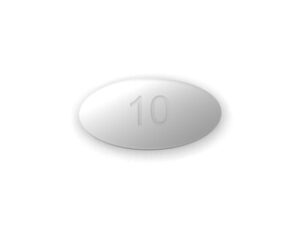
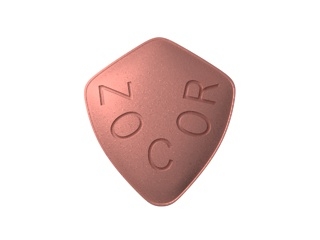
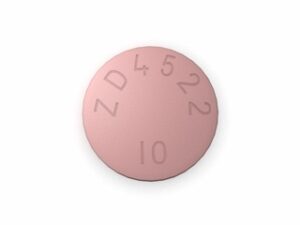
- Common forms: Oral tablets (strengths vary by product)
- Uses: Lower LDL (“bad”) cholesterol and reduce cardiovascular risk in appropriate patients
- Who it’s for: People who meet clinical criteria for cholesterol management and/or cardiovascular prevention
In Australia, availability and product details may vary by supplier and local pharmacy stock. Your pharmacist can confirm the exact brand, strength, and whether a generic option is suitable.
2) How simvastatin works (mechanism of action)
Simvastatin helps lower cholesterol by reducing the liver’s production of cholesterol. It works by inhibiting an enzyme called HMG‑CoA reductase, which plays a key role in making cholesterol.
- Reduces LDL cholesterol: Lower LDL levels can help reduce plaque build-up in arteries.
- Increases “good” receptor activity: The liver removes more LDL from the bloodstream.
- May stabilise plaques: In some patients, lowering LDL can also reduce the likelihood of plaque rupture and related events.
Over time, these effects can translate into a lower risk of heart attack, stroke, and other cardiovascular events. Results depend on the starting cholesterol level, dose, adherence, and overall cardiovascular risk profile.
3) Pharmacokinetics (how the body handles simvastatin)
Understanding how simvastatin is processed may help you appreciate why timing and interactions matter. Key features include:
- Absorption: Simvastatin is absorbed after oral dosing, then processed by the liver.
- Prodrug nature: Simvastatin is converted in the body to its active metabolites.
- Metabolism: Primarily metabolised in the liver by the enzyme CYP3A4.
- Elimination: Metabolites are mainly excreted via the bile and faeces.
Because metabolism involves CYP3A4, medicines that strongly affect this pathway can change simvastatin levels—raising the risk of side effects such as muscle problems. This is one of the main reasons interactions are so important.
4) Typical use
Simvastatin is commonly used to:
- Lower cholesterol levels (especially LDL) in people with high cholesterol
- Reduce cardiovascular risk in people at increased risk (for example, due to prior cardiovascular disease, diabetes, or other risk factors)
- Support overall lifestyle strategies such as a healthy diet, exercise, and smoking cessation
Statins are usually used as part of a longer-term plan. Cholesterol levels typically decrease after starting treatment, and the benefit builds over time with continued use.
5) Timing: when to take Zocor
Many statins, including simvastatin, are often prescribed to be taken in the evening. This can align with the body’s natural cholesterol production pattern.
- General practical advice: Take it at the same time each day.
- Evening dosing: If your regimen calls for evening, follow that advice.
- If you forget a dose: Take it when you remember unless it’s close to the next dose. Do not double up.
If you have specific instructions from your clinician or pharmacist for your exact product strength and dose schedule, those should be followed.
6) Food interactions
Food does not usually prevent simvastatin from being taken, but it can influence absorption for some patients. Most importantly, avoid very large changes in diet patterns without discussing them with a healthcare professional.
- Grapefruit / grapefruit juice: This may increase simvastatin exposure because it can affect CYP3A4. To reduce risk, it’s generally recommended to avoid grapefruit products unless your pharmacist advises otherwise.
- Alcohol with meals: Alcohol is not a food interaction in the same way, but regular alcohol intake can increase strain on the liver and may raise safety risks.
When taking simvastatin, consistency matters: keep your meal routine broadly stable, and prioritise adherence.
7) Alcohol and medicine interactions
Alcohol
Simvastatin can rarely affect liver enzymes. Regular heavy alcohol use may also affect the liver. For safety:
- Keep alcohol moderate: Limit intake according to Australian health guidance and your personal health situation.
- Discuss if you drink heavily: If you have liver disease, frequent heavy drinking, or past liver enzyme problems, seek tailored advice from your clinician or pharmacist.
Important medicine interactions
Because simvastatin is metabolised by CYP3A4, medicines that inhibit this enzyme can raise simvastatin levels, increasing risk of muscle injury (myopathy/rhabdomyolysis). Some combinations are not recommended.
Examples of medicine categories to be careful with:
- Strong CYP3A4 inhibitors: may markedly increase simvastatin exposure.
- Certain antifungals and antibiotics: some can interact strongly with simvastatin.
- HIV antivirals: some regimens can affect CYP3A4.
- Other cholesterol medicines: combinations with certain lipid-lowering agents can increase muscle-related risk.
- Some immunosuppressants: may interact via CYP3A4 or transport mechanisms.
This is not an exhaustive list. Always tell your pharmacist about all medicines you take, including: prescription medicines, over-the-counter products, vitamins, and herbal supplements.
Herbal supplements: Some supplements can interact with drug-metabolism pathways. If you use supplements (including products marketed for “cholesterol” or “detox”), check with your pharmacist before continuing.
8) Indications (what simvastatin is used for)
In Australia, simvastatin is used according to established clinical guidelines and individual patient risk factors. Common indications include:
- Hypercholesterolaemia (high cholesterol): to reduce LDL cholesterol
- Mixed dyslipidaemia: where multiple lipid fractions are abnormal
- Prevention of cardiovascular events: in people at increased cardiovascular risk (for example, after cardiovascular disease or in high-risk profiles)
The exact choice of statin, dose, and target cholesterol level depends on your baseline risk and cholesterol measurements.
9) Dosing information (typical approach)
Dosing varies based on the indication, your cholesterol levels, and your overall risk, as well as interaction risks and tolerability. Your pharmacist can confirm the dose on your prescription label.
Typical practical dosing principles:
- Once daily: simvastatin is usually taken as a single daily dose.
- Start low, adjust gradually: clinicians often start at a suitable dose and adjust based on response and side effects.
- Maximum dose limits: higher doses are generally used cautiously, particularly if interacting medicines are present.
If you suspect your dose is too high or you’re experiencing side effects, contact your healthcare provider. Do not change the dose or stop suddenly without advice.
10) Safety profile: what to watch for
Most people taking simvastatin tolerate it well. However, like all medicines, it can cause side effects. Some effects are uncommon but important to recognise early.
Common side effects
- Headache
- Stomach discomfort, nausea
- Muscle aches (mild discomfort may occur in some people)
Serious side effects (seek urgent medical advice)
- Muscle injury: severe muscle pain, tenderness, weakness, or dark/tea-coloured urine can indicate a rare but serious condition. Stop and seek prompt medical review if these occur.
- Allergic reaction: swelling of face/lips, difficulty breathing, or widespread rash.
- Liver problems: yellowing of skin/eyes, unusual tiredness, dark urine, or persistent nausea/vomiting.
Liver monitoring (why blood tests may be done)
Clinicians may check liver enzymes before starting and/or during treatment, especially if symptoms suggest liver issues. Routine monitoring frequency can vary based on individual risk factors.
Diabetes risk
Statins may slightly increase blood glucose in some people. For most patients, the cardiovascular benefits outweigh this risk, but it’s important to monitor if you have prediabetes or diabetes.
11) Practical use tips for best results
- Take it consistently: choose an easy-to-follow time (often evening) and keep it routine.
- Don’t stop when you feel better: cholesterol lowering is preventive; benefits come from ongoing use.
- Use lifestyle alongside the medicine: a heart-healthy diet, regular physical activity, and maintaining a healthy weight improve outcomes.
- Be cautious with new medicines: new prescriptions, antibiotics, antifungals, or supplements can interact.
- Know the “muscle rule”: report muscle pain or weakness early, especially after starting treatment or increasing the dose.
- Keep follow-up appointments: cholesterol checks guide whether dose adjustments are needed.
If you’re unsure how to manage missed doses, interactions, or side effects, ask your pharmacist. They can help you make safe choices tailored to your medicine list.
12) Alternative options
If simvastatin isn’t suitable, isn’t tolerated, or interactions make it unsafe, there are alternative cholesterol-lowering strategies. Options may include:
- Other statins: some patients switch to a different statin with fewer interaction concerns.
- Ezetimibe: reduces cholesterol absorption in the intestine.
- Bile acid sequestrants: can be used in selected cases.
- PCSK9 inhibitors: injectable options for certain high-risk patients (typically with specialist involvement).
- Dietary and lifestyle therapies: including structured nutrition plans and supervised exercise.
The best alternative depends on your cholesterol pattern, cardiovascular risk, other conditions, and medicine interactions. A pharmacist or clinician can discuss options based on your needs.
13) Market and legal context in Australia
In Australia, medicines are supplied under the framework of the Australian Register of Therapeutic Goods (ARTG) and overseen by the TGA (Therapeutic Goods Administration). Statins such as simvastatin are established therapies and are widely used in clinical practice.
Supply and advice through pharmacies follow Australian regulatory expectations regarding patient safety, proper labelling, and ensuring the medicine is appropriate for the individual.
Pharmacy dispensing practices may vary by stock availability and supplier. Your pharmacy can confirm whether the product is currently in stock or if alternatives (such as equivalent strengths or generic products) can be arranged.
14) Recent guidance and clinical considerations
Clinical guidance for statin use continues to evolve as evidence accumulates. Key ongoing themes in many guideline updates include:
- Matching treatment intensity to cardiovascular risk: balancing benefit and risk.
- Recognising drug interactions early: particularly through the CYP3A4 pathway.
- Monitoring for tolerability: recognising symptoms that could indicate muscle or liver problems.
- Supporting adherence: ensuring patients understand the preventive purpose of statins.
If you want to review up-to-date information relevant to your situation, ask your pharmacist or clinician. They can also help interpret your latest cholesterol results and whether any dose adjustment is appropriate.
15) Delivery and availability (online pharmacy)
Availability of Zocor (simvastatin) may vary depending on the local supply chain and the strength/quantity you select. Many online pharmacies in Australia provide:
- Product listing with current stock information
- Packaging that protects tablets during transit
- Tracking and delivery updates (where offered)
- Customer support for dosing questions and order changes
Delivery times depend on the courier and your location. Check the pharmacy’s website for estimated delivery windows and any cut-off times for dispatch.
Storage: Keep tablets in their original packaging, protected from moisture and out of direct sunlight. Store at room temperature unless your label states otherwise. Keep out of reach of children.
16) FAQ
Is Zocor the same as simvastatin?
Yes. Zocor is a brand name of the active ingredient simvastatin. Other brands and generic versions may contain the same active ingredient.
How long does it take to work?
Cholesterol can begin to fall within the first few weeks. Clinicians usually review cholesterol results after an appropriate period to see how well the dose is achieving targets and whether adjustments are needed.
Should I take it with or without food?
Simvastatin can generally be taken with or without food. For best adherence, choose a method that fits your routine. If your pharmacist or label provides specific instructions, follow those.
Can I drink alcohol while taking Zocor?
Moderate alcohol may be acceptable for many people, but heavy or frequent alcohol use can increase liver-related risk. If you have liver disease or drink heavily, ask a pharmacist or clinician for personalised advice.
What if I get muscle aches?
Mild muscle discomfort can happen, but you should take it seriously. If you have unexplained muscle pain, tenderness, weakness, or dark urine—especially soon after starting or increasing the dose—seek medical advice promptly.
Why are interactions so important with simvastatin?
Simvastatin is processed by liver pathways (including CYP3A4). Some medicines can raise simvastatin levels, which can increase the risk of muscle injury. Always check with your pharmacist when starting, stopping, or changing any medicines or supplements.
Can I eat grapefruit?
Grapefruit and grapefruit juice can increase simvastatin levels in some people. To reduce risk, it’s commonly recommended to avoid grapefruit products unless your pharmacist advises otherwise.
What should I do if I miss a dose?
Take it when you remember unless it is close to the next dose. Do not double up. If you’re unsure, ask your pharmacist for advice.
Are there alternatives if I can’t tolerate simvastatin?
Yes. Options may include a different statin, changing the dose, or using non-statin cholesterol-lowering medicines depending on your circumstances. Discuss options with a healthcare professional.
Who shouldn’t take simvastatin?
Suitability depends on your medical history, current medicines, and risk factors. People with certain liver conditions or those taking interacting medicines may need different treatment. If you have concerns, speak to a pharmacist before using simvastatin.
Summary
Zocor (simvastatin) is a widely used statin medicine that helps lower LDL (“bad”) cholesterol and reduce cardiovascular risk. It works by lowering cholesterol production in the liver and increasing LDL clearance from the blood. Because simvastatin is metabolised by CYP3A4, drug interactions—along with grapefruit and certain medicines—can increase risk of side effects.
For safe and effective use, take your dose at the recommended time, follow up with cholesterol testing as advised, and seek help promptly if you experience symptoms such as severe muscle pain or signs of liver problems.