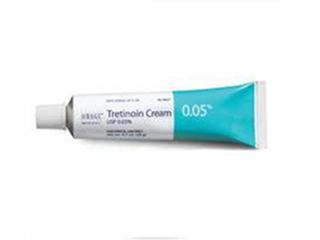
Tretinoin (Isotretinoin) – Patient Information (Australia)
What is tretinoin? In everyday pharmacy terms, the name “tretinoin” is often used to describe isotretinoin, a powerful medicine used for severe acne. Isotretinoin is a vitamin A derivative (a retinoid). It works by reducing oil (sebum) production, preventing clogged pores, and helping calm inflammation.
This page provides practical, patient-friendly information about how isotretinoin works, how it is taken, common timing tips, food and alcohol considerations, interactions, safety issues, and availability in Australia. Always follow the specific instructions given to you by your healthcare professional.
Basic product information
| Category | Details |
|---|---|
| Generic name | Isotretinoin |
| Medicine class | Retinoid (vitamin A derivative) |
| Common use | Severe acne (including nodulocystic acne) and certain other acne-related conditions |
| Form | Oral capsules |
| How it’s taken | Once or twice daily depending on the dose schedule |
| Key safety note | Can cause serious harm to an unborn baby; strict pregnancy prevention measures apply |
How isotretinoin works (mechanism of action)
Isotretinoin targets multiple causes of acne at the same time:
- Reduces sebum production: It shrinks the oil glands and decreases the amount of oily material that can clog pores.
- Normalises keratinisation: It helps prevent abnormal skin cell shedding that contributes to blocked follicles.
- Reduces inflammation: It helps calm inflammatory processes that drive painful acne lesions.
- Reduces acne-causing bacteria: By changing the skin environment, it can reduce bacterial overgrowth associated with acne.
The result is often long-lasting improvement, especially in severe acne that has not responded to standard treatments.
Pharmacokinetics (how the body handles it)
Understanding absorption and metabolism can help explain why timing and food matter.
- Absorption: Isotretinoin is better absorbed when taken with fat-containing food. This is one of the main reasons pharmacists commonly advise taking it with a meal.
- Distribution: It distributes throughout the body, including to skin tissues.
- Metabolism: Isotretinoin is metabolised primarily in the liver. Its main active metabolite is 4-oxo-isotretinoin (and other metabolites).
- Elimination: Metabolites leave the body mainly via urine and bile.
- Half-life: The compound’s pharmacokinetics involve metabolites, so the overall elimination pattern is gradual; effects can persist after stopping.
Typical use
Isotretinoin is used to treat severe acne, particularly when acne:
- is nodular or cystic (painful, deep lesions),
- is at risk of scarring,
- has not improved adequately with other acne therapies, such as topical treatments and oral antibiotics.
Your doctor may also consider it for specific patterns of acne or treatment-resistant cases, depending on severity and your medical history.
When and how to take it (timing and daily routine)
Typical timing
- Take isotretinoin at the same times each day to maintain consistent levels.
- If prescribed once daily, choose a time you can reliably take with a meal.
- If prescribed twice daily, many people take one dose with breakfast and one with dinner.
Take with food
Food can significantly affect absorption. Taking isotretinoin with a meal (especially one that contains fat) generally improves uptake and may help make the dose more consistent.
- Swallow capsules whole with water.
- Avoid taking on an empty stomach unless your healthcare professional instructs otherwise.
- If you miss a dose, follow your prescriber’s advice—commonly you should take it when you remember if it’s near the next scheduled dose, but do not double up.
Food interactions and what to avoid
The most important “food” point is fat-containing meals improving absorption. Less concern exists about specific foods, but the following practical guidance can help:
- Be consistent: Try to take each dose with a similar type of meal to keep absorption steady.
- Alcohol with food: Alcohol still increases risk related to liver strain (see alcohol section below).
- Vitamin A supplements: Avoid extra vitamin A or retinol supplements unless specifically advised, because combining retinoids may increase the risk of toxicity.
If you use herbal supplements, energy drinks, or high-dose vitamins, discuss them with your pharmacist or doctor.
Alcohol and medicine interactions
Alcohol
Isotretinoin is processed in the liver, and heavy alcohol intake may increase the risk of liver-related side effects. For safety:
- Limit or avoid alcohol during treatment, especially if you have abnormal liver tests, liver disease, or elevated triglycerides.
- If you drink occasionally, discuss safe limits with your healthcare professional.
Common medicine interactions
Interactions depend on your individual medicines and health conditions. Below are key categories that often matter:
- Other vitamin A/retinoids: Avoid taking additional vitamin A supplements or retinoid medicines (including high-dose “skin” vitamin products), unless your healthcare professional confirms it’s safe.
- Tetracycline antibiotics: Combining isotretinoin with tetracyclines (such as doxycycline or minocycline) can increase the risk of intracranial hypertension (a pressure issue in the skull causing severe headache and vision symptoms).
- Systemic corticosteroids: May increase risk of certain side effects; clinicians may monitor more closely.
- Other acne medicines: Combining with certain topical or systemic agents may increase irritation. Discuss all acne products you use (including “natural” acne creams).
- Herbal supplements: Some can affect liver enzymes. Examples include certain weight-loss or skin supplements. Always tell your pharmacist and doctor about what you take.
Medicines affecting the liver or lipids
Your clinician may monitor blood tests (liver function and lipids) because isotretinoin can raise triglycerides and affect liver enzymes in some people. Tell your healthcare professional if you take:
- regular paracetamol/acetaminophen at high doses,
- non-steroidal anti-inflammatory drugs (NSAIDs) frequently,
- other medicines known to affect the liver.
Always check before starting or stopping any medicine during your course.
Indications (what it is used to treat)
In Australia, isotretinoin is used for acne that meets clinical severity criteria. Indications commonly include:
- Severe acne (nodulocystic acne) or acne that risks scarring
- Acne refractory to conventional therapy, such as adequate courses of topical therapy and oral antibiotics
- Selected treatment-resistant acne under clinician assessment
Your treatment decision will consider your acne severity, previous treatments, and your personal risk factors for adverse effects.
Dosing guidance (general information)
Dosing varies based on acne severity, tolerance, and treatment goals. Clinicians often use weight-based strategies, starting with a lower dose and adjusting gradually. Do not change your dose unless your healthcare professional tells you to.
Common dosing approaches
- Weight-based dosing: Many regimens aim for a target cumulative dose over the course.
- Start low and increase: Some people begin lower to reduce early side effects like dryness.
- Once daily or twice daily: Depends on capsule strength and the prescriber’s plan.
How to handle missed doses
- If you forget a dose and it’s close to the next scheduled dose, skip the missed dose.
- If you remember soon after the scheduled time, follow the advice provided with your medicine.
- Do not take an extra dose to “catch up” without professional guidance.
If you experience troublesome side effects, you should contact your healthcare professional promptly; dose adjustments may be possible.
Safety profile and important precautions
Isotretinoin can be highly effective, but it has a well-known safety profile. Many side effects relate to its retinoid effects on skin and mucous membranes (dryness), and changes to blood markers (such as lipids and liver enzymes).
Common side effects
- Dry lips (very common) and dryness of the mouth
- Dry skin and mild scaling
- Dry eyes (burning, gritty feeling)
- Dry nose or nosebleeds
- Sensitivity to sunlight (sunburn more easily)
- Rash or mild skin irritation
- Muscle aches or joint discomfort (may occur during treatment)
- Temporary acne flare in early weeks for some people
Blood test monitoring
Your clinician may perform regular blood tests, commonly including:
- Liver function tests
- Lipid profile (especially triglycerides)
Results can influence whether doses need adjustment or whether additional follow-up is required.
Serious risks (seek urgent medical advice)
- Pregnancy exposure risk: Isotretinoin can cause severe birth defects. Strict measures are required to prevent pregnancy during treatment and for a period after stopping, according to the local guidance and your clinician’s plan.
- Severe headache, vision changes, or neurological symptoms: These may indicate raised intracranial pressure. Stop and seek urgent assessment if symptoms occur.
- Severe allergic reactions: e.g., facial swelling, difficulty breathing, widespread rash—seek urgent help.
- Signs of liver problems: severe fatigue, nausea/vomiting, dark urine, yellowing of skin/eyes. Seek medical advice promptly.
- Severe mood changes: depression or suicidal thoughts require immediate medical attention.
If you have a personal or family history of mood disorders, discuss this early with your clinician and monitor changes closely.
Practical use tips (how to make treatment easier)
Manage dryness effectively
- Lip care: Use a bland, fragrance-free emollient or lip balm regularly (often multiple times daily).
- Moisturise: Choose gentle, non-comedogenic moisturisers for your face and body.
- Eye comfort: Lubricating eye drops may help dryness—ask your pharmacist for suitable products.
- Nose care: Saline sprays or moisturising gels can reduce dryness and nosebleeds.
- Shaving and hair removal: Consider gentler methods; some people find waxing/harsh exfoliation irritating.
Skin care and acne expectations
- Expect early changes: Some people experience increased breakouts during the first weeks. This does not always mean the medicine is failing.
- Keep routines simple: Avoid aggressive scrubs or harsh acids unless your clinician advises otherwise.
- Sun protection: Use broad-spectrum sunscreen (SPF 30+ or higher) and protective clothing.
Hydration and body comfort
- Drink adequate fluids.
- If you develop muscle/joint aches, consider adjusting intense exercise and discuss pain relief options with your pharmacist.
When to contact your healthcare professional
- Severe headaches or vision changes
- Marked mood changes
- Symptoms of liver issues
- Persistent vomiting, severe abdominal pain, or unusual bleeding/bruising
- Any pregnancy-related concerns
Alternative options for acne
If isotretinoin isn’t suitable, not desired, or not the best first option for your acne type, other treatments may include:
- Topical retinoids (e.g., adapalene or tretinoin products in acne-appropriate formulations)
- Topical benzoyl peroxide and combination gels
- Oral antibiotics for selected moderate-to-severe acne courses (used with topical agents to reduce resistance)
- Hormonal treatments for suitable patients (commonly for acne associated with hormonal patterns)
- Other prescription-strength acne therapies under clinician guidance
- Procedural options such as certain dermatology-led treatments for scarring or persistent lesions
The “best” option depends on acne severity, scarring risk, previous responses, lifestyle, and safety considerations.
Australia market and legal context (what to expect)
In Australia, isotretinoin is regulated due to its potential to cause severe harm to an unborn baby and because of other serious safety considerations. Because of this, its prescribing and dispensing processes are typically structured and closely monitored.
Many pharmacies provide access through usual healthcare pathways and standard medicine supply systems in Australia. Availability may vary by dose strength and capsule size, so it’s helpful to plan ahead.
If you are purchasing online, reputable Australian online pharmacies generally require the necessary patient information flow as required by local regulations and pharmacy policy.
Recent guidance and monitoring (overview)
Guidance for isotretinoin treatment focuses on:
- Risk minimisation: especially pregnancy prevention and education about birth-defect risk.
- Safety monitoring: regular assessments and blood tests (e.g., liver enzymes and lipids).
- Managing side effects: proactive skin and mucosal moisturising, counselling about sun protection, and advice on when to seek urgent care.
- Medication review: checking interactions, particularly with tetracycline antibiotics and vitamin A products.
Your clinician may update your plan if your blood tests or side effects change during treatment.
Delivery and availability (online pharmacy)
Availability depends on the specific strength and brand/capsule type you need. Many Australian pharmacies can supply common strengths, while less common doses may require ordering.
- Processing time: Typically includes checking availability, verification steps, and preparation.
- Dispatch and tracking: Many online pharmacies provide shipment tracking once dispatched.
- Cold-chain: Usually not required for isotretinoin capsules, but store as directed on the label.
- Packaging: Medicines are usually packed securely to prevent damage and leakage.
If you are starting a course, allow time for delivery and avoid running out of medicine mid-course. Speak with your pharmacist if you anticipate delays.
How to store isotretinoin
- Store capsules at room temperature, away from excessive heat and moisture.
- Keep in the original packaging until use.
- Keep out of reach of children.
- Do not use after the expiry date on the carton.
FAQ – Tretinoin (Isotretinoin)
1) Is tretinoin the same as isotretinoin?
In acne discussions, “tretinoin” is sometimes used loosely. Isotretinoin is an oral medicine taken for severe acne. Tretinoin is also a name used for topical retinoid treatments. This page specifically describes oral isotretinoin.
2) How long does isotretinoin take to work?
Many people notice improvement after several weeks. Acne may flare early, then settle as treatment continues. A full course often lasts months, depending on your response and clinician plan.
3) Can I take isotretinoin on an empty stomach?
It is generally recommended to take isotretinoin with a meal because absorption is better with food, especially meals containing fat. Follow your specific instructions.
4) What are the most important side effects to plan for?
The most common are dry lips, dry skin, and dry eyes, plus sensitivity to sunlight. Having moisturisers and lip balm ready often makes treatment much easier.
5) Do I need blood tests?
Often yes. Clinicians commonly monitor liver function and lipids (triglycerides and cholesterol) during treatment to ensure safety and guide dosing.
6) Can I drink alcohol while taking isotretinoin?
It’s best to limit or avoid alcohol during treatment, as alcohol and isotretinoin can both affect the liver. Discuss your situation with your healthcare professional.
7) Are there medicines I must not take with isotretinoin?
Avoid combining with vitamin A supplements/retinoids unless advised, and be cautious with tetracycline antibiotics (such as doxycycline or minocycline) due to the risk of raised intracranial pressure. Always provide your full medicine list to your pharmacist or doctor.
8) What if I miss a dose?
Follow your clinician’s advice. In many cases, you should skip the missed dose and resume your regular schedule. Do not take extra capsules to compensate unless told to do so.
9) How do I reduce scarring risk from acne?
Treating severe acne early can help reduce scarring risk. Avoid picking or aggressive squeezing. Use sunscreen daily, and follow treatment plans closely. If scarring develops, dermatology treatments can be considered after your course.
10) Is isotretinoin suitable for everyone?
No. Suitability depends on acne severity and safety factors (including pregnancy prevention requirements, liver health, lipid levels, medication interactions, and mental health history). A clinician will assess risks and benefits for you.
Summary
Isotretinoin is a highly effective oral retinoid for severe, treatment-resistant acne. It reduces oil production, unclogs pores, and lowers inflammation. Because it can cause significant dryness and may affect liver enzymes and blood lipids, monitoring and proactive skin care are important. Most importantly, it carries a serious risk of harm to unborn babies, so strict pregnancy prevention measures apply.
If you have questions about how to take isotretinoin, interactions with your current medicines, or what side effects to watch for, speak to your pharmacist or healthcare professional.