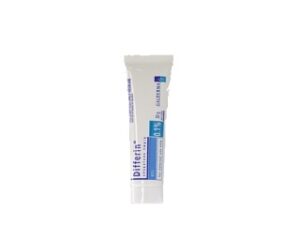
Differin (Adapalene) – Patient-Friendly Guide (Australia)
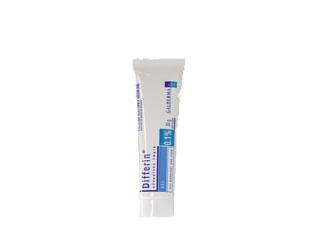
Differin is a topical medicine containing adapalene, a retinoid-like treatment used for acne. It works by helping to prevent clogged pores and reducing inflammation, which can lead to clearer skin over time. This guide explains how Differin works, how to use it safely, what to expect, and important interactions and precautions—tailored to readers in Australia.
Basic product information
| Category | Details |
|---|---|
| Medicine | Differin (adapalene) |
| Active ingredient | Adapalene (a topical retinoid-like medicine) |
| Where it’s used | On the skin (topical), typically for acne |
| Common strengths | Available as 0.1% gel in many markets; exact pack strength can vary by product/brand |
| Typical appearance | Gel or cream formulations depending on the specific product |
Note: Always check the pack and leaflet for the exact strength and formulation you receive.
How Differin works (mechanism of action)
Adapalene helps treat acne through several related actions:
- Normalises skin cell turnover: It helps reduce abnormal skin cell shedding inside pores that can lead to comedones (clogged pores).
- Prevents clogging of pores: By supporting healthier shedding, it reduces the formation of blackheads and whiteheads.
- Reduces inflammation: Acne is not only a clogged pore issue; inflammation plays a major role. Adapalene helps calm inflammatory processes in the skin.
- Supports a clearer pore environment: Over time, this can reduce both non-inflammatory and inflammatory acne lesions.
Because its effects build gradually, it may take weeks to see meaningful improvement.
Pharmacokinetics (what the body does with it)
When applied to the skin as directed, adapalene is absorbed into the bloodstream at low levels. Key points include:
- Absorption: Generally limited through intact skin.
- Distribution & metabolism: Any absorbed portion is processed by the body and cleared primarily through normal metabolic pathways.
- Accumulation: With proper use, there is typically no significant accumulation expected.
In practical terms for patients, this means the overall systemic exposure is usually low when Differin is used correctly on the skin.
Typical uses and indications
Differin is commonly used for:
- Acne vulgaris (commonly mild to moderate acne)
- Comedonal acne (blackheads and whiteheads)
- Inflammatory acne (red bumps and pimples), often as part of a broader acne regimen
It may also be used as part of a longer-term maintenance strategy after acne improves, as advised by health professionals.
When to apply (timing and routine)
Most people use Differin once daily, typically in the evening. Many find nighttime use beneficial because it avoids potential interactions with daytime skincare and sun exposure routines.
Suggested routine:
- Cleanse gently and pat the skin dry.
- Wait about 10–20 minutes after washing if your skin is prone to irritation (helps reduce dryness/irritation).
- Apply a thin layer to the acne-prone areas.
- Moisturise if needed (see tips below).
- Use sunscreen in the morning (important while using retinoids).
What to do if you miss a dose: Apply it when you remember unless it’s close to the time for the next dose. Don’t double up.
How to dose (practical dosing guidance)
Differin is intended for topical use on the skin only.
- Amount: Use a pea-sized amount for the whole face (or the size appropriate for the area), unless your product leaflet directs otherwise.
- Coverage: Apply to areas affected by acne; a thin layer is usually sufficient.
- Frequency: Start with once daily or every second night if your skin is sensitive, then increase as tolerated.
- Wash hands after applying.
Expectations: Acne can look worse before it looks better (“initial purging” in some people), particularly during the first few weeks. Consistent use is usually needed to judge benefit.
Typical timeframe to assess progress:
- 2–4 weeks: Some may notice early changes; irritation is also common here.
- 6–12 weeks: More reliable assessment of improvement.
- Ongoing use: Results can continue to improve with time if tolerated.
Food interactions
Because Differin is a topical medicine with low systemic absorption, food interactions are not expected to be clinically significant.
Even so, acne management can be influenced by overall health choices. If you are taking other medicines for acne or related conditions, discuss your full list of medications with a healthcare professional.
Alcohol and medicine interactions
Alcohol
There is generally no direct alcohol interaction expected with topically applied adapalene. However, alcohol can contribute to dehydration or skin irritation in some people (depending on how your skin reacts), which may worsen dryness.
Interactions with other medicines
Topical and systemic interactions depend on what you apply or take alongside Differin.
- Other acne actives (higher irritation risk): Avoid using multiple potentially irritating products at the same time unless directed (for example, other retinoids or strong exfoliants).
- Topical antibiotics: Combining Differin with certain antibiotics is sometimes done in acne care; tolerability varies.
- Benzoyl peroxide: Often used in acne regimens. Some people tolerate alternating schedules (e.g., one in the morning, Differin in the evening). Follow product guidance and monitor irritation.
- Skin-care exfoliants: Products like chemical exfoliants (e.g., strong acids) or scrubs can increase irritation.
- Other retinoids: Avoid combining with other retinoid-containing products on the same area.
Tell your pharmacist or doctor if you use other prescription or non-prescription skin treatments, including those containing retinoids, strong acids, or benzoyl peroxide.
Safety profile and precautions
Differin is generally well tolerated when used correctly. The most common issue is skin irritation, especially when starting.
Common side effects
- Dryness or flaking
- Redness
- Stinging or burning sensation
- Peeling
- Itching (sometimes)
Serious side effects (seek medical advice)
- Severe swelling, blistering, or extensive rash
- Signs of allergy such as hives, facial swelling, or breathing difficulty
- Persistent worsening of irritation beyond what you can manage with dose adjustments
Who should be extra careful
- Sensitive skin or a history of reaction to skincare actives
- Eczema or broken skin (avoid applying to damaged areas)
- Sun exposure: retinoids can make skin more reactive
Practical use tips to reduce irritation
Starting Differin can be uncomfortable for some people. The tips below often improve tolerability:
- Start slowly: Use every second night for the first 1–2 weeks if needed.
- Use a moisturiser: Apply a gentle moisturiser after Differin or on non-Differin nights.
- Use the “sandwich method” if required: Moisturiser → Differin (thin layer) → moisturiser again. This can reduce stinging.
- Avoid the corners: Keep away from eyes, lips, and corners of the nose.
- Wash gently: Use a mild cleanser; avoid harsh soaps.
- Skip irritating products early on: For example, strong exfoliants, toners with alcohol, and scrubs.
- Sun protection is essential: Use broad-spectrum sunscreen daily and reapply as needed.
If irritation becomes significant, consider reducing frequency (e.g., 2–3 times per week) until skin settles, then build up again.
Alcohol and other “lifestyle” considerations
While alcohol is not a direct interaction, your skin may react differently depending on overall routines. If you notice increased dryness or redness after drinking alcohol, consider:
- Staying well hydrated
- Using a fragrance-free moisturiser
- Adjusting Differin frequency during periods when your skin is stressed
Alternative options for acne
Differin is one approach to acne treatment. Depending on your skin type, severity, and tolerance, alternatives may include:
- Benzoyl peroxide (helps reduce acne bacteria and inflammation; may bleach fabrics)
- Topical antibiotics (often used in combination to reduce resistance)
- Azelaic acid (helps with inflammation and marks; often gentler)
- Salicylic acid (helps unclog pores; may be drying)
- Oral medicines for more severe acne (requires clinician guidance)
Many effective acne regimens combine products thoughtfully, balancing results with tolerability. A pharmacist or general practitioner can help you choose an approach.
Market and legal context for Australia
In Australia, availability of acne treatments can vary by active ingredient and formulation. Adapalene products may be available in different categories depending on the specific product and strength. This means a product could be supplied through pharmacies or other permitted channels in line with Australian regulatory requirements.
Online pharmacies typically provide information to help customers choose appropriate products safely, including dosing instructions, ingredient details, and warnings. Always follow the instructions on the pack and seek advice if you are unsure.
Important: Medicines may be regulated differently over time. Check the specific product page and packaging for current supply details and directions for use.
Recent guidance and practical expectations (what many Australians are advised)
Across skincare guidance, several consistent points appear for topical retinoids like adapalene:
- Start gradually to reduce irritation.
- Use moisturiser and sunscreen to support skin barrier comfort.
- Be patient—acne improvement commonly takes several weeks.
- Avoid overusing actives—more products often means more irritation, not better results.
If you’re using multiple acne treatments, it’s especially important to introduce them slowly and monitor your skin response.
Delivery and availability (online pharmacy information)
Online pharmacies in Australia typically offer:
- Home delivery to eligible regions, subject to carrier and stock availability
- Discreet packaging for privacy
- Tracking where supported
- Product verification processes to ensure you receive the correct medicine
Delivery times and costs can vary depending on location and supplier. At checkout, you’ll usually see estimated delivery estimates and any shipping fees.
Availability: Differin availability can depend on current stock and specific pack size. If your preferred pack is unavailable, the pharmacy may offer an alternative formulation/strength with equivalent active ingredient (subject to suitability and regulations).
Frequently Asked Questions (FAQ)
1) How long does Differin take to work?
Many people notice changes in 2–4 weeks, but clearer results are more reliably seen after 6–12 weeks. Consistent use matters. If you’re very sensitive, your progress may be slower due to adjusting frequency for comfort.
2) Should I use Differin every day?
Often Differin is used once daily. However, if you experience dryness or stinging, you can start with every second night and build up as tolerated.
3) Can I use Differin with moisturiser?
Yes. Moisturiser can improve comfort and reduce irritation. You can moisturise after applying Differin. Some people find the “sandwich method” helpful (moisturiser → Differin → moisturiser).
4) Can I use sunscreen while on Differin?
Yes—and it’s strongly recommended. Sunscreen helps protect your skin, reducing irritation and helping prevent uneven marks from acne.
5) Will Differin bleach my clothes or towels?
Differin (adapalene) is not typically known for bleaching in the way benzoyl peroxide can. However, any topical product can sometimes stain fabric—especially gel formulations—so allow it to dry before dressing, and consider using clean towels.
6) Is there an initial break-out with Differin?
Some people experience an “early worsening” phase in the first few weeks. This can settle as treatment continues. If your skin becomes severely inflamed or you develop a rash, reduce frequency and seek advice.
7) Can I combine Differin with benzoyl peroxide?
Many acne regimens combine benzoyl peroxide with retinoids, but irritation is possible. If combining, consider using one in the morning and Differin at night, or alternate days—then adjust based on tolerance.
8) What should I avoid while using Differin?
Avoid strong exfoliants, harsh cleansers, and other retinoids on the same areas unless advised. Limit products that contain alcohol or are known to sting, especially at the start.
9) Can I use Differin if I’m pregnant or breastfeeding?
Retinoid medicines can carry specific risks in pregnancy. If you are pregnant, planning pregnancy, or breastfeeding, speak with a healthcare professional before using adapalene.
10) What if I accidentally get Differin in my eyes?
Rinse gently with plenty of cool water immediately. If irritation persists, seek medical advice.
11) Can I drink alcohol while using Differin?
There is generally no direct interaction expected with topical adapalene. If you notice your skin becomes drier or more irritated after alcohol, focus on hydration and moisturising and adjust your Differin frequency if needed.
12) Where should I apply Differin?
Apply only to acne-prone skin areas as directed. Avoid applying to broken skin, sunburnt areas, or open wounds.
When to seek professional advice
Talk to a pharmacist or doctor if:
- Your acne is severe, scarring, or not improving after a reasonable trial (often 8–12 weeks)
- You experience significant or persistent irritation despite reducing frequency
- You develop a rash or signs of allergy
- You are unsure how to combine Differin with other acne treatments
With the right routine and patience, Differin can be an effective part of acne care for many people.