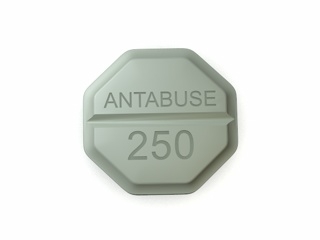


Antabuse (Disulfiram) – Patient Information (Australia)
Antabuse is a brand of disulfiram, a medicine used in the treatment of alcohol dependence. It works by causing unpleasant reactions when alcohol is consumed, helping many people maintain abstinence. This page explains how Antabuse works, how it is used, key safety considerations, and practical tips for safer use in Australia.
This information is intended to help you understand the medicine. It does not replace advice from a qualified healthcare professional.
Quick Facts
- Active ingredient: Disulfiram
- Medicine type: Alcohol-aversion therapy
- Common goal: Help prevent alcohol use by triggering adverse reactions if alcohol is taken
- How it works: Blocks the breakdown of alcohol in the body, leading to a buildup of acetaldehyde
- Key warning: Avoid all alcohol while taking disulfiram, including some foods and medications
Basic Product Information
| Category | Details |
|---|---|
| Brand name | Antabuse |
| Generic name | Disulfiram |
| Use | Alcohol dependence (as part of a broader treatment plan) |
| Administration | Oral tablets (dose varies by individual) |
| Major safety consideration | Complete avoidance of alcohol and alcohol-containing products |
How Antabuse Works (Mechanism of Action)
Under normal conditions, the body breaks down alcohol (ethanol) in two main steps:
- Ethanol → acetaldehyde
- Acetaldehyde → acetic acid
Disulfiram interferes with the second step by inhibiting the enzyme involved in converting acetaldehyde to a harmless product. As a result, when alcohol is taken while on disulfiram, acetaldehyde accumulates.
This leads to the characteristic unpleasant reaction such as flushing, nausea, vomiting, headache, sweating, palpitations, low blood pressure, and a general feeling of severe discomfort. Over time, these reactions may help reinforce alcohol abstinence.
Importantly, Antabuse is not a “detox” medicine and is not the same as medication that reduces craving. Its role is to create a strong aversion to alcohol when alcohol is consumed.
Pharmacokinetics (How the Body Handles Disulfiram)
Pharmacokinetics describes absorption, distribution, metabolism, and elimination. While individual responses vary, the general pattern is:
- Absorption: Disulfiram is taken by mouth and absorbed in the gastrointestinal tract.
- Activation/metabolism: Disulfiram is metabolised in the body to compounds that contribute to its action. The effect is linked to inhibition of acetaldehyde metabolism.
- Onset of effect: The alcohol reaction may begin after the body has reached effective levels; clinicians often advise starting only when alcohol has been avoided for long enough.
- Duration: Effects can last beyond the last dose. Even small amounts of alcohol after stopping disulfiram may still cause reactions.
- Elimination: Metabolites are eliminated primarily through metabolism and excretion pathways that can vary by person.
Because disulfiram can have effects that persist, it is crucial to follow timing advice for starting and stopping, and to avoid alcohol during use and for an appropriate period after discontinuation (your clinician will advise the exact timeframe for your situation).
Typical Uses and Treatment Approach
Antabuse (disulfiram) is used in alcohol dependence to support abstinence. It is typically used as part of a broader plan that may include:
- Behavioural support and counselling
- Relapse prevention strategies
- Monitoring of abstinence and side effects
- Management of co-existing conditions (for example, anxiety, depression, liver disease, or withdrawal risks)
Disulfiram may be particularly helpful when a person (and their support system, if applicable) needs a strong deterrent to alcohol consumption. It is not suitable for everyone; decisions depend on medical history and risk factors.
Indications (When Antabuse Is Used)
Antabuse is indicated for the treatment of alcohol dependence in adults. It may be used to maintain abstinence in people who are committed to avoiding alcohol and can adhere to strict avoidance requirements.
Clinicians consider factors such as:
- Readiness and ability to avoid all alcohol-containing products
- Underlying liver health
- Concomitant medicines and potential interactions
- Risk of severe reactions if alcohol is accidentally taken
Dosing: General Guidance
Dosing varies based on individual needs, prior alcohol use pattern, and medical risk factors. Your clinician will determine the appropriate dose and schedule. The typical approach may include:
- Before starting: Avoid all alcohol for a sufficient period prior to first dose.
- Starting dose: Often begins with a dose chosen to balance effectiveness and safety.
- Maintenance: The dose may be adjusted for ongoing deterrence and tolerability.
- Supervision: Some people benefit from monitored dosing (for example, with support from a family member or healthcare service), especially if adherence might be difficult.
If you are unsure about your dosing schedule, do not change dose on your own—confirm with your healthcare professional or pharmacist.
Timing: Starting, Consistency, and Stopping
How to time doses
- Take at the times prescribed and try to keep doses consistent.
- Do not miss doses without advice—missed doses can reduce deterrent effect.
Alcohol-free period before starting
Because disulfiram can cause reactions when alcohol is present in the body or taken soon after drinking, clinicians typically require a period of complete alcohol avoidance before starting. The required interval depends on the person’s situation.
After stopping
Effects may persist for some time after the last dose. Avoid alcohol and alcohol-containing products for the timeframe your clinician advises.
If you have any uncertainty—especially before special events or travel—ask your pharmacist for personalised guidance.
Food Interactions and Hidden Alcohol Sources
Alcohol can be present in foods, drinks, and some household products. While disulfiram reactions are most clearly linked to direct alcohol ingestion, even small amounts of alcohol may be risky. Be especially careful with:
- Alcoholic beverages (obvious but must be strictly avoided)
- Cooking products that contain alcohol (e.g., some sauces, marinades, extracts)
- Vinegar-based products—ordinary vinegar is usually safe, but check product ingredients if unsure
- Fermented foods or products with added alcohol/spirits
- Some confectionery (e.g., alcohol-flavoured chocolates)
In Australia, food labelling may list ingredients. When possible, choose products with no alcohol listed.
If you accidentally consume an alcohol-containing product while on disulfiram, seek advice from a healthcare professional or a local poison information service (or emergency services if severe symptoms occur).
Alcohol and Medicine Interactions
Strict alcohol avoidance
The most critical interaction is between disulfiram and alcohol. Avoid alcohol entirely, including:
- Beer, wine, spirits, and cider
- Alcohol-containing mouthwashes or sprays (check labels)
- “Tinctures” or herbal alcohol extracts
- Some cough/cold syrups that contain alcohol
- Aftershaves, perfumes, and other products that may be used in ways that lead to ingestion or exposure (especially if accidental ingestion is possible)
Common medication interaction examples
Many medicines can have effects on blood pressure, the liver, or cause adverse reactions when combined with disulfiram. Your pharmacist should review all medicines you take, including:
- Medicines for nervous system conditions
- Some medicines processed by the liver
- Medicines that may increase risk of sedation or dizziness
- Drugs that can affect bleeding risk or metabolism (depending on your regimen)
Because interaction patterns can change and differ by individual medication choice, always provide your pharmacist with:
- All prescription medicines
- All over-the-counter medicines
- Herbal supplements and tinctures
- Recent doses (including “as needed” products)
Metronidazole and certain other medicines (important caution)
Some antibiotics and other agents may increase the risk of serious reactions when taken with disulfiram or can raise concerns about side effects. If you are prescribed a new medicine, ask the pharmacist specifically about disulfiram interaction risks before starting.
If you have symptoms such as severe vomiting, chest pain, fainting, confusion, or breathing difficulties, seek urgent medical help.
Safety Profile: What to Watch For
Antabuse/disulfiram can be effective for deterrence, but it has important safety considerations. Risks may be higher in people with certain medical conditions, especially those involving the liver or cardiovascular system.
Common or expected side effects
- Headache
- Drowsiness or fatigue
- Metallic or unpleasant taste
- Nausea or stomach discomfort
- Acne-like skin changes (in some cases)
- Neuropsychiatric symptoms such as mood changes or confusion (less common but important)
Serious adverse reactions
Seek urgent medical care if you develop signs of serious toxicity or complications. These may include:
- Jaundice (yellow eyes/skin), dark urine, or severe fatigue (possible liver problems)
- Severe skin reactions (rash with swelling, blistering, or trouble breathing)
- Severe confusion, agitation, hallucinations, or fainting
- Uncontrolled vomiting or severe dehydration
- Chest pain, severe shortness of breath, or irregular heartbeat
Reaction to alcohol (what it can feel like)
The “disulfiram–alcohol reaction” can be uncomfortable and potentially dangerous. Symptoms can include:
- Facial flushing and warmth
- Throbbing headache
- Severe nausea and vomiting
- Sweating
- Palpitations or rapid heartbeat
- Low blood pressure, dizziness, or fainting
If alcohol has been consumed and symptoms are severe, it should be treated as a medical concern.
Practical Use Tips for Safer, More Successful Treatment
- Use a “no alcohol” rule: Keep it simple—avoid alcohol in any form.
- Check labels: Read ingredient lists for foods and drinks; avoid products listing alcohol.
- Review mouth products: Avoid alcohol-containing mouthwashes and oral sprays when possible (ask your pharmacist).
- Keep a medication list: Carry a list of your medicines and disulfiram use for emergencies.
- Consider monitored dosing: If adherence may be difficult, supervised dosing can reduce accidental misuse.
- Plan ahead for events: Stay clear of “non-alcoholic” products that contain alcohol or are unclear—when uncertain, choose alternatives.
- Hydrate and eat regularly: If you feel nauseated or unwell, seek advice early rather than waiting.
- Do not stop suddenly without advice: If you want to discontinue, discuss timing and ongoing precautions for alcohol avoidance.
Alcohol Dependence: How Antabuse Fits Compared with Other Options
Disulfiram is one approach to alcohol dependence. Depending on your needs, healthcare providers may consider other evidence-based options, such as:
- Medications that reduce cravings (choice depends on patient factors)
- Medications that reduce the reward of alcohol
- Supportive therapies such as counselling, group programs, or structured recovery plans
- Withdrawal management when needed (often requires medical supervision)
The “best” option depends on health status, goals (abstinence vs reduction), previous treatment responses, and ability to follow strict alcohol avoidance. Your healthcare professional can help compare benefits and risks.
Market and Legal Context for Australia
In Australia, medicines containing disulfiram are regulated under national pharmaceutical legislation and must be supplied in accordance with Australian requirements. Access can depend on the medicine’s classification and any dispensing rules in place.
Online pharmacies in Australia typically require appropriate patient information and may provide guidance about suitability, interactions, and safe use. Always use reputable services and ensure your information is accurate to receive the safest advice.
Local health services and medication guidelines may evolve. It’s wise to ask your pharmacist about current product availability, brand forms, and any relevant safety communications.
Recent Guidance and Ongoing Monitoring (What to Expect)
Treatment for alcohol dependence commonly includes ongoing monitoring for safety and effectiveness. Healthcare teams may assess:
- Adherence and alcohol abstinence
- Side effects and tolerability
- Liver function if clinically indicated
- Mental health changes, especially if symptoms arise
If you develop new symptoms (for example, signs of liver trouble or significant mood changes), contact a healthcare professional promptly.
Delivery and Availability in Australia
Availability can vary by brand and formulation (for example, tablet strengths). Many Australian online pharmacies can organise delivery to metro and regional areas, subject to stock levels, local restrictions, and verification requirements.
When ordering, check:
- Whether the specific brand strength you need is currently in stock
- Estimated delivery times and courier details
- Packaging and temperature protection requirements (if any)
- Returns/refunds policy for medicines (often limited for safety reasons)
For urgent needs, consider contacting the pharmacy directly to confirm dispatch timing.
FAQ
Can I drink “non-alcoholic” beer or wine?
Non-alcoholic products may still contain small amounts of alcohol. Because disulfiram can react with even small quantities in some cases, it is safest to avoid non-alcoholic drinks unless a pharmacist confirms they contain no alcohol.
What if I accidentally used alcohol-based mouthwash?
If it was a small amount used only briefly, symptoms may not occur, but risk can’t be ignored. Rinse thoroughly, avoid further alcohol exposure, and contact a pharmacist for advice. Seek urgent care if you develop severe symptoms such as persistent vomiting, chest discomfort, fainting, or confusion.
How long should I avoid alcohol after my last Antabuse dose?
Disulfiram effects can persist. Your clinician will advise an appropriate alcohol-free interval after stopping. Until you receive personalised guidance, it’s safest to treat your body as if it remains sensitive and avoid alcohol completely.
Does Antabuse help with cravings?
Antabuse primarily works by discouraging alcohol use through unpleasant reactions. Some people may experience improved control due to deterrence, but it is not the same as medicines that directly reduce cravings or the reinforcing effects of alcohol.
What should I do if I miss a dose?
If you miss a dose, take it only if it is close to the scheduled time and as advised by your pharmacist. If you’re unsure, ask your pharmacist. Avoid doubling doses without guidance.
Are there any special precautions for driving or operating machinery?
Some people experience drowsiness or dizziness. Until you know how you respond, use caution with driving and machinery, particularly if you feel unwell or unsteady.
Can I take Antabuse if I have liver problems?
Liver disease can increase risk. Disulfiram may not be suitable for certain liver conditions. Your doctor and pharmacist should review your medical history and any liver function results before starting.
Can I use herbal products or supplements while taking Antabuse?
Some herbal products are sold as alcohol-based tinctures or extracts. Avoid any product that contains alcohol. Provide your pharmacist with the exact product name and ingredients to check suitability.
What if I develop a rash or severe nausea?
Mild nausea can occur, but severe or worsening symptoms should be assessed. Seek urgent medical attention for rash with swelling or breathing difficulty, or for severe vomiting and signs of dehydration.
Where can I get help if I’m trying to stop drinking?
Treatment success improves with support. Consider discussing counselling, community support services, and structured programs with a healthcare professional. If you feel at risk of withdrawal complications or relapse, get urgent advice.
Key Takeaways
- Antabuse (disulfiram) helps maintain alcohol abstinence by causing unpleasant reactions if alcohol is consumed.
- Strict alcohol avoidance includes beverages, foods, and some medicines and oral products.
- Interactions are important: always check new medicines and supplements with your pharmacist.
- Effects can persist: avoid alcohol even after stopping until advised otherwise.
- Seek help early: contact a healthcare professional for concerning symptoms—especially those suggesting liver problems or severe reactions.
Always follow the advice of your healthcare professional and pharmacist for your specific situation, including timing, dosing, and interaction checks.