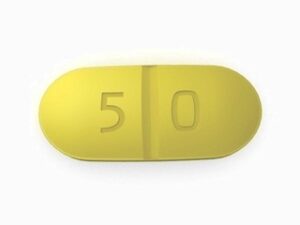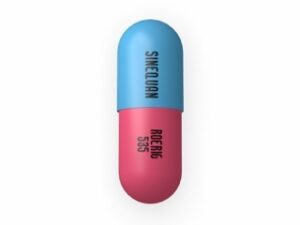

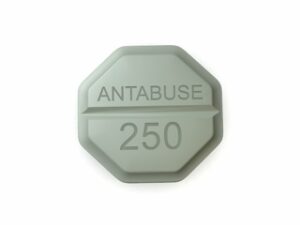
Acamprosate (Brand examples vary) — Patient Information for Australia
Acamprosate is a medicine used to help people maintain abstinence after alcohol dependence. It works by supporting the brain’s chemical balance that is disrupted by long-term alcohol use. If you’re considering acamprosate, this guide explains what it does, how it’s used, common safety considerations, and practical tips to support treatment.
Important: This information is for general education. Your clinician/pharmacist may adjust your dose and schedule for your specific situation. Always follow your healthcare professional’s instructions.
Quick facts
- Medicine: Acamprosate
- What it’s used for: Helping maintain abstinence in people who have stopped drinking
- How it works: Modulates glutamate and GABA-related neurotransmission
- Typical regimen: Taken several times daily (often three times daily)
- Key safety considerations: Kidney function is important
- Common side effects: Diarrhoea, nausea, abdominal discomfort
Basic product information
| Category | Details |
|---|---|
| Active ingredient | Acamprosate |
| Medicinal form | Tablets (strengths vary by product) |
| How it’s taken | Oral (by mouth), usually multiple times per day |
| Who may benefit | People who have recently stopped drinking and aim to stay abstinent |
| Monitoring focus | Especially kidney function; review other medicines |
Mechanism of action (how acamprosate works)
Alcohol dependence affects signalling systems in the brain. Two neurotransmitter pathways strongly involved in dependence-related changes are glutamate and GABA. After alcohol is stopped, the brain may remain in an “imbalanced” state, contributing to cravings and difficulty maintaining abstinence.
Acamprosate is believed to help restore this balance. It modulates signalling in pathways related to glutamate transmission (including effects at NMDA-related processes) and supports more stable neural function. The result is a reduction in the likelihood of relapse for some people and support for maintaining abstinence.
Acamprosate is not an “anti-craving” medicine in the way some people expect with immediate soothing effects. Instead, it supports abstinence maintenance over time as part of a broader treatment approach.
Pharmacokinetics (absorption, distribution, metabolism, elimination)
Pharmacokinetics describes how the body handles a medicine. Understanding these concepts can help explain why timing and dose schedules matter, and why kidney function can be important.
- Absorption: After oral dosing, acamprosate is absorbed from the gastrointestinal tract.
- Distribution: It is distributed into body tissues, reaching the central nervous system to exert its effects.
- Metabolism: Acamprosate is not extensively metabolised in the body.
- Elimination: It is mainly eliminated via the kidneys, so decreased kidney function can increase exposure to the medicine.
Because elimination relies heavily on the kidneys, clinicians often adjust dose or avoid use in people with significant renal impairment.
Typical use and treatment goals
Acamprosate is used to help maintain abstinence in adults with alcohol dependence who have stopped drinking. It is generally considered as part of a comprehensive care plan that may include counselling, support services, and management of co-existing health issues.
Some people notice that cravings may fluctuate. Acamprosate supports longer-term abstinence maintenance; it does not “treat withdrawal symptoms” in the same way as some other medicines.
Indications (when acamprosate is used)
Acamprosate is indicated for alcohol dependence to maintain abstinence after alcohol has been discontinued. In clinical practice, it is often used once a person has already stopped drinking and is committed to avoiding relapse.
Dosing and timing
Dosing varies by product strength and by kidney function. Below is a general guide. Your healthcare professional will confirm your specific dose schedule.
Typical adult dosing (general guidance)
- Often three times daily (morning, midday, and evening)
- Consistency is important: taking doses around the same times each day supports steadier effect
Starting treatment
- Treatment is usually started after alcohol has been stopped and a stable abstinence pattern is in place.
- Do not “catch up” with missed doses by taking extra tablets. Instead, contact a pharmacist for advice if you frequently miss doses.
Missed dose guidance (practical approach)
- If you miss a dose, take it when you remember unless it is close to the next dose.
- Then continue your normal schedule.
- If you’re unsure, ask your pharmacist.
Kidney impairment and dose adjustments
Because acamprosate is largely cleared by the kidneys, dose adjustment may be required. If you have known kidney disease, reduced urine output, or are undergoing kidney monitoring, tell your clinician before starting therapy.
Food interactions
Food interactions are generally less problematic for acamprosate than for some other medicines. Many patients can take it with or without food. However, to maintain routine and reduce missed doses:
- Choose a schedule that fits your day.
- If your product instructions state “with food” or “on an empty stomach,” follow the label directions.
- Try to take doses consistently (e.g., after meals) if that helps you remember.
If you experience gastrointestinal symptoms (such as diarrhoea), a pharmacist may suggest timing adjustments or other supportive steps.
Alcohol and medicine interactions
Alcohol with acamprosate
Acamprosate is designed to support abstinence. Continuing to drink alcohol while taking acamprosate may:
- Increase the risk of relapse
- Reduce the benefit of treatment
- Complicate monitoring of side effects versus alcohol-related effects
If you slip or drink accidentally, seek advice promptly—do not stop or change medication without discussing it with a healthcare professional.
Other medicines and interactions
Acamprosate has fewer common metabolic drug interactions because it is not extensively metabolised. Still, interactions can occur indirectly—for example, through effects on kidney function, gastrointestinal tolerance, or through additive effects with other central nervous system medicines.
- Tell your pharmacist about all medicines you take, including supplements and “over-the-counter” products.
- Pay special attention if you take medicines that affect kidney function, or if you use multiple medicines for mood, sleep, pain, or anxiety.
If you have liver disease, it usually does not replace the need to review kidney function; acamprosate clearance is primarily renal.
Safety profile and side effects
General safety
Many people tolerate acamprosate well. However, as with all medicines, side effects can occur. Your risk depends on your general health, kidney function, other medicines, and adherence to dosing.
Common side effects
- Diarrhoea
- Nausea
- Abdominal pain or discomfort
- Flatulence
- Headache (reported by some people)
Less common but important reactions
Seek urgent medical help if you develop signs of a serious allergic reaction (such as facial/lip swelling, trouble breathing, widespread rash, or fainting).
When to seek medical advice promptly
- Severe or persistent diarrhoea or vomiting (which can lead to dehydration)
- Symptoms of kidney problems such as reduced urination, unusual swelling, or severe fatigue
- Unusual mood changes or worsening mental health symptoms
Pregnancy and breastfeeding
If you are pregnant, planning pregnancy, or breastfeeding, discuss risks and benefits with your clinician. Decisions should be individualised, considering overall wellbeing and alternatives.
Practical use tips (how to make treatment work in real life)
- Use reminders: Set alarms for morning, midday, and evening doses. A phone reminder or a pill organiser can help significantly.
- Plan your routine: Link doses to daily activities (e.g., after breakfast, lunch, and dinner).
- Stay hydrated: If diarrhoea occurs, focus on fluids and speak to your pharmacist if it persists.
- Don’t stop suddenly without advice: Stopping medication may reduce support for abstinence maintenance.
- Use support alongside medication: Counselling, peer support, and structured recovery plans improve outcomes.
- Track your triggers: Note situations that lead to cravings and develop coping strategies in advance.
If you feel overwhelmed, isolated, or at risk of relapse, reach out to supportive services. In Australia, you can access national counselling supports such as Alcohol and Drug Information Service (ADIS) or local health services.
What to expect over time
People often start treatment once abstinence has begun. While some may feel benefits quickly, the main goal is to support long-term abstinence maintenance. Treatment is typically ongoing for a period defined by your clinician based on progress, triggers, and tolerance.
If you experience side effects, they can sometimes be managed with adjustments in routine or supportive care. Talk to a pharmacist rather than stopping on your own.
Alternative options (other ways to support abstinence)
Treatment for alcohol dependence can include behavioural therapy, counselling, and medication options depending on your situation. If acamprosate isn’t suitable, your clinician may consider other approaches.
Common alternatives (discuss with your clinician)
- Naltrexone: Used to help reduce relapse risk in some patients by affecting reward pathways.
- Disulfiram: Works by causing unpleasant effects if alcohol is consumed; used in selected situations.
- Psychosocial supports: e.g., cognitive behavioural strategies, contingency management, and support groups.
The “best” option depends on medical history, goals, kidney/liver function, other medicines, and personal preferences.
Market and legal context in Australia
In Australia, alcohol dependence medicines are regulated under the national medicines framework. Availability and prescribing requirements depend on the specific product and classification. Pharmacies work within Australian regulatory requirements and dispensing standards.
When purchasing online from an Australian pharmacy, you can generally expect:
- Careful compliance with Australian medication supply rules
- Quality checks on stocked products
- Pharmacist review where required
- Secure delivery and tracking options
If you have questions about eligibility or how online ordering works, the pharmacy’s customer service can assist.
Recent guidance and updates (stay current)
Clinical guidance for alcohol dependence can be updated over time, and recommendations may vary between health authorities. Current practice often emphasises:
- Individualised selection of medication
- Integration of psychosocial support with pharmacotherapy
- Consideration of comorbidities (e.g., mental health, liver/kidney disease)
- Clear follow-up plans to monitor side effects and adherence
Because guidance and product information may change, it’s wise to review the latest consumer medicines information from official sources or ask your pharmacist for the most up-to-date advice.
Delivery and availability (Australia)
Availability varies by brand and formulation. For online pharmacy customers in Australia, typical delivery expectations include:
- Stock checking: The pharmacy verifies whether the item is currently available
- Dispatch: Orders are usually processed within business days
- Shipping: Courier delivery with tracking is commonly offered
- Packaging: Medications are supplied in appropriate protective packaging
If you need urgent assistance—for example, you’re close to running out—contact customer service and request an estimated dispatch and delivery timeframe.
Safety checklist before you start
To help ensure acamprosate is safe and appropriate, consider discussing the following with your pharmacist or clinician:
- Your kidney function status (or any history of kidney disease)
- All medicines and supplements you currently take
- History of allergies or previous medication reactions
- Whether you have recently stopped drinking and your abstinence goals
- Your current mental health status and supports
FAQ — Acamprosate
1) What is acamprosate used for?
Acamprosate is used to help maintain abstinence in adults with alcohol dependence who have stopped drinking. It supports ongoing recovery as part of a broader plan.
2) When should I take acamprosate?
It’s commonly taken three times daily (morning, midday, and evening). Take it at the same times each day to stay consistent. Follow your product label and clinician advice.
3) Can I take acamprosate with food?
In many cases, acamprosate can be taken with or without food. If your specific product instructions suggest a certain approach, follow those directions. Consistency and dose adherence are usually more important than food timing.
4) What if I drink alcohol while taking acamprosate?
Acamprosate is intended to support abstinence. Drinking alcohol may increase relapse risk and can complicate side effect monitoring. If you drink, seek advice from your healthcare professional rather than changing medication abruptly.
5) What are the most common side effects?
The most commonly reported side effects include diarrhoea, nausea, and abdominal discomfort. If symptoms are severe or persistent, contact your pharmacist or clinician.
6) Is acamprosate safe if I have kidney problems?
Kidney function matters because acamprosate is mainly eliminated by the kidneys. Dose adjustment or avoidance may be needed depending on severity. Discuss your kidney history or recent kidney test results with your clinician/pharmacist.
7) How long will I need to take it?
Treatment duration varies. Your clinician will discuss an individual plan based on progress, cravings, abstinence duration, and side effects.
8) Are there interactions with other medicines?
Acamprosate has fewer metabolic interactions than some other drugs, but interactions can still occur. Tell your pharmacist about all medicines, including over-the-counter products and supplements—especially anything affecting kidney function or the gastrointestinal tract.
9) What should I do if I miss a dose?
Take it when you remember unless it’s close to the next dose. Then continue your normal schedule. Avoid doubling up. If you’re unsure, ask your pharmacist.
10) When should I seek urgent help?
Seek urgent medical attention for signs of severe allergy (e.g., breathing difficulty, facial swelling, widespread rash), severe diarrhoea/vomiting with dehydration, or concerning symptoms that worry you.
Summary
Acamprosate is a medicine used in Australia to help people maintain abstinence after alcohol dependence. By supporting neurotransmitter balance in the brain, it may reduce relapse risk and support recovery. It is usually taken multiple times daily and is especially dependent on kidney function for safe dosing. If you’re considering acamprosate, talk with a healthcare professional about suitability, side effect management, and how best to combine medication with counselling and support.