Revia (Naltrexone) – Patient Information (Australia)
Revia contains naltrexone, a medicine used to help treat certain alcohol and opioid-related conditions. This page explains what naltrexone does, how it works in the body, how it is typically taken, and important safety information. It’s written in plain language for patients in Australia.
Key points
- Naltrexone helps reduce cravings and the rewarding effects of alcohol/opioids.
- It is not the same as a painkiller and it can block opioid effects.
- Do not start naltrexone if you still have opioids in your system.
- Always follow Australian labelling advice and your healthcare professional’s instructions.
Basic product information
| Item | Details |
|---|---|
| Medicine name | Revia (naltrexone) |
| Medicinal ingredient | Naltrexone (usually as the active drug substance) |
| Medicine group | Opioid receptor antagonist; used in alcohol use disorder and opioid dependence/relapse prevention (where appropriate) |
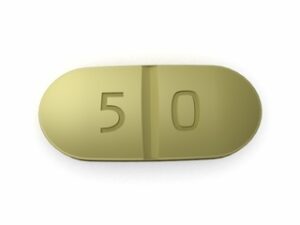
| Form | Typically tablets (exact strength depends on the product presentation) |
| Prescription status in Australia | Naltrexone products are medicines that are generally supplied under Australian regulatory requirements. |
What is naltrexone?
Naltrexone is an opioid receptor antagonist. This means it attaches to opioid receptors in the brain and helps block the effects of opioids. In people with alcohol dependence, it also appears to influence brain pathways involved in reward, which may reduce the urge to drink for some individuals.
Revia is designed to be used as part of a broader treatment plan that may include counselling, education, and support programs.
How Revia works (mechanism of action)
Revia works mainly by blocking opioid receptors. Key points include:
- Opioid blockade: Naltrexone binds to opioid receptors (such as the mu-opioid receptor) and prevents many opioid medicines from producing their usual effects.
- Reduced reinforcement: Because opioids and alcohol can influence reward pathways, blocking opioid signalling may reduce the reinforcing effect associated with drinking in some people.
- Craving and relapse support: By reducing the “reward” impact of alcohol in those with alcohol dependence, and by blocking opioids in opioid relapse prevention, it may help support long-term goals.
Pharmacokinetics (how it moves through the body)
Pharmacokinetics describes what happens to the drug in the body: absorption, distribution, metabolism, and elimination. While individual responses vary, the following are general patterns for oral naltrexone.
Absorption
Naltrexone is absorbed after oral dosing. Peak levels typically occur within a few hours (often around 1–2 hours, depending on formulation and individual factors).
Metabolism
Naltrexone is metabolised primarily in the liver to its main active metabolite, 6β-naltrexol. This metabolite also contributes to the medicine’s overall effect.
Distribution
Naltrexone and its metabolite distribute throughout the body, including the central nervous system where opioid receptors are located.
Elimination
Naltrexone and its metabolites are eliminated largely via the kidneys. The “effective duration” can extend beyond the time naltrexone is at peak levels due to metabolite activity.
Typical uses (indications)
Revia is used for conditions where reducing the effects or reinforcing properties of substances is beneficial. Indications can include:
- Alcohol dependence: to help support reduction or abstinence in individuals with alcohol dependence as part of a comprehensive treatment program.
- Opioid dependence/relapse prevention: to help prevent relapse after opioid withdrawal in appropriate patients. Important: it requires that opioids are fully cleared from the body before starting, to avoid precipitated withdrawal.
The most appropriate use depends on your medical history, current medication list, and whether any opioid medicines are still present in your system.
When and how to take Revia (timing and dosing)
Always use the dose and schedule on the product packaging or as advised by your healthcare professional. Below are general dosing principles that may be reflected in Australian prescribing information.
Starting treatment
- For alcohol dependence: dosing typically begins after you have discussed your treatment plan and goals. Many regimens use once-daily dosing, often at a lower start dose before moving toward a usual target dose.
- For opioid relapse prevention: naltrexone should be started only when you are opioid-free (commonly after a period of opioid withdrawal). Starting too early may lead to sudden, severe withdrawal symptoms.
Typical oral schedule
Many patients take naltrexone by mouth once daily. Commonly, the usual maintenance dose is 50 mg daily, although the exact dose may vary based on medical assessment and product strength.
How to take it
- Swallow the tablet(s) with water.
- Try to take it at the same time each day to support routine adherence.
- If you miss a dose, take it when you remember unless it is close to the next scheduled dose—then skip the missed dose.
- Do not double up to make up for a missed dose.
If you are unsure about missed doses or the best schedule for you, seek advice from a healthcare professional or pharmacist.
Food interactions (can you take it with meals?)
Naltrexone can generally be taken with or without food. Food is not expected to produce a major interaction in most people. However, taking it consistently (for example, with breakfast or in the evening) may improve adherence and reduce stomach upset.
If you experience nausea or stomach discomfort, consider taking it with food and discuss options with a pharmacist.
Alcohol and medicine interactions
Alcohol
Revia is used in alcohol dependence, so it does not mean you should “test” drinking to see how it feels. The goal is usually to reduce harmful drinking patterns or support abstinence, depending on your plan.
- Do not increase alcohol use while starting naltrexone—treatment outcomes depend on reducing drinking.
- If you relapse or drink occasionally, discuss with your healthcare professional how to manage treatment and safety.
Opioid medicines (very important)
Because naltrexone blocks opioid receptors, it can reduce or eliminate the effects of opioid pain medicines and some cough medicines. This can also affect emergency treatment if opioids are needed.
- Tell healthcare providers that you take Revia before receiving treatment for pain or any procedure.
- If you require opioid pain relief, medical teams may need to use non-opioid approaches or special planning.
- Do not attempt to override the blockade by taking opioids—this may not work and can be dangerous.
Other medicines
Naltrexone interactions are not as extensive as with some other medicines, but interactions can still occur. It’s important to review your full list with a pharmacist, especially if you take:
- Medicines that affect liver function
- Opioid-containing medications
- Medicines associated with sedation or mood changes
Always check the consumer medicine information (CMI) for your specific product and discuss potential interactions.
Safety profile and precautions
Like all medicines, naltrexone can cause side effects. Many people experience mild effects that settle with time, while others need dose adjustment or review. Your risk depends on your health conditions and other medicines you use.
Common side effects
- Nausea or stomach discomfort
- Headache
- Dizziness
- Fatigue or tiredness
- Sleep disturbances
- Decreased appetite
- Increased sweating
- Muscle cramps or aches (in some people)
Serious risks (seek urgent help if these occur)
- Signs of liver problems (for example, yellowing of the eyes/skin, dark urine, severe abdominal pain, persistent vomiting).
- Severe allergic reaction (swelling of face/lips, difficulty breathing, hives).
- Severe withdrawal symptoms if naltrexone is taken while opioids are still in the body.
Liver health (key precaution)
Naltrexone is metabolised in the liver. Your healthcare professional may recommend liver function tests before starting and periodically during treatment, especially if you have existing liver disease or risk factors such as heavy alcohol use.
Do not start or continue naltrexone without medical advice if you have symptoms of liver injury or significantly abnormal liver tests.
Depression and mood
Some patients report changes in mood or sleep. If you develop severe depression, anxiety that worsens, or thoughts of self-harm, seek urgent medical assistance.
Opioid-free requirement
For opioid relapse prevention, it is crucial that you are opioid-free before the first dose. Starting too early can trigger precipitated withdrawal, which can be uncomfortable and medically risky.
Practical use tips (getting the best results)
- Start with a plan: naltrexone works best with counselling and structured support for alcohol or opioid recovery.
- Track your triggers: many people benefit from keeping brief notes about cravings, drinking episodes, or high-risk times.
- Support adherence: choose a daily reminder (phone alarm, pharmacy blister pack schedule) to reduce missed doses.
- Don’t ignore side effects: if you get nausea or headaches, discuss strategies early rather than stopping abruptly.
- Carry information: if you take Revia for opioid relapse prevention, consider carrying a card or note to inform healthcare providers.
- Avoid experimenting with opioids or alcohol: naltrexone’s blockage and alcohol dependence treatment goals both require careful management.
Alternative options
Depending on whether treatment is for alcohol dependence, opioid relapse prevention, or another related goal, alternatives may include medicines and non-medicine therapies. Options may vary based on individual circumstances and availability.
Alcohol dependence alternatives
- Acamprosate: helps maintain abstinence in some individuals.
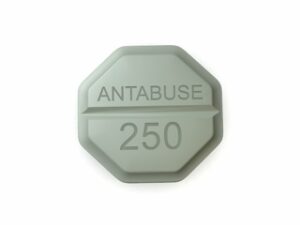
- Disulfiram: creates an unpleasant reaction if alcohol is consumed (suitable only for selected patients).
- Psychosocial supports: counselling, motivational interviewing, and structured programs can be central to outcomes.
Opioid dependence alternatives
- Opioid agonist treatments: medicines such as buprenorphine or methadone are commonly used in opioid dependence management.
- Other relapse-prevention strategies: behavioural therapies, contingency management, and support groups.
- Naltrexone-related formulations: injectable forms of naltrexone may be considered in some settings (availability varies).
A clinician can help you compare benefits, risks, and suitability based on your history, preferences, and safety needs.
Australia: market and legal context
In Australia, medicines are regulated under national frameworks that include requirements for supply, labelling, and consumer information. Availability of specific brands and pack sizes can vary by pharmacy and stock.
Revia (naltrexone) is a well-established medicine in the treatment of alcohol dependence and as part of opioid relapse prevention strategies in suitable patients. Product information and safety advice are provided through Consumer Medicine Information (CMI) and by healthcare professionals.
Recent guidance and monitoring (what to expect)
Over time, guidance has emphasised:
- Careful opioid screening before starting naltrexone for opioid relapse prevention.
- Liver monitoring, particularly in people with liver impairment or ongoing alcohol use.
- Comprehensive care, combining medication with counselling and support to improve outcomes.
- Clear communication to emergency services and clinicians regarding naltrexone use due to opioid blockade.
If you have had recent changes in your health, your prescriber/pharmacist may recommend updated blood tests or a review of your medicines.
Delivery and availability (online pharmacy information)
Availability may vary by state and stock levels. When ordering online in Australia, delivery timelines depend on:
- Stock availability for your selected strength and pack size
- Regional location and courier service
- Order processing times
Your pharmacy should provide delivery estimates at checkout. If a product is temporarily unavailable, you may be offered an alternative strength/format (if appropriate) or notified of restock times.
For safe use, check the expiry date and storage conditions listed on the carton and follow storage instructions (commonly stored at controlled room temperature).
Frequently Asked Questions (FAQ)
1) Can I take Revia if I currently use opioids?
Revia blocks opioid receptors. For opioid relapse prevention, you must be opioid-free before starting to avoid precipitated withdrawal and to ensure the medicine works as intended. If you’re currently using opioids (including prescribed pain medicines), speak with a healthcare professional before starting.
2) Will naltrexone stop me from feeling the effects of alcohol?
Naltrexone may reduce the reinforcing effects of alcohol for some people, but it does not guarantee that alcohol will have no effect. Treatment plans typically aim to reduce drinking and support recovery—if you drink, discuss your situation with a pharmacist or doctor.
3) What happens if I miss a dose?
If you miss a dose, take it when you remember unless it is close to the next scheduled dose. If it’s nearly time for your next dose, skip the missed dose. Do not double your dose.
4) Can I take it with food?
Yes, naltrexone can generally be taken with or without food. Taking it with a meal may help if you experience nausea. Keep your routine consistent.
5) Does Revia affect liver function?
It can, particularly in higher risk individuals or those with existing liver disease. Your healthcare professional may recommend liver function tests before and during treatment. Seek urgent medical advice if you notice symptoms of liver problems.
6) Are there any symptoms that mean I should stop and get help?
Seek urgent medical attention if you develop signs of severe allergic reaction, severe or persistent vomiting, yellowing of the skin/eyes, severe abdominal pain, or severe withdrawal symptoms (especially if opioids may be present in your body).
7) What pain relief can I use while on Revia?
Opioid pain medicines may be blocked by naltrexone. Non-opioid options (such as certain anti-inflammatory medicines or paracetamol) may be used depending on your medical situation. Always discuss with a pharmacist or doctor before taking new medicines for pain.
8) Can I drive or operate machinery?
Some people experience dizziness or tiredness. Until you know how Revia affects you, use caution when driving or operating machinery. If you feel unwell or drowsy, avoid risky activities.
9) Is Revia suitable for everyone with alcohol dependence?
Not always. Suitability depends on your medical history, liver health, other medicines, and treatment goals. A healthcare professional can help determine whether naltrexone is appropriate for you.
10) How long does it take to work?
Some people notice changes in cravings or relapse risk support soon after starting, while others may take longer. Treatment outcomes depend on consistent dosing and comprehensive support strategies.
Important safety reminder
This information is general and not a substitute for advice from a pharmacist or doctor. If you are unsure about taking Revia, interactions with your current medicines, or how to start safely (especially if opioid use is involved), seek professional guidance.