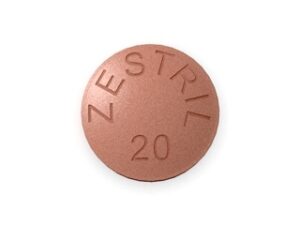

Terazosin Hydrochloride (Oral)
Terazosin hydrochloride is a medicine used to treat certain urinary symptoms caused by an enlarged prostate, and it can also be used to help lower blood pressure. It belongs to a group of medicines called alpha-1 (α1) blockers. By relaxing smooth muscle in the prostate and bladder neck—and, when needed, blood vessels—terazosin can improve symptoms and comfort.
This page provides patient-friendly information about how terazosin works, how it’s used, what to expect, and important safety considerations. Always follow the instructions on your medicine label and any advice from your healthcare professional.
Basic product information
| Item | Details |
|---|---|
| Generic name | Terazosin hydrochloride |
| Medicine type | Alpha-1 adrenergic blocker (α1 blocker) |
| Common form | Oral tablets or capsules (strength varies) |
| Therapeutic uses | Urinary symptoms due to benign prostatic hyperplasia (BPH); sometimes hypertension |
| Key benefits | Improves urine flow, reduces hesitancy/weak stream; helps relax blood vessels |
| Onset | Some people notice improvement within days; full benefit may take several weeks |
| Common side effects | Dizziness, tiredness, headache, low blood pressure (especially early or after dose changes) |
What is terazosin used for? (Indications)
Terazosin is used for the following conditions:
- Benign prostatic hyperplasia (BPH): helps relieve lower urinary tract symptoms such as poor stream, difficulty starting urination, frequent urination, and nighttime urination.
- Hypertension (high blood pressure): in some cases, to lower blood pressure, either alone or in combination with other blood pressure medicines (as advised).
Important: Terazosin does not treat prostate cancer. It targets symptoms related to prostate enlargement and bladder outlet resistance.
How terazosin works (Mechanism of action)
Terazosin blocks alpha-1 receptors, which are found in smooth muscle. Blocking these receptors causes:
- In the prostate and bladder neck: relaxation of smooth muscle, making it easier for urine to flow.
- In blood vessels: reduced vascular tone, which can lower blood pressure.
Because it relaxes muscle, terazosin can improve urinary flow and related symptoms. Its blood pressure effect is one reason that careful dose initiation is important to reduce the risk of dizziness or fainting.
Pharmacokinetics (Absorption, distribution, metabolism, excretion)
Understanding how a medicine moves through the body can help you anticipate how it may feel and when it may act.
- Absorption: Terazosin is absorbed from the gastrointestinal tract after oral dosing. Peak levels may occur within a few hours of taking a dose (timing can vary between individuals).
- Distribution: It is widely distributed throughout the body and can cross into body tissues. Protein binding is present.
- Metabolism: Terazosin is metabolised mainly in the liver.
- Elimination: Metabolites are eliminated primarily via bile and the gastrointestinal route, with some excretion via the kidneys.
- Half-life: Terazosin has an effective duration that supports once-daily dosing for many patients, though exact timing varies.
Note: People with liver impairment may require extra caution or dose adjustments depending on clinician guidance, because metabolism occurs largely in the liver.
Typical timing & how to take it
General approach: Terazosin is usually taken . The schedule may depend on the reason for use and your prescriber’s instructions.
Starting carefully: Many clinicians recommend that the first dose be taken at bedtime to reduce the risk of “first-dose” dizziness and possible fainting. Dizziness risk can also be increased after dose increases.
Consistency matters: Taking your dose at about the same time each day can help maintain steady symptom control.
- Bedtime dosing: often used for the first dose and sometimes after dose changes.
- Missed dose: If you miss a dose, take it when you remember unless it’s close to the next dose. Do not double up.
- Stopping abruptly: Do not stop suddenly without medical advice—especially if you take it for blood pressure. Stopping may cause symptoms to return or blood pressure to rise.
Food interactions
Food can affect how quickly terazosin is absorbed in some people. In practical terms:
- Many patients can take terazosin with or without food, but taking it consistently the same way each day may help you notice predictable effects.
- If you experience dizziness or light-headedness, consider discussing whether timing with food or taking at bedtime is appropriate for you.
If you have been told to take terazosin at a specific time (for example, bedtime), follow that instruction even if you change your meal timing.
Alcohol and medicine interactions
Alcohol: Alcohol can increase the likelihood of dizziness, drowsiness, and low blood pressure when you’re taking medicines that relax blood vessels. To reduce risk:
- Limit alcohol, especially when starting terazosin or after dose changes.
- Avoid activities requiring alertness (driving, machinery) if you feel unsteady.
Other medicines that may interact with terazosin include:
- Other blood pressure medicines (including diuretics): may further lower blood pressure.
- Nitrates or medicines for angina: can intensify blood pressure lowering.
- Medicines for erectile dysfunction (e.g., PDE-5 inhibitors such as sildenafil, tadalafil, vardenafil, avanafil): the combination can increase risk of dizziness or fainting due to further blood pressure reduction.
- Other alpha-blockers: can add to blood pressure effects.
- Strong inhibitors of certain liver enzymes: may increase terazosin levels in the body (your healthcare professional can advise based on your medication list).
Always tell your pharmacist about all medicines, supplements, and herbal products you use, including occasional or “as needed” medications.
Dosing (how much is usually taken)
Dosage is individual and depends on the condition being treated and your response. Below are typical starting and adjustment patterns often used with terazosin. Your exact dose should follow the instructions provided for your product and your clinician’s plan.
Common dosing approach for BPH (urinary symptoms):
- Start low: a low dose is usually used first to reduce the chance of dizziness/low blood pressure.
- Titrate slowly: the dose is often increased gradually at intervals (for example, every 1–2 weeks or as advised) depending on symptom improvement and side effects.
- Typical maintenance: many patients are maintained on a daily dose within a standard range, but not everyone needs the highest dose.
Common dosing approach for hypertension:
- Start low and increase gradually based on blood pressure measurements.
- Terazosin may be used alone or with other antihypertensive medicines depending on response.
Practical safety point: If terazosin is missed for several days and then restarted, clinicians may advise re-titration (returning to a lower dose) to reduce “first-dose-like” effects. If you miss doses and plan to restart, consult a pharmacist or healthcare professional for guidance.
When will it start working?
Response can vary, but the following patterns are common:
- Urinary symptoms: some improvement may be noticed within a few days, but maximum benefit often takes several weeks.
- Blood pressure effects: may occur soon after a dose, but long-term control depends on consistent dosing and dose adjustments.
If you don’t notice any benefit after an appropriate period at a tolerated dose, discuss next steps with your clinician rather than increasing without guidance.
Safety profile & side effects
Most people tolerate terazosin reasonably well, but it can cause side effects—particularly during the first days of treatment and after dose increases.
Common side effects
- Dizziness or light-headedness (including when standing up)
- Low blood pressure (orthostatic hypotension)
- Headache
- Fatigue or tiredness
- Sleepiness
- Swelling in the ankles/feet (fluid retention can occur in some people)
Serious side effects (seek urgent medical help)
- Fainting, severe dizziness, or collapse
- Chest pain or signs of an allergic reaction such as swelling of face/lips, hives, or trouble breathing
- Signs of severe low blood pressure (e.g., marked weakness, confusion)
“First-dose” effect
Terazosin can cause a pronounced drop in blood pressure after the first dose or following dose increases. This can lead to dizziness or fainting, especially when moving from lying or sitting to standing.
Prevention tips:
- Take the first dose (and any dose increases) at bedtime.
- Rise slowly from bed or a chair.
- Avoid driving or hazardous activities immediately after starting or increasing the dose.
Who needs extra caution?
Talk to your pharmacist or clinician before using terazosin if you have:
- Known low blood pressure or a history of fainting
- Significant liver disease
- Current use of other medicines that lower blood pressure (including PDE-5 inhibitors)
- Planned eye surgery (see below under “eye-related safety”)
Practical use tips
- Take it regularly: consistent daily dosing helps maintain symptom improvement.
- Stand up slowly: to reduce the risk of dizziness from blood pressure changes.
- Hydrate appropriately: dehydration can worsen low blood pressure. Follow advice from your clinician, especially if you have heart or kidney conditions.
- Keep an eye on symptom changes: worsening urinary symptoms (weak stream, retention) or severe dizziness should be reported promptly.
- Be cautious with driving: until you know how terazosin affects you.
- Monitor after dose changes: the body may react more strongly after an increase.
Eye surgery warning (Floppy Iris Syndrome): Some alpha-1 blockers are associated with a condition called intraoperative floppy iris syndrome during cataract surgery. If you are planning eye surgery, tell your ophthalmologist that you take (or have taken) terazosin.
Alternative options for BPH and urinary symptoms
Depending on your specific situation, your clinician may consider other medications or approaches. Options commonly discussed include:
- Other alpha-1 blockers: such as tamsulosin or alfuzosin. These may differ in their tendency to affect blood pressure.
- 5-alpha-reductase inhibitors: e.g., finasteride or dutasteride—these can reduce prostate size over time, often taking longer to show benefit.
- Combination therapy: an alpha-1 blocker plus a 5-alpha-reductase inhibitor for selected patients.
- Non-medication approaches: lifestyle measures (fluid timing), pelvic floor strategies, and in some cases procedures.
Choosing an alternative: the best option depends on prostate size, symptom severity, your blood pressure, and your other medications.
Market and legal context in Australia
In Australia, medicines are regulated under the Therapeutic Goods Administration (TGA). Product availability, scheduling category, prescribing requirements, and supply rules vary depending on the medicine and formulation.
When buying medicines online, reputable pharmacies ensure the medicine is supplied in accordance with Australian laws and pharmacy standards. Your pharmacy should provide clear information about:
- Product strength and form (e.g., tablet strength)
- How and when it is delivered
- Any restrictions on supply or required documentation
- Customer support for dosing questions and safety guidance
Reminder: Always check the details on the specific product page and follow guidance from your healthcare professional.
Recent guidance and safety updates (practical note)
Over time, safety information for alpha-1 blockers has included emphasis on:
- Orthostatic hypotension: careful initiation and slower titration when appropriate.
- Eye surgery considerations: telling ophthalmologists before cataract procedures.
- Drug–drug interactions: especially with PDE-5 inhibitors and other blood pressure–lowering medicines.
Local clinical practice and product monographs may be updated periodically. For the most current advice, consult your pharmacist or refer to official Australian medicine information resources.
Delivery, availability, and how to order (Australia)
Online pharmacies in Australia often stock common strengths of terazosin hydrochloride, subject to supply and manufacturer availability. Availability can vary by dose and brand packaging.
When ordering, look for:
- Delivery options: standard and express options (availability varies by location)
- Cold chain requirements: terazosin tablets typically do not require refrigeration
- Tracking: many services provide dispatch and tracking updates
- Packaging: medicines are supplied in original manufacturer packaging where possible
Tip: If you’re planning long trips or have a history of missed doses, order ahead to avoid running out.
FAQ
1) Is terazosin only for prostate problems?
Terazosin is commonly used for urinary symptoms due to benign prostatic hyperplasia (BPH). It can also be used to help lower blood pressure in some patients, depending on clinician advice.
2) How long does it take to see improvement in urinary symptoms?
Some people notice improvement within days, but fuller symptom relief often takes several weeks. Improvement depends on the dose, prostate size, and symptom severity.
3) Why do I feel dizzy after starting terazosin?
Dizziness can occur because terazosin relaxes blood vessels, which can lower blood pressure—especially after the first dose or after increasing the dose. Taking the first dose at bedtime and rising slowly can help.
4) Can I take terazosin with food?
Many people can take terazosin with or without food. What matters most is taking it consistently as instructed. If food timing affects you, discuss options with your pharmacist.
5) Can I drink alcohol while taking terazosin?
Alcohol can increase dizziness and low blood pressure risk. It’s best to limit alcohol—particularly when starting or after dose changes—and avoid driving if you feel unsteady.
6) Are there interactions with medicines for erectile dysfunction?
Yes. Medicines such as sildenafil, tadalafil, vardenafil, and avanafil can lower blood pressure. Combined with terazosin, the risk of dizziness or fainting can increase. Ask your pharmacist or doctor for tailored guidance on safe timing and dosing.
7) What should I do if I miss a dose?
Take it when you remember unless it’s nearly time for your next dose. Don’t double up. If you miss several doses in a row, seek advice before restarting, as your clinician may recommend re-titration.
8) Should I stop terazosin if my symptoms improve?
Do not stop without medical advice. Symptoms can return. If side effects occur or benefits aren’t sufficient, speak to your pharmacist or clinician to discuss dose adjustment or alternatives.
9) Is terazosin safe for older adults?
Terazosin is used in many older adults, but the risk of dizziness and falls can be higher due to baseline blood pressure changes and other medicines. Extra care with slow titration, bedtime dosing, and standing up gradually is important.
10) What about cataract surgery?
Alpha-1 blockers have been associated with a condition called intraoperative floppy iris syndrome during cataract surgery. Inform your ophthalmologist if you take or have taken terazosin.
Disclaimer: This information is general and intended to help you understand terazosin hydrochloride. It is not a substitute for personalised medical advice. If you experience severe dizziness, fainting, allergic reactions, or any concerning symptoms, seek urgent medical care.