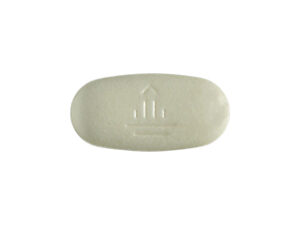


Nebivolol (Nebivolol) — Patient-Friendly Medicine Information (Australia)
Nebivolol is a prescription medicine used to treat certain cardiovascular conditions. It belongs to a group of medicines called beta-blockers. Many people know beta-blockers for helping with blood pressure and heart-related symptoms, and nebivolol is widely used because it can be effective while also being generally well tolerated.
This page explains how nebivolol works, how it is used, what to expect, and important safety information. Always read the consumer medicine information (CMI) provided with your product and follow advice from your healthcare professional.
Basic product information
| Property | Information |
|---|---|
| Medicine name | Nebivolol (Nebivolol) |
| Medicine class | Beta-blocker (often described as cardioselective) |
| Common uses | High blood pressure (hypertension); certain types of heart failure (as directed) |
| How it’s usually taken | Once daily (many patients take it in the morning or evening as advised) |
| Branding | May vary by manufacturer and availability in Australia |
How nebivolol works (mechanism of action)
Nebivolol works mainly by affecting the heart and blood vessels:
- Beta-blockade (B1-selective): Nebivolol blocks beta-1 receptors primarily found in the heart. This can reduce heart rate and the heart’s workload.
- Vascular effects: It also promotes nitric oxide (NO) release in blood vessels. Nitric oxide helps vessels relax, which may improve blood flow and lower blood pressure.
In combination, these actions can help:
- Lower blood pressure
- Reduce the heart’s oxygen demand
- Improve symptoms in some people with chronic heart failure, when used as part of a broader treatment plan
Pharmacokinetics (how your body processes it)
Pharmacokinetics describes what happens after you take a dose—absorption, distribution, metabolism, and elimination.
- Absorption: Nebivolol is absorbed from the gastrointestinal tract. The timing of peak levels depends on the formulation and individual metabolism.
- Metabolism: Nebivolol is metabolised by the liver, including via the CYP2D6 pathway. People vary widely in CYP2D6 activity (some are “poor metabolisers,” others “extensive metabolisers”). This can affect blood levels and response.
- Distribution: It distributes throughout the body and acts on target tissues, including the heart and blood vessels.
- Elimination: Nebivolol and its metabolites are eliminated mainly through the body’s normal clearance routes (including kidney and bile pathways).
What this means for you: Response may vary between individuals. Your prescriber may adjust dose based on blood pressure, heart rate, symptoms, and side effects.
Typical use and when it starts working
High blood pressure (hypertension)
Nebivolol can help gradually reduce blood pressure. Improvements often become noticeable within days, but full effect may take several weeks as the body adjusts.
Chronic heart failure (where indicated)
In heart failure, nebivolol is typically started at a low dose and increased slowly if tolerated. This “start low and go slow” approach helps reduce the risk of early worsening symptoms or excessive lowering of heart rate.
Timing tip: Try to take your dose at the same time each day. If you miss a dose, follow the instructions in the medicine leaflet or ask your pharmacist for guidance.
Timing: how to take nebivolol
- Once daily dosing: Many adults take nebivolol once per day.
- Morning or evening: The best time depends on your routine and side effects (such as dizziness). Take it at the time your healthcare professional recommends.
- Consistency: Keep the time consistent to maintain stable drug levels.
- Do not stop suddenly: Stopping beta-blockers abruptly can worsen angina (chest pain) or cause other issues in some people. Do not stop without medical advice.
Food interactions and absorption
For many people, nebivolol can be taken with or without food. However, product-specific instructions can vary by formulation.
Practical guidance:
- Follow the instructions on the medicine label or the CMI.
- If your prescriber did not specify a preference, taking it at the same time each day with or without food is usually acceptable.
- If you experience stomach upset, taking it with food may help.
Important: Always check your specific product and any other medicines you take for interactions.
Alcohol and medicine interactions
Alcohol can affect blood pressure and may make side effects such as dizziness, light-headedness, or tiredness more noticeable. With nebivolol, combining alcohol may increase the risk of:
- Low blood pressure, especially when standing up
- Feeling faint or unsteady
- Increased fatigue
Safer approach: If you drink alcohol, consider moderation and avoid drinking until you know how you personally respond to nebivolol.
Warning signs: Seek urgent help if you have fainting, severe dizziness, chest pain, or shortness of breath.
Other medicine interactions (important)
Nebivolol may interact with other medicines. Interaction risks depend on your health conditions and other drugs you take. Tell your pharmacist or doctor about all medicines, including over-the-counter products and supplements.
Common interaction categories
- Other medicines that slow heart rate: Combining nebivolol with other drugs that reduce heart rate can increase risk of very slow pulse or heart block.
- Calcium channel blockers (non-dihydropyridines): Some types (e.g., verapamil, diltiazem) may increase the effect on heart rate/conduction.
- Antiarrhythmics: Certain medicines used for rhythm problems may increase conduction effects.
- Medicines affecting CYP2D6: Some antidepressants and other medicines can raise or lower nebivolol levels by affecting CYP2D6 activity.
- Clonidine: If clonidine is stopped or changed, beta-blockers must be managed carefully to avoid rebound effects.
- Diabetes medicines: Beta-blockers can sometimes mask warning signs of low blood sugar (like fast heartbeat). Monitoring is important.
- Non-steroidal anti-inflammatory drugs (NSAIDs): Some NSAIDs may reduce blood pressure-lowering effects in certain people.
- Other antihypertensives: Combined use may lower blood pressure further—this may be intended, but monitoring is needed.
How to reduce interaction risk
- Keep an up-to-date list of your medicines.
- Ask your pharmacist if any of your current medicines could interact with nebivolol.
- Be cautious when starting, stopping, or changing doses of other medicines.
Indications: what nebivolol is used for
Nebivolol is used for:
- Hypertension (high blood pressure): To reduce blood pressure and lower cardiovascular risk.
- Chronic heart failure: In appropriate patients, as part of recommended therapy (often alongside other heart failure medicines). Dosing is usually tailored and increased gradually.
Indications depend on the product and clinical guidelines. Your healthcare professional will confirm whether nebivolol is suitable for your specific condition.
Dosing: usual approaches (Australia)
Dose is individualised based on your condition, age, kidney/liver function, heart rate, blood pressure, and other medications.
General dosing principles
- Start low and adjust slowly, especially in heart failure.
- Monitor blood pressure and heart rate regularly.
- Consider individual response: Some people metabolise nebivolol differently (CYP2D6), influencing blood levels.
Typical dosing examples (illustrative)
Because product strengths and local prescribing may differ, always follow your prescribed instructions or the CMI for your exact product.
- Hypertension: Often taken once daily, with dose adjusted based on response.
- Chronic heart failure: Usually started at a low dose and titrated upwards over time if tolerated.
Do not exceed your prescribed dose. If you believe your dose is not effective or is causing side effects, discuss options with your healthcare professional rather than changing it yourself.
Safety profile: common and serious side effects
Like all medicines, nebivolol can cause side effects. Many are mild and improve as your body adapts, but some require prompt medical attention.
Common side effects
- Slow heart rate (bradycardia)
- Low blood pressure, including dizziness when standing (orthostatic hypotension)
- Tiredness or reduced exercise tolerance
- Headache or light-headedness
- Cold hands and feet
- Nausea or mild stomach discomfort
Serious side effects (seek urgent help if these occur)
- Fainting, severe dizziness, or feeling like you might pass out
- Marked shortness of breath or sudden worsening of breathing
- Chest pain or symptoms of severe circulation problems
- Very slow heartbeat or symptoms of heart block (e.g., unusual weakness)
- Allergic reactions such as swelling of the face/lips or trouble breathing
Who should take extra care
Discuss suitability with a clinician if you have:
- Asthma or other breathing conditions (beta-blockers can affect breathing in some people)
- Very slow heart rate, certain heart rhythm/conduction problems
- Low blood pressure or frequent dizziness
- Diabetes (low blood sugar symptoms may be masked)
- Liver or kidney impairment
Practical use tips (getting the best results)
- Check blood pressure and pulse: Home monitoring can help your clinician adjust dose safely. Ask what target ranges apply to you.
- Stand up slowly: If you feel light-headed, rise gradually from sitting/lying positions.
- Track symptoms: Note dizziness, fatigue, shortness of breath, or changes in exercise tolerance and report them.
- Don’t miss doses regularly: Missing doses may reduce effectiveness.
- Keep appointments: Early follow-up is important, particularly when starting or increasing the dose in heart failure or after any dose change.
- Carry a medication list: In case of emergencies, having your current medicine list helps clinicians.
What if you miss a dose or need to change treatment?
If you miss a dose, the correct action depends on how long it has been since the scheduled time. Check the product’s instructions or ask a pharmacist. In general, you should avoid taking extra doses to “catch up” unless advised.
Do not stop nebivolol suddenly without medical advice. If discontinuation is needed, it is often done gradually under supervision.
Alternative options for hypertension or heart failure
Nebivolol is one of several beta-blockers and cardiovascular medicines. Alternatives depend on your diagnosis, comorbidities, and guideline-based options.
Common alternatives (may include)
- Other beta-blockers: For example metoprolol or bisoprolol (chosen based on individual suitability).
- ACE inhibitors or ARBs: Often used for hypertension and some heart conditions.
- Calcium channel blockers: Some are used for blood pressure; selection depends on heart rhythm and other factors.
- Diuretics: Sometimes used to support blood pressure control and manage fluid in heart failure.
- Other heart failure classes: Such as SGLT2 inhibitors or mineralocorticoid receptor antagonists, depending on the clinical situation.
Note: The best alternative is not “one size fits all.” If you are considering switching, talk to your healthcare professional about risks, expected benefits, and how to transition safely.
Market and legal context in Australia
In Australia, medicines are regulated to ensure quality, safety, and appropriate supply. Whether a medicine can be purchased through an online pharmacy or requires professional involvement depends on classification and product status.
- Access requirements: Many cardiovascular medicines like nebivolol may be supplied with specific requirements under Australian pharmacy and prescribing regulations.
- Australian regulatory oversight: Medicines are listed and regulated through the Therapeutic Goods Administration (TGA).
- Quality and authenticity: Reputable suppliers comply with Australian standards for dispensing, storage, and distribution.
Always verify: If you’re ordering online, ensure the site is legitimate and the product is supplied through approved channels in Australia.
Recent guidance and clinical practice updates (general)
Clinical guidance for blood pressure and heart failure evolves as new evidence emerges. Common themes in recent practice include:
- Individualised blood pressure targets based on age, risk factors, and tolerability.
- Careful titration of beta-blockers in heart failure, starting low and increasing gradually.
- Monitoring of heart rate, blood pressure, symptoms, and interactions with other medicines.
- Use of multidisciplinary care for chronic conditions to improve outcomes.
Your clinician can advise based on the most current guidance relevant to your condition.
Delivery and availability in Australia
Availability varies by brand and strength. When ordering online, look for product details such as strength (e.g., milligrams per tablet), pack size, and storage information.
Delivery considerations
- Dispatch times: Depend on stock levels and your location.
- Packaging: Medicines should be shipped in appropriate protective packaging.
- Cold chain: Nebivolol tablets typically do not require refrigeration, but follow the label instructions.
- Track your order: Many online pharmacies provide tracking updates.
How to ensure correct supply
- Confirm the strength and dosage form before purchase.
- Check the expiry date if displayed.
- If you have trouble locating your usual strength, ask your pharmacist about equivalent options.
FAQ — Frequently asked questions
1) What is nebivolol used for?
Nebivolol is used to treat high blood pressure and, in appropriate patients, chronic heart failure, as part of an overall treatment plan.
2) How long does it take to work?
For blood pressure, some improvement may be seen within days, but full effect often takes several weeks. In heart failure, benefits are typically seen after careful dose titration over time.
3) Should I take nebivolol with food?
Many people can take nebivolol with or without food. For the safest approach, follow your specific product’s instructions and take it consistently each day.
4) What should I do if I feel dizzy after starting nebivolol?
Dizziness can occur, especially when blood pressure drops or during the early adjustment period. Stand up slowly, avoid alcohol, and contact your pharmacist or doctor if dizziness is severe or persistent. Seek urgent care if you faint.
5) Can I drink alcohol while taking nebivolol?
Alcohol may increase the likelihood of dizziness or low blood pressure. If you choose to drink, do so in moderation and be alert for symptoms like light-headedness.
6) Does nebivolol affect asthma or breathing?
Beta-blockers can affect breathing in some people. If you have asthma or a history of wheezing, discuss suitability with your clinician before starting.
7) Will nebivolol mask symptoms of low blood sugar?
Beta-blockers can reduce the “fast heartbeat” warning sign of hypoglycaemia. If you have diabetes, monitor your blood sugar closely and discuss individual guidance with your healthcare professional.
8) Can I stop nebivolol suddenly?
Do not stop suddenly unless instructed by a healthcare professional. Beta-blockers are often withdrawn gradually to avoid worsening symptoms.
9) Are there any key medicine interactions I should know?
Yes. Tell your healthcare team about all medicines, especially those that slow heart rate, affect heart rhythm, or influence liver enzymes (such as CYP2D6). A pharmacist can check your specific medication list.
10) What if nebivolol doesn’t lower my blood pressure enough?
Blood pressure response varies. Your clinician may adjust the dose, recommend lifestyle changes, or add/adjust other blood pressure medicines. Don’t change your dose on your own.
Final reminders
Nebivolol can be an effective option for managing high blood pressure and certain cases of chronic heart failure. Safe use depends on correct dosing, consistent daily timing, and careful monitoring—especially during initiation or dose changes.
If you have questions about side effects, interactions, or the best way to take nebivolol, speak with your pharmacist or healthcare professional. Keep your medicine list updated and seek urgent help for severe symptoms such as fainting, severe breathing difficulty, or chest pain.