

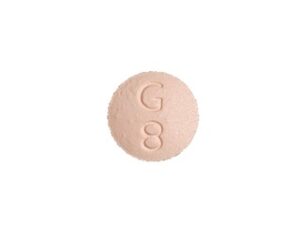
Exelon (Rivastigmine Tartrate) – Patient Information
Exelon is a medicine containing rivastigmine tartrate. It is used to treat symptoms associated with certain types of dementia, including Alzheimer’s disease and dementia related to Parkinson’s disease. This page explains how Exelon works, how it is taken, key safety information, and practical guidance to support safe, effective use in Australia.
1. Basic product information
| Product name | Active ingredient | Common use | Typical formulation* |
|---|---|---|---|
| Exelon | Rivastigmine tartrate | Symptomatic treatment of dementia | Capsules / oral solution / transdermal patch (depending on product) |
*Availability and exact strengths can vary by brand listing and pharmacy supply. Ask your pharmacist about the specific Exelon type and strength you have.
- Medicinal ingredient: Rivastigmine tartrate
- Medicinal class: Cholinesterase inhibitor
- How it may be taken: By mouth (capsules or oral solution) or via a skin patch (depending on the product)
2. How Exelon works (mechanism of action)
Exelon belongs to a group of medicines called cholinesterase inhibitors. In Alzheimer’s disease and dementia related to Parkinson’s disease, levels of a brain chemical involved in memory and learning—acetylcholine—may be reduced.
Rivastigmine works by inhibiting enzymes that break down acetylcholine:
- Acetylcholinesterase
- Butyrylcholinesterase
By reducing breakdown of acetylcholine, Exelon may help improve or maintain cognitive function and daily functioning in some people. It does not cure dementia, but it may help with symptom control for a period of time.
3. Pharmacokinetics (how the body handles rivastigmine)
Pharmacokinetics describes what happens to a medicine in the body—absorption, distribution, metabolism, and elimination.
Absorption
- Oral forms: Rivastigmine is absorbed after swallowing. Taking it consistently as directed can help maintain steady effects.
- Transdermal patch: Rivastigmine is absorbed through the skin over time, aiming for more stable delivery.
Distribution
Rivastigmine distributes throughout the body and crosses into the brain, where it can exert its cholinesterase-inhibiting action.
Metabolism
Rivastigmine is metabolised mainly by enzymes that break down cholinesterase inhibitors in the body. This metabolism pathway means drug interactions can differ from medicines that rely on specific liver enzyme systems.
Elimination
Rivastigmine and its metabolites are eliminated primarily through the kidneys. Dose changes may be needed in certain circumstances—especially if severe impairment is present—so individual medical assessment is important.
4. Typical uses in Australia
In Australia, Exelon is commonly used as a symptomatic treatment for:
- Alzheimer’s disease: mild to moderate (and in some settings, more advanced depending on product and clinical assessment)
- Dementia associated with Parkinson’s disease
The goal is to support memory, thinking, and everyday function. Response varies between individuals.
5. When to take Exelon (timing and missed doses)
If using oral Exelon capsules or oral solution
- Typically taken twice daily (morning and evening).
- It is usually recommended to take with food (see “Food interactions” below).
- Try to keep doses about 12 hours apart when possible.
If using Exelon transdermal patches
- Typically applied once daily.
- Apply a new patch each day to a different area of skin (rotate sites).
Missed doses
If you miss a dose:
- Oral dosing: Take it when you remember, unless it is close to the next dose. Do not take a double dose.
- Patch dosing: Replace the patch as soon as you remember. If it is almost time for the next dose, skip the missed patch and continue with the next scheduled one.
If you have missed doses for more than a short period (especially after regular use), consult your pharmacist or doctor for advice about whether the dose should be restarted at a lower level.
6. Food interactions
Food can influence tolerability. Many people experience nausea, vomiting, or indigestion—especially when starting or increasing the dose.
General guidance:
- Take oral rivastigmine with food to reduce gastrointestinal side effects.
- Maintain a consistent routine (e.g., breakfast and dinner) if prescribed twice daily.
There are no commonly known “forbidden” foods, but keeping your dosing around meals can improve comfort and adherence.
7. Alcohol interactions and lifestyle considerations
Alcohol may worsen cognitive symptoms and can increase the risk of dizziness, falls, and stomach irritation—issues that may be more concerning in dementia care.
- Avoid heavy alcohol use while taking Exelon.
- If you drink alcohol, consider lower amounts and discuss it with your healthcare professional, especially if you have nausea, vomiting, or dizziness.
Alcohol is not generally a direct “contraindication” for rivastigmine, but it can complicate symptoms and side effects.
8. Medicine interactions (important)
Exelon may interact with other medicines through additive effects (for example, on the digestive system) or through changes in heart rate and blood pressure.
Medicines to discuss with your pharmacist/doctor
- Other medicines that affect the nervous system (e.g., some medicines used for Parkinson’s disease symptoms, sleep, or mood disorders)
- Medicines that may cause slow heart rate (bradycardia) or dizziness
- Medicines with anticholinergic effects (these may oppose cholinesterase inhibitor effects)
- Non-steroidal anti-inflammatory drugs (NSAIDs) or medicines that can irritate the stomach (may increase gastrointestinal upset in some people)
- Other medicines that commonly cause nausea (may increase the chance of stomach side effects)
What to do
- Keep an up-to-date list of all medicines, including supplements and “over-the-counter” products.
- Check with your pharmacist before starting any new medicine, including herbal products.
9. Indications (who Exelon is for)
Exelon is used for symptomatic treatment of dementia in:
- Alzheimer’s disease
- Dementia associated with Parkinson’s disease
Symptom severity and suitability vary from person to person. Your clinician will assess factors such as current symptoms, other medical conditions, and tolerability to determine whether Exelon is appropriate.
10. Dosing (how to start and adjust)
Dose schedules for rivastigmine are typically gradual to improve tolerance. If side effects occur, dose adjustments may be needed.
General dosing principles
- Start low and increase gradually as tolerated.
- Adjustments are often made every few weeks depending on side effects and response.
- If Exelon is stopped for more than a short period, a re-titration (starting again at a lower dose) may be required.
Oral dosing (capsules or oral solution)
Oral rivastigmine is commonly prescribed as twice daily dosing. The starting dose and the step-up schedule depend on the patient and prior exposure.
Important: Always follow the dosing on your medication label and the instructions provided by your healthcare professional.
Transdermal patch dosing
Patch therapy is usually once daily. Your clinician or pharmacist will advise which patch strength to start with and when to increase, based on tolerability.
If you experience side effects
- Do not increase the dose if you are having significant nausea, vomiting, diarrhoea, or dizziness.
- Report troubling side effects promptly. The dose may be reduced or restarted differently.
11. Safety profile (what to watch for)
Like all medicines, Exelon can cause side effects. Many are more common at the start of treatment or after dose increases, and often improve as the body adapts.
Common side effects
- Nausea
- Vomiting
- Diarrhoea
- Loss of appetite
- Dizziness or light-headedness
- Headache
Skin-related effects (patch)
- Skin redness
- Itching
- Rash at the patch site
More serious side effects (seek urgent advice)
Contact a healthcare professional urgently if you notice:
- Severe vomiting, inability to keep fluids down, or signs of dehydration
- Fainting, marked dizziness, or unusually slow heart rate
- Black or bloody stools or severe stomach pain
- Severe allergic symptoms such as swelling of the face, lips, or tongue; or widespread rash
Falls and dizziness
Dementia may already increase fall risk. Exelon can cause dizziness in some people. Use fall-prevention strategies such as good lighting, appropriate footwear, and removing trip hazards at home.
12. Practical use tips (to improve comfort and adherence)
Tip 1: Start with food (for oral forms)
Taking Exelon with food can reduce nausea and vomiting. If your schedule allows, choose meal times that suit the prescribed routine.
Tip 2: Keep a routine and use reminders
- Use a daily chart or mobile reminder for twice-daily oral dosing.
- For patches, consider a daily routine at the same time each day.
Tip 3: Watch hydration and bowel habits
If nausea or diarrhoea occurs, ensure adequate fluids. Contact your pharmacist if diarrhoea is persistent or severe.
Tip 4: Patch handling (if using transdermal product)
- Apply to clean, dry, hairless skin (avoid lotions or oils where the patch will go).
- Rotate patch sites (for example: left arm today, right arm tomorrow) to reduce skin irritation.
- Do not apply heat pads or electric blankets directly over the patch site.
Tip 5: Don’t stop suddenly without advice
If you stop Exelon suddenly, symptoms may worsen. If stopping is needed because of side effects or another reason, ask your pharmacist or clinician for guidance.
13. Alternative options
If Exelon is not suitable or side effects occur, there may be other treatment options for dementia symptoms depending on diagnosis and clinical factors. Alternatives can include:
- Other cholinesterase inhibitors (for some forms of dementia): such as donepezil or galantamine (availability and suitability vary)
- NMDA receptor antagonist options (for some patients): such as memantine (used in certain dementia stages/clinical situations)
- Non-medicinal approaches: cognitive stimulation, routine-building, sleep and behaviour support, and carer training strategies
Discuss alternatives with your clinician, especially if Exelon is causing problematic gastrointestinal symptoms, dizziness, or skin reactions (patch).
14. Australia market & legal context (consumer information)
In Australia, medicines are supplied under the national medicines framework and are listed or regulated according to the Therapeutic Goods Administration (TGA) and related scheduling rules. Pharmacy supply follows Australian regulations to support safe use.
Availability depends on the specific formulation and strength. Your local pharmacy can confirm which variants are stocked and provide guidance on the appropriate product type (oral vs patch) for your situation.
15. Recent guidance and monitoring (what to expect)
Ongoing clinical guidance for dementia medications generally focuses on:
- Careful dose titration (starting low and increasing gradually)
- Monitoring tolerability, especially for gastrointestinal effects, weight loss, dizziness, and falls
- Reviewing benefit after a period of use to decide whether continuing is appropriate
- Regular medication review in people taking multiple medicines for ageing-related conditions
If your condition or other health problems change (for example, new heart rhythm issues or frequent falls), your healthcare professional may adjust treatment.
16. Delivery and availability (online pharmacy)
Exelon may be available through online pharmacies depending on stock levels and the product type (capsules/oral solution/patch) and strength you need. Delivery options and timelines can vary by pharmacy and location within Australia.
- Check stock: availability can differ between formulations and strengths.
- Delivery times: depend on your suburb/postcode and courier service.
- Packaging: medicines are typically dispatched in protective packaging to maintain safe handling.
If your order is urgent, contact customer support so the pharmacy can advise the best shipping option and expected delivery time.
17. FAQ – Frequently asked questions
1) What is Exelon used for?
Exelon (rivastigmine) is used for symptomatic treatment of Alzheimer’s disease and dementia associated with Parkinson’s disease.
2) When will Exelon start to work?
Response varies. Some people may notice changes in symptoms after weeks of consistent use. Treatment is usually started gradually, so effects may become clearer after dose increases and stabilisation.
3) Should Exelon be taken with food?
For oral forms, taking rivastigmine with food is commonly recommended to help reduce nausea and vomiting.
4) Can I drink alcohol while taking Exelon?
Light or moderate alcohol is not always strictly prohibited, but alcohol can worsen dizziness and cognitive symptoms. It’s best to discuss your situation with your pharmacist, especially if you’ve had nausea, vomiting, or faintness.
5) What side effects are most common?
The most common include nausea, vomiting, diarrhoea, decreased appetite, and dizziness. These are often more likely at the beginning or after dose increases.
6) Are there patch-specific precautions?
Yes. Rotate patch sites and apply to clean, dry skin. Avoid heat sources directly over the patch, as heat may increase absorption. Report significant skin reactions promptly.
7) What if I miss a dose?
If you miss a dose, take it when you remember unless it is near the next scheduled dose. Do not double dose. If you have missed several doses, ask your pharmacist for advice on restarting.
8) Can Exelon cause weight loss?
Decreased appetite can occur. Monitor weight and appetite, especially in the first months of treatment. Seek advice if weight loss is significant or rapid.
9) Are there medicines I should avoid?
Some medicines may increase dizziness, affect heart rate, or counteract cholinesterase inhibitors (for example, strong anticholinergic medicines). Provide your full medication list to your pharmacist for interaction screening.
10) When should I get urgent help?
Get urgent medical advice if there is severe vomiting, dehydration, fainting, unusually slow heartbeat, severe stomach pain, bleeding, or signs of an allergic reaction.
Disclaimer: This information is designed to support understanding and safe use of Exelon. It does not replace advice from your healthcare professional. If you have questions about suitability, dosing, side effects, or interactions, speak with your pharmacist.