


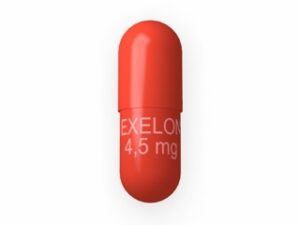
Donepezil (Donepezil hydrochloride) – Patient Information (Australia)
Donepezil is a medicine used to help manage symptoms of certain memory and thinking problems. It is commonly prescribed for people living with Alzheimer’s disease and, in some cases, other forms of dementia where a cholinesterase inhibitor may be considered. This page explains what Donepezil does, how it works, how to take it, and important safety information—written to be clear and patient-friendly for use in Australia.
Quick facts
- Medicine name: Donepezil (often as donepezil hydrochloride)
- Uses: Helps improve or stabilise symptoms of Alzheimer’s disease
- How it works: Increases levels of acetylcholine in the brain
- Common forms: Oral tablets and sometimes oral formulations depending on brand/availability
- Typical dosing schedule: Once daily, usually in the evening
- Key cautions: Can cause nausea, diarrhoea, sleep problems, muscle cramps, and slower heart rate in some people
Basic product information
| Feature | Information |
|---|---|
| Generic name | Donepezil |
| Medicine type | Cholinesterase inhibitor |
| Common strengths | Often 5 mg and 10 mg tablets (other strengths may be available depending on supplier) |
| Route | Oral (by mouth) |
| Typical dosing frequency | Once daily |
| When to take | Often in the evening; follow the instructions on your medicine label |
| Time to effect | Some people notice benefits within weeks; full assessment usually takes longer |
Mechanism of action (how Donepezil works)
Donepezil is a cholinesterase inhibitor. In the brain, nerve cells communicate using a chemical called acetylcholine. In Alzheimer’s disease, acetylcholine levels tend to be lower.
Donepezil works by inhibiting the enzyme that breaks down acetylcholine (acetylcholinesterase). By slowing down this breakdown, Donepezil helps increase acetylcholine availability at nerve synapses. This may help with memory, thinking, and daily function in some people.
It is important to note that Donepezil typically helps symptoms and quality of life, but it does not cure dementia or stop disease progression.
Pharmacokinetics (what the body does with Donepezil)
Pharmacokinetics describes how a medicine is absorbed, distributed, metabolised, and eliminated. Below is an overview of key features relevant to day-to-day use:
- Absorption: Donepezil is absorbed after oral dosing. Peak blood concentrations are generally reached within about 3–4 hours for many formulations.
- Distribution: Donepezil distributes throughout the body, including the brain.
- Metabolism: Primarily metabolised in the liver (involves CYP enzymes such as CYP3A4 and CYP2D6).
- Elimination: Donepezil has a relatively long elimination half-life—commonly around 70 hours (a metabolite is also relevant). This long half-life supports once-daily dosing.
- Steady state: With once-daily use, steady concentrations are usually reached after about 2–3 weeks.
Typical use (what it’s used for)
In Australia, Donepezil is used to manage symptoms of Alzheimer’s disease. It may be used for mild, moderate, and severe stages, depending on clinical assessment.
Some clinicians may consider cholinesterase inhibitors for other dementias, but the most established role is in Alzheimer’s disease. The best choice depends on diagnosis, symptom pattern, and risk factors.
How and when to take Donepezil
Follow your medicine label and the dosing plan provided by your healthcare professional. The information below outlines common practice.
Timing
- Most people take Donepezil in the evening. This can help if the medicine causes mild stomach upset or dizziness in some individuals.
- If you experience sleep disturbance or vivid dreams, a prescriber may advise moving the dose to a different time. Do not change timing without guidance.
- Try to take it at the same time each day to maintain consistent effects.
Food interactions (with meals)
Donepezil can be taken with or without food. Food does not typically have a clinically important effect on how much is absorbed. However, taking it after a meal may reduce the chance of nausea or stomach discomfort for some people.
If you miss a dose
If you miss a dose, take it when you remember unless it is close to the next scheduled dose. If it is almost time for the next dose, skip the missed dose and continue as normal. Avoid doubling up.
Dosing (typical regimen)
Dosing often starts low and increases gradually to improve tolerance. Common regimens include:
- Initial dose: commonly 5 mg once daily for a period (often about 4–6 weeks).
- Possible increase: may be increased to 10 mg once daily depending on response and side effects.
Your dose may differ based on age, other medical conditions, heart rhythm issues, tolerability, and other medicines. If side effects occur, healthcare professionals may adjust the dose or timing.
Alcohol and medicine interactions
Alcohol can affect thinking, balance, dehydration, sleep quality, and risk-taking behaviours—factors that can be especially important in older adults. While there is no single universal rule for everyone, consider the following:
- Alcohol with dementia: Alcohol may worsen confusion and impair memory. Minimising or avoiding alcohol is often advisable.
- Alcohol with Donepezil side effects: If Donepezil causes dizziness or low blood pressure in you, alcohol may intensify these effects.
- Do not “mask” side effects: If alcohol is followed by worsening dizziness, fainting, nausea, or falls, stop alcohol and seek advice.
Donepezil can also interact with other medicines. Interactions may increase side effects (such as slow heart rate) or reduce effectiveness. Always provide a complete list of medicines to your healthcare professional.
Examples of medicine classes that may interact
- Other medicines that slow the heart: may increase risk of bradycardia (slow pulse), fainting, or dizziness.
- Medicines that affect liver enzymes (some antibiotics, antifungals, antidepressants, and others) may alter Donepezil levels.
- Anticholinergic medicines (used for overactive bladder or some allergy/motion sickness products) can oppose effects of Donepezil.
- Medicines that cause nausea/diarrhoea may compound gastrointestinal side effects.
- Medicines that increase bleeding risk (e.g., some anticoagulants/antiplatelets) should be discussed, particularly if vomiting or diarrhoea occurs. Individual risk varies.
This list is not complete. Interaction risk can vary by dose and by your health conditions. For personalised guidance, check with a pharmacist or prescribing clinician.
Indications (when Donepezil is used)
Donepezil is indicated for Alzheimer’s disease symptom management in adults. Use may differ depending on stage and local clinical practice. Your healthcare professional will determine whether Donepezil is suitable based on:
- Diagnosis type (for example, Alzheimer’s vs other causes of memory problems)
- Severity of symptoms
- Overall health, including heart rhythm and stomach tolerability
- Current medicines and risk of interactions
- Past history of fainting, ulcers, or breathing problems
Safety profile (side effects and what to watch for)
Like all medicines, Donepezil can cause side effects. Not everyone gets them, and many can improve over time—especially when the dose is increased gradually.
Common side effects
- Nausea
- Diarrhoea
- Vomiting
- Loss of appetite
- Muscle cramps
- Fatigue
- Headache
- Dizziness
- Sleep disturbance (including vivid dreams)
Serious or urgent warnings (seek medical help)
Contact a healthcare professional urgently or seek emergency assistance if you experience:
- Fainting, near-fainting, or a very slow pulse
- Severe dizziness or repeated falls
- Severe vomiting, dehydration, black/tarry stools, or signs of bleeding
- Breathing difficulties (especially if you have asthma/COPD and symptoms are new or worse)
- Allergic reaction such as swelling of the face/lips, hives, or trouble breathing
Who needs extra caution?
- Heart rhythm problems or history of slow heart rate
- History of ulcers or significant stomach symptoms
- People at risk of falls or with dizziness
- Chronic lung disease (e.g., asthma or COPD)
- Use of interacting medicines that affect heart rate or liver metabolism
Practical use tips (how to take Donepezil more comfortably)
- Start low, go slow: Gradual dose increases can improve tolerance. Don’t accelerate changes.
- Take with or after food: If nausea occurs, try taking it after dinner (unless advised otherwise).
- Stay hydrated: If diarrhoea occurs, maintain fluid intake and monitor for dehydration.
- Monitor pulse and dizziness: Especially during dose changes or if you have a history of fainting.
- Track sleep effects: Note vivid dreams or insomnia. Timing adjustments may help.
- Use reminders: Once-daily dosing is easier with alarms or blister packs.
- Watch for weight/appetite changes: If appetite drops significantly, discuss early with a pharmacist or clinician.
Missed dose, stopping, and restarting
If you stop Donepezil for more than a short period, re-starting may require a plan to reduce side effects (often starting back at a lower dose). Always seek advice before restarting after a gap.
Alternative options
If Donepezil is not tolerated, not effective, or not suitable, there are other medication options commonly considered for dementia-related symptoms. Alternatives may include:
Other cholinesterase inhibitors
- Rivastigmine (available as oral and patch forms in some settings)
- Galantamine
NMDA receptor antagonist
- Memantine (often considered for moderate to severe Alzheimer’s disease symptoms)
Combination therapy is sometimes used in selected people, but decisions depend on individual factors and tolerability. Your healthcare professional can discuss what fits your situation.
Market and legal context for Australia
In Australia, Donepezil is regulated as a prescription medicine. Availability depends on pharmaceutical supply chains and the formulation you need. Healthcare decisions should align with local clinical guidelines and the product information approved by Australian regulators.
When using medicines in Australia, people commonly access support through:
- GPs and specialist clinicians for diagnosis and monitoring
- Pharmacists for medicine review, interaction checking, and side-effect management
- Medication Management Plans where appropriate
- Ongoing monitoring of cognition, function, and tolerability
Recent guidance (monitoring and safe use)
Recent best-practice messaging in dementia care emphasises that medication should be paired with a broader plan of support. Ongoing assessment is important to ensure benefits outweigh side effects.
- Regular review: Reassess symptom changes and adverse effects after starting or changing dose.
- Falls and heart monitoring: Particularly in older adults or those with dizziness/slow pulse risk.
- Medication reviews: Regular pharmacist/GP review to reduce interacting medicines and duplicate therapies.
- Non-medicine support: Cognitive stimulation, routine, caregiver support, and safety planning remain essential.
For the most up-to-date recommendations, your healthcare professional can reference current Australian guidance and product information.
Delivery and availability (online pharmacy)
Availability can vary by supplier and formulation strength. When ordering online, confirm that the product strength matches your current dosing plan. Delivery options may depend on your location within Australia and on stock levels.
- Stock checking: If an item is temporarily unavailable, the pharmacy may contact you about alternatives.
- Packaging: Products are typically dispatched in secure, manufacturer-approved packaging.
- Delivery timeframes: These vary by region and service level; estimated delivery times are usually provided at checkout.
- Cold-chain: Donepezil is generally stable at room temperature under normal storage conditions.
If you have questions about stock, strength, or whether a specific formulation is available, contact the pharmacy’s support team.
Storage
Store Donepezil according to the instructions on the label or the consumer medicines information leaflet. General guidance includes keeping it:
- At or below the recommended room temperature
- In a dry place away from direct heat or sunlight
- Out of reach of children
FAQ
1) What is Donepezil used for?
Donepezil is used to help manage symptoms of Alzheimer’s disease. It may help maintain daily function and thinking abilities for some people.
2) How quickly will I notice benefits?
Some people notice changes within a few weeks, but for many, a clear assessment requires longer. Response varies. Healthcare professionals often review progress after an initial period and after dose adjustments.
3) Should I take it with food?
You can take Donepezil with or without food. If you get nausea or stomach upset, taking it after a meal may help.
4) Can I drink alcohol while taking Donepezil?
Alcohol may worsen confusion and may increase dizziness or fall risk. If you choose to drink, keep it minimal and watch for worsening side effects. Avoid alcohol if it tends to make symptoms or side effects worse.
5) What are the most common side effects?
Common side effects include nausea, diarrhoea, vomiting, loss of appetite, muscle cramps, dizziness, and sleep disturbance.
6) What if I feel dizzy or faint?
Stop driving and seek medical advice promptly. Dizziness or fainting can be serious, especially if it suggests a slow heart rate. Tell your pharmacist or clinician about the symptoms as soon as possible.
7) Are there medicines I should avoid?
Some medicines can interact with Donepezil, including those affecting heart rate, liver enzymes, or medicines with anticholinergic effects. Provide a full list of your medicines (including over-the-counter products and herbal supplements) to a pharmacist for a safety check.
8) Can Donepezil be used in older adults?
Donepezil is commonly used in older adults, but the chance of side effects can be higher. Dose increases are often slower, and monitoring is important.
9) What should I do if I miss a dose?
Take it when you remember unless it’s close to the next dose. Skip the missed dose if you’re near the next scheduled time. Do not double up.
10) What are alternatives if Donepezil doesn’t suit me?
Alternatives may include other cholinesterase inhibitors (such as rivastigmine or galantamine) or memantine, depending on diagnosis and severity. Your healthcare professional can discuss suitability.
Important note
This information is intended for general patient education and should not replace advice from your healthcare professional or pharmacist. If you have questions about your specific condition, dosing, or side effects, speak with a qualified clinician.