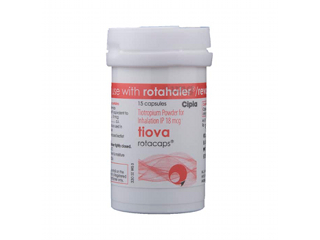
Tiova Rotacap (Tiotropium Bromide) – Patient Guide (Australia)
Tiova Rotacap is an inhaled medicine containing tiotropium bromide, used to help control symptoms of chronic lung conditions such as COPD and asthma in selected patients. It works by relaxing the muscles around the airways, making it easier to breathe.
This page explains how Tiova Rotacap works, how to use it correctly, what to expect, important safety information, and where it fits in typical treatment in Australia.
Quick Facts
- Medicine: Tiotropium bromide
- Brand: Tiova Rotacap
- Form: Hard capsule for inhalation using a Rotahaler®/inhalation device (depending on pack instructions)
- How it works: Long-acting antimuscarinic/anticholinergic (bronchodilator)
- When it’s used: Long-term symptom control for COPD; may be used in certain asthma treatment plans
- Typical dosing frequency: Often once daily
Basic Product Information
| Feature | Details |
|---|---|
| Active ingredient | Tiotropium bromide |
| Medicine type | Inhaled long-acting bronchodilator (LAMA) |
| Common uses | COPD maintenance; selected asthma patients as part of controller therapy |
| Administration | Inhalation from capsules using the provided device |
| Onset | Relief can begin within hours; full daily benefit builds over time |
Note: Always follow the instructions inside the pack or from your healthcare professional for your specific device and capsule strength.
Mechanism of Action (How Tiova Rotacap Works)
Tiova Rotacap contains tiotropium, a medicine that blocks muscarinic (cholinergic) receptors in the airways. This helps:
- Relax airway muscles, leading to wider airways
- Reduce bronchoconstriction (tightening of the airways)
- Improve airflow and help symptoms such as breathlessness
Because it acts on muscarinic receptors and is designed to work for an extended period, it provides long-lasting bronchodilation suitable for once-daily maintenance therapy.
Pharmacokinetics (What the Body Does to the Medicine)
Pharmacokinetics describes how the body absorbs, distributes, metabolises, and eliminates a medicine.
- Absorption: Tiotropium is inhaled. The medicine is delivered directly into the lungs, where it exerts local effects. Only a portion is absorbed into the bloodstream.
- Distribution: After absorption, tiotropium distributes systemically. It reaches and acts at relevant sites, while most of its intended effect is local to the airways.
- Metabolism: Tiotropium is not extensively metabolised. The body primarily handles it through elimination pathways rather than heavy chemical transformation.
- Elimination: Tiotropium is largely cleared from the body through renal (kidney) excretion. This can be relevant in people with reduced kidney function.
- Duration of action: Its receptor binding is long-lasting, contributing to once-daily dosing.
If you have kidney disease, discuss your suitability for tiotropium with a clinician, as dose and monitoring needs may differ.
Typical Use and Indications
Tiova Rotacap is commonly used for:
1) Chronic Obstructive Pulmonary Disease (COPD)
Tiotropium helps maintain open airways and reduce symptoms in people with COPD, including those with chronic bronchitis and/or emphysema.
2) Asthma (selected patients)
In asthma, long-acting bronchodilators may be used as add-on therapy for patients whose symptoms are not adequately controlled with inhaled corticosteroids alone. Tiotropium may be included in certain asthma treatment plans under clinician guidance.
Important: Tiova Rotacap is a maintenance inhaler intended for regular use. It is typically not the same as a fast-acting “reliever” inhaler used for sudden symptoms.
When to Take Tiova Rotacap (Timing and Routine)
Tiova Rotacap is usually taken once daily. Choose a time that fits your routine, such as:
- Morning (e.g., after breakfast)
- Evening (e.g., after dinner)
Consistency helps: Using it at the same time each day supports steady symptom control.
If You Miss a Dose
- Take it as soon as you remember on the same day.
- If it is close to your next dose, skip the missed dose and take your next scheduled dose.
- Do not take two doses at once to make up for a missed dose.
How to Use Tiova Rotacap Correctly (Practical Tips)
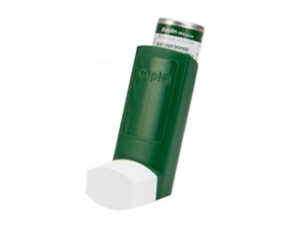
Tiova Rotacap capsules are designed to be inhaled using the appropriate inhalation device (commonly a Rotahaler®-type device). Correct inhalation technique is essential for medicine to reach the lungs.
- Prepare: Remove the capsule from the blister pack immediately before use.
- Load the capsule: Place the capsule in the device as directed in your pack instructions.
- Pierce the capsule: Ensure the capsule is pierced (as per device instructions) so powder can disperse for inhalation.
- Exhale gently: Breathe out away from the device (not into it).
- Inhale firmly and deeply: Seal your lips around the mouthpiece and inhale strongly to pull the powder into your lungs.
- Hold your breath: Hold your breath for as long as comfortable, then breathe out.
- Check the capsule: You should often see the capsule is empty. If powder remains, repeat the inhalation from the device (only if the device instructions allow).
Tip: If you often get symptoms after inhaling, ask a pharmacist or nurse to observe your technique. Small adjustments can make a big difference.
Food Interactions
Because Tiova Rotacap is inhaled and works mainly in the lungs, it has minimal direct interaction with food.
- In most people, food does not significantly change how the medicine works.
- For comfort, you can take your dose with or without meals.
If you notice nausea, stomach upset, or worsening symptoms related to timing, speak with a healthcare professional to review your routine.
Alcohol and Medicine Interactions
Alcohol
Moderate alcohol is not known to directly interact with tiotropium in a way that makes it unsafe for most people. However:
- Alcohol can worsen breathlessness or sleep quality in some people with COPD or asthma.
- Alcohol may increase risk of dizziness or dehydration when combined with other medicines.
If you have severe disease, sleep-related breathing problems, or are using sedating medicines, consider avoiding alcohol or discussing safe limits with your clinician.
Interactions with Other Medicines
Tiotropium can interact with other medicines used for breathing or for urinary/anticholinergic effects. Important interaction categories include:
- Other anticholinergic medicines: Using multiple anticholinergic therapies may increase the chance of side effects (e.g., dry mouth, constipation, urinary retention in susceptible individuals).
- Other inhaled COPD/asthma medicines: Tiotropium is commonly used alongside inhaled corticosteroids and/or long-acting beta agonists (LABAs) in appropriate combinations. Follow your specific regimen.
- Medicines affecting the bladder or gut: Some medicines with anticholinergic properties can add to tiotropium’s effects.
- Kidney function considerations: Because tiotropium is primarily eliminated by the kidneys, other medicines that affect kidney function may require review.
Always inform your pharmacist of your full list of medicines, including over-the-counter products and herbal supplements, to check for compatibility.
How Dosing Works (Typical Dose and Strength Considerations)
Tiova Rotacap is typically supplied in capsules intended for inhalation once daily. The exact strength and dosing schedule depend on the specific product and your condition.
Typical Dosing Frequency
- Common regimen: once daily
Do not exceed the prescribed dose
Taking more than recommended increases the risk of side effects without necessarily improving benefit.
Always check your pack for the correct capsule strength and instructions.
Safety Profile and Possible Side Effects
Tiova Rotacap is generally well tolerated. Like all medicines, it can cause side effects in some people.
Commonly Reported Side Effects
- Dry mouth
- Throat irritation or mild discomfort after inhalation
- Constipation (can occur with anticholinergic activity)
- Headache
Less Common but Important Side Effects
- Difficulty urinating or urinary retention (more likely in people with prostate enlargement or bladder outlet obstruction)
- Blurred vision or eye pain (rare; seek urgent advice if it occurs)
- Allergic reactions (rare): swelling, rash, itching, or breathing difficulty
- Worsening shortness of breath after inhalation that does not improve (could indicate incorrect technique or another issue)
Seek urgent medical help if
- You develop severe allergic symptoms (e.g., facial swelling, hives, severe trouble breathing)
- You experience chest pain, fainting, or severe worsening of breathing
- Eye symptoms suggest acute narrow-angle glaucoma (severe eye pain, blurred vision, halos around lights)
Special Precautions
- Kidney impairment: Because tiotropium is mainly cleared by the kidneys, reduced kidney function may require extra caution and monitoring.
- Urinary retention risk: People with enlarged prostate, difficulty urinating, or bladder problems should discuss risk before using anticholinergic inhalers.
- Heart rhythm conditions: Tiotropium is not a beta-agonist, so it typically does not carry the same risks as some other inhalers; still, report any new palpitations or concerns.
- Infection flare-ups: In COPD or asthma, infections can worsen symptoms. Continue maintenance therapy as directed and seek advice if you are unwell.
Practical Use Tips for Best Results
- Check technique: Incorrect inhalation can reduce dose delivery to the lungs.
- Use at the same time daily: Helps maintain consistent symptom control.
- Keep capsules dry: Do not open the blister until ready to use. Moisture can affect the capsule contents.
- Do not swallow the capsule: Tiova Rotacap capsules are for inhalation only.
- Separate from reliever inhalers: If you use a fast-acting reliever (such as salbutamol), use it for sudden symptoms as your plan recommends.
- Monitor symptom patterns: If you regularly need reliever medicine more often than usual, talk to a clinician—your asthma/COPD plan may need adjustment.
Alternative Options (Other Treatments You May Discuss)
Depending on your diagnosis and symptom severity, your clinician may consider other maintenance options. Common alternatives include:
- Other long-acting muscarinic antagonists (LAMAs): Similar class alternatives for COPD maintenance.
- Long-acting beta agonists (LABAs): Often used alone or in combination therapies.
- Inhaled corticosteroids (ICS): Especially important for asthma control and in selected COPD patients.
- Combined inhalers (ICS/LABA or LABA/LAMA): May simplify dosing and improve control.
- Reliever inhalers: For quick relief during sudden symptoms (not a replacement for maintenance therapy).
Choice depends on your lung function, symptom frequency, exacerbation history, and side-effect tolerance. If you are switching medicines, ask your pharmacist or clinician about a step-by-step plan.
Market and Legal Context in Australia
In Australia, inhaled medicines for airway disease are supplied and managed under established healthcare frameworks. Availability, brand formats, and prescribing requirements depend on the specific product and what is listed for patient use in relevant Australian medicines regulation and pharmacy practice.
Typical points to be aware of:
- Supply through pharmacies: Inhaled respiratory medicines are commonly available via community pharmacies.
- Patient education: Australian healthcare services often emphasise inhaler technique checks and adherence support for inhaled therapies.
- Clinical guidelines: COPD and asthma are managed using evidence-based guidelines that may influence which long-acting inhalers are preferred for different patient groups.
Recent guidance (general overview): COPD and asthma management in Australia continues to emphasise appropriate use of maintenance inhalers, regular review of symptoms, correct inhaler technique, and action plans for flare-ups. Treatment selection often focuses on symptom control and reduction of exacerbations, with stepwise therapy adjustments over time.
Delivery and Availability (Online Pharmacy Considerations)
Tiova Rotacap may be available from online pharmacies and delivered to eligible Australian addresses. Delivery times vary depending on stock availability, location, and courier services.
- Stock status: Check the product page for current availability.
- Packaging: Products are supplied in original packaging where applicable.
- Delivery updates: Tracking details may be provided after dispatch.
- Storage: Store as directed on the pack (commonly at controlled room temperature, protect from moisture).
If you need help choosing the correct inhaler format or device compatibility, contact customer support or a pharmacist.
FAQ
1) Is Tiova Rotacap a reliever inhaler?
Tiova Rotacap is a maintenance bronchodilator intended for long-term control. It is not typically used for immediate relief of sudden breathlessness. For sudden symptoms, use your prescribed reliever inhaler according to your action plan.
2) How quickly will Tiova Rotacap start working?
Some people notice symptom improvement within hours, but the full benefit is achieved with regular daily use. If your symptoms are not improving, or you are getting worse, seek advice to reassess your plan and inhaler technique.
3) Can I take Tiova Rotacap with meals?
Yes. Tiova Rotacap has minimal direct interaction with food, so it can usually be taken with or without meals.
4) What if I accidentally swallow the capsule?
Tiova Rotacap capsules are designed for inhalation. If you swallow a capsule by mistake, contact your pharmacist for advice—especially if you feel unwell or have symptoms.
5) Can I use Tiova Rotacap if I also take other inhalers?
Often, yes. Many patients use tiotropium alongside other inhaled therapies (for example, inhaled corticosteroids or LABA treatments), but the correct combination depends on your diagnosis and plan. Keep using medicines as directed and confirm any changes with your healthcare professional.
6) What are the signs I should get medical help?
Seek urgent help if you have severe allergy symptoms, sudden severe worsening of breathing, chest pain, fainting, or eye symptoms such as severe pain or sudden blurred vision.
7) Does tiotropium affect my kidneys or urine?
Tiotropium is mainly cleared by the kidneys. In addition, anticholinergic medicines can sometimes affect urination in susceptible people. If you have kidney problems or difficulty urinating, discuss this before using the medicine and report symptoms promptly.
8) How should I store Tiova Rotacap capsules?
Store in original packaging as directed on the pack. Protect capsules from moisture and only open blisters immediately before use.
9) Can I drink alcohol while using Tiova Rotacap?
Alcohol is not generally known to directly interact with tiotropium. However, alcohol can worsen breathing symptoms or sleep, and may interact indirectly with other medicines. If you drink, consider moderation and discuss your situation with a clinician if you are concerned.
10) What if I keep needing my reliever inhaler more often?
Needing reliever medicine more frequently can mean your condition is not well controlled. Contact a clinician to review your symptoms, inhaler technique, and treatment plan.
Final reminder: Inhaler medicines work best when used correctly and consistently. If you have questions about your Tiova Rotacap device or technique, speak with your pharmacist or healthcare team.