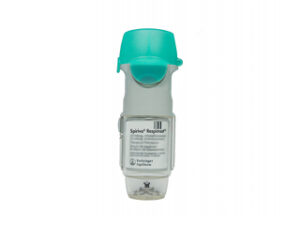
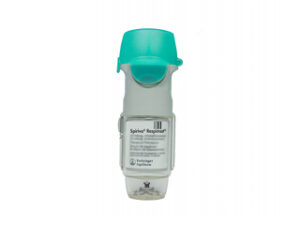
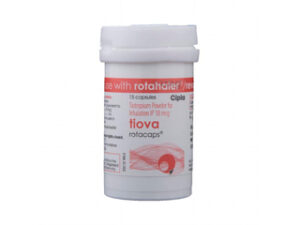
Tiova Inhaler (Tiotropium Bromide) – Patient Information (Australia)
Tiova Inhaler contains tiotropium bromide, a long-acting inhaled medicine used to help improve breathing in people with chronic obstructive pulmonary disease (COPD) and, in some cases, other obstructive lung conditions as directed by your healthcare professional. This guide explains how it works, how to use it effectively, and what to know about safety, interactions, and practical day-to-day use.
| Product | Tiova Inhaler (Tiotropium Bromide) |
|---|---|
| Medicine type | Inhaled long-acting bronchodilator (antimuscarinic) |
| Main purpose | Helps open airways and reduce symptoms of COPD |
| Common dosing frequency | Usually once daily (same time each day is helpful) |
| Key benefit | Improves airflow and helps reduce shortness of breath |
| Not for sudden attacks | Not a rescue inhaler for immediate relief |
Basic product information
Tiova Inhaler is an inhaled medicine designed to deliver tiotropium bromide directly to the airways. It is used as maintenance therapy, meaning it is taken regularly to help keep symptoms under control.
In Australia, tiotropium-containing inhalers are widely used in clinical practice. Brand names and device types may vary; always use the specific device instructions provided with your Tiova inhaler and follow the directions on the pack and from your healthcare professional.
How it works (mechanism of action)
Tiotropium bromide is a long-acting antimuscarinic (also called a long-acting muscarinic antagonist, LAMA). It blocks muscarinic receptors in the airway smooth muscle, which reduces bronchoconstriction.
- Relaxation of airway muscles: Helps keep airways open.
- Reduced airway “tightness”: Makes it easier to breathe during daily activities.
- Long duration: Designed to work for about 24 hours with once-daily dosing.
By improving airflow, tiotropium can help reduce symptoms such as breathlessness and may reduce exacerbations for eligible patients when used as part of an overall COPD management plan.
Pharmacokinetics (how the body handles it)
Pharmacokinetics describes how the body absorbs, distributes, metabolises, and eliminates a medicine. For inhaled tiotropium, most of the clinical benefit comes from local effects in the lungs, but some medicine is absorbed into the bloodstream.
- Absorption: After inhalation, tiotropium delivers drug to the airways; a portion may be swallowed and then absorbed through the gastrointestinal tract.
- Distribution: Tiotropium has a distribution profile that supports sustained action at the target receptors in lung tissue.
- Metabolism: Tiotropium is primarily metabolised to inactive metabolites (the exact pathways may vary; metabolism is not typically the main determinant of effect).
- Elimination: Tiotropium is largely eliminated via the kidneys.
Practical implication: Because tiotropium is substantially cleared by the kidneys, kidney function can influence medicine levels in the body. If you have kidney impairment, your clinician may adjust your treatment plan and monitor you more closely.
Typical use and treatment goals
Tiova Inhaler is commonly used to manage chronic obstructive pulmonary disease (COPD). It may help:
- Improve airflow and breathing comfort
- Decrease shortness of breath and related limitations
- Support long-term symptom control
- Help reduce the frequency of COPD flare-ups in appropriate patients
Tiotropium is generally intended for regular daily use, not as an emergency measure.
When and how to take it (timing)
Most people use Tiova Inhaler once daily, at roughly the same time each day. Consistency helps maintain steady lung bronchodilation.
- Best timing: Choose a time you can reliably remember (morning or evening).
- Missed dose: If you forget a dose, take it as soon as you remember on the same day. If it is nearly time for the next dose, skip the missed dose. Do not double dose.
- Same-day changes: Do not stop or increase your inhaler dose without guidance.
If you also use other inhalers (for example, a short-acting “reliever”), your action plan should be discussed with your healthcare professional.
Food interactions
Because Tiova Inhaler delivers medicine to the lungs, food interactions are generally not a major concern. The inhaled medicine works primarily locally in the airways, rather than being dependent on absorption during digestion.
That said, follow your medication instructions carefully. If you accidentally swallow medicine from the inhaler (which can happen), normal digestion typically handles any swallowed portion without a significant food interaction.
Alcohol and medicine interactions
Alcohol
Moderate alcohol use is not generally expected to directly interact with tiotropium. However, alcohol can affect breathing patterns, sleep, and adherence to treatment—especially if COPD symptoms flare or if alcohol affects your overall health.
Other medicine interactions
Tell your healthcare professional about all medicines you take, including prescription medicines, over-the-counter products, vitamins, and herbal supplements. Important interaction themes for tiotropium include:
- Other anticholinergic (antimuscarinic) medicines: Using multiple anticholinergic drugs together can increase anticholinergic side effects (such as dry mouth or constipation). Examples may include certain bladder medications, some allergy medicines, or other inhaled antimuscarinics.
- Close monitoring with other inhalers: When combined therapies are used (for example, with inhaled bronchodilators of different types), clinicians typically choose combinations to maximise benefit while monitoring tolerability.
- Kidney function considerations: Because tiotropium is largely eliminated by the kidneys, medicines that affect renal function may influence overall exposure in some people.
If you are unsure whether any of your medicines have anticholinergic effects, ask your pharmacist for advice.
Indications (what Tiova is used for)
Tiova Inhaler (tiotropium bromide) is indicated for the maintenance treatment of COPD to relieve symptoms and improve quality of life. Eligibility and exact prescribing indications can vary based on local product information and individual patient factors.
Your healthcare professional can confirm whether tiotropium is suitable for your specific diagnosis, symptom severity, and overall treatment plan.
Dosing – what is commonly recommended
For many adult COPD patients, tiotropium bromide inhalation is used as a once-daily maintenance dose. The exact dose and inhaler strength depend on the specific Tiova device and product formulation you have.
Always follow the dose instructions on your pack and the directions given by your healthcare professional.
- Adults (typical): Once daily dosing is common for tiotropium inhalers.
- Children: Use in children is generally not the focus of tiotropium COPD treatment; dosing should only be considered if specifically directed.
- Renal impairment: Your clinician may consider kidney function when deciding the suitability and monitoring plan.
If you miss doses frequently or find it difficult to use the device correctly, discuss options with your pharmacist—device technique issues are a common reason inhalers underperform.
Safety profile and side effects
Like all medicines, Tiova Inhaler can cause side effects. Many people experience none or only mild effects. Side effects may vary depending on dose, technique, and individual risk factors.
Common side effects
- Dry mouth
- Sore throat or throat irritation
- Cough or minor airway irritation
- Constipation (occasionally)
Less common but important side effects
- Urinary retention (difficulty passing urine), particularly in people with predisposition
- Glaucoma symptoms (eye pain, blurred vision or halos around lights) if medicine gets into the eye
- Allergic reactions (rash, swelling, breathing difficulties)
Seek urgent help if
- You develop swelling of the face, lips, or throat, or wheezing or difficulty breathing beyond your usual COPD symptoms.
- You experience severe eye pain, sudden vision changes, or significant headache with eye symptoms.
If you experience persistent side effects, do not stop the medicine abruptly without medical advice. Instead, speak with a healthcare professional to review technique, dose, or an alternative option.
Practical use tips (getting the best benefit)
Correct inhaler technique is crucial for tiotropium inhalers because the medicine must reach the lungs effectively. The following general tips can help:
- Read the device instructions: Each inhaler type has a specific sequence. Follow the steps for your exact Tiova device.
- Prepare properly: Ensure the mouthpiece is clean and dry, and check the dose status if your device has indicators.
- Form a good seal: Seal lips around the mouthpiece to prevent leakage.
- Breathe in steadily: Use the technique recommended for the device (some inhalers work best with a slow deep inhalation).
- Hold your breath briefly: After inhaling, hold breath for about 5–10 seconds if comfortable (follow your device instructions) to allow medicine to settle in the lungs.
- Rinse after use if advised: Some inhaled medicines may require rinsing. Tiotropium is not typically associated with thrush, but follow product guidance and your pharmacist’s advice.
- Keep track of daily dosing: A medication reminder (phone alarm, calendar) improves consistency.
Device technique check: If your symptoms aren’t controlled, ask your pharmacist to observe your inhaler use. Correcting technique can improve lung delivery without changing medication dose.
What to expect – timing of symptom relief
With long-acting inhaled bronchodilators, improvements are often noticed over time and with regular use. Some people feel easier breathing within hours, while others notice benefits more gradually.
Tiotropium helps with maintenance control. If you become acutely short of breath, follow your COPD action plan and use your reliever/rescue inhaler if you have one prescribed for emergencies.
Alternative options
Treatment for COPD may involve different classes of inhalers, depending on symptom severity, exacerbation history, and individual response. Alternatives to tiotropium may include:
- Other LAMAs (long-acting antimuscarinics) such as aclidinium or glycopyrronium (availability and suitability vary).
- LABAs (long-acting beta2-agonists) such as formoterol or salmeterol.
- Combination inhalers (for example, LAMA/LABA or LABA/ICS) depending on clinical needs.
- Short-acting bronchodilators for quick symptom relief, used as relievers rather than maintenance.
If Tiova doesn’t suit you (for example due to side effects, technique challenges, or inadequate symptom control), ask your pharmacist or doctor about inhaler alternatives and whether a different device might be easier to use.
Market and legal context for Australia
In Australia, medicines including inhaled bronchodilators are supplied according to the Australian regulatory framework and are listed and assessed by the Therapeutic Goods Administration (TGA). Availability through online pharmacies typically requires compliance with Australian standards for medicines supply, secure ordering, and appropriate customer information.
Because COPD management depends on individual clinical assessment, it is important to:
- Use the medicine only as directed for your condition.
- Seek medical advice for worsening symptoms, frequent exacerbations, or new side effects.
- Ensure you understand how to use your specific inhaler device correctly.
Product availability and brand presence can change over time due to regulatory updates, manufacturing supply, and formulation/device adjustments.
Recent guidance (what clinicians commonly emphasise)
While specific guidance can vary by time and patient profile, general themes in recent COPD care emphasise:
- Regular maintenance inhaler use rather than relying solely on relievers.
- Correct inhaler technique as a key determinant of outcomes.
- Individualised escalation based on symptom control and exacerbation risk.
- Smoking cessation, vaccinations, pulmonary rehabilitation, and managing comorbidities as part of comprehensive care.
If you have COPD, ask your healthcare professional about a personalised COPD action plan, including how to recognise flare-ups and when to seek care.
Delivery and availability (online pharmacy information)
Tiova Inhaler may be available through online pharmacies depending on stock and current supply arrangements. For delivery:
- Dispatch time: Orders are typically processed within business hours; delivery timing depends on your location.
- Temperature/storage: Store the inhaler as directed on the pack. Avoid extreme heat or moisture.
- Packaging: Keep the original carton to reference key instructions and expiry details.
If you require ongoing access, consider setting reminders to reorder before you run out—maintenance medicines work best when taken consistently.
Storage and handling
- Keep out of reach of children.
- Store at room temperature unless your pack specifies otherwise.
- Protect from moisture and extreme heat.
- Check expiry date and discard if expired.
FAQ – Tiova Inhaler (Tiotropium Bromide)
1. Is Tiova Inhaler a reliever or a controller medicine?
Tiova Inhaler is a controller/maintenance medicine. It helps manage COPD symptoms over time and is not intended for immediate relief during sudden breathing difficulties. Your reliever/rescue inhaler (if prescribed) is for flare-ups.
2. How long does it take to work?
Some people notice breathing improvement soon after starting, but the full benefit is typically achieved with regular daily use. If you feel no benefit after a period of consistent use, talk to your healthcare professional rather than stopping.
3. What if I accidentally miss a dose?
Take it as soon as you remember on the same day. If it is close to your next dose, skip the missed dose. Do not double up.
4. Can I use Tiova Inhaler with other COPD inhalers?
Many people use multiple inhalers (for example, a long-acting bronchodilator and a reliever). Whether you can combine medicines depends on your treatment plan. Always follow your clinician’s instructions.
5. Are there food restrictions?
Food interactions are generally not significant for inhaled tiotropium. Take it according to the device instructions, and maintain your usual diet.
6. Can I drink alcohol while using Tiova?
Moderate alcohol is not expected to directly interact with tiotropium. However, alcohol can worsen breathing comfort or sleep and may affect overall health, so use it cautiously and monitor how you feel.
7. What side effects should I watch for?
Common effects include dry mouth, throat irritation, cough, or constipation. Contact a healthcare professional urgently for signs of an allergic reaction or if you experience eye pain/vision changes.
8. I’m getting eye symptoms after inhaling. What should I do?
If medicine gets into the eyes, it can cause eye-related side effects. Ensure you follow your inhaler technique and avoid aiming towards the eyes. Seek urgent care if you have significant eye pain or vision changes.
9. What if my inhaler feels “different” or I can’t inhale properly?
Do not force the device. Check the device instructions and ensure you can follow the inhalation technique. If problems continue, consult your pharmacist—there may be an issue with technique, device readiness, or airflow.
10. Are there alternatives if I can’t tolerate tiotropium?
Yes. Depending on your COPD severity and symptoms, alternatives may include other long-acting bronchodilators (LAMA or LABA), combination inhalers, or different inhaler devices. A clinician can help choose the best option.
When to get medical advice
Contact a healthcare professional promptly if:
- Your breathing worsens despite regular use
- You need your reliever more often than usual
- You experience persistent or troubling side effects
- You have symptoms suggestive of an allergic reaction
- You develop new chest pain, severe cough, fever, or coughing up blood
Tiova Inhaler is most effective when used as part of a broader COPD plan, including correct inhaler technique, regular maintenance dosing, and attention to lifestyle measures recommended by your healthcare team.