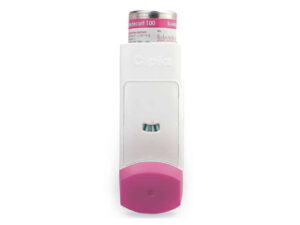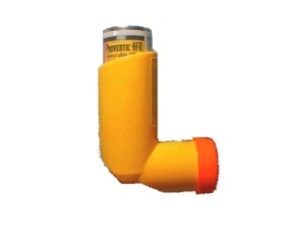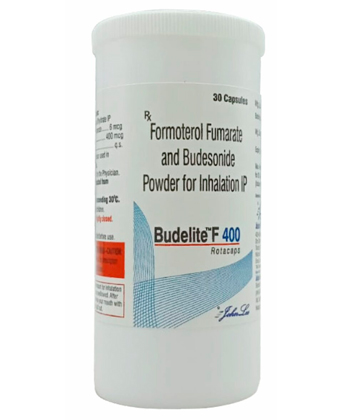
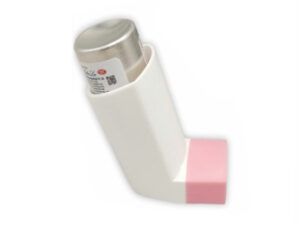
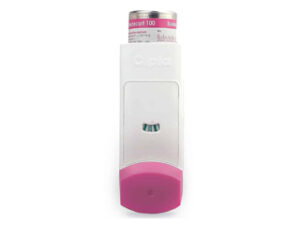
Budesonide/Formoterol Rotacaps (Inhalation): Patient-Friendly Guide (Australia)
Budesonide/Formoterol Rotacaps is an inhaled medicine used to help control long-term breathing problems such as asthma and chronic obstructive pulmonary disease (COPD). It combines two medicines in one treatment:
- Budesonide – a corticosteroid that reduces airway inflammation.
- Formoterol – a fast-acting long-acting beta2-agonist (LABA) that helps relax airway muscles and improves airflow.
This guide is designed to be clear and practical. It explains how the medicine works, when to use it, important interactions, safety considerations, and what to expect in everyday use in Australia.
Basic product information
- Medicine: Budesonide/Formoterol (inhalation) Rotacaps
- How it works: inhaled delivery to the lungs
- Dosage form: inhalation capsules (Rotacaps) used with a dedicated inhaler device (as supplied with the product)
- Common uses: asthma control, and maintenance treatment for COPD (depending on local product strength and indication)
Note: Available strengths and exact indications may vary between products in Australia. Always follow the directions on the package or as provided by your healthcare professional or pharmacist.
Mechanism of action (how it works)
Budesonide (inhaled corticosteroid)
Budesonide helps reduce inflammation in the airways. In asthma and COPD, inflammation can cause swelling and extra mucus, which narrows the airways and leads to symptoms such as wheeze, shortness of breath and coughing. By decreasing inflammatory activity, budesonide:
- reduces airway hyper-responsiveness
- helps prevent flare-ups over time
- improves day-to-day breathing for many people
Formoterol (long-acting beta2-agonist)
Formoterol relaxes the smooth muscle in the airways by stimulating beta2 receptors. This leads to bronchodilation (widening of the airways). It typically begins working within minutes and provides sustained symptom relief for hours.
Why the combination matters
Using both medicines together provides:
- rapid symptom relief from formoterol
- ongoing inflammation control from budesonide
Typical use (who it’s for)
Budesonide/Formoterol Rotacaps are commonly used for:
- Asthma: as a controller medicine to reduce symptoms and prevent exacerbations.
- COPD: to improve symptoms and reduce exacerbations in appropriate patients.
Whether it is used as a twice-daily controller, or in other personalised regimens, depends on the specific product strength, your diagnosis, and the plan given by your clinician.
Timing and how to take it
General timing guidance
- Most people use the medicine at a consistent schedule (often morning and evening), which helps maintain control.
- If your plan allows extra inhalations for symptom relief, follow your personalised instructions carefully.
How long does it take to work?
- Formoterol can help quickly with breathing symptoms.
- Budesonide works gradually; benefits for inflammation and prevention typically develop over days to weeks.
Rinse after inhaled steroids
Because budesonide is an inhaled corticosteroid, it can increase the risk of thrush (oral fungal infection) and hoarseness in some people. A practical prevention step is to:
- Rinse your mouth with water after each dose and spit it out.
Food interactions
No specific food interactions are typically expected with inhaled budesonide/formoterol because the medicine is delivered directly to the lungs and is not usually affected by what you eat.
However:
- If you get reflux or nausea, taking your inhaler at a time when you’re comfortable may help.
- Always follow any general advice given for your condition (e.g., COPD and asthma triggers).
Alcohol and medicine interactions
Alcohol
There is no common direct interaction between inhaled budesonide/formoterol and alcohol. That said:
- Alcohol can worsen breathing for some people by affecting sleep quality and triggering reflux.
- Heavy alcohol use may reduce your ability to manage symptoms or recognise early signs of worsening control.
If you drink alcohol, consider your personal pattern of symptoms and discuss with your pharmacist if you notice consistent changes.
Important medicine interactions
Some medicines can affect heart rate, potassium levels, or how the body handles formoterol or budesonide. Tell your pharmacist or doctor about all medicines and supplements you take, including:
- Other beta-agonists (e.g., salbutamol/albuterol). Using too much can increase side effects.
- Beta-blockers (including some eye drops for glaucoma). Some may reduce the effect of formoterol.
- Diuretics (water tablets), especially loop or thiazide diuretics, because they can lower potassium. Formoterol may also lower potassium in some cases.
- Medicines that affect potassium or heart rhythm.
- Some antidepressants or other medicines that can affect heart rhythm or adrenaline pathways.
- Strong CYP3A4 inhibitors (relevant to budesonide metabolism), such as some antifungals and antibiotics. These can increase corticosteroid levels and side-effect risk.
Always check interaction information with a pharmacist, especially if you:
- have heart disease or an irregular heartbeat
- have low potassium history
- take multiple medicines for other conditions
Indications (what it’s used to treat)
In Australia, budesonide/formoterol inhalers (including Rotacap capsule systems) are used for:
- Asthma – maintenance treatment to improve control and reduce exacerbations.
- COPD – maintenance treatment to improve symptoms and reduce exacerbation frequency in appropriate patients.
Exact eligibility and dosing depend on the specific product strength and your diagnosis. Your clinician will determine the most suitable inhaler plan for you.
Dosing (how much to use)
Dose schedules vary by diagnosis, age, and product strength. Always use the dose specified for your Rotacap product.
Typical dosing approach
- Asthma: often prescribed as a regular controller regimen (commonly twice daily in many treatment plans).
- COPD: maintenance dosing commonly involves regular inhalations (often twice daily).
When to seek advice on dosing
Contact your pharmacist or doctor if:
- your symptoms are not controlled after using it correctly for the expected period
- you need your reliever more often than usual
- you have side effects that concern you
Do not change dose suddenly
Because budesonide is a corticosteroid, do not abruptly stop or significantly reduce the medicine without medical advice. Stopping suddenly may worsen asthma control or increase risk of flare-ups.
Practical use tips (getting the best result)
Rotacaps must be inhaled using the appropriate device. Good technique is crucial for proper medicine delivery.
Step-by-step technique checklist (general)
- Use only the Rotacap capsules with the matching Rotahaler/device supplied.
- Remove one capsule right before use.
- Insert the capsule into the chamber as instructed.
- Close the device securely.
- Inhale steadily and deeply to release the medicine.
- Hold your breath for a few seconds if you can comfortably do so.
- Check that the capsule is empty (if not, do not swallow it—review technique).
- Rinse your mouth and spit after dosing to help prevent thrush and hoarseness.
Common problems and fixes
- No improvement in symptoms: reassess inhaler technique and whether doses are being missed.
- Coughing right after inhalation: inhale more smoothly and deeply.
- Hoarse voice or sore throat: rinse mouth after use; review technique.
- Thrush: seek advice; early treatment is important.
Cleaning and storage
- Keep the inhaler device dry and clean according to the product instructions.
- Store capsules in their original packaging and protect from moisture and heat.
Safety profile (side effects and what to watch for)
Like all medicines, budesonide/formoterol can cause side effects. Many people tolerate it well, and side effects are often related to dose or inhalation technique.
Common side effects
- Hoarseness and throat irritation
- Oral thrush (white patches or soreness in the mouth)
- Cough or mild throat discomfort after inhalation
- Headache
- Palpitations or feeling your heartbeat (more likely with formoterol)
- Tremor (fine shaking)
Less common but important risks
- Worsening breathing / paradoxical bronchospasm (rare). Seek urgent advice if your breathing suddenly worsens right after use.
- Low potassium (hypokalaemia) and related muscle weakness/cramps (more likely with high doses, frequent reliever use, or diuretics).
- Fast heart rate or rhythm disturbances (especially in people with existing heart conditions).
- Systemic corticosteroid effects are less likely with inhaled use, but can occur with higher doses or long-term use—examples include bruising, slower wound healing, cataracts or effects on growth in children.
When to seek urgent help
Get urgent medical care if you have:
- severe trouble breathing, bluish lips, or inability to speak in full sentences
- chest pain, fainting, or significant palpitations with dizziness
- rapid worsening after inhalation
- signs of severe allergic reaction (swelling of face/lips, rash, difficulty breathing)
Pharmacokinetics (absorption, distribution, metabolism, elimination)
Pharmacokinetics describes how the body handles a medicine—how it is absorbed, broken down, and eliminated.
Absorption
With inhaled therapy, most of the medicine is delivered to the lungs, with some portion swallowed and absorbed from the gastrointestinal tract. Systemic exposure is generally lower than with oral steroids/bronchodilators, but clinically relevant blood levels can still occur.
Distribution
Both components can distribute into tissues. Protein binding contributes to how much active drug remains in the bloodstream. Inhaled dosing is designed to target the airways while limiting systemic effects.
Metabolism
- Budesonide is metabolised mainly in the liver, involving CYP3A4 pathways.
- Formoterol is also metabolised by the liver, with pathways that may vary between individuals.
Elimination
Metabolites are eliminated largely via urine (and to a lesser extent other routes). The overall duration of clinical effect is influenced by inhaled deposition and the medicine’s pharmacologic activity at airway receptors.
Important practical point: Because metabolism involves liver pathways, drug interaction potential (including CYP3A4 interactions for budesonide) can affect overall exposure and side effects.
Safety in special situations
Pregnancy and breastfeeding
Many asthma/COPD treatments can be used during pregnancy or breastfeeding when benefits outweigh risks. If you are pregnant, planning pregnancy, or breastfeeding, discuss the safest approach with your clinician. Do not stop this medicine without advice, especially if you rely on it for symptom control.
Children and adolescents
Use in younger people depends on the specific product strength, diagnosis, and local guidance. Ensure the prescribed device technique is taught and monitored.
Older adults
Older adults may be more sensitive to beta-agonist effects such as tremor or palpitations, and may have more comorbidities (heart conditions). Monitor closely and seek advice if side effects occur.
Recent guidance and best-practice points (Australia)
In Australia, asthma and COPD management is guided by evidence-based clinical practice. Current best-practice principles typically include:
- Use inhaled corticosteroid-containing therapy for inflammatory control in asthma.
- Optimise inhaler technique and adherence before changing medicines.
- Keep a rapid-relief plan for breakthrough symptoms as advised for your condition.
- Regular review of symptom control, risk factors, inhaler technique, and side effects.
Your pharmacist can help check your technique and discuss whether your current regimen still fits your symptoms and triggers.
Delivery, availability, and how to buy in Australia
Budesonide/Formoterol Rotacaps are typically stocked through Australian pharmacies and may be available:
- as regular pharmacy supply (subject to local availability and brand variations)
- via online pharmacy delivery within Australia (delivery times depend on your location and parcel processing schedules)
Availability can vary based on product strength, brand, pack size, and supply chain status. If a specific strength is out of stock, your pharmacist can often suggest an appropriate alternative or restocking timeline.
Delivery tips:
- Confirm delivery days and address details before checkout.
- If you use the medicine regularly, consider keeping a buffer to avoid interruptions.
- Store capsules in a cool, dry place and follow the package instructions.
Alternative options
Depending on your condition and control level, alternatives may include:
- Other inhaled corticosteroid/LABA combinations (different brands and devices).
- LAMA/LABA combinations for COPD where appropriate (in some patients, long-acting muscarinic antagonists are added).
- Inhaler device alternatives such as metered-dose inhalers or dry powder inhalers, which may be easier for some people to use.
- Reliever inhalers (commonly short-acting beta-agonists) for breakthrough symptoms, according to your asthma plan or COPD action plan.
If you struggle with the Rotacap device, ask your pharmacist about switching to a different inhaler type that matches your ability and preferences.
Common questions (FAQ)
1) Is this medicine a reliever or a controller?
Budesonide/Formoterol Rotacaps are mainly a controller (maintenance) medicine. It contains formoterol, which can provide relatively faster symptom relief than some other LABAs, but your overall plan depends on your diagnosis and how it was prescribed for you. Follow your personalised asthma or COPD management plan.
2) What should I do if I miss a dose?
If you miss a dose, take it when you remember unless it is close to your next dose. Do not take double doses. If you’re unsure, check with your pharmacist.
3) Can I use it for sudden attacks of breathlessness?
Breakthrough symptoms should be treated according to your action plan. Some regimens allow additional inhalations of certain controller medications, but this varies by product and treatment strategy. Use your reliever plan as directed and seek advice if you’re unsure.
4) How do I prevent thrush and hoarse voice?
- Rinse your mouth with water after each dose and spit it out.
- Use proper inhalation technique.
- If symptoms persist (soreness, white patches, persistent hoarseness), contact your pharmacist or doctor.
5) Will it affect my heart rate?
Formoterol can cause side effects like palpitations or tremor in some people. If you experience significant or persistent symptoms, or you have underlying heart rhythm problems, speak with your healthcare provider promptly.
6) Can I take it with other inhalers?
Often people use multiple inhalers for different purposes. Some medicines may interact, or overlap may increase side effects. Tell your pharmacist about every inhaler you have and how often you use each one.
7) What if my symptoms keep getting worse?
Worsening breathing despite correct use may indicate poor inhaler technique, missed doses, infection, or the need to adjust treatment. Arrange a review promptly—especially if you require frequent reliever use.
8) Are there any lifestyle triggers I should watch for?
Common asthma/COPD triggers include smoke (including vaping), dust, strong odours, cold air, exercise triggers, and respiratory infections. Using your medicine alongside trigger avoidance often improves control.
9) How should I store Rotacaps?
Keep capsules in their original packaging, protect from moisture, and store at appropriate room temperature as indicated on the pack. Do not leave capsules loose or exposed to humid environments.
Product information at a glance
| Category | What to know |
|---|---|
| Medicines combined | Budesonide (inhaled steroid) + Formoterol (LABA) |
| Main purpose | Helps control asthma and COPD by reducing inflammation and relaxing airway muscles |
| How it’s taken | Inhalation using the Rotacap device (capsules are not swallowed) |
| Timing | Often morning and evening as maintenance; follow your plan |
| Food effects | No significant food interaction expected |
| After each dose | Rinse mouth and spit to reduce thrush/hoarseness risk |
| Key interactions | Some heart medicines, diuretics, and strong CYP3A4 inhibitors may affect safety/effectiveness |
| Common side effects | Hoarseness, throat irritation, thrush, headache, tremor/palpitations |
Talk to your pharmacist
If you have questions about your inhaler technique, side effects, or how to fit the medicine into your daily routine, your pharmacist can provide practical support. Correct use is one of the biggest factors in getting the full benefit from budesonide/formoterol.