
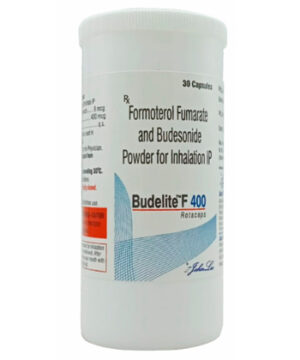
Budesonide/ Formoterol Inhaler (for Asthma & COPD) — Patient Guide (Australia)
Budesonide/formoterol inhaler is a commonly used inhaled medicine for long-term control of breathing problems such as asthma and chronic obstructive pulmonary disease (COPD). It combines two medicines in a single inhaler:
- Budesonide — an inhaled corticosteroid that reduces airway inflammation.
- Formoterol — a long-acting bronchodilator (a LABA) that relaxes the airways to improve airflow.
This guide explains how the medicine works, how it is typically used, important safety information, potential interactions (including with alcohol), practical inhaler tips, and what to expect in Australia.
Product Information (What it is)
- Medicine name: Budesonide/formoterol (often written as budesonide–formoterol)
- Type: Inhaled combination medicine (controller ± reliever depending on regimen)
- Main components: Budesonide (steroid) + Formoterol (LABA)
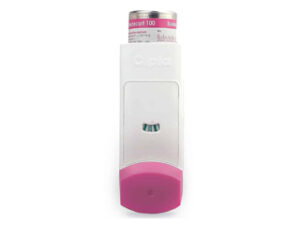
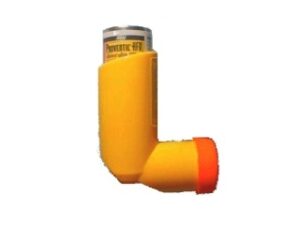
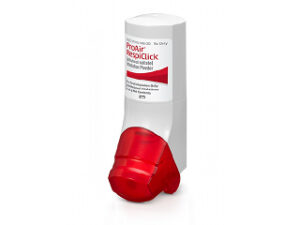
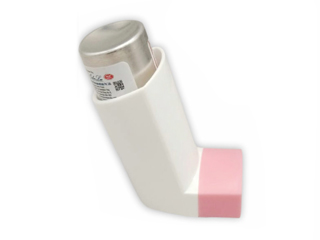
- Common presentations: Metered-dose inhaler (MDI) or dry powder inhaler (DPI), depending on brand and strength
- Who it’s for: Adults and some adolescents/children depending on the product and local guidance
Note: Different strengths and inhaler types exist. Always check your specific pack for the correct dose and device instructions.
How Budesonide/Formoterol Works (Mechanism of Action)
Budesonide — reduces inflammation
Budesonide belongs to the group of inhaled corticosteroids. In asthma and COPD, the airways often become inflamed and swollen. Budesonide helps:
- Reduce inflammation within the airways
- Lower mucus production
- Reduce airway hyper-responsiveness
Over time, this improves control and can reduce flare-ups (exacerbations).
Formoterol — opens airways
Formoterol is a long-acting beta2-agonist (LABA). It works by stimulating beta2 receptors in airway smooth muscle, causing:
- Relaxation of the bronchial muscles
- Widening of airways
- Improved airflow and breathing
Why combination therapy helps
Asthma and COPD usually involve both inflammation and airway narrowing. Using both medicines together targets both problems—budesonide for inflammation and formoterol for bronchodilation.
Pharmacokinetics (Absorption, Distribution, Metabolism, Elimination)
Pharmacokinetics describe how the body absorbs, processes, and clears a medicine.
After inhalation
- Local effect in lungs: The inhaled medicine acts mainly in the airways.
- Systemic absorption: A portion of the inhaled dose can enter the bloodstream, especially if technique is less effective or medication is swallowed after deposition in the mouth/throat.
Metabolism
Budesonide is extensively metabolised (broken down) in the liver, primarily by the enzyme system CYP3A4. This means drugs that strongly affect CYP3A4 can alter budesonide exposure.
Elimination
- Metabolites are removed mainly via the kidneys and bile.
- Formoterol is also metabolised and eliminated through metabolic pathways and renal clearance.
Onset of action
- Formoterol: tends to act relatively quickly, often within minutes.
- Budesonide: anti-inflammatory effects build gradually; benefits for inflammation control often take days to weeks.
Important: The exact timing can vary by individual, inhaler type, and technique.
Typical Use in Australia (What it’s for)
Budesonide/formoterol is used to treat conditions where inflammation and bronchoconstriction play a role.
Common indications
- Asthma: maintenance therapy to improve symptoms and reduce exacerbations.
- COPD: management of chronic symptoms and reduction of exacerbation risk for suitable patients (depending on product indication and clinician assessment).
Not for: Severe sudden breathing emergencies. In an acute severe attack, you may need faster-acting “rescue” medication as advised in your asthma action plan.
How and When to Take It (Timing & Dosing Overview)
Always follow your prescribed or recommended regimen for your particular inhaler strength and device. Below is general education on how dosing is commonly structured.
Typical timing
- Maintenance dosing: often taken twice daily (morning and evening).
- Steady control approach: consistent daily use supports long-term symptom control.
Different asthma/COPD plans
Depending on local practice and the specific product, clinicians may use:
- Regular maintenance inhalations, with separate reliever for symptoms (e.g., a short-acting beta2-agonist), or
- Single-inhaler strategy (where formoterol-containing inhalers can also be used for relief in some regimens). This depends on the product and your action plan.
Check your written action plan for exactly when and how many puffs to take for symptoms versus prevention.
When to expect improvement
- After formoterol: may help quickly with breathlessness and tightness.
- After budesonide: inflammation control often improves over days to weeks.
Dose strength differences
Inhalers may come in multiple strengths (for example, different microgram amounts of budesonide per puff). The number of inhalations depends on your specific strength and treatment plan.
Dosing (General Guidance)
Because product strengths and patient needs differ, dosing must be individualised. The information below provides a framework.
| Condition | Typical approach | How dosing may look | Important reminders |
|---|---|---|---|
| Asthma | Maintenance to prevent symptoms and reduce flare-ups | Often 1–2 puffs twice daily (varies by strength) | Use consistently; rinse and spit after steroid use |
| COPD | Bronchodilation + anti-inflammatory control for suitable patients | Commonly 1–2 puffs twice daily (varies) | Technique affects dose delivered; monitor symptoms |
| Symptom relief (if included in your plan) | Depending on regimen; may use formoterol for quicker relief | Use only as instructed in your action plan | Do not exceed maximum daily dose; seek urgent care if severe |
Maximum dose: Do not exceed the daily number of puffs on your action plan or the product instructions. If you frequently need extra doses, your asthma/COPD may be uncontrolled and needs review.
Food Interactions (Including Whether You Need to Avoid Anything)
Generally, food does not significantly affect inhaled budesonide/formoterol because the medicine is delivered directly to the lungs and systemic absorption is relatively limited.
- You can usually take your inhaler with or without food.
- If your technique deposits medicine in the mouth, mouth rinsing and spitting after using the inhaler reduces the risk of local side effects (such as oral thrush).
Tip: If you regularly experience nausea or reflux, it may affect inhaler technique and comfort—discuss this with your healthcare professional.
Alcohol and Medicine Interactions
Alcohol
Moderate alcohol use is not typically a direct interaction with inhaled budesonide/formoterol. However:
- Alcohol can worsen symptoms in some people by affecting sleep, breathing patterns, and immune function.
- If you drink alcohol, be especially cautious if you have COPD or severe asthma—breathing changes can be more noticeable.
Interactions with other medicines (key examples)
Budesonide/formoterol can interact with other medicines. The most important interaction considerations include the sections below.
CYP3A4 inhibitors (affect budesonide)
- Examples: certain antifungal medicines, some antibiotics, and some HIV treatments may inhibit CYP3A4.
- Effect: could increase budesonide levels, potentially increasing steroid side effects (though inhaled doses are typically lower than oral steroids).
Beta-blocker medicines (can counteract formoterol)
- Examples: some medicines for heart disease, high blood pressure, or glaucoma (including non-selective beta-blockers).
- Effect: may reduce bronchodilator effects or worsen breathing in some patients.
Other bronchodilators and stimulants
- Combining with certain other inhaled or systemic medicines may increase risk of side effects such as tremor or heart rate changes.
Diuretics, corticosteroids, and low potassium risk
- Medicines that can lower potassium (for example, some diuretics) may increase risk of low potassium when combined with beta2-agonists.
MAO inhibitors / tricyclic antidepressants (select caution)
- Some antidepressants can interact with adrenergic systems. Discuss your complete list of medicines with your clinician or pharmacist.
Always tell your pharmacy team about all medicines, including over-the-counter products and herbal supplements.
Safety Profile (Common & Serious Side Effects)
Most people tolerate budesonide/formoterol well, especially when used correctly. Side effects can be related to either the steroid component (budesonide) or the beta2-agonist component (formoterol).
Common side effects
- Throat irritation
- Hoarseness
- Oral thrush (oral candidiasis) — more likely without rinsing after use
- Tremor (hand shake)
- Headache
- Palpitations or a faster heartbeat (usually mild)
- Muscle cramps (uncommon; can relate to electrolyte balance)
Serious side effects — seek urgent care
Get urgent medical attention if you experience:
- Severe worsening breathing or signs of a serious asthma/COPD flare
- Chest pain, fainting, or a dangerously fast/irregular heartbeat
- Allergic reaction (swelling of face/lips, hives, difficulty breathing)
- Symptoms of adrenal suppression (rare with inhaled therapy but more likely with high doses over time): unusual fatigue, weakness, dizziness
Risk management for steroids (budesonide)
- Using the lowest effective dose helps reduce steroid-related risks.
- Rinsing and spitting after each use reduces thrush/hoarseness.
- If you use higher doses long-term, periodic health checks may be needed (your clinician will advise).
Beta2 related cautions (formoterol)
- May cause tremor and palpitations, especially soon after dosing.
- If you have heart rhythm problems, you may need closer monitoring.
Practical Use Tips (How to Use Your Inhaler Correctly)
Good inhaler technique is essential to receive the right dose in the lungs and reduce side effects.
General steps
- Shake/prepare if your device requires it (check the instruction leaflet).
- Breathe out fully away from the inhaler.
- Seal lips around the mouthpiece (for MDIs) or place correctly (for DPIs).
- Inhale at the right speed (MDIs may need slower steady inhalation; DPIs require a fast, strong inhalation—follow your device instructions).
- Hold your breath for about 5–10 seconds if comfortable.
- Rinse and spit after use to reduce thrush risk.
Common technique mistakes
- Not breathing out fully before inhaling
- Inhaling too fast or too slow (depends on device type)
- Not holding breath after inhalation
- Skipping mouth rinsing after steroid-containing inhalers
When to review technique
- If symptoms persist despite correct use
- If you frequently require extra reliever medication
- At regular intervals—many clinics and pharmacists can provide technique checks
Storage
- Store at room temperature
- Protect from extreme heat or freezing
- Keep the cap on (where applicable) to protect the mouthpiece
Alternative Options (Other Treatment Approaches)
There are several alternative inhaler strategies depending on whether you have asthma or COPD and how well symptoms are controlled. Examples include:
Asthma alternatives
- Inhaled corticosteroid (ICS) alone for milder disease
- ICS/LABA combinations with different bronchodilators
- ICS/LABA plus an inhaled reliever plan (single inhaler strategies may differ by product)
COPD alternatives
- LAMA (long-acting muscarinic antagonist) inhalers
- ICS/LABA combinations for selected patients
- Triple therapy (ICS/LABA/LAMA) for some people with frequent exacerbations
Your clinician will choose the option based on symptoms, exacerbation history, inhaler technique, and side-effect risk.
Market & Legal/Regulatory Context for Australia
In Australia, inhaled medicines like budesonide/formoterol are supplied through pharmacies and are regulated to ensure quality, safety, and appropriate access. Availability may vary depending on brand and formulation.
Key points for patients in Australia:
- Medicines are generally categorised and supplied according to the Australian regulatory framework.
- Pharmacists can provide advice on correct use, side-effect monitoring, and interaction checking.
- Inhaler technique support is commonly available through pharmacy services and asthma/COPD clinics.
Formulations vary: different strengths and device types may be marketed, and dosing instructions can differ between products—always rely on your specific pack and action plan.
Recent Guidance & Updates (What to Watch For)
Asthma and COPD management recommendations continue to evolve based on clinical evidence. In broad terms, current emphasis commonly includes:
- Using an inhaled steroid component for people who need controller therapy (particularly in asthma).
- Ensuring regular review of control and inhaler technique.
- Preventing overuse of reliever medication by addressing controller adequacy.
- Considering patient-specific factors such as exacerbation history, side effects, and comorbidities.
Because guidance can change and may be specific to asthma versus COPD, discuss your treatment plan during follow-up visits and keep your written action plan up to date.
Delivery & Availability (Online Pharmacy Considerations)
Availability of budesonide/formoterol inhalers can vary by brand, strength, and inhaler type. When sold online in Australia, delivery and stock timing may depend on supplier scheduling and pharmacy workflow.
- Shipping: delivery times depend on your location (metro vs regional/remote) and the courier service used.
- Stock status: some strengths may be temporarily out of stock; alternative strengths or devices may be offered if clinically appropriate.
- Packaging: medicines should arrive in original packaging with clear dosing instructions and expiry date.
Tip: If you are running low, plan ahead so you don’t miss doses—consistent treatment is important for long-term control.
FAQ (Frequently Asked Questions)
1) How quickly will budesonide/formoterol start working?
Formoterol can begin helping breathing relatively quickly. Budesonide’s anti-inflammatory benefit builds gradually, often over days to weeks. If your breathing worsens suddenly, follow your emergency plan and use any rescue inhaler you’ve been advised to carry.
2) Can I stop using the inhaler once I feel better?
For most people, controller inhalers work best when used consistently. Stopping suddenly can lead to symptom relapse and increased risk of flare-ups. Discuss any changes with your healthcare professional.
3) Should I rinse my mouth after using it?
Yes. Because budesonide can cause thrush or hoarseness, it’s recommended to rinse and spit after each use.
4) Is this medicine a reliever?
It’s primarily a controller. Depending on your specific regimen and action plan, the formoterol component may be used for relief in certain strategies. Always follow your personalised instructions and do not use extra doses beyond your plan.
5) What should I do if I miss a dose?
Take it when you remember if it’s not too close to the next scheduled dose. If you’re near the next dose, skip the missed dose and continue as normal. Do not double up.
6) Does it interact with other asthma/COPD medicines?
It may interact with some medicines, especially beta-blockers and strong CYP3A4 inhibitors. If you start, stop, or change any medicines, ask your pharmacist to check for interactions.
7) Can I drink alcohol while using it?
There is typically no direct interaction, but alcohol can affect breathing and sleep. If you notice symptom worsening after alcohol, reduce intake and discuss with your clinician.
8) What are signs that my treatment needs review?
- Increasing breathlessness or waking at night due to symptoms
- More frequent need for reliever medication
- Reduced effect of your usual inhaler plan
- Frequent flare-ups or side effects
Seek advice promptly so your regimen can be adjusted.
9) Who should be extra cautious?
Tell your healthcare professional if you have heart rhythm problems, uncontrolled diabetes, thyroid disease, low potassium history, infections in the mouth, or liver disease—these may affect risk and monitoring.
10) How do I know I’m using the inhaler correctly?
If symptoms persist or side effects occur, technique may be a factor. Many pharmacies can demonstrate correct use and check technique. Consider requesting a supervised technique check.
When to Seek Urgent Help
If you experience severe breathing difficulty, bluish lips or face, inability to speak in full sentences, chest pain, fainting, or symptoms that are rapidly worsening despite your action plan, seek urgent medical attention immediately.
Summary
Budesonide/formoterol inhaler combines an inhaled corticosteroid (budesonide) with a long-acting bronchodilator (formoterol). It helps control inflammation and keep airways open to reduce symptoms and flare-ups in asthma and selected COPD patients. With correct inhaler technique, consistent dosing, and mindful side-effect prevention (such as rinsing and spitting), many people achieve better day-to-day breathing and long-term control.
If you have questions about your specific inhaler strength, device type, or personal dosing plan, ask your pharmacist or healthcare professional for guidance.