Tiotropium Bromide (Inhalation)
Tiotropium bromide is a widely used inhaled medicine for helping people breathe more comfortably by relaxing airway muscles and reducing breathing difficulty. It is commonly used for chronic lung conditions such as COPD (chronic obstructive pulmonary disease) and may also be used in certain cases of asthma as an add-on treatment. Because it is inhaled, the medicine acts directly in the lungs, with less effect on the rest of the body than many oral medicines.
This page explains what tiotropium bromide does, how it works, how it is taken, and what to consider for safe use—tailored to an Australian online pharmacy context.
Basic product information
| Category | Details |
|---|---|
| Medicine | Tiotropium bromide (inhalation) |
| Common uses | COPD maintenance; sometimes as add-on therapy in asthma |
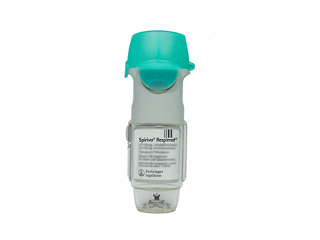
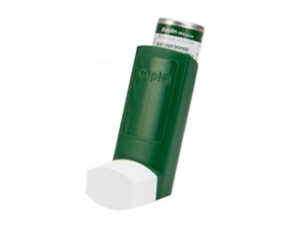
| How it’s taken | Inhalation using device (e.g., HandiHaler/Respimat depending on brand) |
| Typical dosing frequency | Often once daily (device/brand dependent) |
| Onset and duration | Improves airflow and helps control symptoms over the day |
| Key precautions | Anticholinergic effects; seek urgent care for severe eye symptoms or breathing worsening |
What tiotropium bromide is used for
Tiotropium bromide is intended for long-term symptom control and improving lung function. It helps reduce breathlessness and can lower the likelihood of COPD flare-ups in many patients.
Indications (typical medical uses)
- COPD (chronic obstructive pulmonary disease): Maintenance bronchodilator therapy to relieve symptoms and improve quality of life.
- Asthma (selected add-on use): In some people, tiotropium may be used as an add-on bronchodilator to help with asthma control when symptoms persist despite other therapies. (Exact eligibility depends on local clinical guidelines and individual assessment.)
Important: Tiotropium is a controller-type inhaler and is not a substitute for fast-acting “reliever” medicines during sudden attacks of breathlessness.
Mechanism of action (how it works)
Tiotropium bromide belongs to a group of medicines called antimuscarinic agents (also known as anticholinergics). It blocks muscarinic receptors in the airways—particularly the M3 receptors—reducing the effect of acetylcholine (a natural chemical that can tighten airway muscles).
- Bronchodilation: Helps widen the airways for easier airflow.
- Reduced airway constriction: Less “tightening” of bronchial smooth muscle.
- Longer duration: Tiotropium has a long-lasting receptor-binding effect in lung tissue, supporting once-daily dosing in many formulations.
Pharmacokinetics (absorption, distribution, metabolism, elimination)
Because tiotropium is inhaled, the majority of its clinical effect is in the lungs. Key pharmacokinetic characteristics can vary depending on the inhaler type and technique.
Absorption
- After inhalation, some of the delivered dose reaches the lungs; the remainder may deposit in the mouth or throat and be swallowed.
- Systemic absorption occurs mainly through the lungs and, to a lesser extent, via swallowed material.
Distribution
- Tiotropium is distributed in the body and is present in the bloodstream at low to moderate levels after inhalation.
- It has a relatively strong and persistent binding to muscarinic receptors in the lungs.
Metabolism
- Tiotropium is not extensively metabolised.
- Any metabolism that occurs contributes only a small proportion to overall clearance.
Elimination
- Most of the drug is eliminated by the kidneys.
- This is especially relevant for people with kidney impairment, where careful assessment may be required.
Typical timing and how to take it
Tiotropium is usually taken once daily as a maintenance inhaler. The exact timing depends on your specific inhaler and dose strength.
Best time to take your dose
- Choose a time you can remember every day (e.g., morning or evening).
- Taking it at the same time each day can support consistent symptom control.
If you miss a dose
- Take it as soon as you remember if it’s the same day.
- If it is close to your next dose, skip the missed dose and continue as normal.
- Do not take extra doses to make up for a missed one.
Reliever medicines
If you have COPD or asthma, you may also be prescribed a reliever (fast-acting) inhaler such as a short-acting bronchodilator. Tiotropium is not intended for sudden relief of acute symptoms.
Food interactions
Tiotropium bromide is administered by inhalation and is not generally associated with clinically significant interactions with food.
- Typical advice: You can usually take your inhaler with or without food.
- Practical note: If your inhaler technique causes medicine to deposit in the mouth or throat, rinsing with water and spitting (if appropriate for your device) may help reduce throat irritation.
Alcohol and medicine interactions
Alcohol
There are generally no direct, well-established interactions between alcohol and tiotropium. However, alcohol can worsen breathing for some people with COPD or asthma by affecting sleep, airway inflammation, or medication adherence.
- Use alcohol cautiously, especially if you experience breathlessness when drinking.
- Avoid drinking heavily and seek medical advice if alcohol seems to trigger symptoms.
Other medicines (common interaction considerations)
Tiotropium’s anticholinergic properties can potentially add to effects from other medicines that have similar actions.
- Other anticholinergics: Using multiple anticholinergic inhalers together may increase the risk of side effects (e.g., dry mouth, constipation, urinary difficulty). Do not combine treatments unless advised by a clinician.
- Medicines affecting urine flow: Tell your clinician if you have prostate enlargement or urinary retention history.
- Glaucoma (especially narrow-angle): Eye-related anticholinergic effects can be important. Inform your healthcare professional if you have glaucoma.
- Other inhaled bronchodilators: Tiotropium is often used together with other inhaled medicines such as corticosteroids or long-acting bronchodilators, but the specific regimen should be individualised.
Always inform your healthcare provider or pharmacist about all medicines you use, including inhalers, tablets, eye drops, and over-the-counter products.
Dosing (typical adult use)
Dose varies depending on the inhaler type and formulation. The information below is a general guide; follow the dosing instructions specific to your product and clinician’s advice.
General dosing principles
- Tiotropium bromide is commonly dosed once daily for maintenance therapy.
- Do not change dose frequency without advice.
- Use the correct inhaler device and follow step-by-step instructions for that device.
Common adult dosing patterns (device-dependent)
Many tiotropium products are marketed in formulations that deliver a once-daily dose. Your pharmacist can confirm the exact strength and schedule for the specific brand you purchase.
- Once-daily maintenance: Typically taken at the same time each day.
- As-needed reliever: Still typically required for sudden symptoms, depending on your overall COPD/asthma plan.
If you are unsure about your dose, check the label or ask a pharmacist. Inhaler delivery differs between devices, so using the wrong technique or switching device types without guidance can affect how much medicine reaches the lungs.
Practical use tips (to get the best results)
Most tiotropium-related treatment failures come from incorrect inhaler technique or inconsistent use. Below are practical tips that often help.
Inhaler technique essentials
- Use the correct device for your product (e.g., different mechanisms for different brands).
- Prime or prepare the device exactly as instructed (some devices require loading or cartridge insertion).
- Breathe out fully away from the mouthpiece before inhaling (where appropriate for your device).
- Inhale steadily and deeply, then hold your breath briefly (as advised for your device) to improve lung deposition.
- Close/clean the device according to instructions.
Rinse to reduce irritation
Some inhalers can leave medicine in the mouth. For certain patients, rinsing after use (and spitting out) can help minimise throat irritation. Follow product-specific instructions.
Know when to seek urgent care
- Breathing suddenly worsens or reliever medicine is not helping as expected.
- New wheezing, chest tightness, or severe shortness of breath occurs.
- You develop signs of an allergic reaction (e.g., facial swelling, hives, difficulty breathing).
Safety profile and side effects
Like all medicines, tiotropium bromide can cause side effects. Many people tolerate it well, especially when used correctly. Report troublesome or persistent adverse effects to your pharmacist or clinician.
Common side effects
- Dry mouth
- Throat irritation or mild cough
- Constipation or gastrointestinal discomfort
- Headache
Less common but important risks (anticholinergic effects)
- Blurred vision or eye pain if mist gets into the eyes (seek advice promptly)
- Difficulty urinating (particularly in people with urinary retention or prostate enlargement)
- Heart rhythm symptoms are uncommon; seek advice if you experience palpitations or dizziness
Eye safety (important)
Inhaled medications may accidentally reach the eyes for some people. If you develop eye pain, halos around lights, or significant blurred vision, stop and seek urgent medical advice.
Who should be extra cautious
- People with narrow-angle glaucoma
- People with urinary retention or significant prostate problems
- People with kidney impairment (because tiotropium is eliminated by the kidneys)
- Older adults, who may be more sensitive to anticholinergic side effects
Alternative options
Tiotropium is one of several maintenance bronchodilator options. Depending on your diagnosis and symptom severity, alternative therapies may include:
Other long-acting bronchodilators
- Long-acting beta2-agonists (LABAs) (e.g., salmeterol, formoterol—sometimes combined with steroids)
- Other long-acting antimuscarinics (e.g., glycopyrronium, umeclidinium)
- Combination inhalers (e.g., LABA + LAMA, LABA + ICS, depending on condition)
Inhaled corticosteroids (where appropriate)
- For asthma or for some COPD patients with frequent exacerbations, inhaled corticosteroids may be added to reduce inflammation.
The best alternative depends on your condition, inhaler preference, frequency of symptoms, lung function, exacerbation history, and side effect profile.
Market and legal context for Australia
In Australia, inhaled medicines are supplied through pharmacy channels under regulatory oversight. Product availability, brand names, and device types can vary by formulation. Supply may involve different packaging and inhaler systems that are designed to ensure reliable delivery to the lungs.
Key points for Australian consumers:
- Ask your pharmacist to confirm the correct device type and instructions for the specific brand you receive.
- Follow labelling and local guidance for COPD and asthma management.
- If you are purchasing online, ensure the pharmacy is reputable and provides appropriate product and delivery information.
Because asthma and COPD treatment plans can differ widely between individuals, medicines are selected based on diagnosis, severity, and response to therapy.
Recent guidance and clinical positioning (Australia)
Clinical practice in Australia is guided by consensus and guideline updates from relevant respiratory and primary care bodies. In general, current management strategies emphasise:
- Maintenance bronchodilation for symptom control in COPD.
- Stepwise therapy in asthma, often starting with controller therapy and escalating based on symptoms and risk.
- Correct inhaler technique and regular review of symptom control.
- Reducing exacerbation risk using appropriate combinations of medicines when needed.
Tiotropium is positioned as an effective long-acting antimuscarinic therapy for many people needing maintenance bronchodilation.
Delivery and availability
Availability of tiotropium bromide varies depending on brand and inhaler device. For online ordering in Australia, delivery timelines and costs depend on the supplier and shipping location.
What you can expect when ordering
- Product verification: Ensure the box and device match your intended inhaler type.
- Instructions: Look for device-specific instructions inside the packaging or provided with the product.
- Delivery status: Many pharmacies provide tracking updates for shipping.
If you need help choosing the correct device or want to confirm compatibility with your current routine, contact the pharmacy team before dispatch where possible.
FAQ
1) Is tiotropium bromide a reliever or a preventer?
Tiotropium bromide is a maintenance (controller) medicine. It helps prevent and reduce ongoing symptoms, but it is not designed for rapid relief during sudden breathlessness. Use your prescribed reliever for acute symptoms.
2) How quickly will it work?
Many people notice symptom improvement within hours to days, with ongoing benefits over time. The exact time to noticeable effect can vary depending on your condition and inhaler technique.
3) Can I use tiotropium if I also use other inhalers?
Often yes. Tiotropium may be used alongside other inhaled medicines (for example, relievers, inhaled corticosteroids, or LABAs) depending on your treatment plan. Avoid combining multiple anticholinergic inhalers unless instructed.
4) What if medicine tastes bitter or irritates my throat?
A bitter taste and mild throat irritation can occur if some medicine deposits in the mouth. Rinsing with water and spitting (if appropriate for your device) and improving technique can help. If irritation is persistent, consult your pharmacist.
5) Can I take it with food?
Yes. Tiotropium is inhaled and food interactions are generally not clinically significant.
6) Is it safe for people with kidney problems?
Because tiotropium is eliminated by the kidneys, caution may be needed in people with kidney impairment. Your healthcare professional can advise based on your kidney function and overall treatment.
7) What should I do if I accidentally get it in my eyes?
If mist contacts your eyes and you develop eye pain, redness, blurred vision, or halos around lights, seek urgent medical advice. Ensure your inhaler technique minimises eye exposure.
8) Are side effects common?
Many side effects are mild and relate to anticholinergic effects (such as dry mouth). Not everyone gets side effects. Seek medical advice if side effects are severe, persistent, or concerning.
9) Can I drink alcohol while using tiotropium?
There is usually no direct interaction. However, alcohol may worsen breathing in some people with COPD or asthma or make symptoms more noticeable, so drink cautiously.
10) How should I store tiotropium?
Store according to the product label (commonly at controlled room temperature and away from moisture/heat). Keep devices closed and maintain cleanliness as instructed.
Need help? If you want confirmation of correct dosing, inhaler technique, or whether tiotropium fits your current COPD/asthma plan, speak with a pharmacist. Proper use is essential for best results.