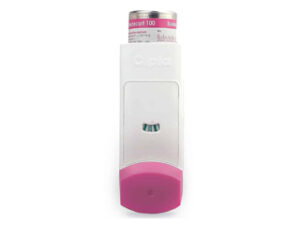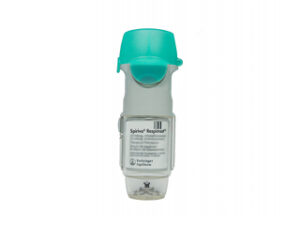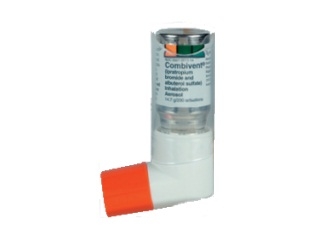

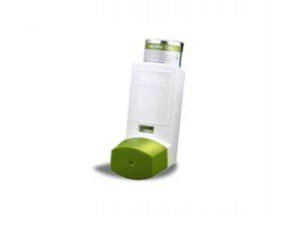
Combivent (Levosalbutamol + Ipratropium bromide) – Patient Information (Australia)
Combivent is a combination inhaler medicine containing:
- Levosalbutamol (a fast-acting bronchodilator, related to salbutamol/albuterol)
- Ipratropium bromide (an anticholinergic bronchodilator)
This medicine is used to relieve breathing difficulties in conditions such as COPD (chronic obstructive pulmonary disease) and sometimes asthma depending on individual circumstances and clinician advice. It works in the airways to help open them and improve airflow.
Basic product information
| Feature | Details |
|---|---|
| Active ingredients | Levosalbutamol + Ipratropium bromide |
| Medicine type | Inhaled bronchodilator combination (beta2 agonist + anticholinergic) |
| Main purpose | Relieves symptoms by improving airflow |
| Common conditions | COPD (and selected asthma situations) |
| Route of administration | Inhalation (via inhaler) |
Important note: Different Combivent inhalers or formulations may exist. Always follow the product label and the inhaler instructions provided with your specific device.
How Combivent works (mechanism of action)
Breathing problems in COPD and some asthma conditions are commonly linked to airway narrowing. Combivent uses two medicines with complementary actions:
-
Levosalbutamol (beta2 agonist): Relaxes the smooth muscle around the airways. This helps the airways widen and makes it easier to move air in and out.
-
Ipratropium bromide (anticholinergic): Blocks muscarinic receptors (M3) in the airways. This reduces “cholinergic” bronchoconstriction and mucus-related narrowing, helping to keep airways open for longer.
Together, the combination can provide more symptom relief than either medicine alone, especially when symptoms persist or are triggered by airway spasm and mucus.
When Combivent is typically used
Combivent is commonly used for:
- COPD: Relief of breathlessness and wheeze, particularly in people who benefit from a combined bronchodilator approach.
- Asthma (selected cases): Sometimes used when a doctor considers an add-on combination inhaler appropriate. It is not a substitute for preventive (controller) therapy.
Not for all situations: Combivent is designed to ease symptoms. It does not treat the underlying inflammation that many people with asthma experience. In COPD, it does not replace long-term management plans.
How quickly it works and timing
Because Combivent is inhaled, it generally starts working quickly:
- Onset: Many people feel effects within minutes.
- Duration: The combination aims to provide relief for several hours, depending on the person, inhaler technique, and disease severity.
Practical timing tips:
- Use it at the times advised for your condition (for example, when symptoms flare or as a regular schedule if prescribed).
- If you need it frequently to control symptoms, speak with a healthcare professional—your plan may need review.
- Keep track of how often you use it. Frequent use can indicate inadequate control.
Pharmacokinetics (how the body handles it)
Pharmacokinetics refers to what happens after inhalation—absorption, distribution, metabolism, and elimination.
Levosalbutamol
- Absorption: After inhalation, levosalbutamol deposits in the airways and is partly absorbed through the lungs and, to a lesser extent, swallowed from the mouth/throat.
- Metabolism: It is metabolised primarily in the body.
- Elimination: Metabolites are mainly eliminated by the kidneys (urine).
Ipratropium bromide
- Absorption: Inhaled ipratropium acts mainly locally in the airways. Some swallowed fraction may occur.
- Metabolism: It is metabolised to less active compounds.
- Elimination: It is eliminated mainly via the kidneys.
Clinical implication: Because it is inhaled, the intended effect is local bronchodilation in the lungs, with limited systemic effects for most people when used correctly.
Food interactions
Food interactions are generally not expected with inhaled bronchodilators like Combivent, because the medicine is delivered directly to the airways. However:
- If you experience nausea or throat irritation, try inhaling before a meal or after you finish eating, based on comfort.
- Ensure good oral technique and rinse your mouth if recommended for your inhaler (this may help with oral irritation).
General advice: You can usually take your normal meals as usual.
Alcohol interactions
There is no specific, widely established direct interaction between alcohol and Combivent in the way there might be for some oral medicines. However, alcohol may worsen breathing in some people by affecting sleep quality, increasing reflux, or worsening dehydration.
- Use caution if alcohol triggers your breathlessness or makes you feel unwell.
- Seek urgent help if you experience severe symptoms after alcohol—especially if your breathing becomes suddenly worse.
Medicine interactions (important)
Interactions depend on your other medicines and medical history. Always tell your healthcare professional about all medicines you use, including inhalers, tablets, herbal products, and supplements.
Key interaction areas
-
Other inhaled beta2 agonists: Using multiple bronchodilators can increase the risk of side effects such as tremor or fast heart rate.
-
Beta-blocker medicines: Some beta-blockers (commonly used for heart conditions) can reduce the effect of beta2 agonists. Discuss if you take medicines like propranolol or similar.
-
Anticholinergic medicines: Combining ipratropium with other anticholinergic drugs may increase dry mouth or urinary retention risk.
-
Diuretics and corticosteroids: In certain situations, they may contribute to low potassium, and beta2 agonists can also influence potassium levels. This matters more in people on high doses or with specific heart conditions.
-
Digoxin and rhythm medicines: Changes in potassium may affect heart rhythm. If you take digoxin or anti-arrhythmic medicines, it is especially important to get personalised advice.
Practical takeaway: Don’t start, stop, or combine inhalers without guidance. If you’re unsure, ask your pharmacist.
Dosing (general guidance)
Dosing is individual and depends on the inhaler type and the condition being treated. Always follow the instructions on the pack and the regimen advised by your healthcare professional.
Typical dosing approach (general):
- For many people, Combivent is used multiple times per day or as symptoms require, depending on their plan.
- Do not exceed the maximum daily dose stated on the product label.
Missed dose: If you miss a scheduled dose, take it when you remember unless it is close to the next dose. Do not double.
Stop and get help: If you feel you must use it much more often than usual, or if symptoms are not improving, seek medical advice promptly.
Indications (what it treats)
Combivent is indicated for bronchodilation to improve symptoms related to:
- COPD (including breathlessness, wheeze, and airflow limitation)
- Some asthma-related airflow symptoms when a combined bronchodilator is considered appropriate as part of the overall management plan
It is not intended as the only treatment for:
- Severe asthma inflammation or prevention of asthma attacks (inhaled corticosteroids are often needed for control)
- Sudden severe attacks where emergency treatment may be required
Safety profile and side effects
Most medicines can cause side effects. Many people using Combivent experience mild effects that settle with time, especially when used correctly.
Common side effects
- Tremor or shakiness
- Headache
- Nervousness
- Dry mouth
- Sore throat or throat irritation
- Palpitations (awareness of heartbeat)
- Cough or mild airway irritation immediately after inhaling
Less common but important effects
- Fast heart rate (tachycardia)
- Chest discomfort
- Raised blood pressure in some individuals
- Muscle cramps (occasionally related to potassium changes)
- Increased eye pressure symptoms (rare, but important in susceptible people)
Seek urgent medical help if you notice
- Severe or worsening breathing difficulty after using the inhaler
- Signs of allergy (swelling of face/lips/tongue, hives, severe rash)
- Severe chest pain or fainting
- Sudden eye pain, blurred vision, or halos around lights (possible acute angle-closure glaucoma; rare but urgent)
Special populations
- Heart conditions or fast heart rate: Beta2 agonist effects may be more noticeable. Monitoring may be needed.
- Glaucoma or urinary retention/prostate issues: Anticholinergic effects can worsen symptoms in some people.
- Pregnancy and breastfeeding: Discuss risks and benefits with a clinician. Inhaled bronchodilators may be used when benefits outweigh risks.
- Children: Use depends on age, diagnosis, and inhaler suitability; dosing and appropriateness should be determined by a healthcare professional.
Practical use tips (to get the best results)
Correct inhaler technique is critical. Poor technique may cause medicine to deposit in the mouth/throat rather than the lungs, reducing benefit and increasing side effects.
General technique considerations
- Shake the inhaler if your device requires it (some inhalers are shaken; others are not—check your instructions).
- Make sure you can exhale fully before inhaling the dose.
- Start inhaling slowly at the same time as you release the dose (for press-and-breathe inhalers).
- Hold your breath for a few seconds (if comfortable) to let medicine settle in the airways.
- If you use more than one puff, follow the spacing instructions on your product label.
Reducing throat irritation
- Some people benefit from rinsing or gently gargling with water after use and then spitting out (unless your label advises otherwise).
- Check that you’re not inhaling too fast—this can increase deposition in the mouth.
Use a spacer if recommended
If your device and condition allow, a spacer may improve delivery and reduce throat deposition. Ask your pharmacist whether a spacer is appropriate for your exact inhaler type.
Monitor your response
- Track symptom relief (breathlessness, wheeze, ability to exercise).
- If you are not getting expected relief, do not keep repeating doses beyond the label—review technique and treatment plan.
What to do if symptoms worsen
Combivent helps relieve airway narrowing, but sometimes symptoms can escalate due to infection, allergies, pollution exposure, or inadequate baseline treatment.
- If your breathing worsens despite using your inhaler as directed, seek prompt medical advice.
- If you have severe shortness of breath, cyanosis (bluish lips), confusion, or you cannot speak full sentences, call emergency services immediately.
Alternative options
Your best alternative depends on your diagnosis (COPD vs asthma), symptom severity, and what you respond to. Common categories include:
- Short-acting bronchodilators
- Short-acting beta2 agonists (e.g., salbutamol)
- Short-acting anticholinergics (e.g., ipratropium alone)
- Maintenance inhalers for COPD
- Long-acting beta2 agonists (LABAs)
- Long-acting muscarinic antagonists (LAMAs)
- Combination LABA/LAMA inhalers
- In selected cases, triple therapy including an inhaled corticosteroid (ICS)
- Maintenance inhalers for asthma
- Inhaled corticosteroids (ICS) as controllers
- ICS/LABA combination inhalers
When considering alternatives: Ask about differences in onset, duration, device type (pMDI vs DPI vs nebuliser), and side effect profiles. Switching without a plan can lead to poor control.
Market and legal context in Australia
In Australia, inhaled medicines are regulated under the Therapeutic Goods Administration (TGA) framework. Medicines are supplied according to their approved indications and packaging. Availability, strengths, and formats can differ by manufacturer and product line.
Pharmacy dispensing practices follow applicable Australian healthcare requirements, including restrictions based on product classification and safety considerations. Always ensure you use the inhaler that matches the instructions and dosage on the current pack.
Pharmacist support: Australian community pharmacies can help with inhaler technique checks, device selection, and advice about managing side effects and interactions.
Recent guidance and clinical considerations (general)
Clinical guidance for COPD and asthma commonly emphasises:
- Using bronchodilators correctly (right technique, right frequency)
- Optimising long-term control rather than relying only on reliever inhalers
- Regular review of inhaler use, symptom frequency, and risk factors (smoking cessation, vaccination, pulmonary rehabilitation for COPD when appropriate)
- Assessing adherence and technique before escalating therapy
If you find you’re needing your reliever more often, it usually means your condition may not be fully controlled—review with a clinician is recommended.
Delivery, availability, and how to order online (Australia)
Combivent availability can vary by region and supplier. When ordering online from an Australian pharmacy, you can typically expect:
- Product verification: The correct strength and inhaler type matched to the listing.
- Careful packaging: Inhalers are usually shipped in protective cartons to reduce damage risk.
- Delivery timeframes: Dependent on your location and dispatch times. Trackable delivery is often available.
Delivery considerations: If you need the medicine urgently, check the estimated dispatch and delivery windows on the website and ensure your delivery address is correct.
Storage: Keep your inhaler as directed on the pack. Generally, inhalers should be stored away from extreme heat and direct sunlight.
FAQ – Combivent (Levosalbutamol / Ipratropium bromide)
1) What is Combivent used for?
Combivent is used to improve airflow and relieve breathing symptoms in conditions such as COPD, and in some cases asthma, as part of an overall treatment plan.
2) How fast will Combivent work?
Many people notice improvement within minutes after inhaling. Relief typically lasts for several hours, but this varies between individuals.
3) Is Combivent a preventer inhaler?
No. Combivent is mainly a reliever/bronchodilator medicine. People with asthma often require inhaled corticosteroids or other controller therapy to prevent attacks.
4) Can I use Combivent with other inhalers?
Often yes, but it depends on what other inhalers you use (for example, preventer vs reliever, and whether you’re already using another beta2 agonist or anticholinergic). Ask a pharmacist if you’re unsure.
5) What if I need it more often than usual?
Increased need can mean your condition is not well controlled or something has triggered symptoms. Review your inhaler plan promptly with a healthcare professional rather than increasing doses beyond the label.
6) Can I take Combivent if I have heart disease?
Some people with heart conditions can still use inhalers, but beta2 agonist effects may cause palpitations or fast heart rate. Discuss your history with your pharmacist or doctor.
7) Will food affect Combivent?
Food interactions are generally not expected with inhaled medicines. If you get throat irritation, you may prefer to use it at times that suit your comfort.
8) Does alcohol interact with Combivent?
There is no common, direct interaction known for inhaled Combivent, but alcohol may still worsen breathing for some people. Use caution and seek help if symptoms worsen.
9) I get dry mouth—what can I do?
Dry mouth is a known anticholinergic effect. You can try sipping water, good oral hygiene, and ensuring correct inhaler technique. If it becomes troublesome or you have urinary symptoms, speak with your pharmacist.
10) How do I know my inhaler technique is correct?
The best check is a hands-on technique review. Many Australian pharmacies can help you practice steps and assess timing, breath, and coordination.
11) When should I seek urgent care?
Seek urgent help if you experience severe breathing difficulty, allergy symptoms, fainting, severe chest pain, or sudden eye symptoms such as severe pain or blurred vision.
12) What are the common alternatives?
Alternatives vary by condition and may include single-agent inhalers (beta2 agonists or anticholinergics) or maintenance inhalers (LABA, LAMA, ICS-based options). A clinician can help choose based on your symptoms and lung function.
Disclaimer: This information is intended as a patient-friendly overview. Always read your specific product label and follow professional advice tailored to your medical condition.