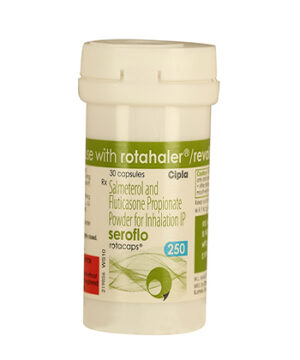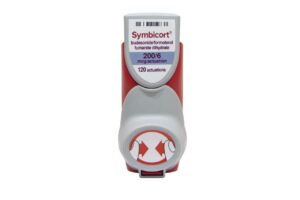


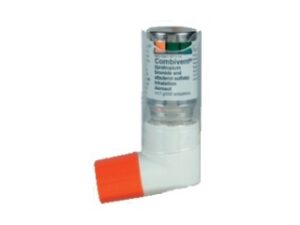
Combimist L Inhaler (Australian Product Description)
Combimist L Inhaler is an inhaled medicine used to help manage certain long-term breathing conditions. It delivers medicine directly to the lungs, which can improve symptom control and reduce the need for rescue medication when used as directed by your healthcare professional.
This page is designed to be patient-friendly and provides general information about how Combimist L Inhaler works, when it’s used, how to take it correctly, and key safety considerations in Australia.
Quick Facts
- Medicine type: Inhaled combination therapy
- How it works: Bronchodilation and reduced airway inflammation
- Typical use: Ongoing control of symptoms in chronic respiratory conditions
- Where it acts: Airways and lungs
- Common form: Metered-dose inhaler (MDI) or similar device (follow your pack instructions)
Note: Product presentation and inhaler device details can vary. Always check your specific pack for instructions and confirm the correct use technique.
Basic Product Information
| Category | Details |
|---|---|
| Product name | Combimist L Inhaler |
| Common purpose | Long-term symptom control for obstructive airway disease |
| Route of administration | Inhalation (delivered to lungs) |
| Typical dosing frequency | Often 1–2 times daily for maintenance (device and strength vary) |
| Key safety points | Inhalation technique matters; rinse mouth if it contains a steroid component |
What is Combimist L Inhaler Used For?
Combimist L Inhaler is generally used to treat chronic airway conditions such as:
- Asthma (helping control day-to-day symptoms and reducing flare-ups)
- Chronic obstructive pulmonary disease (COPD) in appropriate patients (used for maintenance symptom control)
Your exact suitability depends on your diagnosis, symptom pattern, and prior inhaler response. If you have been given Combimist L, it’s usually part of a broader asthma or COPD management plan.
Mechanism of Action (How It Works)
The inhaler is called “combimist” because it typically combines more than one type of medicine to target different aspects of airway problems.
Although the exact ingredient strengths can vary by product presentation, combination inhalers used for asthma/COPD commonly work through two main mechanisms:
- Bronchodilation (relaxing airway muscles): Helps open narrowed airways so air can move more freely. This can reduce wheeze, chest tightness, and shortness of breath.
- Anti-inflammatory action (reducing swelling in airways): Helps control airway inflammation that contributes to symptoms and exacerbations over time.
When used regularly, combination therapy can provide steadier control compared with using a single medicine type alone.
Pharmacokinetics (Absorption, Distribution, Metabolism, Elimination)
Pharmacokinetics describes what happens to medicine in the body. With inhaled therapy, much of the benefit comes from local effects in the lungs, though some portion may be absorbed into the bloodstream.
- Absorption: Most of the medicine acts locally in the airways. A smaller amount may be swallowed and then absorbed through the gut.
- Onset of effect: Some bronchodilator components can begin working relatively quickly, while anti-inflammatory benefits may take days to weeks to reach full effect.
- Distribution: Systemic distribution occurs after absorption; however, inhaled doses are designed to keep overall exposure as low as possible while improving lung delivery.
- Metabolism: Many components are metabolised by the liver (pathways vary by ingredient).
- Elimination: Metabolites and/or active compounds are eliminated primarily through the kidneys and/or bile.
If you have kidney or liver disease, it can affect how medicines are handled by your body. Your pharmacist or doctor can advise based on your circumstances.
Typical Use and When to Take It
Combimist L Inhaler is usually used as maintenance therapy—meaning it’s taken regularly to keep symptoms under control.
Timing
- Consistency matters: Take your inhaler at the same times each day if you’re on a twice-daily schedule.
- Morning and evening: Many patients use it in the morning and evening to maintain steady lung control.
- Follow your action plan: If you have an asthma action plan or COPD plan, align your inhaler timing with those instructions.
How long does it take to work?
- Relief of breathlessness/wheeze: may improve sooner due to bronchodilator effects.
- Reduced inflammation and fewer flare-ups: typically builds over time with regular use.
Indications (When It’s Appropriate)
Combimist L Inhaler may be recommended for people who need:
- Ongoing control of asthma symptoms such as wheeze, coughing, breathlessness, and night-time waking
- Prevention of exacerbations (flare-ups) in asthma or COPD
- Maintenance treatment when symptoms are not adequately controlled with simpler regimens
It is not intended to replace emergency treatment for severe attacks. If you experience severe symptoms, follow your emergency plan and seek urgent medical help.
Dose and Administration (General Guidance)
Dosing can vary depending on the exact Combimist L strength and whether it’s used for asthma or COPD. Always follow the directions provided with your inhaler.
Typical dosing patterns
- Common maintenance schedules: often 1–2 times daily.
- Do not change dose without advice: Increasing or stopping suddenly may worsen control.
How to use your inhaler correctly
Proper technique helps ensure medicine reaches the lungs rather than staying in the mouth or throat.
- Step 1: Prepare the device (check whether it needs shaking or priming; follow your pack instructions).
- Step 2: Breathe out fully away from the mouthpiece.
- Step 3: Seal your lips around the mouthpiece (or use the spacer if recommended).
- Step 4: Start inhaling slowly and press the canister (if your device is an MDI) at the start of the breath.
- Step 5: Continue breathing in steadily and deeply.
- Step 6: Hold your breath for about 5–10 seconds (or as comfortable).
- Step 7: Breathe out slowly.
- Step 8: If a second puff is prescribed, wait about 30–60 seconds and repeat.
Rinse your mouth
If your inhaler contains a steroid component (common in many combination inhalers), rinse your mouth with water and spit it out after each dose. This helps reduce the risk of oral thrush and hoarseness.
Food Interactions
Because Combimist L is delivered by inhalation, food interactions are usually minimal. However, swallowed medicine from inhaler use may be affected slightly by the digestive process.
- Timing with meals: Most people can take it with or without food.
- Oral symptoms: If you notice nausea or irritation after dosing, taking it before meals or with a snack may help, but follow your healthcare advice.
If you experience unusual side effects, discuss them with your pharmacist.
Alcohol and Medicine Interactions
Alcohol
Moderate alcohol may not directly interact with inhaled bronchodilator or anti-inflammatory components. However, alcohol can worsen breathing comfort in some people and may increase dizziness or interfere with symptom awareness.
- Asthma/COPD patients: Alcohol may trigger reflux or worsen sleep—both can affect breathing.
- Safety: If you notice increased breathlessness after drinking, avoid alcohol and consult your doctor.
Medicine interactions
Interactions depend on the exact ingredients within Combimist L and your other medicines. Tell your doctor or pharmacist about all medicines you use, including:
- Other inhalers (including reliever/rescue inhalers)
- Oral steroids
- Beta-blocker medicines (used for heart conditions, some eye drops for glaucoma)
- Diuretics (may affect potassium levels, especially with some bronchodilators)
- Antibiotics/antifungals (may affect metabolism of some inhaler components)
- Antidepressants or other cardiovascular medicines
Your pharmacist can check potential interactions based on your specific Combimist L product and your medication list.
Safety Profile: Side Effects and When to Seek Help
Like all medicines, Combimist L Inhaler can cause side effects. Many are mild and improve as your body adjusts. Others require urgent attention.
Common side effects
- Throat irritation or cough after inhaling
- Hoarseness or voice changes
- Oral thrush (especially if mouth is not rinsed after steroid-containing inhalers)
- Headache
- Palpitations or mild tremor
- Nervousness or jittery feeling
Less common but important side effects
- Low potassium (more likely with higher doses of certain bronchodilators, especially if taking diuretics)
- Raised blood sugar (more relevant with steroid components, especially in diabetes)
- Eye effects with long-term steroid exposure (e.g., cataracts, glaucoma—discuss if you use inhaled steroids for long periods)
- Infections (thrush or other mouth/throat infections)
Seek urgent medical help if
- Your breathing worsens rapidly or you have severe breathlessness
- You need your reliever medicine much more often than usual
- You experience swelling of the face, lips, tongue, or difficulty swallowing (possible allergy)
- You have chest pain, fainting, or severe palpitations
If you ever feel unsure about symptoms, contact a healthcare professional or local emergency services.
Practical Use Tips for Better Control
- Use a spacer if recommended: Spacers can improve delivery to the lungs and reduce throat deposition, often improving comfort and effectiveness.
- Check inhaler technique regularly: Many people drift from correct technique over time—ask your pharmacist to observe you.
- Don’t stop suddenly: If you feel better, continuing prevents relapse. Only change therapy on professional advice.
- Track symptoms: Consider noting day-time symptoms, night-time waking, reliever use, and triggers.
- Know your triggers: Common asthma triggers include dust, smoke, pollen, cold air, and viral infections.
- Keep devices clean: Follow cleaning instructions to avoid blockages and inaccurate dosing.
- Store correctly: Keep away from heat, direct sunlight, and moisture. Ensure safe storage out of reach of children.
Missed Dose
If you miss a dose, take it when you remember unless it is near the time of the next dose. Do not double up.
For personal guidance on what to do after a missed dose, speak with your pharmacist or check the specific consumer medicine information provided with your product.
Alternative Options
Depending on your diagnosis (asthma vs COPD), severity, and previous response, your clinician may consider other treatment options. Alternatives may include:
- Single-inhaler maintenance therapies (different combinations of bronchodilators and inhaled steroids)
- Inhaled bronchodilators alone for some COPD regimens
- Different inhaler devices (e.g., dry powder inhalers) that may suit your technique better
- Adjunct treatments for asthma (for example, other add-on controller medicines in specific cases)
If you’re interested in switching options, discuss it with your healthcare provider. Small differences in device type and dosing frequency can affect effectiveness.
Combimist L Inhaler in the Australian Market: Legal and Guidance Context
In Australia, inhaled respiratory medicines are widely used for asthma and COPD, and safe use is supported by national clinical guidance and pharmacist-led education.
- Regulation: Medicines available in Australia must meet regulatory standards administered through the Therapeutic Goods Administration (TGA).
- Guidance: Clinical recommendations for asthma and COPD are supported by Australian bodies (e.g., in asthma care, evidence-based action plans and stepwise therapy are commonly used).
- Inhaler technique: Australian community pharmacies commonly provide inhaler technique checks to reduce preventable errors.
Recent guidance trends in Australia have emphasised:
- Optimising inhaler technique and adherence
- Regular review of symptoms and action plans
- Reducing preventable exacerbations through appropriate controller use
- Encouraging smoke-free environments and management of triggers
Your local pharmacist can also advise on device use and help you understand how to fit your inhaler into your overall care plan.
Delivery and Availability (Online Pharmacy)
Combimist L Inhaler may be available through online pharmacies across Australia subject to stock availability, ordering cut-off times, and delivery regions.
- Processing times: orders are typically packed and dispatched within business hours
- Delivery service: standard and express delivery options may be offered
- Product checks: reputable online pharmacies verify product authenticity and packaging condition
- Cold chain: inhalers usually do not require cold-chain shipping, but storage instructions still apply
If you need your inhaler urgently, contact customer support to confirm dispatch timing and delivery coverage.
FAQ: Common Questions About Combimist L Inhaler
1. Is Combimist L Inhaler a reliever or preventer?
Combimist L Inhaler is generally used as a controller/maintenance inhaler to keep symptoms under control. It is not intended to replace your reliever medicine for sudden symptoms. Always follow the specific plan given to you.
2. Why do I still feel breathless even though I use Combimist L?
Several reasons are possible: inhaler technique may need adjustment, the dose may not be correct for your current severity, symptoms may be triggered by something ongoing (infection, smoke, allergens), or you may need additional assessment. Review your technique with your pharmacist and monitor symptom changes.
3. Can I use Combimist L if I’m sick (e.g., with a cold or flu)?
Many people continue controller inhalers during respiratory infections. However, infections can cause flare-ups. If your breathing worsens or you need reliever use more than usual, seek medical advice promptly.
4. How do I know my inhaler is working?
Signs that it’s helping include improved day-to-day symptoms, fewer night-time awakenings, reduced need for reliever medication, and fewer flare-ups. If there’s no improvement over time, reassessment is recommended.
5. What should I do if I get thrush or a sore mouth?
Rinse your mouth and spit after each dose. If symptoms persist or you develop patches in the mouth, consult your pharmacist or doctor. Early treatment of thrush is important.
6. Can I stop Combimist L once I feel better?
Controller inhalers are usually meant for ongoing use. Stopping suddenly can lead to symptom return. If you want to review ongoing need, discuss it with your healthcare professional.
7. Is it safe to use with other inhalers?
Many patients use more than one inhaler type as part of an asthma/COPD plan. However, the timing and necessity depend on your regimen. Avoid overlapping unless you’ve been instructed to do so.
8. How should I store Combimist L Inhaler?
Store in a cool, dry place away from direct sunlight and moisture. Keep out of reach of children. Do not puncture or burn the canister (if your device is an MDI) and avoid exposing it to high temperatures.
9. Are there any long-term risks?
Inhaled combination therapy is widely used long-term. In general, risks are lower than long-term oral steroid use, but inhaled steroids can still contribute to side effects in some people (such as oral thrush or rare eye-related effects). Regular review helps balance benefits and risks.
10. Who should not use Combimist L without professional advice?
If you have a history of severe allergies to inhaled medicines, significant heart rhythm problems, or complex medical conditions, discuss suitability with your healthcare professional before starting or changing therapy.
Important Reminder
Correct inhaler technique and consistent use are key to getting the most from Combimist L Inhaler. If you’re unsure about how to use your device, ask your pharmacist to demonstrate. If symptoms worsen or you’re concerned about side effects, seek timely advice.