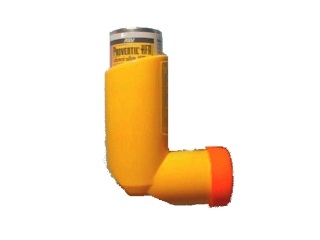
Proventil (Salbutamol) – Patient Information (Australia)
Proventil contains salbutamol (also called albuterol in some countries). It is a medicine used to relieve symptoms of airway narrowing in conditions such as asthma and some types of chronic lung disease. This guide explains how Proventil works, how it’s used, what to expect, and important safety information.
Key product details
| Category | Information |
|---|---|
| Active ingredient | Salbutamol (albuterol) |
| How it works | Fast-acting bronchodilator (relaxes airway muscles) |
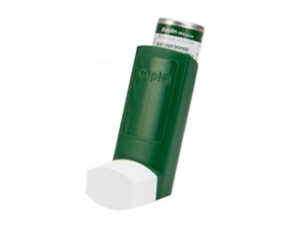
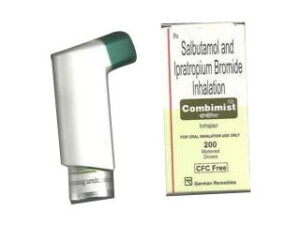
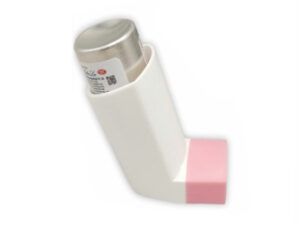
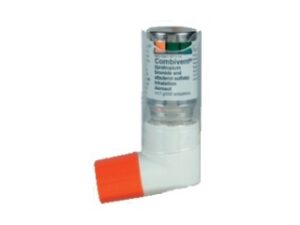
| Common forms | Inhaler devices (e.g., metered-dose inhaler) and sometimes nebuliser solutions/other presentations depending on local supply |
| When it’s used | To relieve symptoms such as wheeze, shortness of breath and chest tightness |
| Typical speed | Often begins working within minutes for inhaled doses |
| Main benefits | Helps open the airways during flare-ups and before exercise (in suitable people) |
Note: Exact dosing and device technique depend on the product strength and inhaler type. Always follow the instructions provided with your specific Proventil product and the advice of your health professional.
How Proventil works (mechanism of action)
Salbutamol is a selective beta2-adrenoceptor agonist. When you inhale it, it acts on receptors in the smooth muscle of the airways.
- Airway relaxation: It relaxes bronchial smooth muscle, helping the airways widen.
- Improved airflow: This can reduce wheezing and help you breathe more easily.
- Relief of symptoms: It is mainly used as a quick-relief medicine during symptoms.
Proventil does not treat the underlying inflammation in asthma; it focuses on temporarily opening airways.
Typical use in Australia
Proventil is used for conditions that involve reversible narrowing of the airways, most commonly:
- Asthma – for relief of acute symptoms (wheeze, breathlessness, chest tightness)
- Exercise-induced bronchoconstriction – to help prevent symptoms triggered by exercise in appropriate patients
- Chronic obstructive pulmonary disease (COPD) – for symptom relief in some cases (often alongside other long-term therapies)
It’s generally intended for short-term symptom control. If you need your reliever frequently, it may indicate that your asthma/COPD plan needs review.
When Proventil starts working (timing)
With inhaled salbutamol, the onset is typically within a few minutes.
- Onset: usually within 1–5 minutes for inhaled dosing
- Peak effect: often around 1 hour
- Duration: commonly lasts about 4–6 hours (varies by person and device)
If symptoms are not improving or are worsening despite repeated doses, this may be an emergency situation—seek urgent medical advice.
Pharmacokinetics (how the body processes it)
Understanding pharmacokinetics helps explain onset and side effects.
- Absorption: Inhaled salbutamol is absorbed through lung tissue; some dose may deposit in the mouth/throat and be swallowed (systemic absorption may occur).
- Distribution: It distributes throughout the body and can affect the cardiovascular system, which is why some people feel palpitations or tremor.
- Metabolism: Mainly metabolised in the liver to an inactive metabolite (notably sulfate conjugates).
- Excretion: Mostly eliminated via the kidneys (urine).
- Half-life: In general, the drug’s plasma half-life is relatively short, which supports its short-acting “reliever” role.
Indications (what it’s for)
Proventil is indicated for:
- Relief of bronchospasm in asthma
- Relief of acute symptoms like wheezing and breathlessness
- Prevention of bronchoconstriction related to exercise (for suitable patients)
- Symptom relief in reversible airway disease such as some COPD presentations
Where asthma is present, Proventil is typically a reliever rather than the main anti-inflammatory medicine. Many people also require a controller medicine (such as an inhaled corticosteroid) to reduce long-term risk.
Dosing – general guidance
Dose recommendations depend on age, severity, and the specific inhaler/nebuliser formulation. Use the product label or the accompanying patient information for your exact product.
Typical approach for reliever symptoms (general):
- At the onset of symptoms, take a dose as directed for your device.
- If symptoms persist, repeat doses at the interval stated on the product instructions or by your clinician.
- Seek urgent medical advice if you need frequent reliever use or you’re not getting adequate relief.
For exercise-induced symptoms (general):
- Some people benefit from taking a dose shortly before exercise as advised.
- The timing depends on your plan and how you respond (commonly 10–30 minutes before activity).
Important: If your reliever use is increasing, you may need a review of your asthma/COPD management plan rather than increasing doses indefinitely.
Food interactions
Because Proventil is usually inhaled, food interactions are generally minimal. However, if part of the inhaled dose is swallowed (common with some inhaler technique), systemic absorption can still occur.
- General advice: You can usually take Proventil regardless of meals.
- Nausea/irritation: Some people experience throat irritation; rinsing the mouth after inhaled doses (especially if using combination inhalers) may help reduce irritation.
If you notice symptoms you believe are related to use timing with meals, speak to a pharmacist or clinician for advice tailored to your routine and device technique.
Alcohol and medicine interactions
Alcohol
There is no universal “direct” interaction between salbutamol and alcohol. However, alcohol can worsen breathing in some people, and both asthma/COPD and alcohol use can increase the risk of symptoms.
- Practical caution: If you drink alcohol and notice increased wheeze, breathlessness, dizziness, or palpitations, consider avoiding alcohol or discussing risk with your healthcare professional.
- Safety note: If you feel unwell, don’t rely on Proventil alone.
Other medicines (important interactions)
Some medicines can affect how salbutamol works or increase the risk of side effects.
- Beta-blockers (including some eye drops): Non-selective beta-blockers may reduce the effect of salbutamol. Cardio-selective beta-blockers may still be relevant—always discuss.
- Other “sympathomimetic” medicines: Using multiple bronchodilators or stimulant-like medicines together can increase side effects such as tremor or palpitations.
- Diuretics (“water tablets”) and other medicines affecting potassium: Salbutamol can shift potassium into cells, which may contribute to low potassium levels in certain contexts—especially when combined with diuretics.
- Medicines that affect heart rhythm: If you take drugs that can influence heart rhythm, discuss with a clinician, especially if you are prone to palpitations.
- Monoamine oxidase inhibitors (MAOIs) and some antidepressants: There may be increased cardiovascular effects in some cases—seek professional advice.
Always tell your pharmacist about all medicines you use (including herbal products, vitamins, and eye drops) so they can check for interaction risks.
Safety profile and side effects
Most people tolerate Proventil well when used as directed. Side effects typically relate to how beta2-agonists affect the body.
Common side effects
- Tremor (shakiness)
- Headache
- Fast heartbeat (palpitations)
- Muscle cramps
- Feeling jittery
Less common but important effects
- Low potassium (hypokalaemia): More likely with higher doses or frequent use.
- Irregular heartbeat: Rare, but risk may increase with excessive dosing or in those with heart conditions.
- Worsening breathing: In some cases, airway symptoms may paradoxically worsen if technique is poor or dose is inappropriate.
Seek urgent medical help if
- You have severe shortness of breath or it rapidly worsens
- Your reliever isn’t helping or you need it repeatedly very frequently
- You feel faint, have chest pain, or significant irregular heartbeat
- You have signs of a serious allergic reaction (such as swelling of face/lips, hives, trouble breathing)
Practical use tips (to get the best effect)
Inhaler technique matters
Many “treatment failures” are due to poor technique. If you are unsure how to use your inhaler or spacer, ask a pharmacist to observe your technique.
- Shake the inhaler if your device requires it.
- Exhale fully first (away from the mouthpiece) before inhaling.
- Seal your lips around the mouthpiece.
- Start breathing in slowly and press the canister/deliver the dose at the right moment (as instructed).
- Hold your breath briefly (if comfortable), then breathe out slowly.
- If using a spacer, ensure correct assembly and clean it as directed.
Rinse after use (good habits)
- For salbutamol alone, rinse is optional, but it can help reduce throat irritation, especially if you feel dryness or a sore throat.
- If your Proventil product is part of a combination inhaler, rinsing is particularly helpful to reduce local side effects.
Keep track of your reliever use
- If you regularly need Proventil more often, consider it a cue to review your asthma/COPD plan.
- Bring your inhaler and device to appointments so technique can be checked.
Alternative options
Depending on your condition and severity, alternatives may include:
- Other short-acting beta2-agonists (SABAs): such as different salbutamol brands or formulations.
- Longer-acting bronchodilators: used for ongoing control in some conditions (e.g., COPD), typically under an established plan.
- Controller medicines for asthma: such as inhaled corticosteroids (often combined with other controllers depending on severity).
- Nebulised bronchodilators: may be used when inhaler technique is difficult or for certain clinical situations.
A pharmacist or clinician can help you choose the most appropriate option based on symptoms, inhaler ability, and your overall treatment plan.
Market and legal context for Australia
In Australia, inhaled medicines are supplied under regulated frameworks. Availability and purchasing options can vary by product formulation and classification. Health services also emphasise appropriate asthma management plans, including regular review and correct inhaler technique.
- Branding: Proventil is a commonly recognised brand name for salbutamol-containing products.
- Packaging and strengths: Always check the label for your specific strength and inhaler type.
- Clinical governance: Australian healthcare guidance stresses correct use of relievers and appropriate controller therapy to prevent asthma attacks.
Recent guidance (general): Australian asthma care commonly reinforces that reliever-only strategies may be inadequate for many patients and that asthma should be managed with a personalised plan focusing on both symptom relief and prevention of flare-ups. If you are needing your reliever frequently, seek clinical review to adjust your long-term approach.
Delivery and availability (online pharmacy)
Product availability can change due to manufacturer supply, packaging updates, and device type. When ordering online in Australia, you can typically expect:
- Stock updates: Real-time availability may be shown on product pages.
- Shipping: Delivery times depend on location (metro vs regional) and courier service.
- Packaging: Items are usually dispatched in original manufacturer packaging where possible.
- Cold-chain: Salbutamol inhalers generally do not require cold storage; follow the storage instructions on your product label.
If you have a device preference (e.g., certain inhaler types), confirm the product details before placing an order.
Storage and handling
- Store at room temperature unless the label states otherwise.
- Keep the container away from heat and direct sunlight.
- Do not puncture or burn aerosol containers.
- Check the expiry date on the packaging.
FAQ – Proventil (Salbutamol)
1) Is Proventil used for prevention or quick relief?
Proventil is mainly used for quick relief of symptoms when airways narrow. Some people also use it before exercise to prevent exercise-triggered symptoms, as part of an individual plan.
2) How quickly should I feel better?
With inhaled salbutamol, relief often begins within minutes. If you don’t feel improvement after using it as directed, or symptoms worsen, seek medical advice urgently.
3) Can I take Proventil with other asthma medicines?
Many people use Proventil alongside other asthma medications (such as preventers). The safe combination depends on which medicines you’re using—tell your pharmacist and clinician what you take so they can check for interactions and ensure your overall plan is appropriate.
4) What if I keep needing my reliever?
Frequent reliever use can signal that asthma/COPD is not well controlled. It’s important to have your treatment plan reviewed rather than increasing salbutamol use repeatedly.
5) Are there common side effects?
Yes. Common side effects include tremor, headache, and palpitations. These often improve as your body adjusts, but you should seek help if they are severe or you feel unwell.
6) Does Proventil cause weight gain?
Proventil (salbutamol) is not typically associated with weight gain. If you are gaining weight, consider other factors and discuss with a healthcare professional—especially if you use steroid controller medicines.
7) Can I drink alcohol while using Proventil?
There is no fixed rule that prohibits alcohol for everyone using Proventil, but alcohol may worsen breathing in some people. If alcohol triggers symptoms, consider avoiding it and ask your healthcare professional for advice.
8) Does Proventil interact with other medications?
Potential interactions can occur with some heart-related medicines (including certain beta-blockers) and medicines that affect potassium levels. Always check with a pharmacist if you take other medicines.
9) How many times can I use it during an asthma flare?
Dosing depends on your device and your individual plan. Follow the instructions on your product and your personalised action plan. If you require repeated doses and symptoms are not improving, seek urgent medical care.
10) What should I do if my inhaler isn’t working?
First, check technique (and use of a spacer if appropriate). Confirm the inhaler hasn’t expired and that the dose mechanism is functioning. If problems persist, ask a pharmacist to troubleshoot your technique and device.
Disclaimer: This information is provided to help you understand Proventil (salbutamol). It is not a substitute for advice from a pharmacist or doctor. If you have questions about your specific condition, symptoms, or other medicines, speak to a qualified healthcare professional.