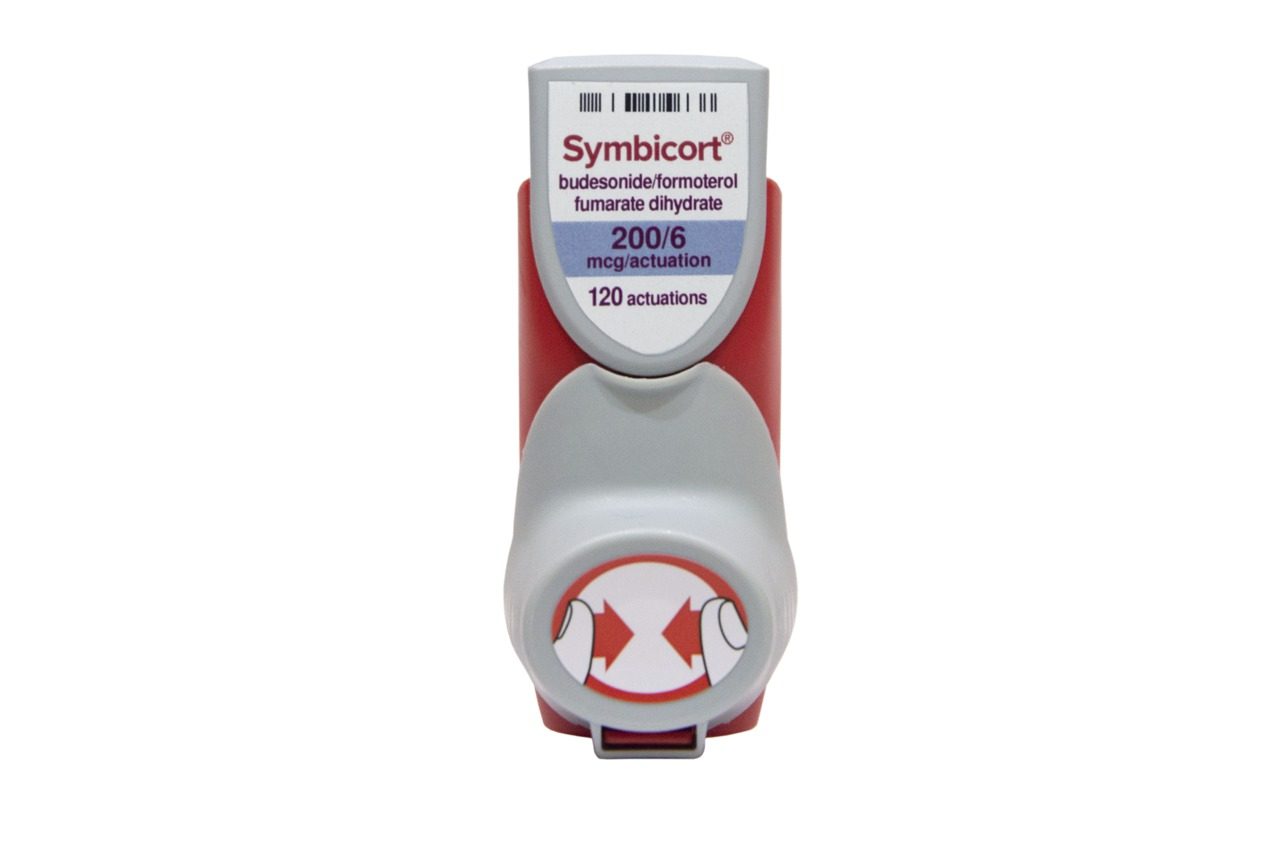

Symbicort (Powder Form) – Budesonide / Formoterol Fumarate Dihydrate (Australia)
Symbicort is a reliever-preventer type asthma medicine used to help control symptoms and reduce the risk of flare-ups. It contains two medicines in one inhaler/powder device:
- Budesonide (a corticosteroid that reduces airway inflammation)
- Formoterol fumarate dihydrate (a long-acting bronchodilator that relaxes airway muscles)
This page is designed to be patient-friendly and helpful for understanding how Symbicort powder works, how it is typically used, and what to watch for. Always follow the instructions supplied with your product and by your healthcare professional.
Basic product information
- Brand name: Symbicort (Powder Form)
- Active ingredients: Budesonide + Formoterol fumarate dihydrate
- Therapeutic group: Inhaled corticosteroid (ICS) + long-acting beta2-agonist (LABA)
- Common conditions treated: Asthma (and in some Australian practice settings, chronic obstructive pulmonary disease may be considered based on individual assessment—confirm with your clinician and local product guidance)
Note: Symbicort is available in different strengths and device types. The exact dose and inhalation technique vary by product presentation. Use the strength prescribed/selected for your needs.
How Symbicort works (mechanism of action)
Symbicort combines two complementary actions that target different parts of asthma and airway narrowing:
-
Budesonide (ICS):
- Reduces airway inflammation and swelling.
- Helps decrease mucus production and airway hyper-responsiveness.
- Over time, this leads to fewer symptoms and fewer exacerbations.
-
Formoterol (LABA):
- Relaxes smooth muscle in the airways.
- Improves airflow by opening narrowed airways.
- Provides symptom relief—often relatively quickly compared with some other LABAs.
Why both matter: In asthma, inflammation drives narrowing and symptoms. Bronchodilators ease symptoms, but the underlying inflammation still needs control. The combination helps provide both relief and prevention.
Pharmacokinetics (how the body handles it)
Inhaled medicines primarily act in the lungs. After inhalation, a portion of the dose deposits in the airways while some may be swallowed and absorbed via the gastrointestinal tract.
-
Absorption:
- Inhaled deposition occurs in the lungs; some fraction is swallowed.
- Systemic absorption is typically lower than with oral medications.
-
Distribution:
- Budesonide and formoterol can distribute into tissues after absorption.
-
Metabolism:
- Budesonide is extensively metabolised in the liver (principally by CYP enzymes).
- Formoterol is also metabolised (primarily via hepatic pathways).
-
Elimination:
- Metabolites are excreted mainly via urine and/or other routes depending on the specific metabolic products.
Practical takeaway: Because the medicine is inhaled and acts locally, you usually get benefits from direct lung action. However, systemic side effects can still occur, especially if doses are too high or inhalation technique is poor.
What it’s used for (indications)
Symbicort is used for the treatment of:
- Asthma in patients who need both anti-inflammatory treatment and long-acting bronchodilation.
Your clinician may tailor your regimen based on symptom frequency, past exacerbations, and lung function. Some patients use Symbicort in a maintenance approach that may also include additional doses during worsening symptoms, depending on the specific Australian product instructions and your personal action plan.
Important: Do not change your asthma plan without medical advice.
Typical dosing and timing
Dosing depends on the strength of Symbicort, your age, symptoms, and whether you’re using it as a regular maintenance medicine, a reliever-preventer approach, or both—following the regimen provided for your product.
| Use pattern | When to take it | Common dosing concept | Key notes |
|---|---|---|---|
| Regular maintenance | Every day at set times | Typically 2 doses per day (morning and evening) as directed | Helps maintain control by reducing inflammation over time |
| Symptom relief strategy (if part of your plan) | At the start of worsening symptoms or per your written asthma action plan | Additional inhalations may be used according to plan and product-specific guidance | Still seek urgent help if symptoms escalate or don’t improve |
| Remembering doses | Consistency is important | Try to take it around the same times daily | Missing doses can reduce control |
How long until it works?
- Formoterol: may provide faster symptom improvement after inhalation.
- Budesonide: reduces inflammation; benefits may become noticeable over several days, and better control often develops over longer periods.
Do not exceed your plan
Using more inhalations than recommended can increase the risk of side effects (including tremor, palpitations, and other beta-agonist effects). If you feel you need more than usual, that may indicate worsening asthma that needs review.
Indications for calling for urgent help
Seek urgent medical attention if:
- Your breathing is worsening quickly.
- You are needing your reliever more often than recommended by your action plan.
- You have severe chest tightness, difficulty speaking full sentences, cyanosis (bluish lips), or reduced responsiveness.
- You experience a sudden major decline in symptoms despite following your plan.
Asthma warning: If you think you’re having a severe asthma attack, use your reliever as directed in your plan and seek urgent care immediately.
Food interactions
Because Symbicort is inhaled, food interactions are generally minimal. Most patients can take their doses regardless of meals.
- If some of the inhaled dose is swallowed, it will typically pass through the gastrointestinal tract without causing meaningful food-related problems for most people.
- There are no common dietary restrictions solely due to Symbicort.
Helpful tip: If you notice throat irritation or hoarseness, consider rinsing your mouth after inhalation (see “Practical use tips” below).
Alcohol and medicine interactions
Alcohol
There is no well-established direct interaction between inhaled budesonide/formoterol and moderate alcohol for most patients. However:
- Alcohol can worsen asthma in some individuals.
- Excess alcohol may impair judgement, reduce adherence, and increase risk-taking during flare-ups.
If you suspect alcohol triggers your breathing symptoms, discuss this with your clinician.
Medicine interactions (important)
Several medicines can influence how safe and effective Symbicort is. Discuss your full medication list with your healthcare professional, including over-the-counter medicines and supplements.
-
Other beta-agonists:
- Using multiple bronchodilators can increase the likelihood of side effects such as tremor or palpitations.
-
Beta-blockers (including some eye drops):
- Some beta-blockers can reduce bronchodilator effect and may worsen asthma.
- Examples include certain non-selective beta-blockers; always seek medical advice before using them.
-
CYP enzyme inhibitors/interaction medicines:
- Some drugs may increase blood levels of budesonide and/or formoterol, increasing risk of systemic side effects.
- Inform your clinician if you take strong antifungals, certain antivirals, or other potent medicines.
-
Diuretics (water tablets) and other medicines that lower potassium:
- Beta-agonists can lower blood potassium; combined use with some diuretics may increase risk.
- Your clinician may monitor potassium in higher-risk scenarios.
-
Oral corticosteroids or frequent steroid courses:
- Long-term high steroid exposure from multiple sources increases the risk of steroid-related effects. Your clinician will balance benefits and risks.
Always: keep your clinicians informed about all medicines you take.
Safety profile and side effects
Most people tolerate Symbicort well when used as directed. Side effects often relate to inhaled steroids (local effects) or beta-agonist activity (systemic effects).
Common side effects
- Throat irritation or hoarseness
- Cough
- Headache
- Tremor (shaking), especially at higher doses
- Palpitations (awareness of heartbeat)
Less common but important side effects
- Oral thrush (white patches in mouth) — risk reduced with mouth rinsing
- Muscle cramps (possibly related to potassium changes in some cases)
- Increased heart rate
- Unusual sleep disturbance or restlessness (may occur)
Seek urgent medical advice if
- You develop severe allergic reactions (swelling of face/lips, difficulty breathing, hives)
- Your asthma symptoms worsen significantly despite treatment
- You experience chest pain, fainting, or severe rapid heartbeat
Long-term safety considerations
Inhaled corticosteroids are generally safer than long-term oral steroids, but chronic use of higher doses may still increase risk of:
- Effects on bone health (higher doses, certain risk factors)
- Cataracts or glaucoma
- Adrenal suppression (rare; higher doses and specific vulnerabilities)
Your clinician will aim for the lowest effective dose to maintain control.
Practical use tips (getting the best results)
Correct inhaler technique is crucial for Symbicort to work properly.
Key steps
- Use as directed: follow the dose and frequency set in your plan.
- Inhale properly: inhale quickly and deeply to draw the powder into your lungs (technique depends on the exact powder device model).
- Check your mouth after: if you can, rinse and spit after each dose to reduce the chance of thrush and hoarseness.
- Do not shake: follow device-specific instructions (some powder devices should not be shaken).
- Keep it dry: store the device in a dry place.
- Track refills: running out can lead to poor control.
Rinsing the mouth: why it helps
Budesonide can leave residue in the mouth and throat. Rinsing reduces local steroid side effects, particularly:
- Hoarseness
- Oral thrush
When to re-check technique
Technique should be reviewed regularly—especially if you notice rising symptoms or you haven’t been reviewed recently. Ask your pharmacist or clinician to observe your inhaler use.
Alternative options
Asthma treatment can be individualised. Depending on your condition and severity, alternative controller and reliever strategies may include:
-
Other inhaled corticosteroid options:
- ICS alone for mild persistent asthma
- Higher or different dose ICS for specific cases
-
ICS/LABA combinations:
- Other combinations with different LABAs may be considered if Symbicort isn’t suitable or not well tolerated
- Leukotriene receptor antagonists (for selected patients)
- Biologic therapies (specialist-only, for severe asthma with specific biomarkers)
Your healthcare professional can explain what options best fit your symptoms, risk factors, and preferences.
Market and legal context for Australia
In Australia, asthma medicines are generally supplied under the Australian healthcare framework with specific prescribing and dispensing rules. Symbicort is widely used and supported by Australian clinical practice and guideline recommendations for asthma management.
- Guidelines: Management is commonly informed by evidence-based asthma guidelines and treatment steps.
- Device and product specificity: Australian product presentation and strength vary; always ensure you have the correct formulation and inhaler type.
- Pharmacist support: Pharmacists can help check inhaler technique, review side effects, and advise on medication interactions.
Recent guidance (high level): Asthma care in Australia continues to emphasise regular controller use, correct inhaler technique, action plans for worsening symptoms, and stepwise adjustment based on symptom control and exacerbation history. If you have frequent symptoms or flares, your care plan should be reviewed promptly.
Delivery and availability
Symbicort powder products are commonly available through Australian community pharmacies and reputable online pharmacies where permitted. Availability can vary based on strength and device type.
- Delivery: Most online pharmacies dispatch within standard business days; delivery times vary by location and shipping method.
- Stock updates: Availability may change, particularly for specific strengths.
- Packaging: Products are typically shipped in manufacturer-approved packaging where possible to help protect the device.
Tip: If you’re close to running out, consider ordering early—controller medicines should not be delayed.
FAQ
1) Is Symbicort a reliever or a preventer?
Symbicort is a controller/preventer medicine due to the budesonide component, but it also contains formoterol, which can provide symptom relief in certain regimens. Your exact “reliever versus controller” role depends on the dosing plan provided with your product and your action plan.
2) How should I store Symbicort powder?
Store it according to the instructions on the pack. In general, keep it dry, at room temperature, and away from direct sunlight. Keep out of reach of children.
3) What if I miss a dose?
If you miss a dose, take it as soon as you remember unless it is close to your next dose. Do not take extra doses to make up for the missed one. If you’re unsure, ask your pharmacist.
4) Can I use Symbicort with my spacer?
Symbicort powder devices are designed to work without spacers. Whether a spacer is used depends on the specific device type. If you are not sure, check your product instructions or ask a pharmacist.
5) Will Symbicort help immediately during an asthma flare?
Formoterol may provide relatively faster bronchodilation. However, asthma flare-ups can be serious; follow your asthma action plan and seek urgent care if symptoms are severe or not improving.
6) What should I do if I get thrush or hoarseness?
Rinse your mouth (and spit) after each dose. If symptoms persist, contact your healthcare professional. They may review your dose, technique, and whether additional treatment is needed.
7) Are there any driving or work safety concerns?
Symbicort is not usually associated with impaired driving. However, uncontrolled asthma symptoms (shortness of breath, dizziness during severe attacks) may affect safety.
8) Can children use Symbicort?
Many inhaled asthma therapies are used in children depending on age and strength. A paediatric dosing plan should be followed strictly and inhaler technique supervised.
9) How do I know if my asthma is not controlled?
Signs can include frequent symptoms, waking at night due to breathlessness, needing extra doses more often than usual, or reduced exercise tolerance. If control is slipping, arrange a review with your clinician.
10) What are key warnings about overuse?
Taking more inhalations than recommended increases the risk of side effects and may indicate worsening asthma. If you feel you need more than your plan, get medical review promptly.
Summary
Symbicort (budesonide / formoterol fumarate dihydrate) is an inhaled medicine that helps control asthma by combining an anti-inflammatory steroid with a long-acting bronchodilator. When used correctly and consistently, it can improve symptoms, reduce inflammation, and lower the risk of flare-ups. Keep your inhaler technique sharp, rinse your mouth after dosing, and follow your asthma action plan—especially when symptoms change.