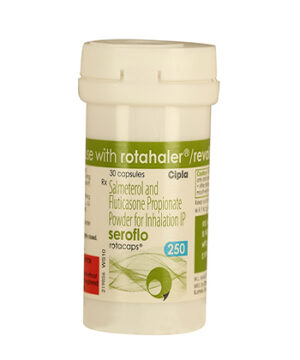
Fluticasone + Salmeterol (Fluticasone + Salmeterol) — Patient Guide (Australia)
Fluticasone + Salmeterol is a combination medicine used to help control long-term inflammatory airway conditions such as asthma and some types of chronic obstructive pulmonary disease (COPD). It brings together:
- Fluticasone: an inhaled corticosteroid (anti-inflammatory)
- Salmeterol: a long-acting beta2 agonist (LABA, bronchodilator)
This guide explains how the medicine works, when to use it, typical timing, key safety points, interactions, and what to do if you miss a dose. It is written for patients in Australia and uses patient-friendly language.
Quick product overview
| Feature | What to know |
|---|---|
| Common components | Fluticasone (inhaled corticosteroid) + Salmeterol (LABA bronchodilator) |
| Therapeutic role | Long-term control of airway inflammation and symptoms |
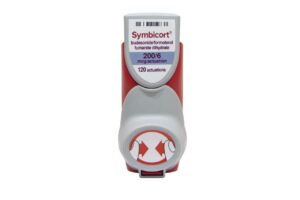
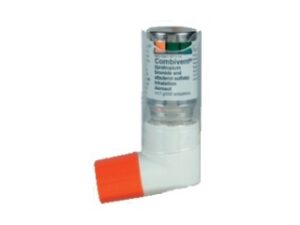
| Typical forms | Inhalers (devices vary by brand and strength) |
| Onset | Salmeterol may help symptoms within minutes; anti-inflammatory effects of fluticasone build over days |
| Food interaction | No significant food interaction expected for inhaled use |
| Alcohol | Usually not a direct interaction; heavy alcohol may worsen breathing/safety for some people |
| Key safety points | Rinse/gargle after use to reduce throat irritation and mouth thrush |
What is Fluticasone + Salmeterol used for?
Fluticasone + salmeterol is used for conditions where long-term control of airway symptoms is needed, typically when symptoms are persistent or require more than anti-inflammatory treatment alone.
In Australia, it may be used for:
- Asthma (for ongoing control, particularly in people who need both an inhaled corticosteroid and a long-acting bronchodilator).
- COPD in some patients, as part of maintenance therapy when symptoms persist despite standard treatment. (Specific appropriateness depends on severity and clinician assessment.)
Important: Fluticasone + salmeterol is intended for maintenance. It is not designed to relieve sudden attacks of breathlessness or wheezing quickly. For rescue relief, patients typically use a separate fast-acting “reliever” inhaler.
How it works (mechanism of action)
1) Fluticasone — inhaled corticosteroid
Fluticasone reduces inflammation in the airways. Over time, this can:
- lower airway swelling and irritation
- reduce mucus production
- decrease airway hyper-responsiveness
- help reduce the frequency and severity of flare-ups
2) Salmeterol — long-acting beta2 agonist (LABA)
Salmeterol relaxes airway smooth muscle by stimulating beta2 receptors. This leads to bronchodilation (wider airways) and improved airflow.
Key points about the LABA effect:
- It provides longer-lasting bronchodilation
- It helps improve day-to-day symptoms and prevent broncho-spasm
- It is not a “quick fix” for sudden attacks
Together, fluticasone controls inflammation and salmeterol supports airflow, improving overall asthma/COPD control.
Pharmacokinetics (how the body handles it)
Exact numbers depend on the inhaler device, dose, and individual factors, but the overall process is similar for inhaled formulations.
Absorption
- Inhaled delivery: After inhalation, a portion of the dose reaches the lungs while some may deposit in the mouth/throat and be swallowed.
- Oral ingestion: If medication is swallowed, it undergoes first-pass metabolism in the liver, meaning less active medicine may reach the bloodstream compared with swallowed medicines.
Distribution
- The medicines act primarily in the airway tissues. Systemic exposure can occur, but inhaled therapy aims to deliver the dose where it is needed most.
Metabolism
- Fluticasone is largely broken down in the body by CYP3A4 (a liver enzyme).
- This is why certain medicines that inhibit CYP3A4 can increase fluticasone exposure (see interactions section).
Elimination
- Metabolites are cleared mainly through the bile/faeces route and to a lesser extent through urine, depending on the specific compound and individual metabolism.
Typical use and timing
Many combination inhalers containing fluticasone + salmeterol are prescribed as a twice-daily maintenance treatment (morning and evening). Some people may use a device with different dosing frequency depending on strength/brand—follow your product instructions and your care plan.
When to take it
- Consistent timing helps: Use at roughly the same times each day.
- Often morning/evening: Many regimens are “twice daily.”
- Not for immediate relief: Do not use it as the only treatment for sudden symptoms.
How long until it works?
- Bronchodilation: Salmeterol can improve breathing within minutes for many people.
- Anti-inflammatory control: Fluticasone effects build gradually and may take several days (and sometimes longer) for full benefit.
How to use your inhaler (practical tips)
Correct inhaler technique is one of the biggest factors affecting how well fluticasone + salmeterol works. Different brands use different devices (for example, pressurised metered-dose inhalers vs dry powder inhalers), so always follow the instructions specific to your product.
- Check your device instructions and consider asking your pharmacist or nurse to watch your technique.
- After each dose: If your device instructions recommend it, rinse your mouth and gargle, then spit out the water. This reduces risk of oral thrush and hoarseness.
- Use a spacer if your clinician or pharmacist recommends one (often used for certain inhaler types to improve delivery and reduce throat deposition).
- Keep track of doses: Use a daily reminder to avoid missed doses.
- Store correctly: Keep the inhaler dry and protected from extreme temperatures, and check the expiry date.
If you feel you’re not getting relief: Don’t increase the dose on your own. Technique, timing, and inhaler type matter. Speak with a healthcare professional to review your plan.
Food interactions
Because this is an inhaled medicine, food generally has no clinically significant direct interaction. Any swallowed portion is typically metabolised through the liver first-pass effect.
- Practical approach: You can usually take fluticasone + salmeterol with or without food.
- To minimise side effects: Rinsing/gargling after use is still recommended.
Alcohol and medicine interactions
Alcohol
There is generally no direct interaction between alcohol and inhaled fluticasone + salmeterol. However, heavy alcohol intake can worsen breathing, reduce adherence (missed doses), and increase risk-taking during asthma/COPD symptoms.
- Safer approach: Limit alcohol and monitor your breathing closely.
- Seek help: If you notice worsening breathlessness after alcohol, discuss it with a clinician.
Important medicine interactions
Some medicines can affect how fluticasone is metabolised (CYP3A4). Others may alter heart rate or potassium levels. The most clinically significant interactions often involve liver enzyme inhibitors.
-
CYP3A4 inhibitors (may increase fluticasone levels):
- Some antifungal medicines (e.g., ketoconazole, itraconazole)
- Some antibiotics (e.g., clarithromycin)
- Some antivirals used for HIV/HCV therapy
-
Other medicines affecting potassium:
- High-dose diuretics (“water tablets”)
- Some additional bronchodilators or steroids used during exacerbations
These may influence potassium levels and potentially increase the risk of side effects such as muscle cramps or palpitations in susceptible individuals.
-
Beta-blockers (including some eye drops containing beta-blockers):
These can oppose the effect of salmeterol and may worsen breathing in some patients with asthma. Selective beta-blockers may be used in certain cases, but this should be discussed with a clinician.
- Other respiratory medicines: Using multiple inhalers may require careful scheduling (controller vs reliever). Don’t replace your reliever inhaler with fluticasone + salmeterol.
If you’re unsure about interactions, check with your pharmacist, especially if you are starting or stopping any new medicine.
Dosing — typical patterns and individualisation
Dosing depends on the specific inhaler brand, strength, and your condition (asthma vs COPD), symptom severity, and response to therapy. Your inhaler will specify how many micrograms of fluticasone and how much salmeterol per actuation (or per dose).
- Common regimens: Many products are used twice daily for maintenance.
- Adjustment: Clinicians may step the dose up or down based on symptom control and flare-ups.
- Do not self-adjust: Avoid changing the dose frequency or strength without guidance.
Missed dose: If you forget a dose, take it when you remember unless it’s close to your next dose. Do not take a double dose to make up for a missed one. If unsure, ask your pharmacist.
Indications and what “good control” looks like
Fluticasone + salmeterol is indicated for long-term control in people who need both components. Benefits include:
- fewer asthma/COPD symptoms during the day
- fewer night-time awakenings
- reduced need for reliever medication
- lower risk of exacerbations (flare-ups)
Track your symptoms: Many people find it helpful to monitor:
- daytime symptoms (wheeze, cough, breathlessness)
- night symptoms
- use of reliever inhaler
- any flare-ups requiring urgent review
Safety profile and side effects
Like all medicines, fluticasone + salmeterol can cause side effects. Many people tolerate it well, especially when used correctly. The risk of certain effects can be reduced by good technique and rinsing/gargling after use.
Common side effects
- Throat irritation or hoarseness
- Mouth thrush (oral candidiasis) — usually reduced by rinsing and gargling
- Headache
- Muscle cramps or mild tremor (more likely from the salmeterol component)
- Perceived palpitations in some individuals
Less common but important risks
- Worsening breathing if not using correctly: Poor inhaler technique or incorrect scheduling can reduce benefit and may lead to poor control.
- Systemic steroid effects (rare with inhaled use): Higher doses over time can increase risk of effects such as adrenal suppression, bone effects, or cataracts/eye pressure changes—your clinician will consider benefits vs risks.
- Heart-related effects: LABAs can occasionally increase heart rate or cause rhythm disturbances, particularly at higher doses or in sensitive patients.
- Low potassium (rare): More likely with higher doses and/or other medicines that lower potassium.
- Infections: Inhaled steroids can increase susceptibility to some mouth/throat fungal infections.
Seek urgent medical help if you have
- severe or rapidly worsening breathlessness
- chest pain, fainting, or severe palpitations
- signs of a serious allergic reaction (e.g., swelling of face/lips, severe rash, difficulty breathing)
- symptoms of an asthma/COPD flare that are not improving with your reliever plan
Safety in special situations
Pregnancy and breastfeeding
Many patients continue inhaled medicines during pregnancy if needed for control. Inhaled therapy is commonly considered because controlling asthma symptoms is crucial for both mother and baby. Discuss your specific situation with a healthcare professional to determine the safest plan.
Children and adolescents
Dosing and inhaler choice are critical for children. Ensure that the inhaler technique is supervised and that the correct strength/device is used for the age and condition.
Older adults
Older adults may be more sensitive to LABA-related effects such as tremor or palpitations. Regular review of symptoms and medication list is helpful, especially if multiple medicines are used.
Practical “best use” tips
- Don’t stop suddenly: If you feel better, do not stop without clinician advice; airway inflammation may return.
- Use as prescribed for control: It’s meant for maintenance, not just flare-ups.
- Rinse after inhaling: Reduce mouth thrush and hoarseness by rinsing/gargling and spitting.
- Check inhaler technique regularly: Technique changes can happen over time.
- Keep track of symptoms: If you need your reliever more often, it may signal worsening control.
- Have an action plan: Ask your clinician/pharmacist for an asthma or COPD action plan for flare-ups.
Alternative options (what else may be used)
Alternative treatments depend on whether the condition is asthma or COPD, severity, and prior response. Some common options include:
- Inhaled corticosteroid alone (for some asthma patients with less need for bronchodilation)
-
Other combination inhalers such as:
- ICS + another LABA
- ICS + LABA + LAMA in some COPD regimens
- Long-acting bronchodilators for COPD (e.g., LABA or LAMA) depending on symptoms and exacerbation history
- Reliever inhalers (short-acting bronchodilator) for quick symptom relief during flare-ups
Your pharmacist can help you compare inhaler devices, strengths, and how they differ in daily use. Any switch should be guided by symptom control goals and suitability.
Market and legal context for Australia
In Australia, medicines containing fluticasone and salmeterol are provided under the national medicines system and are commonly available as prescription medicines through pharmacies. Access, brand availability, and device types can vary by supply.
Product selection and patient guidance are supported by Australia’s health frameworks, including clinical practice guidelines for asthma and COPD, and medicines governance through regulatory oversight.
Recent guidance trends: Recent years have emphasised:
- using inhaled therapies correctly and regularly for control
- ensuring patients have both controller therapy and appropriate reliever therapy plans
- minimising avoidable overuse of rescue medicines
- reviewing inhaler technique and adherence at follow-up visits
Recent guidance and “stepwise” asthma/COPD management (high level)
Clinical guidance for asthma and COPD commonly uses a stepwise approach:
- Start or step up if symptoms and flare-ups continue despite lower-intensity treatment.
- Step down only after sustained good control, with careful monitoring.
- Check technique, adherence, triggers (smoke, allergens, infections), and comorbidities before increasing doses.
Fluticasone + salmeterol fits into this framework as a maintenance controller. Whether it is the most suitable option depends on your diagnosis and symptom pattern.
Delivery and availability in Australia
Availability depends on the specific brand and strength (the inhaler device type can vary). Online pharmacies in Australia may offer:
- home delivery options within Australia
- standard dispatch times based on stock levels
- tracking and delivery updates where offered
When ordering, double-check the exact device name and strength to ensure it matches what your care plan requires. If you have multiple inhalers, confirm that you are ordering the correct one for controller therapy.
FAQ
1) Is Fluticasone + Salmeterol the same as a “reliever” inhaler?
No. Fluticasone + salmeterol is typically a controller/maintenance inhaler used regularly. Reliever inhalers are usually fast-acting and used for sudden symptoms or before exercise (depending on your action plan).
2) How soon will I feel better?
Some people notice improved breathing sooner due to the salmeterol component. However, the full benefits of the fluticasone anti-inflammatory effect usually build over days to weeks (depending on your condition and current control).
3) Should I rinse my mouth after using it?
Yes. Rinsing/gargling and spitting after inhalation helps reduce common side effects like thrush and hoarseness.
4) What if I miss a dose?
Take it when you remember if it’s not close to the next dose. Don’t take a double dose to compensate. If you’re uncertain, contact your pharmacist for advice.
5) Can I use it for exercise-induced symptoms?
Fluticasone + salmeterol is for maintenance control, not quick relief. For exercise-related symptoms, many action plans include a reliever inhaler strategy. Discuss your plan so you use the right medicine at the right time.
6) What side effects should I watch for?
Common effects include hoarseness or mouth irritation and, occasionally, oral thrush. Watch for palpitations, tremor, or worsening breathing. Seek urgent help for severe worsening symptoms or signs of a serious allergic reaction.
7) Are there interactions with antibiotics or antifungal medicines?
Some antibiotics and antifungals can affect CYP3A4 and increase fluticasone exposure. This is one reason it’s important to tell your pharmacist about all medicines you take, including recent short courses.
8) Does it interact with food or alcohol?
Food interactions are not usually a concern for inhaled therapy. Alcohol doesn’t have a typical direct interaction, but excessive alcohol can worsen breathing and adherence.
9) Can I stop when my symptoms improve?
Don’t stop suddenly unless your clinician advises. Controller medicines help maintain control by treating underlying inflammation.
10) How do I know my inhaler is working?
Signs include fewer symptoms, less night waking, fewer flare-ups, and less need for reliever medication—along with correct inhaler technique and consistent use.
Note: This information is intended as a patient guide. Always follow the instructions that come with your specific inhaler device, and seek advice from a pharmacist or healthcare professional for personal recommendations—especially if you have frequent symptoms, frequent reliever use, or any concerns about side effects or interactions.