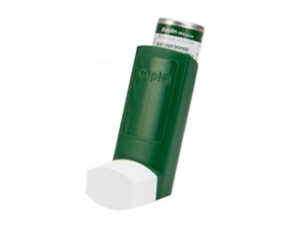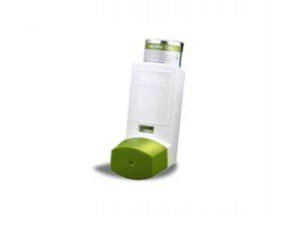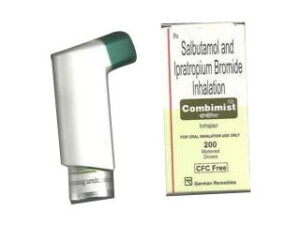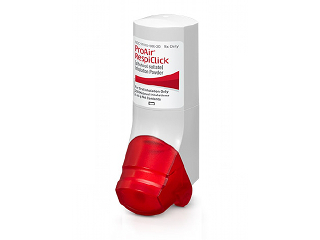
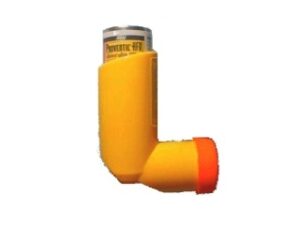
Proair Inhaler (Salbutamol / Albuterol) – Patient Information
Proair Inhaler contains salbutamol (albuterol), a medicine used to relieve breathing difficulties caused by conditions such as asthma and chronic obstructive pulmonary disease (COPD). It works quickly to open airways, making it easier to breathe during episodes of wheezing, coughing, chest tightness, or shortness of breath.
This page explains how Proair Inhaler works, how it’s used, typical dosing, safety considerations, and what to expect in day-to-day life in Australia.
Basic product information
- Medicine: Proair Inhaler
- Active ingredient: Salbutamol (albuterol)
- Medicine type: Short-acting beta2-agonist (SABA)
- Common purpose: Quick relief of acute bronchospasm
- Form: Metered-dose inhaler (MDI)
- Where it helps: Airways in the lungs
Note: Product strengths and pack details may vary by brand and availability. Always check the label on your inhaler and the consumer medicine information (CMI) supplied with your product.
How it works (mechanism of action)
Salbutamol belongs to a class of medicines called beta2-agonists. After you breathe the medicine into your lungs, it binds to beta2 receptors on the smooth muscle that lines the airways.
This causes:
- Relaxation of airway smooth muscle (bronchodilation)
- Widening of the airways, which improves airflow
- Relief of symptoms such as wheeze and shortness of breath
Because it acts on beta2 receptors, it is often effective within minutes, making it especially useful for sudden symptoms.
When Proair Inhaler is typically used
Proair Inhaler is used as a reliever for breathing symptoms due to reversible airflow obstruction.
Common indications (what it’s used for)
- Asthma: Relief of acute asthma symptoms and bronchospasm
- COPD: Relief of symptoms such as wheezing and shortness of breath in people with COPD (as part of an overall management plan)
- Exercise-induced bronchoconstriction: To help prevent symptoms triggered by exercise or cold air (where recommended by a clinician/plan)
Important: Proair Inhaler is a quick-relief medicine. It does not replace preventive (controller) therapy such as inhaled corticosteroids for many people with asthma.
Timing: how fast it works and how long it lasts
Salbutamol inhalers are designed for rapid effect.
- Onset of action: typically within minutes after inhalation
- Peak effect: commonly occurs within about 1–2 hours (varies between people)
- Duration: often around 4–6 hours for symptom relief
If symptoms do not improve or keep returning quickly, this may indicate poor asthma control or a worsening condition. Seek urgent medical advice if you are struggling to breathe or your symptoms are severe or worsening.
Pharmacokinetics (how the body processes it)
Pharmacokinetics describes what the body does to the medicine and how it behaves after inhalation.
- Absorption: After inhalation, salbutamol is absorbed through the lungs and some may be swallowed (from inhalation technique).
- Distribution: It reaches the bloodstream and can affect both lungs and other body systems.
- Metabolism: Salbutamol is primarily metabolised in the liver.
- Excretion: Metabolites are mainly eliminated through the kidneys (urine).
Because most of the benefit is intended to occur in the lungs, proper inhaler technique is crucial to ensure the medicine reaches the airway lining rather than staying in the mouth or being swallowed.
Food interactions
For inhaled salbutamol, food interactions are generally not a major concern.
- You can usually take your dose with or without food.
- Some people experience throat irritation or a soapy/bitter taste if some medicine is swallowed—rinsing/gargling with water after use may help.
If you have nausea or stomach upset after doses, review inhaler technique and consider discussing with a pharmacist or clinician.
Alcohol and medicine interactions
Alcohol
Alcohol is not known to have a direct interaction with inhaled salbutamol. However, drinking alcohol may:
- Worsen breathing symptoms for some people (especially those with asthma or COPD)
- Increase the chance of dizziness or feeling unwell, which can overlap with side effects of salbutamol (like shakiness)
If you choose to drink alcohol, do so cautiously and consider how it affects your breathing.
Medicine interactions (important examples)
Several medicines can affect how safe and effective salbutamol is, or how your body responds. Always tell a healthcare professional about all medicines you use, including:
- Other inhalers (especially additional relievers)
- Beta-blocker medicines (including some for heart conditions)
- Diuretics (“water tablets”)
- Other medicines that affect potassium levels
- Monoamine oxidase inhibitors (MAOIs) and some other antidepressants
- Cold/flu medicines that may contain stimulants or decongestants
Key interaction themes:
- Beta-blockers: Can reduce the effect of salbutamol.
- Diuretics and steroid use: Combined effects may increase the risk of low potassium (hypokalaemia), especially with frequent high-dose salbutamol.
- Medicines that stress the heart rhythm: People with heart rhythm issues should use salbutamol carefully and follow medical advice.
If you are taking any regular heart medications, antidepressants, or diuretics, check with a pharmacist about whether any precautions are needed.
Dosing: typical adult and paediatric use
Dosing may vary depending on your age, diagnosis, severity of symptoms, and your specific inhaler strength and device instructions. Follow the schedule on your product label or the written plan you have been given.
General reliever dosing (common patterns):
- Adults and adolescents: often 1–2 inhalations at a time when symptoms occur, then repeat if needed according to your action plan
- Children: dosing depends on age and formulation; follow the guidance provided for your child’s inhaler
Maximum use: If you find you need your reliever more often than usual, or you’re using it many times per week, this may signal worsening asthma control. Review your management plan with a healthcare professional rather than simply increasing reliever doses.
| Group | Typical reliever approach | When to seek advice |
|---|---|---|
| Adults & adolescents | 1–2 inhalations at symptom onset; repeat if needed as directed by an action plan | If symptoms don’t improve quickly, you’re using it repeatedly, or symptoms are worsening |
| Children | Dose depends on age and product strength; use exactly as instructed for your child | If the child needs repeated dosing, has trouble speaking/playing, or shows breathing difficulty |
| Exercise-induced symptoms | May be taken before exercise if recommended by your asthma action plan | If you need it more often than expected or still get symptoms during activity |
Practical note: Overusing reliever inhalers can be dangerous and may increase side effects. It can also mask an underlying deterioration in your condition.
How to use Proair Inhaler (practical tips)
Good technique helps deliver the medicine into the lungs. If you are unsure, ask a pharmacist or clinician to watch you use the inhaler.
Step-by-step inhaler technique (general guidance)
- Remove the cap and check the mouthpiece is clean.
- Shake the inhaler (unless your specific product instructions say otherwise).
- Breathe out fully away from the mouthpiece.
- Place the mouthpiece in your mouth, seal your lips around it.
- Start to breathe in slowly through your mouth.
- Press the canister once to release one dose as you begin to inhale.
- Keep breathing in steadily and deeply.
- Hold your breath for about 10 seconds (or as long as comfortable), then breathe out slowly.
- If a second inhalation is required, wait about 30–60 seconds and repeat.
Tips for best results
- Use a spacer if recommended: Spacers can improve delivery to the lungs and reduce medicine left in the mouth.
- Rinse and gargle: Especially if you also use steroid inhalers; it can reduce irritation and, for steroid users, helps reduce thrush risk.
- Check dosing counters: Many inhalers have counters or indicators—keep track to avoid running out.
- Cold weather: In some people, cold air triggers symptoms; having your reliever ready can help.
Mistakes to avoid
- Pressing the canister after you have already finished inhaling
- Inhaling too quickly
- Not sealing lips around the mouthpiece
- Not shaking (if required by your specific device instructions)
Safety profile and side effects
Like all medicines, Proair Inhaler can cause side effects. Not everyone will experience them.
Common side effects
- Tremor (shaking), often in hands
- Headache
- Feeling nervous or jittery
- Fast heartbeat (palpitations)
- Muscle cramps
- Throat irritation
Less common but important risks
- Low potassium (hypokalaemia): More likely with frequent or high doses.
- Heart rhythm problems: Rare, but risk may be higher in people with certain cardiac conditions.
- High blood sugar: Can occur rarely, more noticeable in people with diabetes during heavy use.
- Paradoxical worsening (rare): If breathing suddenly worsens after inhalation, stop and seek medical advice.
Seek urgent help if
- You are struggling to breathe at rest
- Your reliever is not helping or you need it repeatedly over a short period
- You have severe chest tightness, lips turning blue, or you feel faint
- You experience unusual chest pain, severe palpitations, or signs of an allergic reaction (swelling of face/lips, hives, difficulty breathing)
Special precautions
Some people should use salbutamol with extra care and monitoring. Talk to a healthcare professional if you have any of the following:
- Heart disease or a history of abnormal heart rhythm
- High blood pressure
- Hyperthyroidism (overactive thyroid)
- Diabetes (salbutamol can raise blood sugar in some situations)
- Low potassium or risk factors for low potassium
- Severe or unstable asthma or COPD flare-ups
If you use other medicines that can affect potassium (such as certain diuretics), or frequent high doses of salbutamol, it may be important to monitor your situation.
Practical use tips for day-to-day life
- Keep your inhaler accessible: Store it in an easy-to-reach place at home and carry it when travelling.
- Use your written asthma action plan: If you have one, follow it for both mild symptoms and flare-ups.
- Track symptoms: Note how often you need your reliever. Frequent reliever use can mean your condition needs review.
- Check expiry dates: Do not use medicines past their expiry date.
- Prevent triggers: Common triggers include dust, smoke, cold air, exercise, viral infections, and allergens.
- Get your inhaler technique checked: Even small improvements can make a big difference.
Alternative options
Depending on your condition and symptom pattern, your healthcare team may suggest alternative relievers or controller options. Alternatives may include:
- Other short-acting beta2-agonists (different formulations/brands)
- Short-acting bronchodilators used in COPD (depending on local guidelines)
- Longer-acting inhalers for maintenance (for example, long-acting beta2-agonists in some COPD regimens, or as part of asthma controller therapy)
- Inhaled corticosteroids (ICS) for asthma control (controller therapy), which reduce airway inflammation
- Combination preventer inhalers for some people with asthma or COPD
If you frequently rely on a reliever, it’s often a sign you may benefit from reviewing your long-term treatment rather than changing only your rescue inhaler.
Australia: market and legal context (what to expect)
In Australia, inhaled salbutamol medicines are widely used for asthma and COPD management. Availability and supply may depend on the specific product and whether it is classified as over-the-counter or requires a prescription route under Australian arrangements.
Online pharmacies may offer inhalers and related respiratory products, but requirements can vary. Always ensure you purchase medicines from reputable suppliers that comply with Australian regulatory standards and provide appropriate consumer information.
Consumer Medicine Information (CMI): Your product should come with a CMI describing correct use, side effects, and warnings. Read it carefully before using Proair Inhaler.
Recent guidance and treatment considerations
Asthma and COPD care focuses on appropriate inhaler use and matching treatment intensity to symptom control. While exact recommendations can vary by patient and by guideline updates, common themes include:
- Reliever-only strategies are often insufficient for many people with asthma symptoms that recur.
- Correct inhaler technique and use of spacers (where appropriate) remain key.
- Frequent reliever use suggests possible deterioration and warrants a review of your preventer/control plan.
- For asthma: long-term anti-inflammatory treatment (commonly ICS-based) is important to reduce risk of flare-ups.
If you’re unsure about whether you need a controller medicine, ask a pharmacist or clinician about reviewing your action plan.
Delivery and availability (online pharmacy)
Availability depends on stock levels and the specific pack size. Many online pharmacies offer home delivery across Australia, with options such as standard and express shipping.
When ordering, consider:
- Postage options: Delivery times vary by state and service level
- Stock availability: If an inhaler is out of stock, alternatives may be offered
- Cold/heat considerations: Store inhalers in a safe place as instructed on the pack (generally away from extreme heat or freezing)
If you need your inhaler urgently, choose a faster delivery option where available and check expected dispatch times.
Frequently Asked Questions (FAQ)
1) Is Proair Inhaler the same as a steroid?
No. Proair Inhaler (salbutamol) is a quick-relief bronchodilator that relaxes airway muscles. Steroid inhalers (often used for long-term control in asthma) reduce airway inflammation. Many people with asthma require both a reliever and a preventer plan.
2) How many puffs can I take?
Dose depends on age, your condition, and your action plan. Many adults take 1–2 inhalations when symptoms occur, but it’s important not to exceed the limits given in your product information or action plan. If you need frequent doses, you should seek advice to review your treatment.
3) What should I do if my symptoms don’t improve?
If your breathing difficulty is not improving promptly after using your reliever, or if it is getting worse, seek urgent medical advice. Severe asthma symptoms can become life-threatening quickly.
4) Can I use it before exercise?
Some people benefit from taking salbutamol before exercise if this matches their asthma action plan. If you frequently need it just to exercise, it may indicate that your overall asthma control should be reviewed.
5) Will it affect my heart?
Salbutamol may cause palpitations or a fast heartbeat in some people. This is usually temporary. If you have known heart rhythm problems or experience severe palpitations, chest pain, dizziness, or fainting, seek urgent help.
6) Can I use Proair Inhaler with other asthma medicines?
Often yes, but it depends on what else you’re using. Commonly, people use a preventer inhaler (like inhaled corticosteroids) alongside a reliever. Discuss your full inhaler schedule with a pharmacist or clinician.
7) What if I forget to take my dose?
Because Proair is usually used as a reliever for symptoms, forgetting is less relevant than consistent controller use. Take it when symptoms occur as directed in your action plan. If you are unsure, ask a pharmacist.
8) Should I shake the inhaler?
Many metered-dose inhalers require shaking before each dose, but always follow the specific instructions printed in the consumer medicine information or on the device label.
9) Do I need a spacer?
A spacer can improve delivery and reduce medicine deposited in the mouth. It is especially helpful for children and people who struggle with coordination. Ask a pharmacist whether a spacer is recommended for your situation.
10) Can I drive after using it?
Most people can drive after using salbutamol, but if you experience dizziness, tremor, or palpitations, avoid driving until you feel steady. If symptoms persist or worsen, seek medical advice.
Summary
Proair Inhaler (salbutamol / albuterol) is a fast-acting inhaled reliever used to relieve symptoms of asthma and some breathing conditions such as COPD. It works by relaxing airway muscles, helping you breathe more easily. It generally starts working within minutes and lasts several hours. Proper inhaler technique (and using a spacer if recommended) improves effectiveness. If your symptoms frequently return or you need the reliever more often than usual, seek advice to review your overall management plan.