Ventolin Inhaler (Salbutamol) — Patient-Friendly Guide (Australia)
Ventolin Inhaler is a widely used reliever medicine for breathing difficulties caused by conditions such as asthma and some types of bronchospasm. It contains salbutamol (also called albuterol), a medicine that helps open the airways quickly so you can breathe more easily.
This guide explains how Ventolin works, how it is used, and important safety information. Always follow the advice given by your healthcare professional and the instructions on the medicine label.
Basic product information
| Information | Details |
|---|---|
| Brand | Ventolin Inhaler |
| Active ingredient | Salbutamol (albuterol) |
| Medicine type | Short-acting beta2-agonist (SABA) — reliever inhaler |
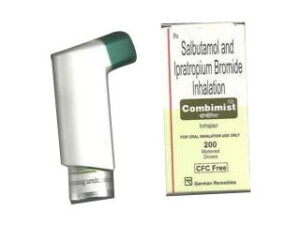
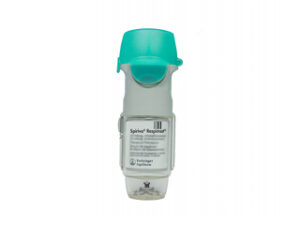
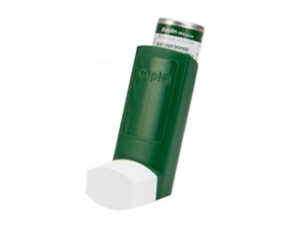
| Common form | Metered-dose inhaler (MDI) with mouthpiece |
| What it’s for | Relief of wheeze, coughing, chest tightness, and shortness of breath due to reversible airway narrowing |
| How it works (in brief) | Relaxes airway muscle to improve airflow |
How Ventolin works (mechanism of action)
Salbutamol is a beta2-adrenoceptor agonist. When you inhale it, it binds to receptors in the smooth muscle lining the airways. This triggers relaxation of the airway muscles, leading to:
- Bronchodilation (widening of the airways)
- Reduced airway resistance, making it easier to move air in and out
- Relief of symptoms such as wheezing and breathlessness
Ventolin is designed to act quickly and is classed as a reliever medicine (not a preventative/controller).
Pharmacokinetics (how the body handles it)
The way salbutamol behaves in the body after inhalation depends on absorption through the lungs and, to a lesser extent, swallowing of some medication residue.
- Absorption: After inhalation, salbutamol is absorbed into the bloodstream primarily from the lungs.
- Onset: Improvement is typically felt within minutes.
- Distribution: Salbutamol distributes in body tissues, with greatest relevance to airway function.
- Metabolism: Most of the drug that reaches the bloodstream is metabolised in the liver (primarily into inactive metabolites).
- Elimination: Metabolites are mainly excreted through the kidneys (urine).
- Duration: Relief usually lasts several hours, though individual responses vary.
Because it is inhaled, the local effect in the airways is achieved rapidly, even though small amounts may be swallowed and processed by the body.
Typical uses and indications (what it helps)
Ventolin Inhaler is commonly used to relieve bronchospasm associated with conditions where the airways can narrow and become inflamed.
Common indications include:
- Asthma — relief of acute symptoms (wheeze, cough, tight chest, shortness of breath)
- Exercise-induced bronchoconstriction — relief when symptoms occur with activity, as advised
- Reversible airway obstruction — where a clinician has identified a reversible component
- COPD — for symptomatic relief in some people (use depends on overall treatment plan)
- Other causes of reversible bronchospasm as directed by a healthcare professional
Important: Ventolin helps to treat symptoms when they occur, but it does not replace long-term anti-inflammatory treatment (such as inhaled corticosteroids) in asthma where needed.
Timing: when and how quickly it starts working
Ventolin inhaler usually starts working within a few minutes. Many people notice symptom relief soon after using it correctly.
- Onset: typically within ~5 minutes (varies by person and technique)
- Peak effect: often occurs within the first 1–2 hours
- Duration: symptoms commonly improve for around 4–6 hours, but this can vary
If symptoms are not improving, or if you need repeated doses more frequently than usual, seek medical advice promptly.
Dosing overview (general guidance)
Dosing depends on age, severity, the exact product strength, and your personalised action plan. Use the dose range recommended on your medicine label or by your clinician.
General dosing patterns (reliever use) may include:
- Adults and adolescents: commonly 1–2 inhalations per episode when symptoms occur
- Children: dosing is often based on age and may be lower; follow the child-specific instructions on the label or plan
For exercise-related symptoms: some people are advised to use their reliever shortly before exercise; this should be confirmed with an action plan.
Key points:
- If you require Ventolin frequently, your asthma or airway condition may not be well controlled.
- Using more reliever than usual can be a warning sign of worsening disease and may increase risk of side effects.
- Always check inhaler technique—incorrect technique is a common reason doses seem to “not work”.
Food interactions
Ventolin is inhaled, and direct food interactions are not typically expected. You can usually take your reliever inhalation regardless of meals.
However, a few practical considerations can help:
- Avoid eating immediately before inhalation if you notice it makes you cough or struggle to inhale correctly.
- Stay hydrated if you experience thick mucus, as this can support easier breathing.
- Rinse your mouth after using inhaled therapies that may leave residue (often more emphasized for steroid inhalers, but good mouth hygiene is still beneficial).
Alcohol and medicine interactions
Alcohol
Moderate alcohol intake is not known to have a specific direct interaction with salbutamol in most people. However, alcohol can sometimes:
- Worsen sleep-related breathing problems
- Increase dehydration
- Trigger reflux in some individuals, which may affect breathing symptoms
If you notice your breathing symptoms worsen after alcohol, discuss this with your healthcare professional.
Medicine interactions (important)
Several medicines may influence heart rhythm or potassium levels, or affect how beta-agonists work. Always check your full list of medicines with a pharmacist or doctor, especially if you take any of the following:
- Other inhaled beta-agonists (e.g., additional relievers) — using more than intended may increase side effects
- Beta-blockers (including some eye drops) — may reduce the effect of salbutamol or provoke bronchospasm in susceptible people
- Diuretics (“water tablets”) — can increase risk of low potassium when combined with beta-agonists
- Corticosteroids (especially at higher doses) — can also contribute to potassium shifts, particularly if combined with frequent reliever use
- Other medicines that affect heart rhythm — may increase the risk of palpitations or arrhythmia in vulnerable individuals
- Medications that increase salbutamol effects (via metabolic pathways) — may raise side effect risk
If you experience significant palpitations, chest pain, fainting, or severe tremor after using Ventolin, seek urgent medical attention.
Safety profile: common and serious side effects
Like all medicines, Ventolin can cause side effects. Many people experience mild effects, especially after first use or higher doses. Side effects can often be reduced by using correct inhaler technique and following your personalised dosing plan.
Common side effects
- Tremor (shaking), often in the hands
- Palpitations (awareness of heartbeat)
- Headache
- Feeling a bit “jittery”
- Muscle cramps
Less common but important
- Low potassium (hypokalaemia) — more likely with frequent or high-dose use; symptoms may include weakness or muscle cramps
- Irregular heartbeat (rare) — risk increases in those with underlying heart conditions or with excessive dosing
- Worsening breathing paradoxically (bronchospasm) — rare; if this occurs, stop and seek medical advice
Seek urgent help if
- Your breathing rapidly worsens despite using your reliever as directed
- You have severe chest pain, fainting, or severe rapid/irregular heartbeat
- You develop signs of an allergic reaction (e.g., swelling of face/lips, rash, difficulty breathing)
- You need your reliever far more often than usual
Practical use tips (getting the best from your inhaler)
Correct inhaler technique is crucial. If you don’t inhale at the right time or use the inhaler incorrectly, much less medicine reaches the lungs.
Before you start
- Check the dose counter (if your device has one).
- Review technique periodically—many people need reminders.
- If you have difficulty coordinating breathing and pressing the canister, consider a spacer (where appropriate).
Step-by-step technique (general MDI guidance)
- Remove the cap and check the mouthpiece is clean.
- Shake the inhaler well if the instructions for your device say to do so.
- Breathe out gently away from the mouthpiece.
- Seal your lips around the mouthpiece.
- Start to inhale slowly.
- Press the canister once at the start of your slow inhale.
- Keep inhaling steadily and deeply.
- Hold your breath for about 5–10 seconds (or as comfortable), then breathe out slowly.
- If a second puff is required, wait about 30–60 seconds and repeat.
Spacer tips: Using a spacer can reduce coordination problems and can improve delivery to the lungs. If you use a spacer, follow the spacer instructions and ask a pharmacist or nurse to demonstrate your technique.
After use
- If you use other inhalers (especially steroid preventers), keep them in your routine schedule.
- If you get mouth irritation or you notice taste changes, review technique; for some inhalers, rinsing after use may be recommended (especially for steroid medicines).
Alternative options (reliever and controller approaches)
Ventolin is a short-acting reliever. Depending on your symptoms and level of control, your healthcare professional may recommend alternative or additional treatments.
Reliever alternatives
- Other short-acting beta-agonists (SABA) — similar purpose; choice depends on availability, dose, and how you respond.
- Combination reliever medicines — in some asthma plans, certain inhalers may combine bronchodilation with other actions (based on clinician guidance).
Preventer/controller medicines (for long-term control)
- Inhaled corticosteroids (ICS) — reduce airway inflammation and are central to asthma control.
- ICS/LABA combinations — for people who require stronger control.
- Other add-on therapies — for selected conditions and severity levels.
If you are needing your reliever often, it’s worth discussing long-term control options. Relievers relieve symptoms, but controllers reduce the underlying tendency for airways to narrow.
Market and legal context in Australia
In Australia, medicines are regulated by the Therapeutic Goods Administration (TGA). The status of Ventolin and similar products may vary by pack size and formulation, and may be supplied under different category rules (for example, some inhalers may be available through a pharmacist with appropriate processes).
Online pharmacies in Australia typically provide medicines in line with relevant national and state/territory requirements and the TGA’s scheduling and labelling standards. Availability can also depend on current supply and product lines.
Always verify the product details on the listing you purchase, including strength, device type, and whether the pack includes additional items such as a spacer.
Recent guidance and common clinical messages (Australia)
Current asthma and airway care messages generally emphasise that:
- Frequent reliever use can indicate poor control. Needing more Ventolin than usual may mean inflammation is not well controlled.
- Inhaler technique matters. Many treatment failures are due to incorrect technique.
- Asthma action plans improve outcomes. A written plan helps you respond to worsening symptoms appropriately.
- Urgent assessment is needed for severe symptoms. If breathing is not improving after reliever use, seek urgent medical help.
For people with asthma, local guidance often supports ensuring an adequate preventative strategy (frequently an inhaled corticosteroid-based approach), especially for those with ongoing symptoms or exacerbation risk.
Delivery and availability (online pharmacy)
Ventolin Inhaler may be available from online pharmacies across Australia. Delivery options typically depend on your location and the pharmacy’s dispatch schedules.
- Processing time: many orders are processed within business hours.
- Delivery estimates: can vary by metropolitan vs regional areas.
- Stock availability: may change due to manufacturer supply.
- Packaging: products are shipped with appropriate labelling and handling.
If you are planning for school/work or travel, consider ordering early so you always have spare reliever access.
Important questions to ask before you start (or if symptoms change)
- Is Ventolin being used as a reliever only, or is it part of a combined plan?
- Do I need a spacer to improve delivery?
- What signs indicate my condition is worsening?
- When should I seek urgent care?
- How often should I review my inhaler technique and action plan?
FAQ — Ventolin Inhaler (Salbutamol)
1) How fast does Ventolin work?
Many people feel improvement within a few minutes after inhaling. Peak benefit is often within the first hour or two, and relief usually lasts for several hours.
2) How often can I use Ventolin?
The frequency depends on your age, condition, and personal asthma/airway action plan. If you find you need it more frequently than usual, it may indicate worsening control and you should seek advice.
3) What if Ventolin doesn’t seem to work?
Common reasons include incorrect inhaler technique, an empty canister, insufficient inhalation effort, or the inhaler not being shaken/used correctly (depending on device instructions). If symptoms are severe or not improving, seek urgent medical help. If mild-to-moderate symptoms persist, speak to a pharmacist or clinician promptly.
4) Should I rinse my mouth after using Ventolin?
Rinsing is more commonly emphasised for inhaled corticosteroids, but maintaining good mouth hygiene is helpful. If your mouth feels irritated or you notice unusual taste, consult a pharmacist for advice.
5) Can I use Ventolin with a spacer?
In many cases, using a spacer can improve delivery and reduce coordination difficulties. If you are unsure, ask a pharmacist to demonstrate the exact setup for your device and spacer type.
6) Are there side effects I should watch for?
Common effects include tremor and palpitations. Seek urgent medical care if you experience severe chest pain, fainting, severe rapid/irregular heartbeat, or if breathing worsens despite using the reliever as directed.
7) Can I drink alcohol while using Ventolin?
There is no well-established direct interaction for most people, but alcohol can worsen symptoms indirectly in some individuals. If you notice breathing problems after alcohol, discuss it with your healthcare professional.
8) Does Ventolin interact with other medicines?
It may interact with medicines such as beta-blockers, diuretics, and other drugs affecting potassium or heart rhythm. Tell your pharmacist about all medicines, including eye drops and supplements.
9) Is Ventolin the same as a “preventer”?
No. Ventolin is a reliever. Preventers (often inhaled corticosteroids) help reduce inflammation and reduce the likelihood of symptoms returning.
10) When should I seek urgent care?
Seek urgent help if your breathing is getting worse, you are struggling to speak in full sentences, you have severe chest tightness, or symptoms do not improve after using Ventolin as advised in your action plan.
Summary
Ventolin Inhaler (salbutamol) is a short-acting reliever that helps open airways quickly by relaxing airway smooth muscle. It is commonly used for asthma and reversible bronchospasm to relieve wheeze and breathlessness when symptoms flare. Correct inhaler technique (and use of a spacer when recommended) makes a significant difference to how well it works.
If you require Ventolin frequently or symptoms are not controlled, it’s important to review your overall treatment plan. Keep your inhaler accessible, follow your action plan, and seek urgent help if breathing becomes severe.