

Flecainide (Flecainide Acetate) – Patient-Friendly Guide (Australia)
Flecainide is a medicine used to treat certain types of abnormal heart rhythms (arrhythmias). It is taken by mouth and works by helping to stabilise the heart’s electrical activity. This guide is written to help you understand what flecainide does, how it is used, what to expect, and the practical points that can improve safety and comfort.
Always follow the instructions given to you by your healthcare professional. If you have any concerns—especially symptoms like fainting, severe dizziness, chest pain, or worsening palpitations—seek urgent medical help.
Basic product information
| Category | Details |
|---|---|
| Generic name | Flecainide (commonly as flecainide acetate) |
| Medicinal class | Anti-arrhythmic medicine (Class Ic) |
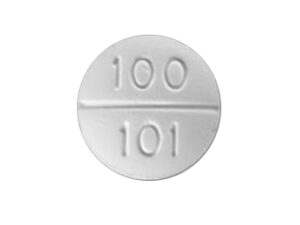
| Typical form | Tablets (strengths vary by brand) |
| How it is taken | Oral (by mouth) |
| Common uses | Selected rhythm disorders (e.g., atrial fibrillation/flutter in appropriate patients) |
In Australia, the name and available strengths may vary between brands and product listings. Your pharmacist can confirm the specific strength and dosing instructions for your pack.
How flecainide works (mechanism of action)
The heart rhythm depends on electrical signals travelling through cardiac tissue. Flecainide belongs to Class Ic anti-arrhythmics. It primarily works by:
- Blocking fast sodium channels in the heart cells, slowing the conduction of electrical impulses.
- Reducing abnormal electrical re-entry circuits, which can help prevent or terminate certain tachyarrhythmias.
- Stabilising electrical activity, which can reduce episodes of palpitations in suitable patients.
Because it affects electrical conduction, flecainide can also increase the risk of rhythm worsening in some situations—this is why it requires careful assessment and monitoring.
Pharmacokinetics: how the body handles flecainide
Pharmacokinetics describes how the body absorbs, distributes, metabolises, and eliminates a medicine. For flecainide, key points include:
- Absorption: Flecainide is absorbed after oral dosing (time to peak levels varies by formulation and individual factors).
- Distribution: It distributes throughout body tissues, including the heart.
- Metabolism: Flecainide is metabolised mainly by the liver.
- Elimination: The medicine is cleared from the body through metabolism and excretion (including via the kidneys).
- Half-life: The elimination half-life is typically on the order of many hours (often around 10–20 hours, varying by patient).
Clinical implication: doses may need adjustment for people with liver or kidney impairment, and your clinician may consider monitoring (for example, ECG checks and blood tests where applicable).
Typical uses and indications
Flecainide is used for specific rhythm problems in selected patients. Depending on your individual diagnosis and risk factors, it may be used to:
- Maintain or restore normal rhythm in certain atrial arrhythmias (e.g., atrial fibrillation or atrial flutter) when appropriate.
- Reduce frequency of episodes of symptomatic supraventricular arrhythmias.
- Manage documented arrhythmias after evaluation by a cardiologist, particularly when other treatments are unsuitable or not effective.
Flecainide may not be suitable for some people, especially those with certain underlying heart disease or conduction abnormalities. This is why careful selection and monitoring are important.
Timing: when to take flecainide and how often
Flecainide is usually taken twice daily, but some regimens differ based on your diagnosis, formulation, and clinician preference. The most important rule is:
- Take it at the same times each day to help maintain steady levels.
- Do not change the dose without medical advice.
- Do not stop suddenly unless advised—your rhythm may worsen.
If you miss a dose, follow the advice provided with your medicine. In general, if you remember soon after, take it. If it is close to the next dose, skip the missed dose—do not double up.
Food interactions
For many people, flecainide can be taken with or without food. However, food may affect absorption slightly and individual regimens are sometimes designed for consistency.
- Try to be consistent: take flecainide the same way each day (with meals or without), unless your clinician advises otherwise.
- If you experience stomach upset, ask your pharmacist if taking with food could help.
Always read your specific product label and follow the directions given to you.
Alcohol and medicine interactions
Alcohol can influence heart rhythm, hydration, and medication tolerance. While flecainide does not have a single “universal” alcohol rule, it can be risky to mix alcohol with medicines that affect cardiac conduction and blood pressure.
- Avoid binge drinking; it can trigger irregular heart rhythms.
- Be cautious if you notice dizziness, light-headedness, or palpitations after alcohol.
- Medication interactions: Alcohol may add to side effects such as dizziness or fatigue.
If you’d like, tell your pharmacist about your typical alcohol intake and other medicines you use (including over-the-counter and herbal products) so they can check for potential interactions.
Other medicine interactions (important)
Flecainide interacts with some medicines, largely due to effects on liver metabolism and changes in heart rhythm. Examples include:
- Medicines that affect heart rhythm (other anti-arrhythmics or certain cardiac medicines) may increase the risk of abnormal conduction or pro-arrhythmia.
- Some antidepressants and other drugs that influence cardiac conduction may increase risk of rhythm problems.
- Liver enzyme inhibitors can increase flecainide levels, potentially raising the risk of toxicity.
- Electrolyte-affecting medicines (e.g., some diuretics) can change potassium and magnesium—key for heart rhythm stability.
Do not start, stop, or change any medicine—including supplements—without checking first. Provide your pharmacist with:
- A list of all prescription medicines
- Any over-the-counter products
- Herbal and complementary products
- Recent changes to doses
If you have kidney or liver impairment or take multiple medicines, interaction checks are even more important.
Dosing: typical approach and what to expect
Flecainide dosing must be individualised. Your clinician will consider your specific arrhythmia, ECG findings, heart structure, kidney/liver function, age, and interacting medicines.
Common general dosing patterns (for illustration):
- Often taken twice daily in adults.
- In some cases, a clinician may begin with a lower dose and adjust based on response and tolerability.
Key safety principle: Dose changes may require follow-up assessments (such as ECG monitoring). Because flecainide can affect conduction and rhythm, it is not a “trial-and-error” medication.
Practical timing example
- Morning dose: around the same time each day
- Evening dose: around 12 hours later (adjust to your prescribed schedule)
Follow your prescriber’s instructions and the specific dosing label on your pack.
Safety profile: when flecainide may be risky
Flecainide can be safe and effective when used appropriately, but it has important risks. It can cause or worsen arrhythmias in certain patients, especially those with:
- Significant structural heart disease or prior myocardial infarction (heart attack)
- Certain conduction disorders or baseline ECG abnormalities
- Severe heart failure
- Marked kidney or liver impairment without dose adjustment
- Use of interacting medicines that raise flecainide levels
Your clinician will assess your suitability and may recommend monitoring, especially during initiation or dose changes.
Common side effects
- Dizziness or light-headedness
- Headache
- Nausea or stomach discomfort
- Blurred vision or fatigue (may occur in some people)
- Feeling “slower” or unusually tired
Serious symptoms—get urgent medical help
Seek urgent medical care (or call emergency services) if you experience:
- Fainting or near-fainting
- Chest pain or severe shortness of breath
- New or worsening irregular heartbeat that feels severe or sustained
- Sudden severe dizziness or inability to stay standing
- Signs of stroke (e.g., face drooping, arm weakness, speech difficulty)
For rhythm medicines, worsening symptoms can be time-critical—do not “wait and see” if you feel unsafe.
Practical use tips for safer and more comfortable treatment
- Keep a symptom diary: note episode timing, duration, triggers (e.g., missed sleep, alcohol, illness), and any associated symptoms.
- Attend follow-up ECG checks: your clinician may re-check after starting or adjusting.
- Don’t double doses: if you miss one, follow the pack advice or ask your pharmacist.
- Manage electrolytes: if you take diuretics or have vomiting/diarrhoea, ask about electrolyte risks (potassium/magnesium).
- Review drug interactions regularly: update your pharmacist if you start antibiotics, antidepressants, antifungals, or new heart medicines.
- Be careful with sudden illnesses: fever, dehydration, or gastroenteritis can affect hydration and rhythm stability.
- Inform other clinicians: tell your GP, cardiologist, dentist, and emergency staff that you’re taking flecainide.
If you experience side effects, don’t stop the medicine on your own—contact your clinician for advice. Abrupt changes can affect rhythm control.
Alternative options
Depending on your diagnosis, severity, and risk factors, alternatives to flecainide may include:
- Other anti-arrhythmic medicines (choices depend on rhythm type and heart health).
- Rate-control medicines for some patients (these help control heart rate rather than restoring rhythm).
- Cardioversion (a procedure to restore normal rhythm in certain circumstances).
- Ablation (a procedure to target abnormal electrical pathways).
- Lifestyle and trigger management (sleep, caffeine moderation, managing stress, treating underlying conditions).
Your cardiologist can explain which option is most appropriate for your specific arrhythmia. The best approach often depends on how long you’ve had the rhythm problem, symptom severity, and underlying heart health.
Market and legal context for Australia
In Australia, medicines containing flecainide are regulated under the Therapeutic Goods Administration (TGA) framework and are provided through the medicines distribution system. Availability on an online pharmacy website typically depends on:
- Whether the product is listed and authorised for sale in Australia
- Correct identification of the product and strength
- Compliance with Australian pharmacy and consumer medicines requirements
- Appropriate patient counselling by qualified health professionals
On the online pharmacy site, you may see guidance that ensures safe supply, such as product information, interaction checks, and ordering requirements aligned with Australian regulations.
Note: Product availability can change. If you cannot find your usual strength, speak with the pharmacy team for assistance.
Recent guidance and monitoring considerations
While specific recommendations can vary over time and by individual patient profile, common clinical safety practices for flecainide include:
- Careful patient selection (ensuring appropriate heart structure and conduction status).
- ECG monitoring at initiation and after dose changes (or as clinically indicated).
- Attention to interacting medicines and drugs that may raise flecainide exposure.
- Monitoring kidney and liver function when relevant.
- Reviewing symptoms and safety “red flags” promptly.
Clinical guidance can evolve as evidence and safety updates emerge. If you’re unsure whether your current treatment plan remains appropriate, discuss with your cardiologist or GP.
Delivery and availability (Australia)
Online pharmacies in Australia commonly offer delivery to eligible locations via Australia Post or courier services. Availability and dispatch speed depend on:
- Stock levels and product strength
- Cut-off times for dispatch on business days
- Delivery address and location (metro vs regional/remote)
- Any required verification steps before supply
On the product page or at checkout, you’ll usually find:
- Estimated delivery times
- Shipping costs (if applicable)
- Packaging details (typically protective packaging to prevent tablet damage)
- Order tracking information
If you need your medication urgently, contact customer support before placing the order.
How to store flecainide
- Store below 25°C (unless your product label states otherwise).
- Keep in the original packaging to protect from moisture and light.
- Keep out of reach of children.
- Do not use after the expiry date on the pack.
FAQ
1) What is flecainide used for?
Flecainide is used to treat certain abnormal heart rhythms in selected patients. It helps stabilise the heart’s electrical signalling to reduce or prevent episodes of specific arrhythmias.
2) How long does flecainide take to work?
Many people notice rhythm improvement after starting treatment, but the exact timing varies. Some effects can be seen quickly, while others may require days of adjustment. Your clinician may recommend ECG monitoring during the early period.
3) Can I take flecainide with food?
Usually yes. Aim for consistent timing and whether you take it with meals or on an empty stomach—follow the instructions on your pack or from your healthcare professional.
4) What should I do if I miss a dose?
Check the patient information leaflet or the instructions on your pack for the recommended approach. In many cases, if you remember soon you can take it, but if it’s near the next dose, skip the missed one and continue as scheduled. Do not double doses unless advised.
5) Is it safe to drink alcohol while on flecainide?
Alcohol can affect heart rhythm and may worsen side effects such as dizziness. If you choose to drink, avoid binge drinking and monitor for symptoms. Discuss your individual risk with your pharmacist or clinician.
6) Are there medicines I should avoid?
Yes. Flecainide can interact with other drugs, especially those affecting heart rhythm, liver metabolism, and electrolytes. Tell your pharmacist about every medicine and supplement you use so they can check interactions.
7) What ECG or monitoring might be needed?
Your clinician may check an ECG at baseline and again after starting or changing the dose, and may also review kidney/liver function depending on your health status.
8) What side effects are most common?
Common side effects include dizziness, headache, nausea, and fatigue. Contact a clinician promptly if symptoms are persistent or concerning.
9) When should I seek urgent help?
Seek urgent care if you faint, have severe chest pain, severe or sustained worsening palpitations, or symptoms that could indicate stroke. For rhythm medicines, it’s better to get checked early if you feel unsafe.
10) Are there alternatives if flecainide doesn’t suit me?
Yes. Treatment depends on your specific rhythm and health profile and may include other anti-arrhythmic drugs, rate-control medicines, procedures such as ablation, or cardioversion.
Important: This information is for education and does not replace advice from your healthcare professional. If you have questions about your specific condition, dosing schedule, or interactions, speak with your pharmacist or cardiologist.