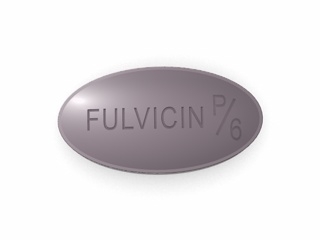
Fulvicin (Gresiofulvin) – Patient Information
Fulvicin (also known as griseofulvin) is an antifungal medicine used to treat certain fungal infections of the skin, hair, and nails. This guide is designed to be patient-friendly and help you understand how the medicine works, how it’s typically taken, and what to watch for.
This information is general and may not cover every personal circumstance. Always follow the instructions provided with your medicine and discuss any questions with a healthcare professional.
Key Product Information
| Item | Details |
|---|---|
| Generic name | Griseofulvin |
| Brand name | Fulvicin |
| Medicine type | Systemic (whole-body) antifungal |
| Main use | Fungal infections involving skin, hair, and nails (certain types) |
| How it’s taken | By mouth, usually for days to weeks (sometimes longer for nails/hair) |
| Common dosage forms | Oral tablets or oral formulations (varies by product strength) |
How Fulvicin Works (Mechanism of Action)
Fungal cells need to build and maintain their structure to survive and multiply. Griseofulvin works by interfering with the way fungal cells form microtubules—structures involved in cell division.
In practical terms, this means griseofulvin helps stop the fungus from spreading and allows healthy skin, hair, or nail to grow in as the infection gradually clears.
- Targets fungal growth rather than instantly killing every fungus on contact.
- Effect depends on consistent dosing over the time needed for new infected-free tissue to form.
- Nail and hair infections usually take longer because these tissues grow more slowly.
Pharmacokinetics (How the Body Handles It)
Pharmacokinetics describes how the medicine is absorbed, distributed, metabolised, and eliminated.
- Absorption: Griseofulvin is absorbed from the gastrointestinal tract. Taking it with or after fat-containing food can improve absorption for many people.
- Distribution: It concentrates in skin, hair, and keratin-forming tissues, which is why it is used for infections in these areas.
- Metabolism: Griseofulvin is metabolised in the liver.
- Elimination: The medicine and its metabolites are mainly eliminated through the body via urine and bile.
Because griseofulvin may take time to build up and then clear out as affected tissue grows out, improving symptoms does not always happen overnight—even when treatment is working.
Typical Use in Everyday Language
Fulvicin is most commonly used for dermatophyte infections—fungi that can invade keratin (the protein in skin, hair, and nails). Common examples include:
- Tinea capitis (scalp ringworm)
- Tinea corporis (body ringworm)
- Tinea pedis (athlete’s foot), in appropriate cases
- Tinea cruris (jock itch)
- Onychomycosis (fungal nail infections), depending on the type and severity
The exact choice of treatment depends on the fungal species, the site of infection, and how widespread it is. A clinician may confirm diagnosis by examining the skin/hair/nail or using appropriate testing.
Indications (What It’s Used For)
In Australia, griseofulvin-containing products are typically indicated for:
- Dermatophyte infections of the skin (tinea), hair, and nails
- Selected cases of fungal nail disease where systemic therapy is appropriate
It is not the usual treatment for all fungal infections. For example, infections caused by Candida (yeast) often require different medicines.
How to Take Fulvicin (Timing & Dosing Principles)
Dosing depends on factors such as:
- Your age and weight
- The type and location of the fungal infection
- The formulation and strength of the Fulvicin product you received
- Your liver function and other medical factors
The information below outlines general principles. Your prescribed plan should be followed exactly.
Typical dosing approach (general guidance)
- Oral tablets/formulations are usually taken , depending on the product and your clinician’s instructions.
- Continue for long enough for healthy tissue to replace infected tissue.
- Skin: commonly several weeks (varies)
- Scalp/hair: commonly longer than skin infections
- Nails: often months, because fingernails and toenails grow slowly
When to take it
- Take at the same time(s) each day to help maintain consistent levels.
- Taking with food (especially meals with some fat) may improve absorption.
- Try to avoid missing doses. If you do miss a dose, take it as soon as you remember unless it is close to the time of your next dose—then skip the missed dose and continue as normal.
If you are unsure about what to do after a missed dose, check your medicine label or ask a pharmacist.
Food Interactions (What to Know)
Food can affect how well griseofulvin is absorbed. As a general patient-friendly rule:
- Take with meals or shortly after food to improve absorption.
- Some people find it easier on the stomach when taken with food.
There are no specific “forbidden” foods, but heavy alcohol intake or certain medication interactions may be more important than diet. If your healthcare professional advises dietary changes due to another condition (e.g., liver disease), follow those instructions.
Alcohol and Medicine Interactions
Alcohol
While moderate alcohol may not be prohibited for every person, griseofulvin is metabolised in the liver, and alcohol can also affect the liver. To reduce risk:
- Avoid binge drinking.
- If you have liver disease or past liver problems, discuss alcohol use with a clinician or pharmacist.
- If you develop symptoms such as unusual tiredness, dark urine, yellowing of the eyes/skin, or severe abdominal pain, seek medical advice promptly.
Medicine interactions (important)
Griseofulvin can interact with other medicines. It may affect the liver enzymes that process many medicines, potentially changing their levels.
Tell a healthcare professional about all medicines you take, including:
- Prescription medicines
- Over-the-counter products
- Herbal medicines and supplements
Examples of medicines that may interact include (not exhaustive):
- Warfarin and other anticoagulants (blood thinning medicines)
- Oral contraceptives (may affect contraceptive reliability for some people)
- Some anti-seizure medicines
- Other medicines metabolised by the liver
- Some antibiotics/antifungals (depending on the specific medicine)
If you use hormonal contraception, it’s particularly important to ask about reliable additional contraception while on griseofulvin and for a period after—this can vary depending on local advice and your situation.
Safety Profile (Who Should Be Cautious)
Like all medicines, Fulvicin (griseofulvin) can cause side effects. Many people tolerate it well, but you should be aware of both common and rare but serious effects.
Common side effects
- Headache
- Nausea or stomach discomfort
- Dizziness
- Skin rash or mild itching
- Light sensitivity (some people may burn more easily)
Serious side effects—seek urgent medical advice
- Signs of liver problems: yellow eyes/skin (jaundice), dark urine, severe persistent nausea/vomiting, right upper abdominal pain
- Severe allergic reaction: swelling of face/lips, difficulty breathing, widespread hives
- Severe skin reaction: blistering, peeling, or painful rash
- Unusual bruising or bleeding (especially if you take blood thinners)
- Severe fatigue or worsening weakness
Who should be extra cautious
- People with a history of liver disease or abnormal liver tests
- People who drink alcohol regularly or heavily
- People taking multiple medications with known interaction potential
- Those with previous drug allergies or past reactions to antifungals
Practical Use Tips for Best Results
Antifungal success often depends on both medication adherence and avoiding reinfection.
- Take it consistently—don’t stop early when symptoms improve.
- Be patient: skin lesions may look better before the fungus is fully cleared; nails often take months.
- Keep the affected area dry where appropriate (especially for feet and skin folds).
- Hygiene matters:
- Change socks daily (or more often if sweaty)
- Use clean towels and avoid sharing personal items
- Wash clothing and bedding regularly
- Protect treated areas from scratching and irritation to reduce spread and secondary infection.
- Consider topical treatment if recommended by a clinician or pharmacist—some fungal conditions respond best with a combination approach.
If you’re treating nails
- Continue until new, unaffected nail grows out.
- Keep nails trimmed and avoid aggressive filing that could damage surrounding skin.
- If you use nail polish, adhesives, or artificial nails, discuss with a clinician about whether they should be removed/avoided during treatment.
If you’re treating scalp/hair
- Follow hair washing instructions provided by your clinician.
- Use antifungal shampoos/lotions only if specifically advised—don’t combine random products without guidance.
- Check close contacts if they develop symptoms, as some dermatophyte infections spread easily.
Alternative Options (Depending on the Infection Type)
Other treatments for dermatophyte infections may include different oral antifungals and topical therapies, depending on the site and severity.
Common alternatives
- Oral antifungals such as terbinafine or itraconazole (selection depends on infection type and local guidance)
- Topical antifungal creams for milder or more localised skin infections
- Antifungal shampoos (especially for scalp infections as an adjunct)
The best alternative depends on:
- Whether the infection is in skin, scalp, or nails
- How extensive it is
- Your medical history and medicine interactions
- Which fungus is present (if confirmed)
Discuss options with a clinician or pharmacist if you experience side effects, inadequate response, or significant drug interactions.
Fulvicin in the Australian Market: Legal & Access Context
In Australia, medicines are regulated by the Therapeutic Goods Administration (TGA) under the Australian regulatory framework. Access to medicines may depend on the formulation and scheduling requirements. Availability can vary between wholesalers, pharmacies, and product brands.
- Products containing griseofulvin are used for appropriate fungal infections.
- Scheduling and supply requirements may differ by brand, strength, and presentation.
- Manufacturers and suppliers may periodically change packaging or availability.
For the most up-to-date information about a specific product, consult your pharmacist. If an item is temporarily unavailable, a pharmacist can advise on alternatives or comparable formulations.
Recent Guidance & Practical Expectations
Clinical practice continues to emphasise:
- Accurate diagnosis of the fungal type and infection site
- Long enough treatment duration (especially for nails and scalp)
- Adherence to improve cure rates
- Managing drug interactions and monitoring when needed
While antifungal medicines can be effective, dermatophyte infections may recur if the underlying risk factors (e.g., athlete’s foot leading to reinfection of nails) aren’t addressed.
Delivery, Availability & What to Expect from an Online Pharmacy
Availability of Fulvicin and other griseofulvin products may vary. Online pharmacies typically:
- Provide clear product details (strength, formulation, and manufacturer)
- Confirm availability and estimated dispatch times
- Use secure packaging for transport
- Offer delivery options to eligible areas within Australia (subject to local regulations)
Delivery times can depend on stock status and carrier schedules. If the exact product is not available, the pharmacy may contact you with options such as:
- Restocking updates
- Comparable alternative medicines (where appropriate)
- Different strengths or formulations, if supplied under the same clinical plan
FAQ – Frequently Asked Questions
1. How long does it take for Fulvicin to work?
Many skin infections start looking better within a few weeks, but the full course must be completed. Nail infections usually take months because new nail growth is slow. If there is no improvement within the expected timeframe, ask your pharmacist or clinician for advice.
2. Can I stop taking Fulvicin once I feel better?
It’s important not to stop early. Symptoms can improve before the fungus is completely cleared. Stopping too soon may increase the chance of recurrence.
3. What if I miss a dose?
Take the missed dose when you remember unless it is near the time of your next dose. If it is close, skip the missed dose and continue as normal. If you’re unsure, ask a pharmacist for personalised guidance.
4. Should I take it with food?
Taking Fulvicin with meals can improve absorption for many people and may reduce stomach discomfort. Follow the directions on your medicine label.
5. Can I drink alcohol while taking Fulvicin?
Alcohol is best avoided or kept to a minimum while taking griseofulvin, especially if you have any liver risk factors. If you have concerns, discuss with a clinician or pharmacist.
6. Are there medicines I must avoid?
Griseofulvin can interact with several medicines. Always provide your full medicine list (including supplements and herbal products) to your pharmacist or clinician before starting.
7. Does Fulvicin treat all types of fungal infections?
Fulvicin is mainly used for dermatophyte infections. If the infection is due to yeast (Candida) or another organism, different medicines may be needed.
8. Will I need monitoring?
Depending on your dose, duration, and health history (particularly liver health), a clinician may request blood tests. If monitoring is recommended, attend as scheduled.
9. What should I do if I get a rash?
Mild skin changes may occur, but if the rash is severe, widespread, blistering, or accompanied by breathing difficulty or facial swelling, seek urgent medical care.
10. How can I prevent reinfection?
Focus on hygiene and environmental control:
- Keep the area dry
- Change socks/underwear regularly
- Don’t share towels or clothing
- Treat any remaining fungal areas (e.g., athlete’s foot) as advised
Summary
Fulvicin (griseofulvin) is an oral antifungal used for certain dermatophyte infections affecting skin, hair, and nails. It works by disrupting fungal cell division and is most effective when taken consistently for long enough to allow healthy tissue to grow in. Food—especially meals—can improve absorption, and interactions with alcohol and other medicines should be considered. If you notice symptoms of liver problems or a severe allergic reaction, seek medical attention promptly.
If you’re unsure whether Fulvicin is the right medicine for your condition, or if you have concerns about interactions or duration, speak with a healthcare professional or pharmacist.