
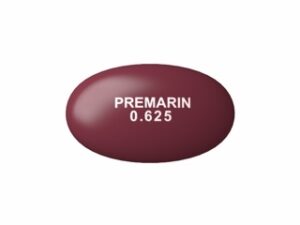
Estradiol (Estrogen) – Patient-Friendly Information (Australia)
Estradiol is a form of oestrogen, a natural hormone that plays an important role in the body—particularly in the female reproductive system. In Australia, estradiol medicines are used for several hormone-related conditions and stages of life, including symptoms caused by menopause and certain oestrogen-deficiency states. Depending on the product, estradiol may be supplied as tablets, patches, gels, or other formulations.
This guide explains what estradiol does, how it works, how it behaves in the body, how it is typically taken, and important safety considerations—written in clear, patient-friendly language for an Australian online pharmacy setting.
Basic product information
| Item | Details (general) |
|---|---|
| Generic name | Estradiol |
| Medicine type | Oestrogen (sex hormone) |
| Common forms (examples) | Tablets, transdermal patches, topical gels/creams (varies by brand) |
| Who uses it | People with oestrogen deficiency or hormone-related conditions (and, in some regimens, in combination with other hormones such as a progestogen) |
| Main benefits | Relief of menopausal symptoms, prevention/treatment of oestrogen deficiency effects, and support for certain clinical indications |
| Key safety topic | Risk varies by dose, route, age, personal history, and whether a uterus is present (progestogen may be needed to protect the womb) |
Note: Brand names and strengths vary. Always follow the specific instructions on your product label and the Consumer Medicine Information (CMI) for your exact estradiol brand and form.
How estradiol works (mechanism of action)
Estradiol binds to oestrogen receptors in body tissues. This interaction influences gene activity and helps regulate many functions, including:
- Thermoregulation: helps reduce hot flushes and night sweats associated with menopause.
- Vaginal and urinary tissues: supports tissue thickness and lubrication, helping symptoms such as vaginal dryness, discomfort, and urinary symptoms.
- Bone metabolism: helps slow bone loss, reducing the risk of osteoporosis in appropriate patients.
- Cardiovascular and metabolic effects: oestrogen influences lipids, blood vessel function, and inflammatory pathways—effects vary by route and individual risk factors.
In many people who have a uterus, estradiol alone may increase the risk of endometrial (womb) overgrowth if used continuously. For that reason, a progestogen (another hormone) is often added as part of hormone therapy to help protect the womb. The exact regimen depends on your health profile and the estradiol form.
Pharmacokinetics: how estradiol is handled by the body
Pharmacokinetics describes how the body absorbs, distributes, metabolises, and eliminates a medicine.
Absorption
- Transdermal (patch/gel): estradiol is absorbed through the skin and enters the bloodstream more gradually. This often produces steadier blood levels.
- Oral tablets: estradiol is absorbed through the gastrointestinal tract. It is then processed in the liver first (“first-pass metabolism”), which can alter the levels of related hormones and proteins.
Distribution
Estradiol circulates in the bloodstream and binds to proteins. A portion is free (active) and part is bound. Protein binding influences how much estradiol is available for tissue effects.
Metabolism
Estradiol is mainly metabolised in the liver into various metabolites. Some metabolites have their own activity, but most are eventually cleared from the body.
Elimination
Metabolites are eliminated primarily via urine and bile pathways. The exact timing can vary by formulation, dose, and individual liver function.
Practical implication: because absorption and metabolism differ by route, two people on the same estradiol “amount” but different formulations may experience different blood levels and symptom control. That is why switching formulations should be discussed with a clinician or pharmacist.
Typical use: what estradiol is prescribed for
Estradiol is commonly used to treat or prevent issues related to reduced oestrogen levels. Typical indications in clinical practice may include:
- Menopausal symptom relief (such as hot flushes and night sweats).
- Genitourinary syndrome of menopause (GSM), including vaginal dryness, irritation, pain with intercourse, and urinary discomfort (depending on product and route).
- Prevention of postmenopausal osteoporosis in appropriate patients at risk, where benefits outweigh risks.
- Oestrogen deficiency states in certain clinical scenarios under specialist care.
- Hormone therapy regimens that require estradiol in combination with a progestogen when a uterus is present.
Important: Indications and suitability depend on age, time since menopause, personal risk factors (for example, history of blood clots, stroke, certain cancers), and whether you have had a hysterectomy.
When to take estradiol (timing and routines)
The timing depends on the formulation:
- Transdermal patch: often applied to clean, dry skin on a regular schedule (commonly once or twice weekly depending on product). Rotate application sites to reduce irritation.
- Topical gel: applied at the same time each day as directed. Wash hands after applying and allow it to dry before dressing.
- Oral tablets: taken at consistent times daily. Some regimens are continuous; others follow a cycle—follow your specific instructions.
Consistency matters for symptom control. If you miss a dose, the correct action depends on the product and your dosing schedule; consult the CMI or your pharmacist for specific guidance.
Food interactions
Food interactions are usually limited, but they can vary by formulation:
- Oral estradiol tablets: taking with or without food may not cause major changes for many products. However, if the product leaflet provides specific instructions, follow them.
- Transdermal and topical forms: food generally does not affect absorption through the skin.
Tip: If you notice symptoms changing after switching your usual meal timing (or after starting a new tablet), discuss with a pharmacist. Sometimes changes relate to absorption, adherence, or regimen differences rather than a direct food interaction.
Alcohol and medicine interactions
Alcohol does not usually cause an immediate, direct interaction with estradiol in the way some antibiotics do, but alcohol can influence safety and side effects.
- Side effects: alcohol may increase risk of dizziness, nausea, headaches, or mood changes—effects that can overlap with hormone therapy side effects.
- Liver metabolism: because estradiol is metabolised in the liver, heavy or frequent alcohol consumption may be relevant for liver health. If you have liver disease or drink heavily, seek tailored advice.
Medication interactions (general): estradiol can interact with other medicines that affect liver enzymes (particularly those involved in hormone metabolism). Examples of medicine groups that may be relevant include certain anti-seizure medicines and some treatments for infections or HIV. Always inform a pharmacist of all current medicines, including herbal products.
Herbal supplements: “natural” products may still interact with hormones. If you use supplements such as St John’s wort (hypericum), discuss with a pharmacist before starting estradiol.
Safety profile and who should be cautious
Estradiol is effective for many people, but it is not suitable for everyone. Safety depends on dose, duration, age, and health history.
Common side effects
- Breast tenderness or swelling
- Headache or migraine changes
- Nausea, bloating, or stomach discomfort
- Fluid retention or mild swelling
- Mood changes
- Vaginal bleeding or spotting (especially early in treatment or when regimens change)
Serious risks (discuss before starting)
Serious risks are uncommon, but it’s important to understand the potential concerns:
- Blood clots (venous thromboembolism): risk can increase with hormone therapy, particularly in certain individuals and depending on route and risk factors.
- Stroke and cardiovascular events: risk varies by age, time since menopause, and personal risk factors.
- Endometrial changes: risk of endometrial hyperplasia or cancer may increase if someone with an intact uterus uses oestrogen without adequate progestogen protection.
- Breast cancer: risk may vary depending on regimen, duration of use, and personal risk factors.
- Gallbladder disease: may be more likely in some people using estrogen therapy.
When to seek urgent help
Contact urgent medical services or seek immediate care if you experience:
- Signs of a blood clot: sudden leg pain/swelling, shortness of breath, coughing blood, chest pain
- Signs of stroke: facial drooping, weakness on one side, trouble speaking, sudden vision changes
- Severe or persistent headaches unlike usual
- Unusual heavy vaginal bleeding
Contraindications and major “check first” situations
People may need to avoid estradiol or use it only with careful assessment if they have a history of:
- Breast or oestrogen-dependent cancers (current or previous, depending on type)
- Unexplained vaginal bleeding
- Active or previous blood clots, stroke, or serious cardiovascular disease
- Known severe liver disease
- Some rare genetic conditions such as certain clotting disorders
If you are unsure whether estradiol is safe for you, speak with a pharmacist or clinician. Individual risk assessment is essential.
Dosing: how estradiol is used in practice
Doses vary widely by indication, formulation, and symptom severity. The “right dose” is often the lowest effective dose for the shortest appropriate duration, with review over time.
Because estradiol comes in different forms, dosing schedules differ. The following is a general guide to common practice patterns—please follow the specific CMI and product label for your brand.
Common dosing patterns
- Continuous therapy: estradiol is taken continuously every day (or maintained via continuous patch/gel application). Some regimens include progestogen continuously or cyclically depending on uterus status.
- Cyclic therapy: estradiol is taken in cycles (for example, with a break period or paired progestogen schedule). This pattern is more common in some regimens for people with a uterus.
- Titration: starting at a lower dose and adjusting if symptoms persist or side effects occur.
Monitoring and dose adjustments
- Your response (symptoms and side effects) is key.
- Regular review is recommended to ensure ongoing appropriateness.
- Periodic check-ups may include breast and pelvic assessments as appropriate to your age and risk profile.
Do not change dose or switch product form without professional guidance—especially if you use or need a progestogen to protect the uterus.
Practical use tips for best results
Transdermal patches
- Apply to clean, dry skin (avoid creams or lotions on the application site).
- Rotate sites (for example, left and right upper buttock, abdomen, or hip—based on product instructions).
- If a patch lifts or falls off, follow the product leaflet for replacement guidance.
Topical gels/creams
- Apply at the same time each day.
- Allow it to fully dry before dressing.
- Wash hands thoroughly after application (unless the packaging instructs otherwise).
- Prevent skin-to-skin transfer to others (cover the area with clothing; avoid direct contact until dry).
Oral tablets
- Take at consistent times daily.
- If you experience stomach upset, ask a pharmacist whether taking with food is appropriate for your product.
General adherence tips
- Use a calendar or phone reminder to keep track of patch changes or daily gel/tablet dosing.
- Keep the medicine away from children.
- Do not share medicine with others.
Alternative options (depending on symptoms and goals)
For people experiencing menopause-related symptoms or oestrogen deficiency, options may include:
- Local vaginal oestrogen (for GSM), often with lower systemic absorption depending on formulation.
- Non-hormonal treatments such as certain prescription medicines for hot flushes (your clinician can advise suitability).
- Non-drug strategies including cooling techniques, layered clothing, sleep hygiene, and lifestyle changes.
- For bone health: osteoporosis treatments and calcium/vitamin D (based on risk profile).
- Herbal and supplement options: evidence varies; check with a pharmacist due to possible interactions and inconsistent product quality.
If you’re considering alternatives, it’s helpful to clarify which symptom you’re targeting (hot flushes vs vaginal dryness vs bone health), because treatment choice differs.
Market and legal context for Australia
In Australia, medicines containing estradiol are regulated under the Therapeutic Goods Administration (TGA). Products must meet quality, safety, and efficacy standards, and may be listed under different scheduling requirements depending on formulation and strength.
Availability commonly depends on whether the specific product is supplied as a prescription or another regulated supply category. Australian consumers should also be aware of:
- Brand and formulation differences: not all estradiol products are the same.
- Supply requirements: online pharmacy availability may vary by category and patient eligibility.
- Patient information requirements: the CMI and medication guide should be provided.
Recent guidance (general): In Australia, hormone therapy decisions are increasingly individualised, taking into account age, time since menopause, symptom severity, and risk factors. Reviews over time are emphasised, and health professionals generally aim for the lowest effective dose for the shortest appropriate duration.
Delivery and availability (online pharmacy)
When ordering estradiol online, availability may depend on stock levels, formulation type (patch vs gel vs tablet), and strength. Many online pharmacies offer:
- Transparent product pages listing the active ingredient, strength, form, and key instructions
- Careful packaging to help protect medicines during transit
- Delivery tracking where available
- Delivery time estimates at checkout (varies by location and service)
Temperature and storage: follow the storage instructions on the label. If a product has specific temperature requirements, keep it in a cool, dry place and out of direct sunlight unless advised otherwise.
If you have questions about eligibility, product suitability, or how to use a specific estradiol format, contacting customer support or a pharmacist can help ensure you select the correct product and regimen.
FAQ about estradiol
1) What is estradiol used for?
Estradiol is used to treat conditions related to low oestrogen, most commonly menopausal symptoms such as hot flushes and night sweats. It may also be used for vaginal and urinary symptoms related to menopause and, in certain cases, to support bone health. The exact indication depends on the product form and your individual situation.
2) Do I need a progestogen with estradiol?
If you have a uterus, many hormone therapy regimens include a progestogen to help protect the womb from excessive lining growth. If you’ve had a hysterectomy (uterus removed), progestogen may not be necessary. Your clinician or pharmacist can advise based on your history.
3) How quickly will estradiol start working?
Some people notice symptom improvement within days to weeks, while other benefits—such as bone effects—require longer treatment. Vaginal symptoms may improve relatively quickly, especially with local oestrogen options, but responses vary.
4) Is estradiol the same as “natural” oestrogen?
Estradiol is a form of oestrogen and is chemically similar to oestradiol, a natural human hormone. However, medicines contain hormones in standardised doses and release patterns, which differ by formulation and brand.
5) Can I take estradiol with food?
For many people, food doesn’t cause a major interaction, but oral estradiol tablets may have product-specific advice. If your leaflet provides instructions (with or without food), follow those directions.
6) What if I miss a dose?
What to do depends on the formulation (patch, gel, or tablet) and timing within your schedule. Check the CMI for your product or ask a pharmacist for guidance. Avoid doubling up unless instructed.
7) Can I drink alcohol while using estradiol?
Moderate alcohol may be compatible for many people, but alcohol can worsen side effects and affect liver health. If you drink heavily or have liver problems, discuss with a pharmacist or clinician.
8) Are there lifestyle tips to reduce side effects?
Staying hydrated, managing nausea triggers (if relevant), maintaining a consistent dosing routine, and reviewing any ongoing symptoms early can help. If you develop headaches, breast tenderness, or bleeding changes, contact a pharmacist or clinician for advice.
9) Who should not use estradiol?
Some people should avoid estradiol due to serious medical conditions or risk factors (for example, certain cancers, unexplained bleeding, history of blood clots or stroke, or severe liver disease). Eligibility should be discussed based on personal medical history.
10) Are there alternatives if I can’t use estradiol?
Yes. Alternatives may include non-hormonal treatments for hot flushes, local therapies for vaginal symptoms, and osteoporosis prevention or treatment options depending on your needs. Discuss symptom goals with a pharmacist or clinician.
Summary
Estradiol is an oestrogen medicine used to treat oestrogen deficiency-related symptoms, most commonly around menopause. It works by binding to oestrogen receptors, helping relieve symptoms like hot flushes, supporting vaginal and urinary tissues, and contributing to bone protection. How estradiol behaves in the body depends strongly on the formulation—especially oral versus transdermal options.
Because hormone therapy can affect clotting, cardiovascular risk, and the womb lining (in people with a uterus), it’s important to use estradiol carefully and review suitability over time. For best results, use the product exactly as directed, follow application or dosing instructions closely, and seek advice promptly if you experience unusual symptoms or side effects.
Always refer to the specific product information (CMI) for your estradiol brand and formulation. If you have questions about interactions with your other medicines or whether estradiol is appropriate for you, speak with a pharmacist.