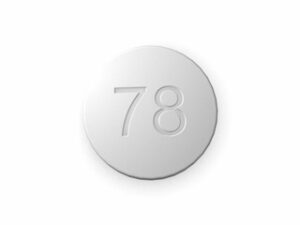
Levlen (Ethinyl estradiol / Levonorgestrel) — Patient Information (Australia)
Levlen is a combined oral contraceptive pill containing ethinyl estradiol and levonorgestrel. It is used by many people to prevent pregnancy and may also help with certain menstrual-related symptoms. This page explains how Levlen works, how to take it correctly, important safety information, interactions, and what to expect.
Always follow the instructions provided with your product and the advice of a healthcare professional. If you have any questions or unusual symptoms, seek medical advice promptly.
Quick Facts
- Brand: Levlen
- Active ingredients: Ethinyl estradiol + Levonorgestrel
- Type: Combined oral contraceptive (COC)
- Common use: Contraception; may help with cycle regulation
- How it’s taken: Usually one pill daily for 21 days, followed by a break or placebo days depending on pack type
- Key benefit: Prevents pregnancy when taken correctly
Basic Product Information
Levlen belongs to the group of medicines called combined oral contraceptives. It contains:
- Ethinyl estradiol (an oestrogen)
- Levonorgestrel (a progestogen)
In Australia, oral contraceptives are available through regulated channels and are used widely under national prescribing and dispensing arrangements. Specific pack details (such as number of active pills and whether there are placebo pills) can vary by product presentation.
Important: Always check your specific pack for the exact dosing schedule and use-by details.
How Levlen Works (Mechanism of Action)
Levlen prevents pregnancy mainly by acting on the hormonal signals that control the menstrual cycle. The combined hormones work in several ways:
- Suppressing ovulation: Levlen helps prevent the release of an egg (ovulation) by reducing the release of hormones from the brain that drive ovulation.
- Thickening cervical mucus: Levonorgestrel changes the mucus at the cervix, making it harder for sperm to pass through.
- Altering the uterine lining: Changes to the endometrium can make it less likely for a fertilised egg to implant.
When taken correctly, Levlen is highly effective at preventing pregnancy. Effectiveness depends strongly on consistent daily use.
Pharmacokinetics (Absorption, Distribution, Metabolism, Excretion)
Understanding how the body handles the ingredients can help explain why timing matters and why interactions can occur. The following is a general description (the exact values may vary between individuals).
Absorption
- Ethinyl estradiol is absorbed from the gastrointestinal tract and reaches peak blood levels within a few hours after taking a dose.
- Levonorgestrel is also absorbed after oral administration, with peak levels occurring a few hours after ingestion.
Distribution
- Both hormones bind to blood proteins, which influences how long they remain in circulation.
Metabolism
- Ethinyl estradiol is metabolised mainly in the liver and can undergo intestinal–hepatic recycling.
- Levonorgestrel is metabolised in the liver, producing metabolites that are cleared from the body.
Excretion
- Metabolites are eliminated primarily via the kidneys and through faecal routes.
Why this matters: Medications that strongly affect liver enzymes (particularly those that induce CYP enzymes) may reduce the contraceptive effect of combined pills. This is why drug interactions are important.
Typical Use and Indications
Levlen is used for:
- Contraception (prevention of pregnancy)
- Management of menstrual-related symptoms in appropriate individuals (for example, cycle regulation and reduced menstrual irregularity). The extent of symptom relief varies person to person.
Levlen may also be used as part of a broader plan for individuals seeking hormonal cycle control. It is not an emergency contraceptive.
When and How to Start (Timing)
Starting on the first day of your period
- If you start on the first day of your menstrual bleeding, protection against pregnancy is typically immediate.
Starting any other day
- If you start later, protection may not be immediate. You may need an additional barrier method (such as condoms) for a period (commonly the first 7 days, depending on the exact regimen and pack).
Switching from another contraceptive
- If you are moving from another combined pill, patch, or ring, or from a progestogen-only method, the start date may differ.
- Ask a healthcare professional or check the product instructions to ensure continuous protection during the switch.
Tip: Choose a routine time that you can remember daily (e.g., after breakfast or before bed).
Dosing (How to Take Levlen)
Levlen is taken by mouth. The typical regimen for many combined pills includes:
- One active pill daily for a set number of days (often 21 days)
- A break or placebo (inactive) days depending on the pack, usually leading to bleeding during the hormone-free interval
Check your exact pack: The schedule can vary (for example, active vs placebo days). Follow the calendar markings on the blister pack.
Missed pills (general guidance)
What to do after a missed pill depends on how many pills were missed and where you are in the pack. General principles include:
- Take the most recent missed pill as soon as you remember, even if that means taking two pills in one day.
- Continue the rest as normal at your usual time.
- Use condoms or avoid sex for a recommended period if protection may be reduced.
- Consider pregnancy risk if missed pills occurred earlier in the cycle or if you had unprotected sex.
Because missed-pill rules can be complex, refer to the product leaflet for your specific Levlen regimen. If you’re unsure, seek advice quickly.
Practical Use Tips
- Use a daily reminder: phone alarm, calendar alert, or pill organiser.
- Check expiry dates: avoid using expired medication.
- Keep blister packs in their original packaging: protect from light and moisture where possible.
- If you vomit or have severe diarrhoea: it may affect absorption—follow guidance in the product leaflet and consider using a barrier method temporarily.
- Know warning signs: if you experience severe chest pain, sudden shortness of breath, one-sided leg swelling, severe headaches with neurological symptoms, or vision changes, seek urgent medical care.
Food Interactions
Food generally does not significantly affect the effectiveness of combined oral contraceptives. However:
- Taking Levlen with or without food is usually acceptable.
- If you vomit shortly after taking a pill or have severe diarrhoea, absorption may be reduced. Follow the product leaflet for guidance in these situations.
Alcohol: moderate alcohol consumption is not expected to directly reduce effectiveness, but heavy drinking can increase missed-dose risk and may worsen nausea or vomiting.
Alcohol and Medicine Interactions
Alcohol
- Moderate amounts: typically not a direct interaction, but consider tolerability (nausea) and routine adherence.
- Heavy drinking: can increase the chance of missed pills; vomiting after alcohol could also impair absorption.
Medicines that may reduce effectiveness (enzyme inducers)
Some medicines can decrease contraceptive hormone levels and increase pregnancy risk. Common examples include medicines that induce certain liver enzymes (not an exhaustive list). These may include:
- Some anti-epileptics (e.g., carbamazepine, phenytoin, topiramate in some regimens, phenobarbital)
- Rifampicin/rifabutin (antibiotics used for specific infections)
- St John’s wort (herbal supplement)
- Some HIV medications (depending on regimen)
If you are prescribed any of these, you may need extra contraception during treatment and for some time after stopping. Your clinician/pharmacist can advise what to do.
Medicines that may affect bleeding patterns
- Some medicines may not reduce effectiveness but can alter bleeding patterns (breakthrough bleeding, spotting).
Always check: Tell your pharmacist or doctor about all medicines and supplements you use, including non-prescription products.
Safety Profile and Important Warnings
Like all combined oral contraceptives, Levlen has potential risks. Many people use it safely, but it’s important to understand warning signs and who may need extra caution.
Common side effects
- Nausea
- Breast tenderness
- Headache
- Spotting or breakthrough bleeding, especially in the first months
- Changes in menstrual flow (lighter or sometimes irregular bleeding early on)
- Mood changes (varies between individuals)
Serious risks (seek urgent help if symptoms occur)
Combined pills increase the risk of certain blood clot-related conditions (venous and arterial). The overall risk is still relatively low in healthy non-smokers, but it becomes higher with additional risk factors.
- Possible blood clots: sudden pain/swelling in one leg, chest pain, sudden shortness of breath, coughing blood
- Stroke-like symptoms: sudden weakness/numbness on one side, trouble speaking, severe vision problems
- Severe headache: especially if new, worsening, or accompanied by neurological symptoms
If you experience any of these, seek emergency care immediately.
Who should use caution or avoid combined pills
Combined oral contraceptives may not be suitable if you have certain conditions or risk factors. Examples of situations that require assessment include:
- Current or past history of blood clots
- Some forms of migraine (particularly migraine with aura)
- Very high blood pressure
- Smoking (risk rises with age, especially over 35)
- Breast cancer or other hormone-sensitive cancers
- Liver disease or severe liver problems
- Unexplained vaginal bleeding
Your pharmacist/doctor can help determine whether Levlen is appropriate for you based on your medical history.
Benefits and Expected Changes Over Time
- Contraceptive protection when taken consistently.
- Cycle regularity for many users.
- Menstrual symptoms may improve (e.g., reduced heaviness or discomfort), though individual responses vary.
- Breakthrough bleeding can occur in the first 2–3 months. It often settles with continued correct use.
Alternative Options
If Levlen is not suitable or you prefer a different approach, there are other contraceptive options available in Australia. Alternatives can include:
- Other combined oral contraceptives (different hormone formulations)
- Progestogen-only pill (suitable for some people who cannot take oestrogen)
- Long-acting reversible contraception (LARC)
- Hormonal IUD
- Copper IUD
- Contraceptive implant
- Contraceptive injection
- Barrier methods (condoms) and fertility awareness methods
- Emergency contraception for unprotected sex (note: Levlen is not an emergency option)
If you are considering switching, timing matters to maintain contraceptive protection.
Market and Legal Context in Australia
In Australia, contraceptive medicines are supplied under regulatory frameworks that include pharmacy access and prescribing/dispensing pathways. The availability of specific brands and pack sizes can vary by provider and supply chain.
Many contraceptive products are listed on the Pharmaceutical Benefits Scheme (PBS) depending on eligibility and criteria. Your pharmacy can advise about availability, funding options, and how to obtain your preferred formulation.
Pharmacy and clinical guidance: Australia emphasises medication safety, appropriate screening for contraindications, and counselling on correct use—especially for combined hormonal methods.
Recent Guidance and Updates (What to Know)
Over time, contraceptive guidance has emphasised consistent risk assessment for combined pills, especially regarding blood clot risk and interactions with enzyme-inducing medicines. Clinicians and pharmacists commonly recommend:
- Reviewing risk factors at each start or when changing contraceptive methods
- Recognising symptoms of thrombosis and stroke urgently
- Using reliable backup contraception when starting/stopping interacting medicines
- Addressing missed-dose situations promptly
If you’ve recently changed medication, had a new health condition, or experienced side effects, check in with a healthcare professional for personalised advice.
Delivery and Availability
Levlen may be available through participating pharmacies in Australia and may be supplied as blister packs. Availability can depend on:
- Current stock levels
- Specific pack presentation and strength
- Eligibility for subsidised supply where applicable
When ordering online, reputable Australian pharmacies typically provide:
- Delivery options (standard, express, or scheduled delivery depending on location)
- Tracking updates for shipped orders
- Secure packaging to protect medication integrity
- Customer support for order questions and delivery issues
Tip: If you’re starting a new pack or have missed doses, aim to arrange supplies promptly so you don’t run out.
FAQ: Levlen (Ethinyl estradiol / Levonorgestrel)
1) How effective is Levlen?
Levlen is highly effective when taken correctly every day. Effectiveness decreases if pills are missed, taken late, or if vomiting/diarrhoea affects absorption. Using the pill consistently and following missed-dose guidance helps maintain best protection.
2) Can I take Levlen to skip my period?
Sometimes people can alter bleeding patterns with continuous or extended pill-taking, but the correct approach depends on the exact Levlen pack and your medical history. Check the pack instructions or ask a pharmacist for the safest plan.
3) What should I do if I miss a pill?
Missed-pill advice depends on how many pills were missed and where you are in the pack. In general: take the most recent missed pill as soon as possible, continue the rest as normal, and use condoms for a period if needed. Refer to your product leaflet and/or ask a pharmacist for guidance.
4) Does food affect Levlen?
Food usually does not significantly affect effectiveness. However, vomiting soon after taking a pill or severe diarrhoea can reduce absorption, so follow the product leaflet’s advice for these situations.
5) Can I drink alcohol while taking Levlen?
Moderate alcohol is not expected to directly reduce effectiveness. The main concern is missed doses or vomiting. If you vomit after alcohol, treat it as you would vomiting after a pill.
6) What medicines can interact with Levlen?
Medicines that induce liver enzymes can reduce contraceptive effectiveness. Examples can include certain anti-epileptics, rifampicin/rifabutin, and St John’s wort. Always tell your pharmacist about all medicines and supplements you take.
7) Is Levlen suitable for everyone?
Combined oral contraceptives are not suitable for everyone. Your clinician/pharmacist should consider your medical history, migraine type, blood pressure, smoking status, and clot risk factors.
8) What side effects are common?
Common side effects include nausea, breast tenderness, headache, and breakthrough bleeding—especially early in use. Many side effects improve after the first few months.
9) When should I seek urgent help?
Seek urgent medical care for symptoms that could indicate a blood clot or stroke, such as sudden chest pain, shortness of breath, one-sided leg swelling, severe sudden headache with neurological symptoms, or sudden vision/speech problems.
10) Can Levlen be used as emergency contraception?
No. Levlen is a regular daily contraceptive and is not an emergency method. For unprotected sex or contraceptive failure, use an emergency contraception option recommended in Australia.
Summary
Levlen (ethinyl estradiol / levonorgestrel) is a combined oral contraceptive used to help prevent pregnancy and support cycle regulation for many people. It works by preventing ovulation, thickening cervical mucus, and altering the uterine lining. Correct daily timing is important for the best contraceptive protection, and certain medicines (especially enzyme inducers) can reduce effectiveness. If you ever experience severe symptoms suggestive of a blood clot or stroke, seek urgent help.
If you have questions about starting, switching, missed pills, or interactions, contact your pharmacist or healthcare professional.